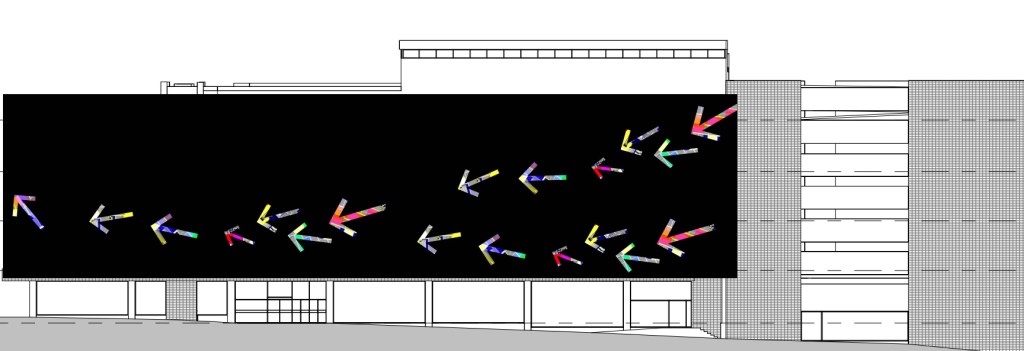
Proposed vinyl wrap for the front of the former John Lewis store. Image: Sheffield City Council
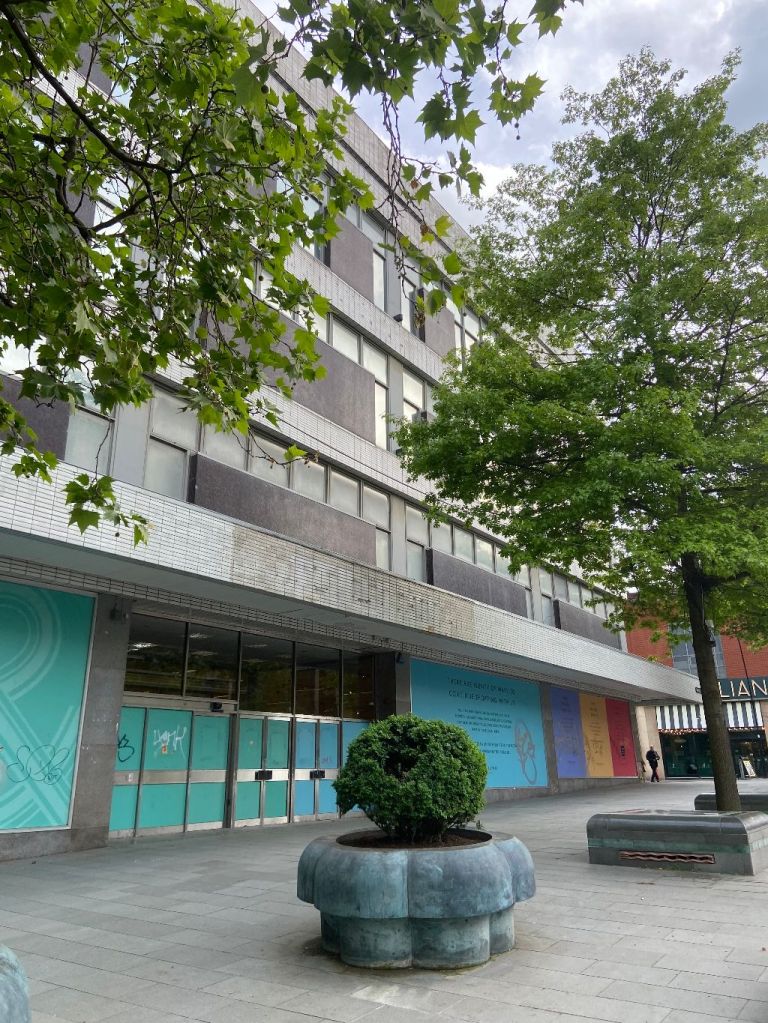
What do you do if a building is looking tired? As in the case of the former John Lewis store in Barker’s Pool. One solution is to cover it in vinyl wrap. And that is the proposal by Sheffield City Council which has submitted a planning application to shroud the 1960s building with a massive advertisement until its fate is decided.
Side elevation on Cambridge Street. Image: Sheffield City Council
John Lewis closed permanently last year and is awaiting redevelopment. Image: DJP/2022
This article first appeared in The Star in April 2022, and is included here for the first time.
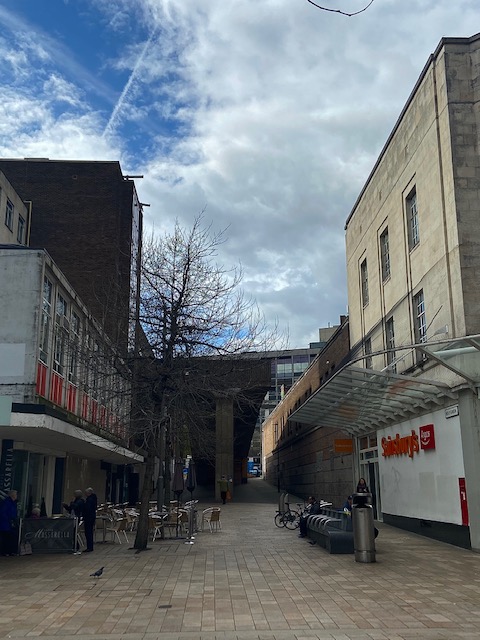
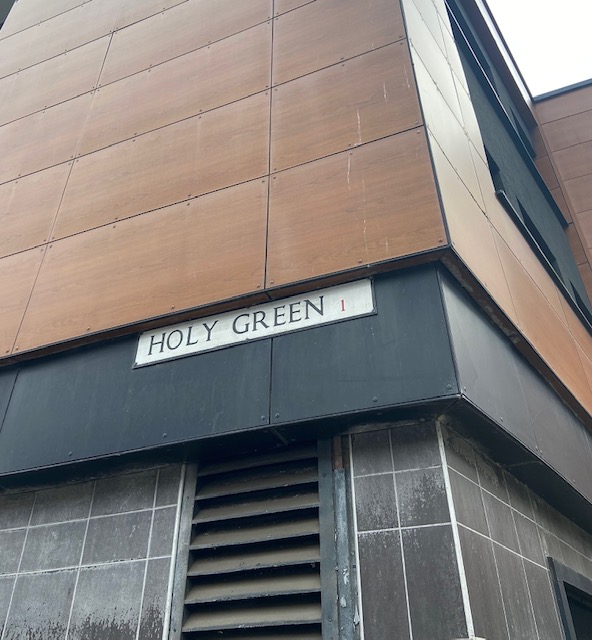
I suspect most Sheffield people will struggle to say where Holy Green is. It could be a village green in a rural idyll, but it is in the city centre, an uninspiring little road that stretches from The Moor to Charter Row between Atkinsons and Sainsburys.
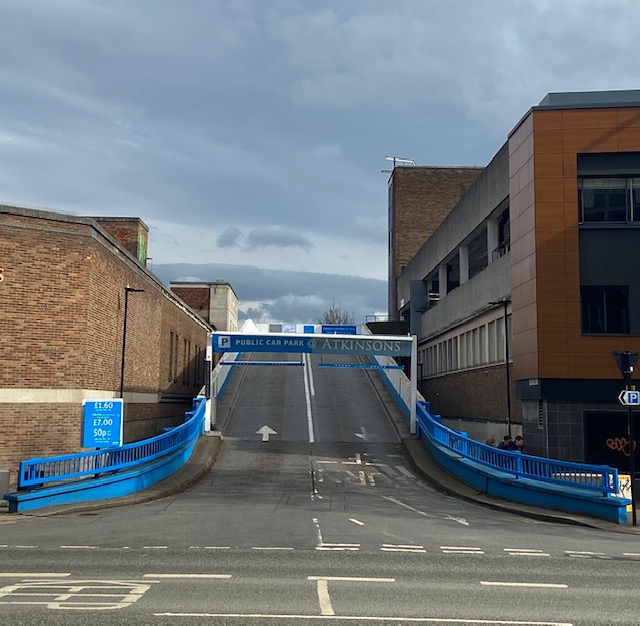
Most of it remains hidden underneath the huge concrete ramp that allows drivers to enter the multi-storey carpark above Atkinsons.
This was once an extension of Eldon Street but hidden underneath the sprawling mass of Atkinsons department store is an extraordinary history that gives Holy Green its name.
A reminder of its past. Holy Green, Sheffield. Image: DJP/2022
We must go back to the 1700s when Sheffield was a town surrounded by fields and countryside. It gradually expanded until its southern edges skirted a gorse-clad swampy common called Sheffield Moor.
A footpath of single stone was eventually cut through the heath leading to the tiny hamlet of Little Sheffield.
It was a gentleman called Thomas Holy (1752-1830) who built a house at the edge of Sheffield Moor. Holy Green House had a straight avenue of large leaved poplars leading to its substantial doorway, with a kitchen garden at the back, and a grass field called ‘The Croft.
He was a cutlery manufacturers’ merchant and a member of an old Sheffield family of button-makers and soon afterwards added the small works of Holy, Suckley and Co. at the back of the house towards Button Lane (taking its name from the factory, and broadly following the line of present-day Charter Row). He built-up the business until it became an international concern, later diversifying into mining and other mineral activities.
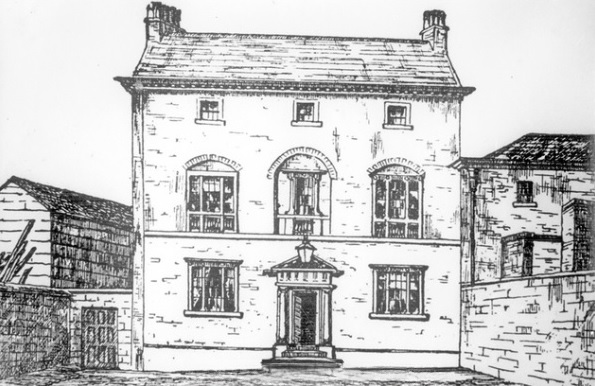
Holy Green House, The Moor, between Eldon Street and Prince Street. Home of Thomas Holy, who entertained John Wesley here. Mr. Abraham, principal of Milk St. Academy, resided here, and also used it for boarders and evening classes. Image: Picture Sheffield
Thomas also became a prominent landowner, buy tracts of land from the Duke of Norfolk, and later leasing it to developers in what became the residential suburbs between Glossop Road, Broomhill and Fulwood.
He was also an early member of the Sheffield Wesleyan Methodist Society and was actively involved in the building of Carver Street Chapel (now Walkabout) in 1805.
John Wesley was a guest of Thomas on several occasions.
In 1786, “after preaching service (at Norfolk Street Chapel) crowds followed Wesley to Mr Holy’s house on the Moor, the streets were lined, and the windows filled with people anxious to have a glimpse of him. During the walk Wesley emptied his pockets scattering gifts to the poor. A vast crowd assembled in front of Mr Holy’s house. Wesley walked into their midst, knelt, and asked God to bless them, the crowd weeping at the thought of losing him.”
Thomas Holy died at Highfield House in 1830, but by this time Holy Green House was occupied by John Hessay Abraham, a Fellow of the Royal Society, and Principal of the Milk Street Academy, a classical, commercial, philosophical, and mathematical seminary for boys, some of whom boarded at his house.
On his retirement in 1835, his daughters, Mary, and Eliza, opened a girls’ school at Holy Green House.
“There were balsam poplars edging the walk, the scent of which was delicious after a shower in the spring, and a clematis arbour in the back garden abutting onto Button Lane.”
J.H. Abraham had been presented with a service of silver plate when he retired, and the girls drank their supper milk and water from silver beakers served by a man servant in white cotton gloves.
The music master was a handsome young Hungarian called Welhi, who encouraged his girls to give concerts for the important people of Sheffield.
However, the most fascinating person was the French teacher, an old lady, who was strong-minded, eccentric, and wore a horsehair wig kept in place by a velvet ‘brain band’ and covered by a white cap.
She was fond of descending into the schoolroom at night, opening the shutters and reciting poetry in the moonlight. But she was also prone to outbursts with the girls.
“I, who am the daughter of one of Napoleon’s generals and the wife of another, oh why have I to teach the daughter of a tailor?’ she asked bitterly one day.
The school closed in 1855 and Holy Green House was taken over as lodgings for the Sisters of Notre Dame, from Namur, in Belgium, who had opened a Roman Catholic school on Surrey Street.
They also started a school here in what was destined to become the great Notre Dame School that has served generations of Sheffield Catholics ever since.
The Sisters of Notre Dame relocated to Convent Walk in 1860 and Holy Green House appears to have been empty for several years before becoming home and workplace to Samuel Smith Middleton, a wholesale beer merchant, and agent for breweries across the country.
This part of expanding Sheffield was still relatively undeveloped and by 1870 there was still open space at Holy Green House between Button Lane to Sheffield Moor, the original path now known as South Street with several one-storey shops.
It was in one of these shops that John Atkinson, a draper, arrived in 1872, subsequently absorbing neighbouring properties built on the green lawns of Holy Green House. A passage led between the shops to the house, now hidden from South Street, and occupied by Ecclesall Working Men’s Club after 1871.
On the further extension of Atkinson’s premises, the low shops were demolished, as was Holy Green House, and the last of its picturesque grounds disappeared forever.
Holy Green, Sheffield. It is now used as a ramp into the multi-storey car-park. Image: DJP/2022
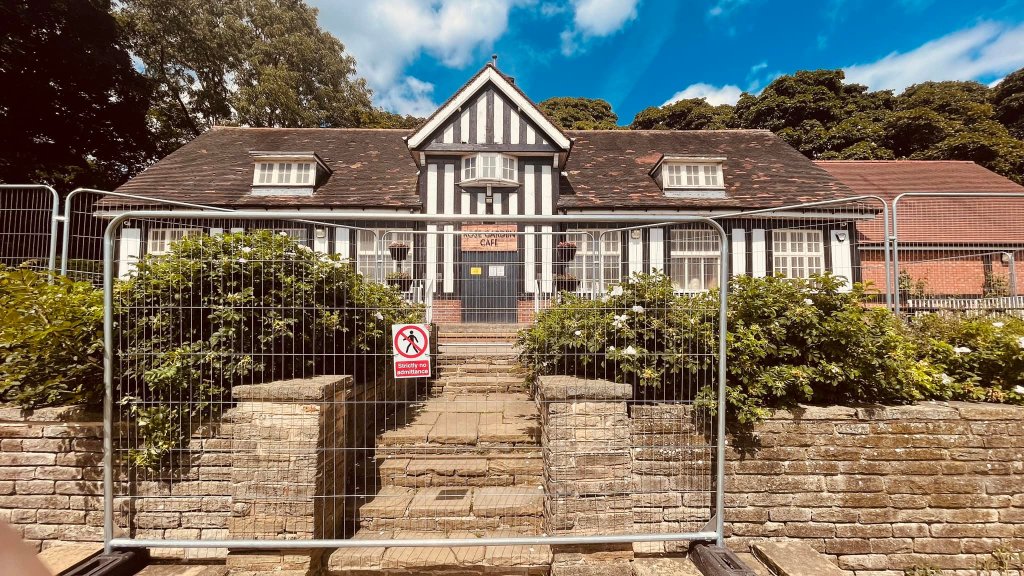
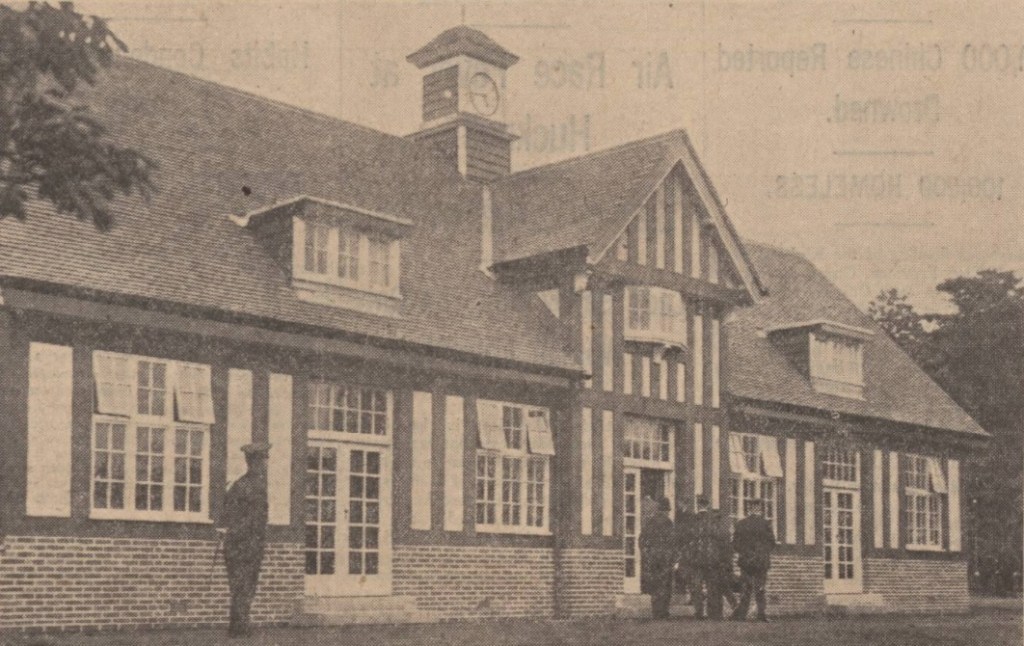
The current plight of the Rose garden Café, Graves Park. It was designed as a pavilion by W.G. Davies in 1927 and opened by the Lord Mayor, J.G. Graves. The building is considered structurally unsafe. Image: Andy Kershaw.
It seems incredible that a city that promotes itself as an ‘Outdoor City’ won’t have any refreshment facilities in its largest park. I refer to the sudden closure of the Rose Garden Café in Graves Park, a story breaking across the media.
The reason behind the closure, and its shielding behind metal railings, is the unsafe condition of the building.
The council estimates that it will cost at least £550k to repair the building and they only have £200k. A consultant report says that there is significant roof sag, dormer windows leaning inwards, leaking roof, blocked drains, bulging of the soffit beams both sides of the entrance, and a long list of other problems. According to the report, “It has reached the end of its design life.”
“It is not recommended to refurbish the Rose Garden Café,” says the report. “Unless it is considered to be of sufficient historic interest and additional funding is readily available. Any building can be repaired but at a cost. The café is not listed but the repair details involved would be as if it was listed. It is recommended that the café and rear kitchen/store extension be demolished and the newer toilet block retained. For comparison a new build modular of 500 square metres will be circa £425,000.”
The Rose Garden Café was built as a pavilion and tearoom in 1927 by Sheffield Corporation’s Parks Committee to the designs of city architect W.G. Davies.
It was constructed by Reeves Charlesworth Ltd at a cost of £2,500.
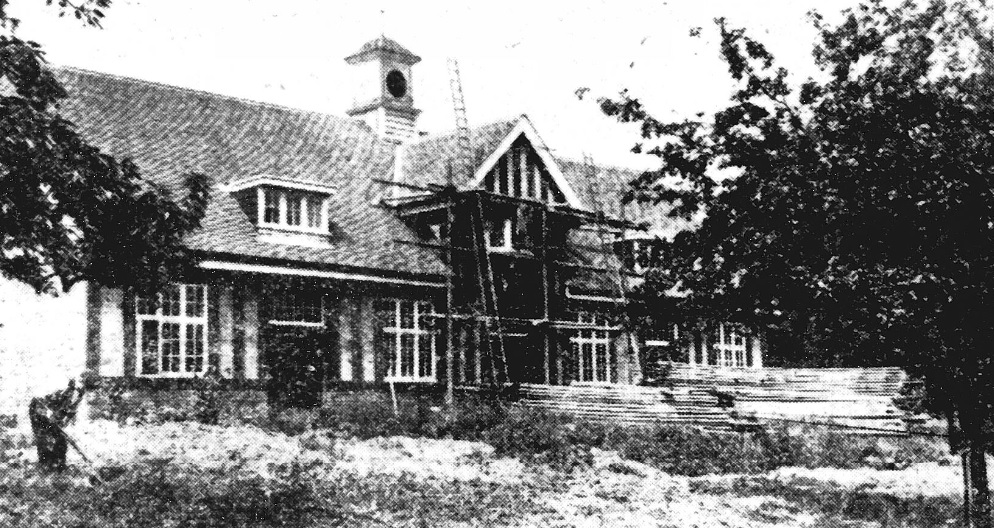
The ‘new’ pavilion and tea house erected in the old orchard of the summer house at Graves Park. Construction in 1927. Image: British Newspaper Archive.
The pavilion was built close to Summerhouse Wood, in the old orchard of a summer house. It was here that park keepers used to toll the bell to warn users that the park was closing. After this the gates would be locked, and you were not allowed in.
According to Ian Rotherham, from Sheffield Hallam University, the summer house survived until demolition by Sheffield City Council in the early 1970s.
“We believe that this may have been a possible Tudor hunting tower for the old deer parks alongside the now Hemsworth Road.”
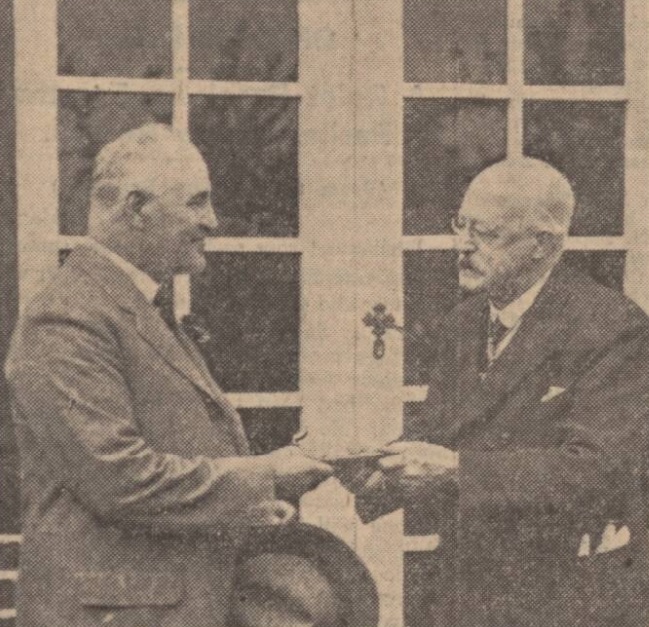
The opening ceremony for the pavilion was on July 29, 1927, when David Flather, Master Cutler, handed the Lord Mayor, Alderman J.G. Graves, a gold key, a gift from the building contractor. Flather said that the Cutlers’ Company had the greatest admiration for the work which the Lord Mayor was doing for the city. It was J.G. Graves who had gifted the park to Sheffield in 1925.
The Pavilion in Graves Park, which the Lord Mayor (Alderman J.G. Graves) opened in July 1927. Image: British Newspaper Archive
The Lord Mayor said he regarded the building of the pavilion as a remunerative undertaking and not as a luxury expenditure. If the Council continued to encourage the public to make use of the natural advantages of the city and to indulge in healthy recreation, then there would be less spent on hospital services, the drink and gambling evils would decrease and there would be less policemen needed.
“We have facilities for accommodating considerable numbers of our fellow citizens from the more distant parts of Sheffield. We could, with the help of the Tramways Committee, who will, I am sure, be reasonable, provide facilities for bringing parties of people from all parts of the city, particularly the East End. I refer to mothers’ unions, old folks’ treats, and others. I hope it will be possible to entertain 100 or 150 people at given dates in advance and that the facilities will be taken advantage of at ordinary times.”
The Master Cutler presenting the key to the Lord Mayor at the opening of the Pavilion in Graves Park. 1927. Image: British Newspaper Archive.
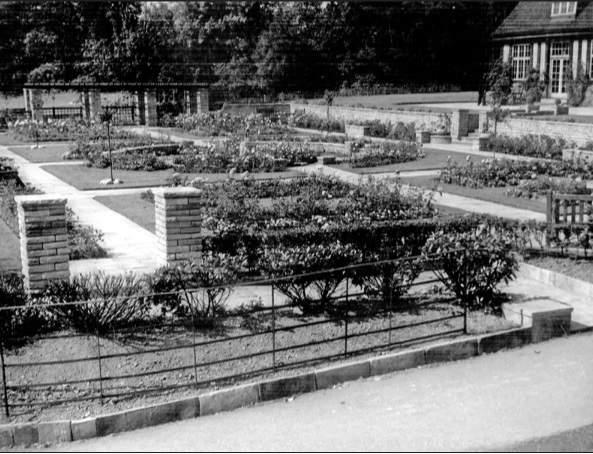
A year later, in 1928, the rose garden was laid out in front of the pavilion, prompting J.G. Graves to say that he hadn’t seen anything better outside Regent’s Park.
Happy times. But in the 95 years since, Sheffield City Council has woefully neglected Graves Park.
“Like the rest of Graves Park, the cafe building belongs to The Graves Park Charity,” says the Friends of Graves Park. “The problem has always been that the trustees of the charity are Sheffield councillors, and whilst they are required to make decisions in the best interests of the charity there have been many occasions where some might suggest they put the interest of the council first.”
J.G. Graves will rightly feel miffed in his grave (no pun intended), because the condition of the old pavilion is a shocking indictment.
Buildings should last longer than 100 years (although many don’t) and with careful maintenance will be structurally safe. On hindsight, the construction of the pavilion may have had design defects and the build quality may have been inadequate.
Allegedly, the current tenant has paid over £400K in rent and a share of his profits to Sheffield City Council over the past 14 years, but no maintenance on the building has been completed.
Gardens at front of the pavilion, Graves Park. Image: Picture Sheffield
I suspect the likely outcome will be demolition, and with inadequate funds in the budget for a replacement, the park might be left without any facilities.
It might be the case, as in some other cities around the world, that any development is handed to private enterprise, to build, and operate, a replacement facility. And might this create an opportunity to rebuild incorporating parts of the old pavilion?
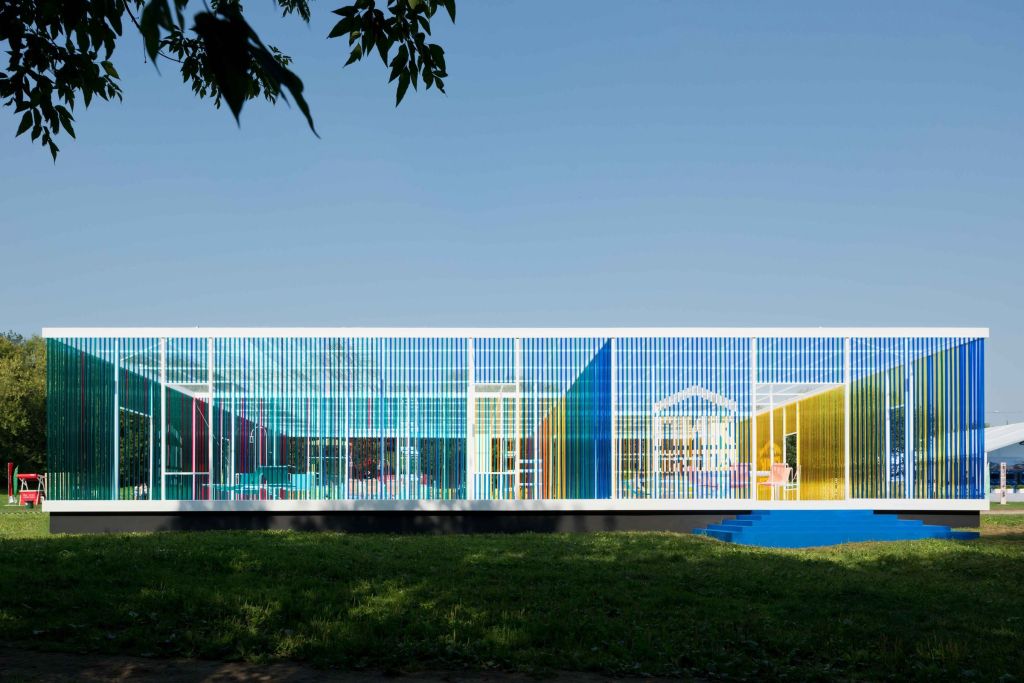
A taste of things to come? Architects around the world are creating contemporary park pavilions. But would these last another 100 years? Image: Archello
The next major phase in Sheffield City Council’s plans to regenerate the historic area of Castlegate is underway as essential geoarchaeological work begins.
Geoarchaeological investigations will be carried out by archaeology and heritage specialists, Wessex Archaeology, as they conduct 33 borehole surveys across the site of Sheffield Castle to examine the characteristics and conditions of the site’s underlying groundworks. The findings will then be analysed to give insights into what is underground and in turn inform the council’s redevelopment proposals for the area.
It marks a significant step in propelling the council’s plans to revitalise Castlegate after securing £20m from the government’s Levelling Up Fund last year.
Plans include the de-culverting of the River Sheaf, interpretation of the castle remains and the creation of attractive green public spaces; the creation of a cultural destination providing S1 Artspace and Sheffield Music Academy and Sheffield Music Hub with new state-of-the-art facilities; the preparation of land for future uses and investment; better connectivity and improved infrastructure for active travel.
In consultation with South Yorkshire Archaeology and Historic England, each borehole’s location has been carefully planned based on a need to further investigate the site, in order to add the information to the previously conducted archaeological evaluations, including the one carried out by Wessex Archaeology in 2018, after the Castle Markets were demolished.
This phase will supplement the information gathered from earlier assessments to produce a report, a detailed deposit model and archaeological sensitivity map to feed into a constraints plan for the area. The drilling is expected to last 6 weeks.
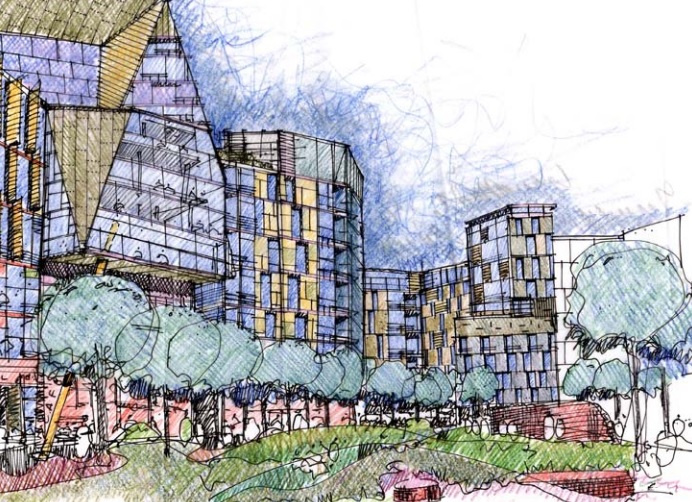
Castle Market Site. Illustration of the proposed mixed use development and open space from Sheffield City Council.
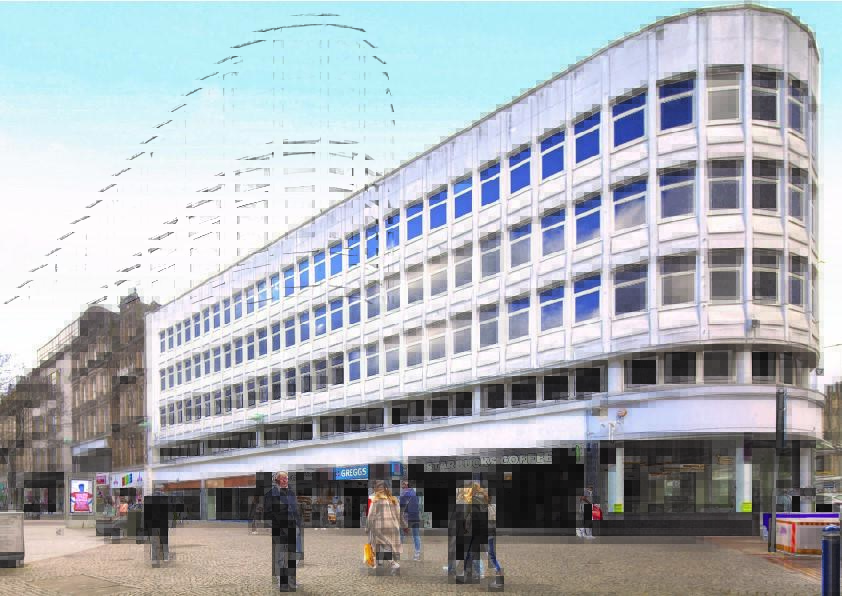
2-18 Fargate. “Given the huge housing shortage, plus the frequently reported difficulties faced by first-time buyers, the most obvious answer is to turn this unused office space into much-needed, quality apartments or student accommodation.” Arran Bailey. Image: GCW
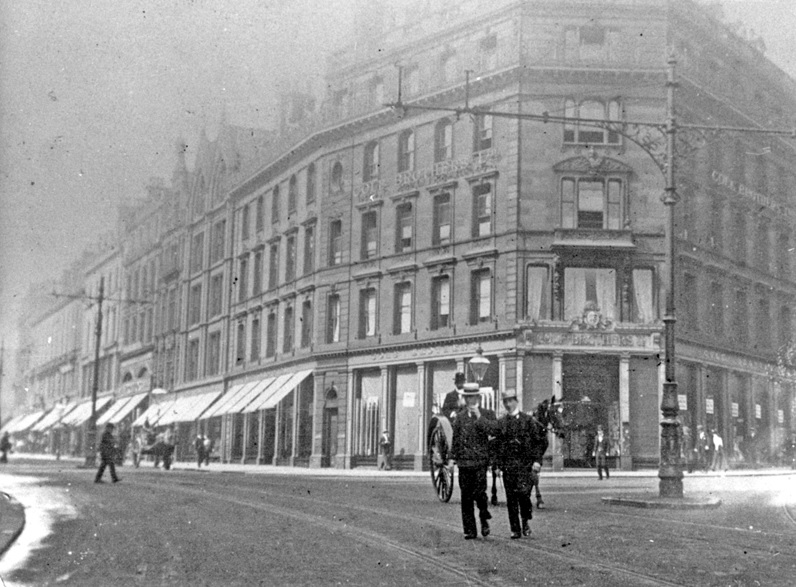
It dates to 1965-1966, and stands at Coles Corner, the iconic site of the Cole Brothers department store.
2-18 Fargate, at the corner with Church Street, has been acquired for an undisclosed sum by Nottingham property company ALB Group.
It already has Starbucks, Greggs and Hotel Chocolat on the ground floor, and plans are underway to convert the four upper floors of vacant office space into apartments.
The move follows a similar refurbishment model employed by ALB Group in other UK centres, including Stoke-on-Trent, Ipswich, Birkenhead, and Derby, which are already experiencing a turnaround in fortunes.
Group managing director Arran Bailey has long been committed to finding ways to reverse the trend of decay in UK town centres, particularly by encouraging local, independent entrepreneurs to launch new high street businesses, by offering lower rents with more flexible terms.
ALB is seeking to do the same with its vacant retail units in the Fargate building.
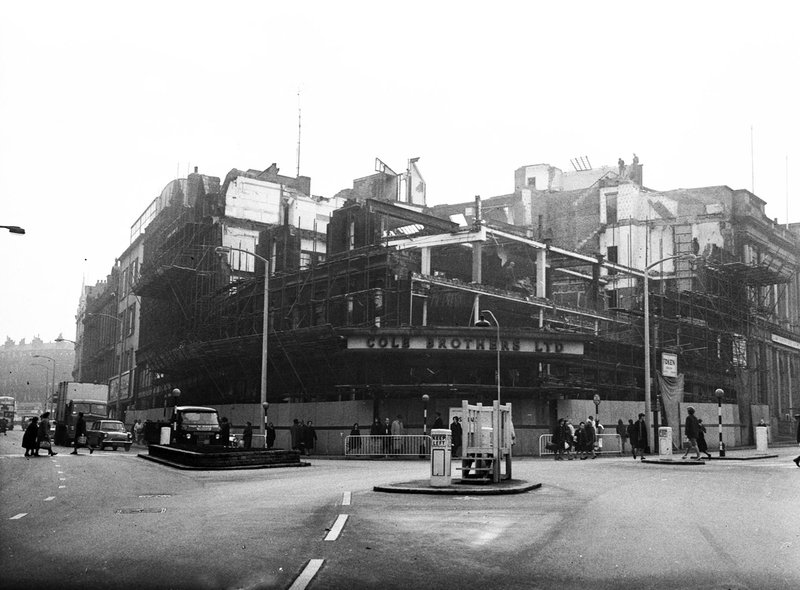
The demolition of the old Cole Brothers store in 1964. Photo: JPIMedia
Construction on the old Cole Brothers site (Coles Corner), junction of Church Street and Fargate in 1965. Image: SCC Engineers and Surveyors/Picture Sheffield
Sheffield City Council has gone to market with two new development plots within its transformational £470m Heart of the City masterplan.
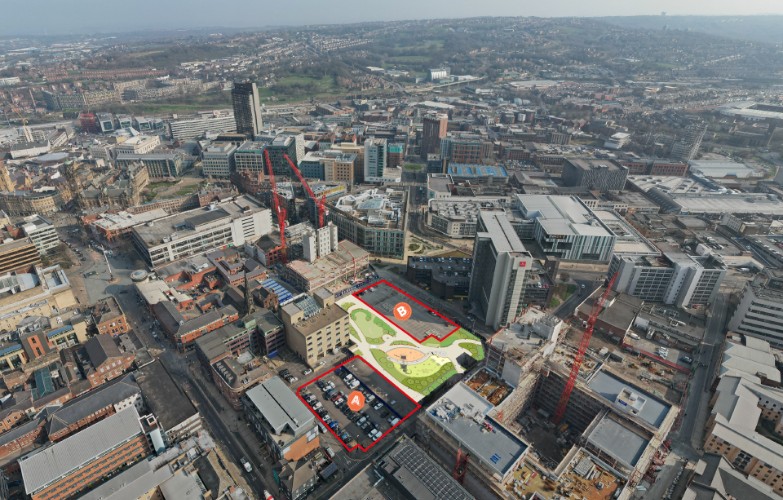
The Council and its appointed marketing agent, CBRE, are seeking buyers for two development sites located on the former car park between Rockingham Street, Wellington Street and Carver Street.
The new developments would further contribute to the rapidly growing mixed-use district that is being created through Heart of the City – this includes the already completed Grosvenor House, plus several under-construction office, leisure, and residential developments.
The two new plots are located at opposite corners of the evolving Pound’s Park, having been originally outlined during the Council’s public consultation for this landmark public space last year.
Construction of Pound’s Park is already well underway and is set to complete towards the end of this year. By prioritising the physical and mental wellbeing of its visitors – through a focus on pedestrians, cycling, active play, and relaxation – the new green space is seen as a big draw for potential developers.
The sites are expected to provide active ground floor uses such as cafes and restaurants onto this high-quality public realm with office, hotel and residential uses on the upper floors considered appropriate. Whilst both sites could be developed by a single purchaser, the Council will consider separate or combined offers for the sites.
The largest of the two new sites (Site B) sits on the southeastern side of the park on the corner of Carver Street and Wellington Street.
One of the requirements for this site is that it must incorporate and display the locally cherished William Mitchell Frieze artwork, which was carefully removed from Barker’s Pool House to make way for a new Radisson Blu hotel last year.
The second site (Site A) sits to the northeast of the park on the corner of Rockingham Street and Division Lane.
Happy Yorkshire Day. A celebration of the United Kingdom’s largest county.
Named after the old county town of York, we are familiar with its sub-division into North, West, South Yorkshire (the best of the lot), and Humberside.
But these are modern creations, and until 1974, the county was split into three ‘Ridings,’ derived from the Old Norse Þriding or Þriðing, meaning a “thirding”.
Yorkshire was divided into three ridings and surrounded the city of York, their boundaries meeting at the walls of the city: thus, York within the walls was the only part of Yorkshire outside any of the ridings.
East Riding, was the smallest and least hilly of the three, much of it in the plains extending from the north bank of the Humber and containing the seaport city of Kingston upon Hull.
The North Riding, extending from the Pennines to the North Sea, was the most rural but still contained Middlesbrough on industrial Teesside.
The West Riding, the largest and most urbanised as the southern part, contained the great industrial cities of Yorkshire, the largest being Sheffield and Leeds, though in its north it encompassed some of the finest of the Yorkshire Dales.
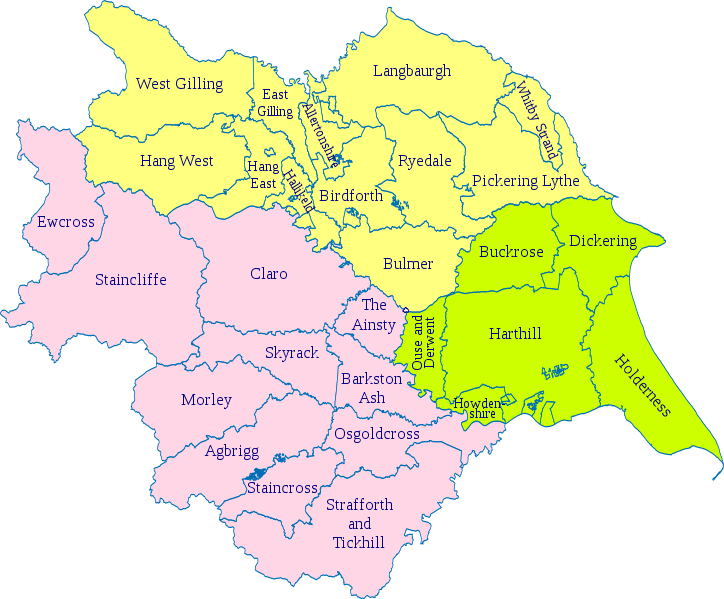
And each riding was divided into wapentakes, the Danelaw equivalent of an Anglo-Saxon Hundred in most other counties. The word derived from an assembly or meeting place, usually at cross-roads or near a river, where literally one’s presence or a vote was taken by a show of weapons.
And Sheffield was in the southern most wapentake of Strafforth and Tickhill, the original meeting place unknown, but may have been the future site of Conisbrough Castle, near Doncaster.
Map of Yorkshire wapentakes
And to add further confusion, there are portions of the great county which retain, from old feudal times, names unrecognised by the geographer, but well known and adopted by Yorkshiremen themselves. You may look in vain on a map for Cleveland, Richmondshire, Hallamshire, Craven, or Holderness, but you will hear of them spoken in each area.
Hallamshire, a large manor at the time of the Conquest was the southern most part of the West Riding, including Sheffield.
South Yorkshire was created on 1 April 1974 because of the Local Government Act 1972. It was created from 32 local government districts of the West Riding of Yorkshire (the administrative county and four independent county boroughs), with small areas from Derbyshire and Nottinghamshire. South Yorkshire County Council was abolished in 1986 and its four metropolitan boroughs (Sheffield, Rotherham, Barnsley, and Doncaster) effectively becoming unitary authorities, although the metropolitan county continues to exist in law.
And while we are left with North, West, and South Yorkshire, Humberside reverted to its original name of the East Riding of Yorkshire in 1996.
If you’ve stuck with it so far, I’ll confuse you further by throwing in the South Yorkshire Mayoral Combined Authority (formerly Sheffield City Region), led by Oliver Coppard, Mayor of South Yorkshire.
He has powers over transport, economic development and regeneration, and includes the metropolitan county of South Yorkshire as full members, with North East Derbyshire, Derbyshire Dales, Bassetlaw, Chesterfield and Bolsover, non-metropolitan Districts, as non-constituent members.
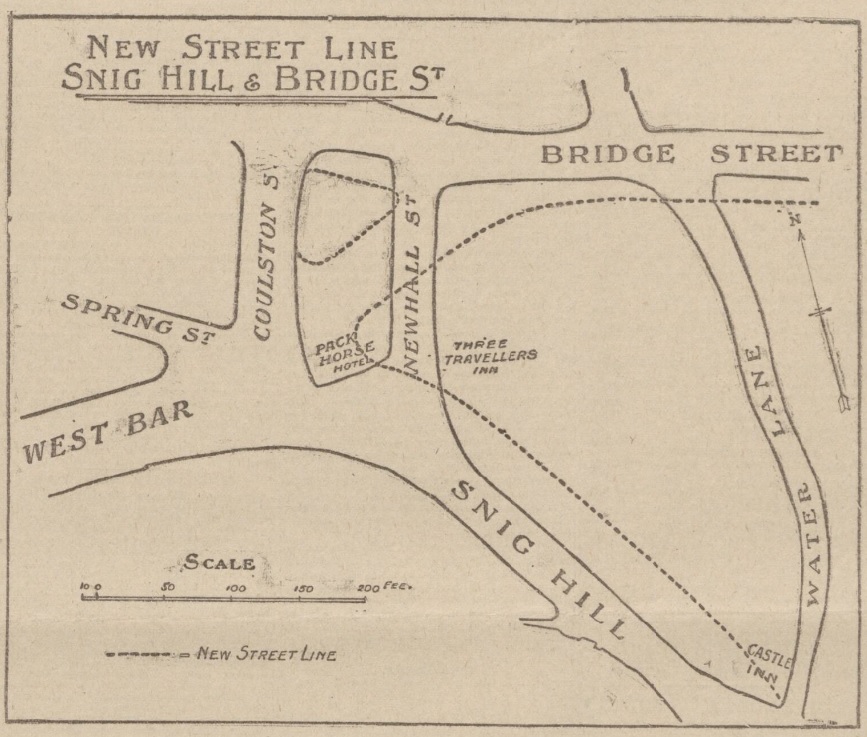
In 1900, the Improvements Committee of Sheffield Corporation paid £10,500 for 2,546 yards of land in Newhall Street. There were certain freehold premises here, including the Hollis Hospital.
The question we ask ourselves 122 years later, where was Newhall Street?
Sheffield Corporation wanted to carry out a road diversion with a straight way from Westbar to Bridge Street.
Newhall Street was at the bottom of Snig Hill and disappeared, the line of Westbar continued across land occupied by the Pack Horse Hotel (demolished), until it joined Bridge Street.
This illustration from 1902 shows the original road layout, with dotted lines indicating the new street pattern and building lines. It also shows the widening of Snig Hill.
The scheme was completed in 1903 providing a more direct route from Westbar to the Victoria Station, and in due course tram lines ran from Westbar into the Wicker. It allowed tramcars to run from Hillsborough to the Wicker and then back to Hillsborough by the Owlerton Route – another step in the completion of the city’s circular tramway system.
The loss of Newhall Street was significant because this had been the boundary between Saint Peter’s Ward and Saint Philip’s Ward, dating to 1843 when Queen Victoria granted The Charter to the Borough of Sheffield.
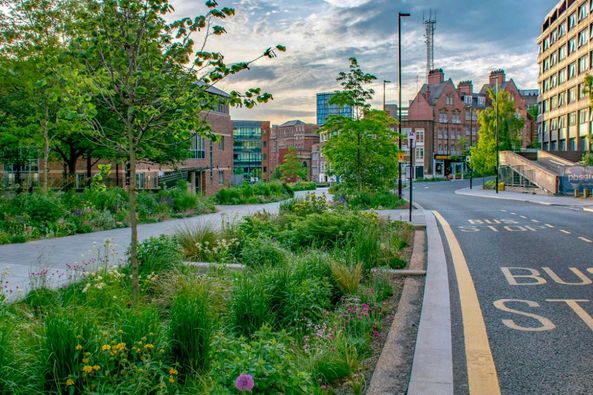
Fast forward to the present day and things are remarkably quieter, and more beautiful, thanks to Sheffield City Council’s ‘Grey-to-Green project.
The ‘Grey to Green ’ project is a development from Sheffield City Council to transform redundant carriageway in the city centre into a network of sustainable drainage and rain gardens. The greening of West Bar has already been completed. Photograph: Nigel Dunnett.
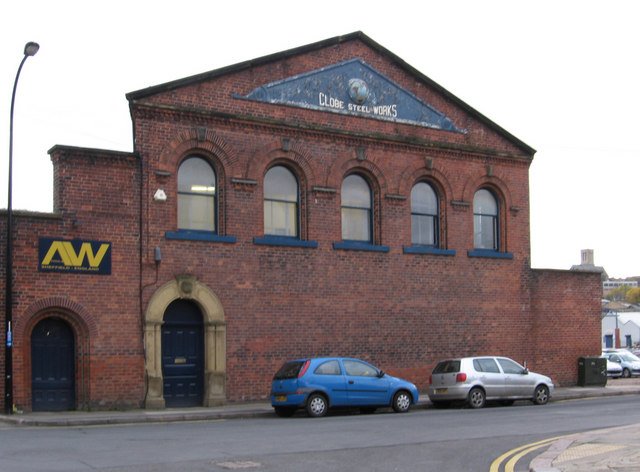
More development proposals at Kelham Island. This time it involves the former Globe Steel Works on Alma Street.
Plans have been lodged to convert it into a bar, café, multi-use events and music venue. The full planning application has been submitted by Citu, supported by Directions Planning Consultancy.
The traditional red brick building was built about 1845 and is one of the last standing remnants of the former Globe Steel Works, which once incorporated land to the east, south and west. The extended site was last occupied by Richardson’s Cutlery Works and, more recently, this building was used by AW Tools (Europe) Limited.
Under the plans, an existing single-storey enclosed yard area that is already partially covered along the western elevation would be fully utilised to provide further accommodation at ground floor and a terrace at the first floor level. A new lobby area would also be created in the north-east corner.
The existing Globe Steel Works sign would be retained.
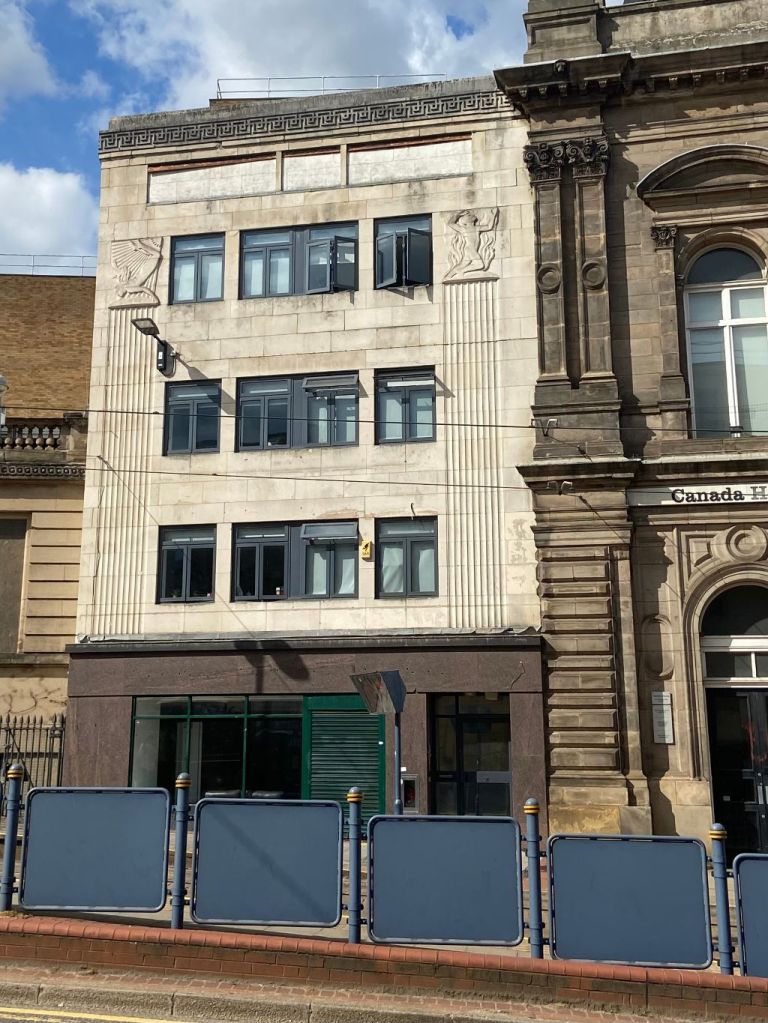
A story above. No. 9 Commercial Street, Sheffield. Image: DJP/2022
I recently featured Canada House, on Commercial Street, a well-known building, built in 1874 for the Sheffield United Gas Light Company. Plans have been submitted to convert it into Harmony Works, a home for music education in the region.
However, next door to Canada House is an often overlooked building that was originally an extension to the former gas showrooms.
The building, No. 9 Commercial Street, is no longer connected with Canada House, and was recently used by Jessops photographic shop.
This Portland stone building is conspicuous against its Victorian neighbours, added in 1938 by Hadfield & Cawkwell. It is described as ‘between stripped classical and modern.’ Harman and MInnis in Pevsner’s Architectural Guide describe it as ‘a Greek Key band and flutes representing pilasters combining sculpture by Philip Lindsey Clark of a flying female figure with a sunbeam behind her and a male figure backed by flames.’
Next time you pass, take a good look because the sculpture makes sense when you know what you are looking at.
The life-size sculptural figures represent Heat and Light.
Heat is represented by the male figure with the feet coming out of the earth to suggest the origin of gas. Flames twisting and expanding upwards, with a ‘quivering’ background, convey the suggestion of heat.
The female figure was chosen to represent light, designed to give an impression of light descending in rays controlled by the arms of the figure to shed light on the earth. In the background, a star suggests night turned into day by means of this light.
Philip Lindsey Clark (1889-1977) was the son of sculptor Robert Lindsey Clark, and he worked with him at the Cheltenham School of Art from 1905 until 1910. He later studied at the City and Guilds School in Kennington, had a distinguished record in World War One, and continued his training at the Royal Academy and Salon des Artistes, Paris.
His work from 1930 onwards became more of a religious nature and can be seen in ecclesiastical buildings across the country.
In Sheffield, there are other examples of his sculpture at Church of the Sacred Heart (Hillsborough), the Royal Institution to the Blind in Mappin Street (still retained in the replacement building), and St Theresa of the Child Jesus Church at Manor, including, amongst others, the stone statue of St Theresa above the main door of the church.
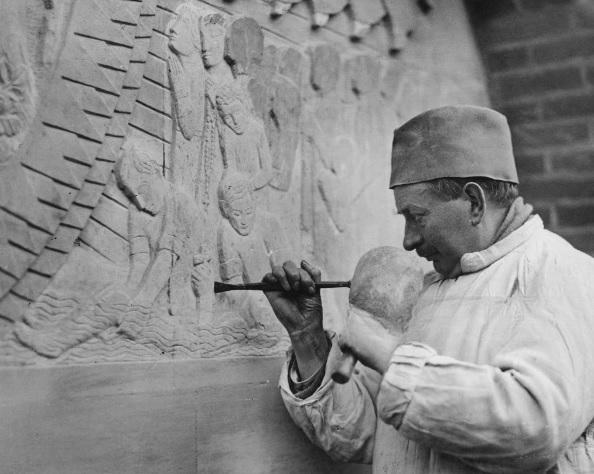
Philip Lindsey Clark works on a stone panel for the tympanum of the new Sacred Heart Church in Hillsborough, Sheffield, 12th March 1936.



 sheffielder.net