They say that American schoolchildren know more about Wentworth Woodhouse than their British counterparts. More astonishingly, there are far more people in Sheffield who have probably never heard of it.
Wentworth Woodhouse, just over the Sheffield border with Rotherham, is the result of building work carried out by Thomas Watson-Wentworth, 1st Marquess of Rockingham (1693-1750), who built it between 1724 to 1749. It is remarkable for consisting of two houses built as one. The famous Palladian east front hides the grand Baroque west-wing behind.
His son, Charles Watson-Wentworth, 2nd Marquess of Rockingham (1730-1782), was a committed Whig and became Prime Minister of Great Britain on two occasions – between 1765-1766 and in 1782.
He spent most of his political career in opposition to George III’s Government, but Wentworth Woodhouse became a seat of political activity, where ‘The Rockingham Whigs’ including Edmund Burke, Charles James Fox and the Duke of Portland met to draft policies.
He argued consistently with reconciliation with America at a time when thirteen colonies were becoming increasingly at odds with Great Britain. However, he failed to convince most of the House of Commons and as a result there was the long and bloody American War of Independence (1775-1783).
When he took office again in 1782 it was on condition that George III recognise American Independence, but Wentworth died before terms of peace could be negotiated. As one historian says, he was “a champion of a lost cause.”
But don’t think that he was a radical, initially believing that America shouldn’t be given independence. “Our object has always been to try to preserve a friendly union between the colonies and the Mother Country.”
The American War of Independence ended a year later, marking the end of British rule and the formation of the United States of America.
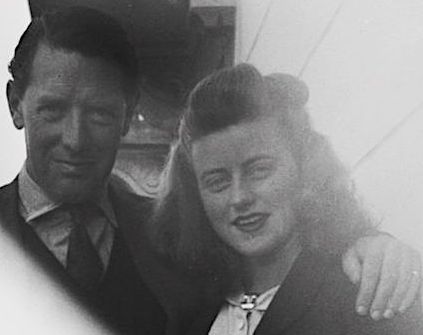
Photograph of Peter Wentworth-Fitzwilliam and Kick Kennedy by Turtle Bunbury
Peter Wentworth Fitzwilliam, 8th Earl Fitzwilliam (1910-1948), soldier, nobleman and peer, with a seat in the House of Lords.
He was born at Wentworth Woodhouse, just over the Sheffield border with Rotherham, married Olive Dorothea Plunket in 1933, and succeeded to the earldom in 1943.
In later years his marriage was said to be in disarray and heading for divorce.
His life was engulfed with scandal and, despite being married, he fell in love with Kathleen “Kick” Kennedy (Kathleen Cavendish, Marchioness of Hartington), sister of future US President John F. Kennedy, at the end of the Second World War after meeting the 28-year-old widow at the Dorchester Hotel in London.
Kennedy patriarch Joe had been persuaded to consider them marrying, but tragedy struck in 1948 as they took a premeeting holiday, and their plane crashed in France during a storm.
He left no son and the peerage moved to his second cousin once-removed Eric Wentworth-Fitzwilliam, but his fortune, including half the Wentworth Woodhouse estate, the Coolattin estate in County Wicklow and a large part of the Fitzwilliam art collection, was inherited by his 13-year-old daughter, Lady Juliet Tadgell.
Fitzwilliam is portrayed by Thomas Gibson in the television mini-series The Kennedys of Massachusetts (1990) and by Larry Carter in the film Lives and Deaths of the Poets (2011).
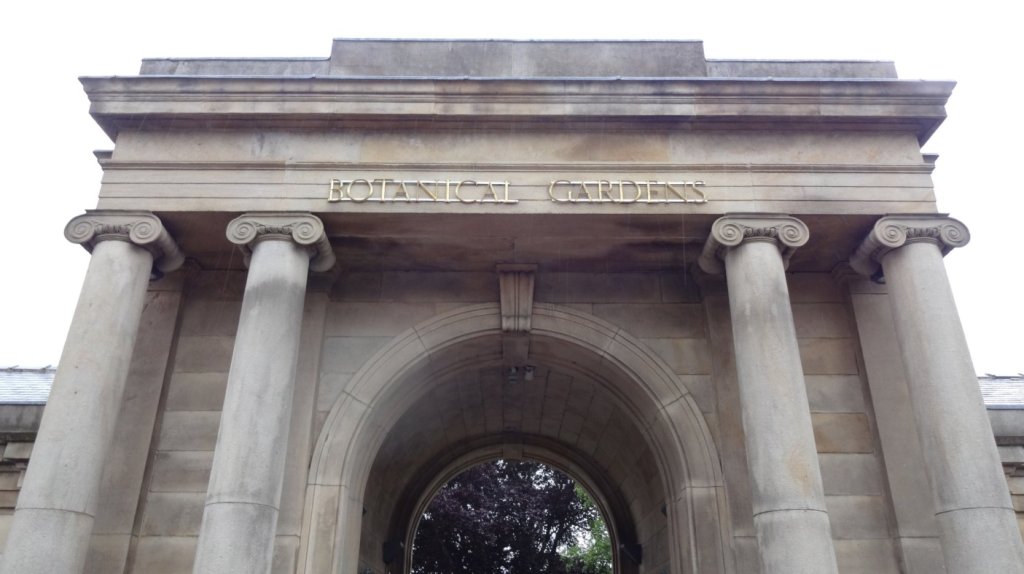
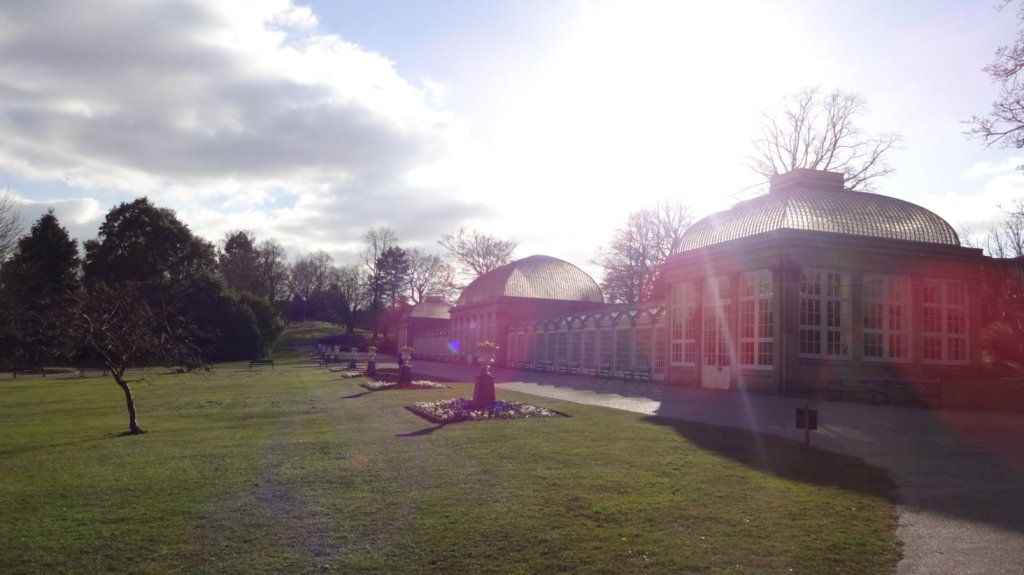
It’s a Sheffield park that we take for granted, but the story behind the Botanical Gardens is not as straightforward as we might believe. The next time you visit, spare a thought for our ancestors who probably didn’t have the opportunity.
It is Sheffield’s oldest park, with origins going back to 1833 when Thomas Dunn, the Master Cutler, called a public meeting following a petition signed by 85 local residents concerned about the lack of public open spaces and facilities to promote both healthy recreation and self-education in Sheffield. It was resolved, at the meeting, to develop a Botanical Garden.
Photograph by Sheffielder
By 1834 the Society had raised £7,500 through shares, and, having taken practical advice from Joseph Paxton of Chatsworth and Joseph Harrison of Wortley Hall, they purchased 18 acres of south facing farmland at Clark House from Joseph Wilson, head of the family of snuff makers.
“The roads to it were good, the land itself lay very well to the south, it was well sheltered and very fertile.”
Photograph by Sheffielder
The laying out of the grounds was determined through a competition, the winner chosen from a panel of judges made up of experienced gardeners – Joseph Paxton (Chatsworth), Joseph Cooper (Wentworth), Joseph Walker (Banner Cross) and John Wilson (Worksop Manor).
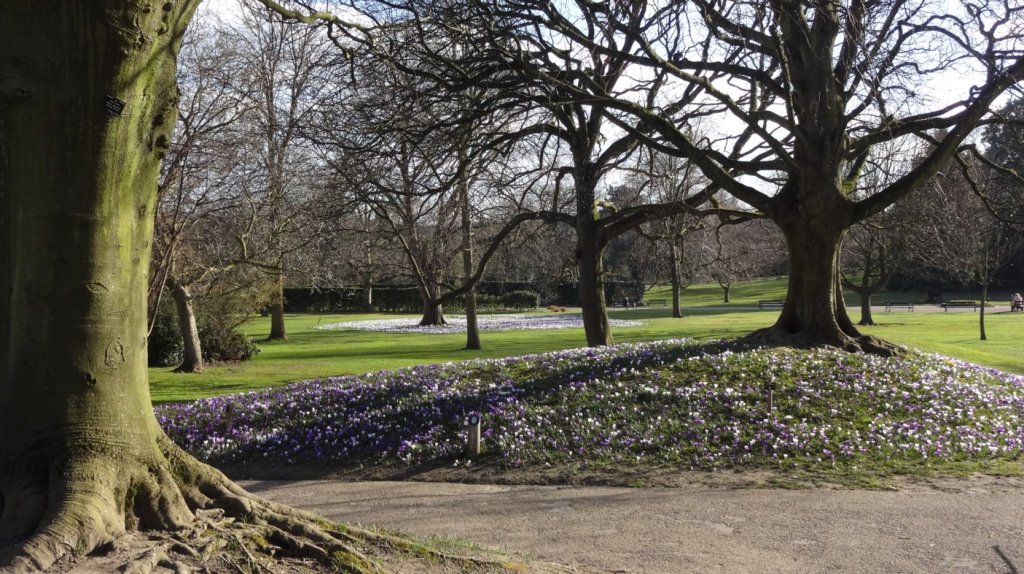
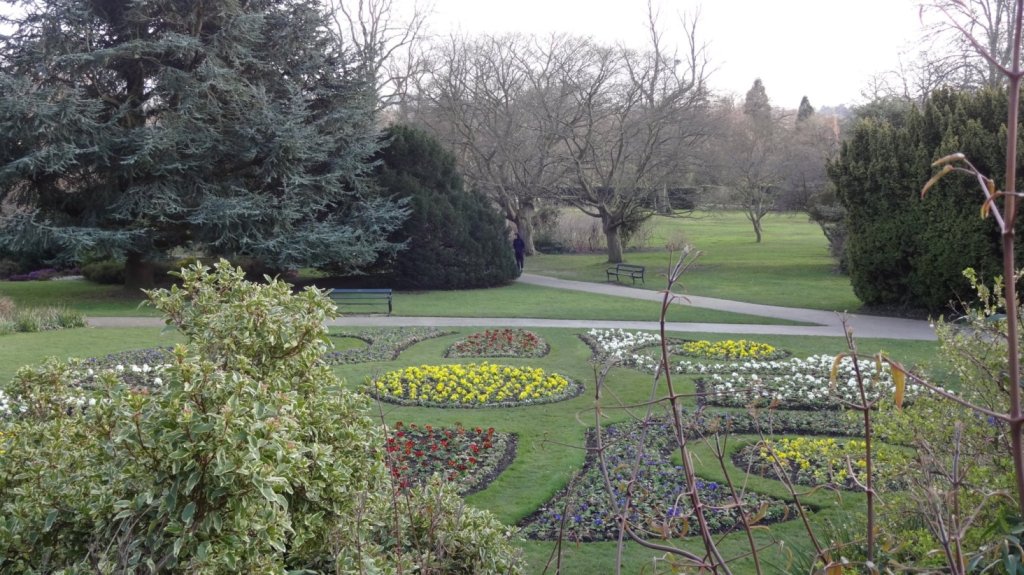
A design submitted by Robert Marnock, former Head Gardener at Bretton Hall, was chosen for the new Botanical Gardens – . “He laid out the Gardens in the then highly fashionable Gardenesque style, the main characteristic being that all the trees, shrubs and plants were positioned in such a way that each plant can be displayed to its full potential in scattered planting. The approach involved the creation of small-scale landscapes, winding paths, expanses of grass and tree-planted mounds.”
Photograph by Sheffielder
Photograph by Sheffielder
Photograph by Sheffielder
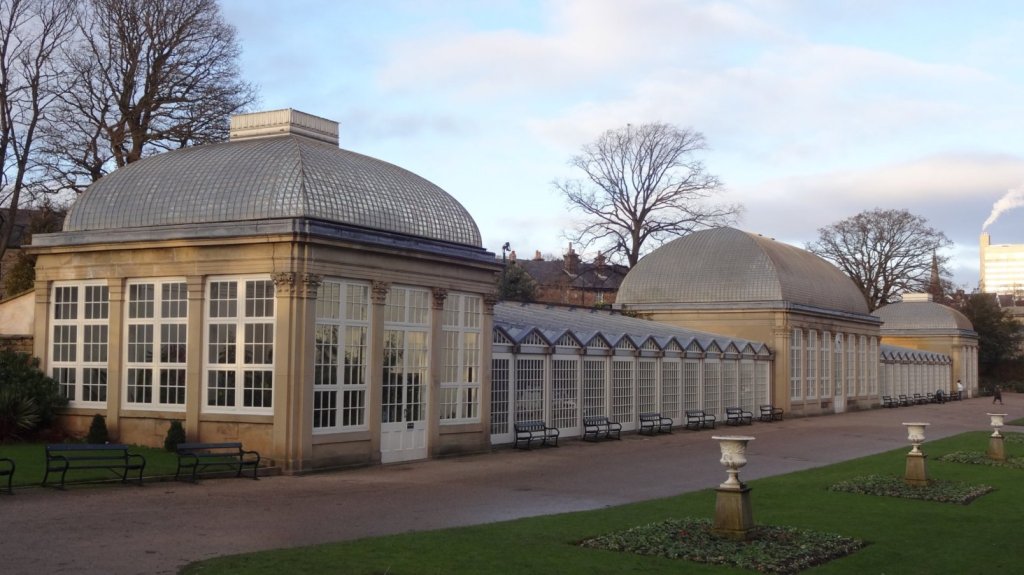
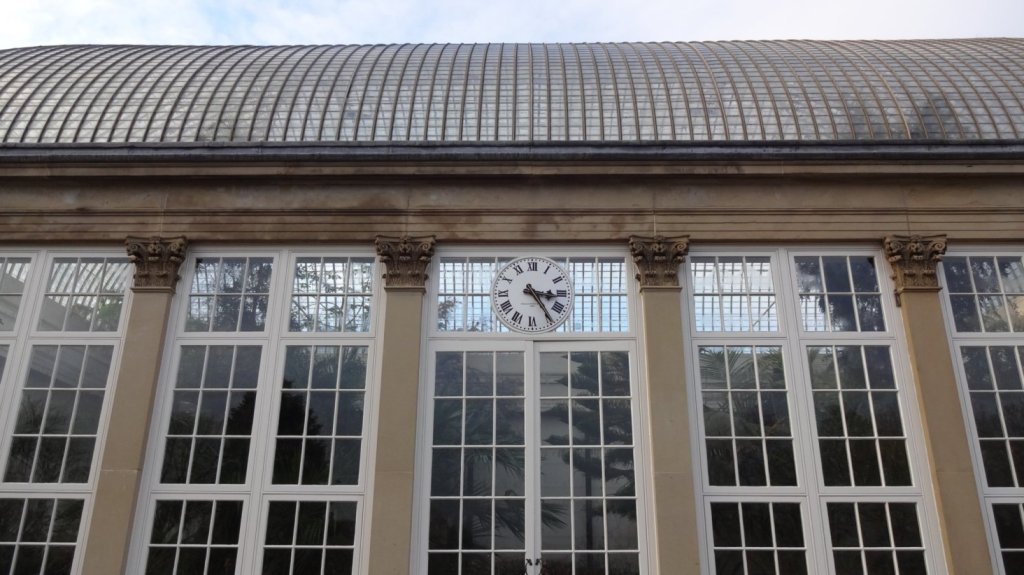
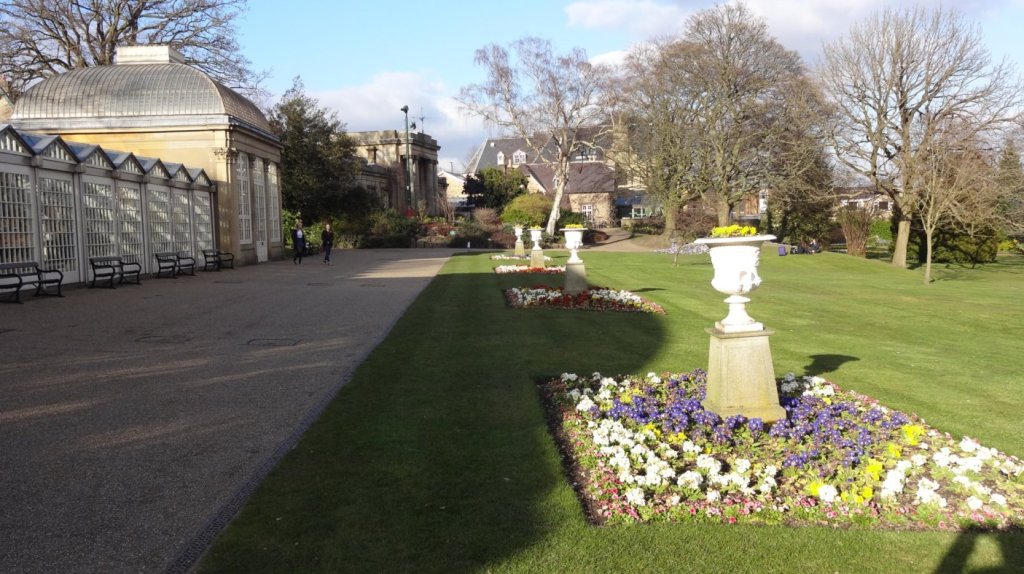
The runner-up in the competition, Benjamin Broomhead Taylor, was appointed as the architect for the buildings. The pavilions became known as Paxton’s Pavilions, hinting that these were designed by Joseph Paxton, but it is more likely that he merely offered advice in their design.
The Botanical Gardens were finally opened on the 29th July 1836, under the patronage of the Duke of Norfolk, Duke of Devonshire, Earl Fitzwilliam, Lord Wharncliffe, the Earl of Surrey and John Stuart Wortley.
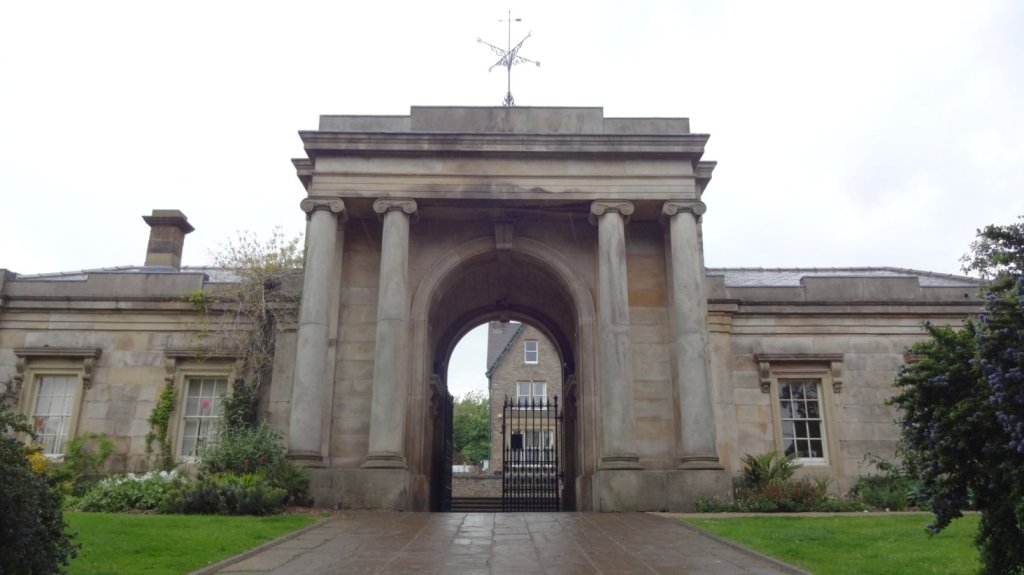
“Two excellent bands of music were stationed in the grounds, and refreshments of various kinds offered. The buildings, consisting of a lodge or grand entrance, on the left of which are the conservatories, and the residence of Robert Marnock, the Curator, are erected in a very tasteful style of architecture, which reflects the skill of Mr Benjamin Broomhead Taylor.
“The walks assume all the intricacy and mystery of a labyrinth maze, while the monkey cages, the bear’s den, the eagles’ habitation, water-works etc., give a variety to the whole.
“The gardens command a view of many miles of rural scenery, with the grand imposing appearance of the New Cemetery (General Cemetery) in front, seeming, as it were, to form a portion of the grounds.”
Photograph by Sheffielder
A few things to note here. One, is that the Botanical Gardens were built in what was then open countryside. Second, the Gardens were only open to the general public on about four gala days each year; otherwise admission was limited to shareholders and annual subscribers.
In 1839, The Gardeners’ Magazine reported that the attempt to combine a zoological garden had not succeeded. “In fact, the filth, stench, roaring, howling, and other annoyances incident to carnivorous animals, are altogether inconsistent with the repose which is essentially a botanic garden.”
Photograph by Sheffielder
Robert Marnock left the Botanical Gardens in 1840 and moved to Hackney in London. Soon afterwards, the Council of the Royal Botanic Society appointed him Curator and to lay out the grounds in Regent’s Park.
In 1844, financial problems led to the failure of the first society, but the Gardens were rescued with the formation of a second society (also known as the Sheffield Botanical and Horticultural Society) which purchased the land from the former society for £9,000. The conservatories were extended, a tea pavilion and the present Curator’s House were constructed within the succeeding decade. A period of steady development and growing international renown followed for the next 30 years.
Photograph by Sheffielder
In 1897, falling income, competition from the new free city parks and residential development in the area meant that the Gardens were in danger again. It was decided that the proprietors could not make them pay and were disinclined to maintain them. It was suggested that several of the shareholders would give their shares, and others would sell theirs, for £5 each, if the Sheffield Town Trust (dating back to 1297) would purchase the Gardens and maintain them for the benefit of the people of Sheffield.
In 1898 the Sheffield Town Trust paid £5,445 for the value of the shares, becoming owners and managers of the Gardens for the first half of the 20th Century. The Gardens were reopened without fuss on Thursday 20th August 1899, and it was then that free admission was introduced and continues today. Demolition of unsafe buildings was necessary and only the conservatory domes were repaired. The Gardens thrived until World War II, when extensive damage left the Sheffield Town Trust unable to afford the repairs and restoration required.
Photograph by Sheffielder
In 1951, a Special Committee decided that they could lease the Botanical Gardens at a nominal rent; the maintenance of the Gardens as a Botanic Garden; that no organised games or sports other than a children’s corner be permitted; that the staff of the Gardens be taken over by Sheffield Corporation.
Sheffield Corporation accepted the offer and the management of the Gardens passed to them on a 99-year lease for a peppercorn rent of one shilling per year raised to 5p a quarter in 1971. The Town Trust remains the owners of the Gardens.
With the aid of a grant from the War Damage Commission, the Council was able to instigate repairs to the domes, creating an Aviary and an Aquarium, and restoring Sheffield Botanical Gardens to their former glory. However, a downturn in the economy during the 1980s meant a severe reduction in funding and once again the Gardens were on their way to dereliction.
Photograph by Sheffielder
In 1984, the Friends of the Botanical Gardens, Sheffield (FOBS) was established as a group providing education for the public and supporting the Gardens. Practical volunteer work to help staff maintain the Gardens started in 1993.
The Friends managed to arrest the decline in many parts of the Gardens but not the listed structures, even the Paxton’s pavilions were derelict and in danger of collapse.
In 1996 the Friends set up the Sheffield Botanical Gardens Trust with the aim of applying for grants to restore the Gardens.
Photograph by Sheffielder
The Heritage Lottery Fund announced its Urban Parks Programme in January 1996. Soon afterwards, an organisation known as the Sheffield Botanical Gardens Partnership was formed to produce a bid for the Gardens. Its membership was Sheffield Botanical Gardens Trust, Friends of the Botanical Gardens, Sheffield Town Trust, the City Council and the Landscape Department of Sheffield University.
The Gardens were awarded a grand of £5.06 million, which was to be matched by £1.22 million in funds and £0.41 million in work in kind.
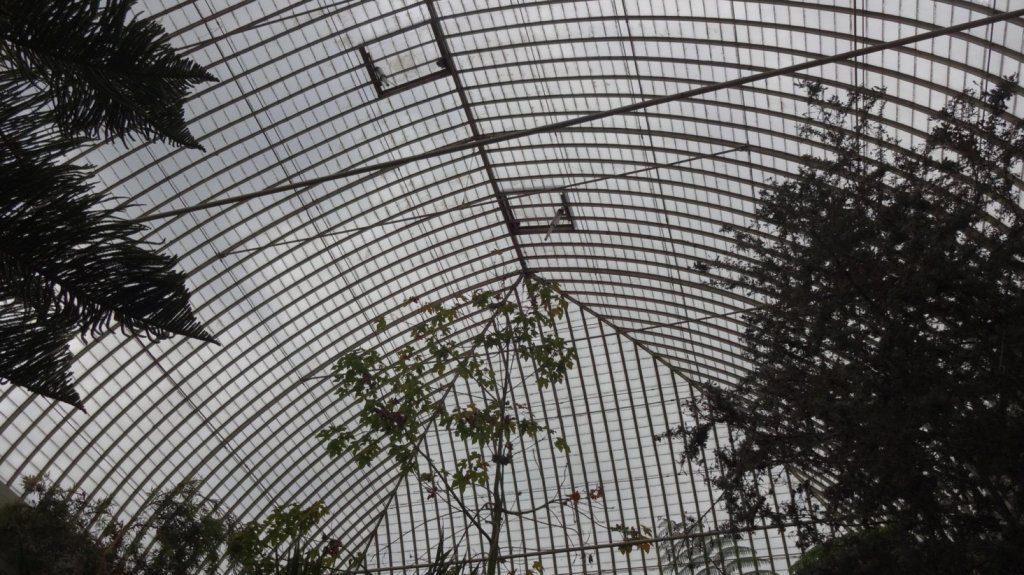
The project was designed to restore the Gardens, all the buildings and features to their 19th century condition whilst adapting to modern requirements. This included the full reinstatement of the Paxton’s pavilions to become a splendid home for frost sensitive plants from around the world.
The restored Gardens were officially opened in June 2007 at a cost of approximately £6.69 million.
(Information for this post was provided by Sheffield Botanical Gardens, Sheffield Town Trust and ‘Sheffield Botanical Gardens – People, Plants and Pavilions’ by R. Alison Hunter).
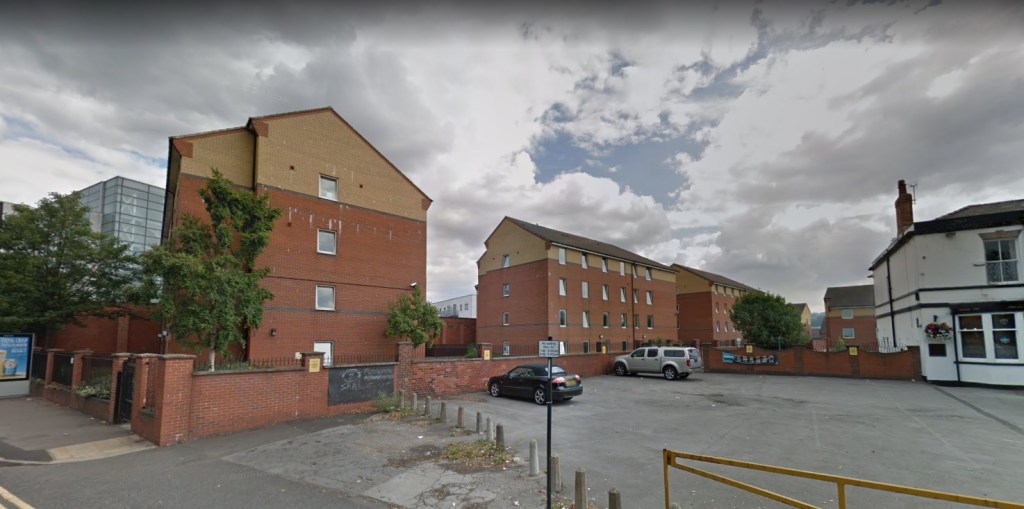
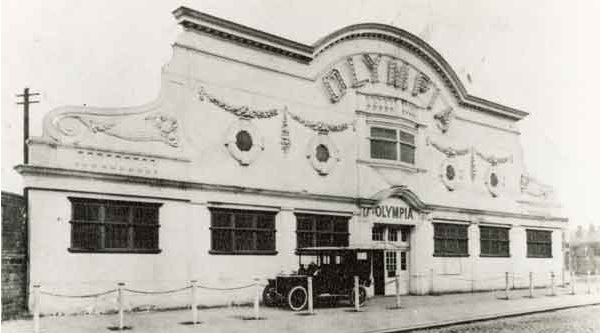
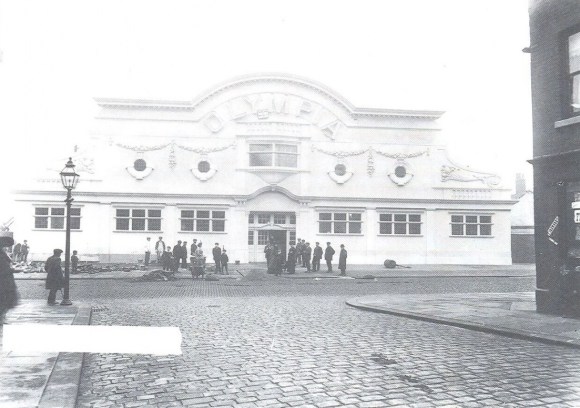
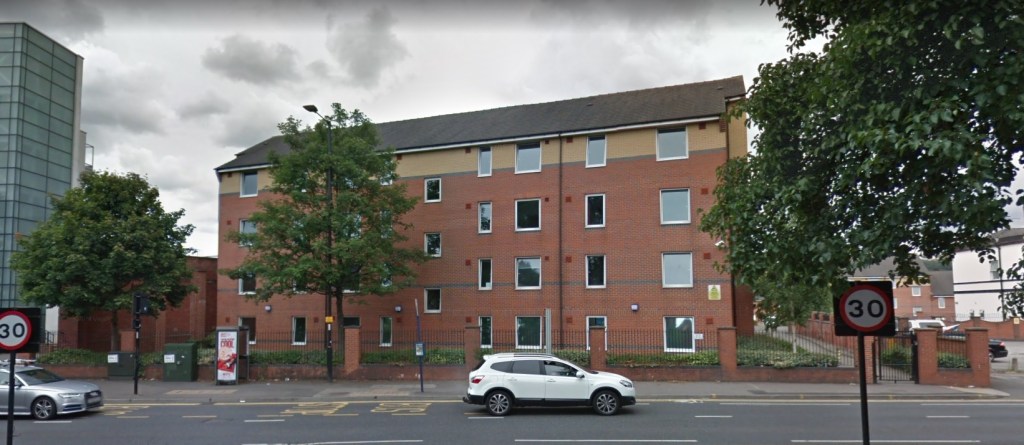
These ordinary looking student flats on Bramall Lane stand alongside the Sheaf House public house on a site that stretches towards Shoreham Street. It’s hard to imagine now, but the flats stand on the site of a remarkable building that was demolished in the 1990s.
Photograph by Picture Sheffield
Photograph by Picture Sheffield
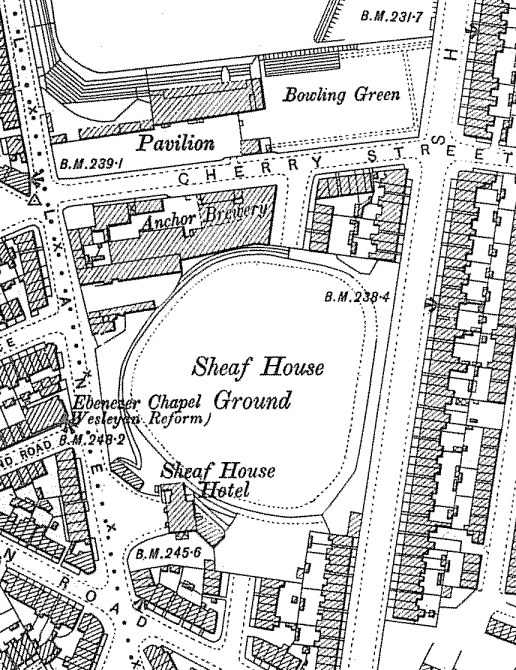
Our story begins with Sheaf House, an early 1800s private residence, probably built for John Younge – “a much-admired mansion, in a very beautiful country” – and converted into pleasure grounds and hotel in the late nineteenth century.
By the 1870s, a sports ground had been established in the former gardens, and this was where Sheffield Wednesday played some of their early games.
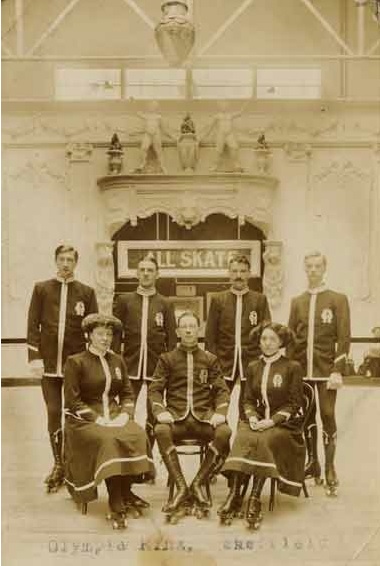
At the turn of the twentieth century it was better known as the Sheaf House Cricket Ground, home to Heeley Cricket Club, surrounded by an athletics track used by Sheffield United Harriers, as well as being home to many local sporting events.
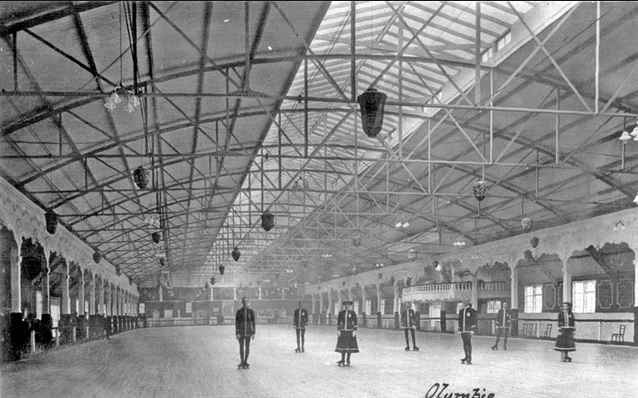
In 1909, there was dismay when it was announced that the 3½-acre sports ground had been sold, the site used to construct a skating rink.
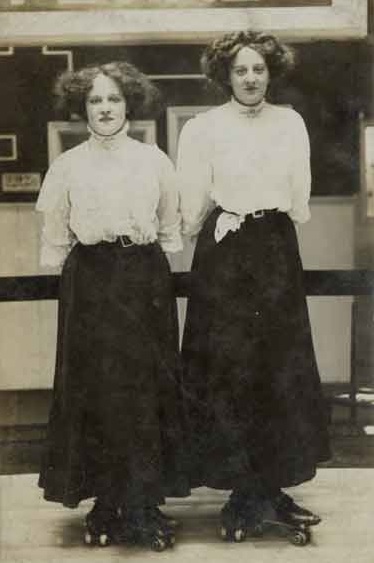
“The proved financial success and popularity of roller-skating are now beyond dispute. For the last six years almost every town of importance in America has had roller-skating rinks, which should be a guarantee that this fascinating and health-giving pastime is a permanent one and provides the means of sound investment.”
These words are taken from the prospectus of Sheffield Olympia and Provincial Rinks Ltd, a company established at 7 East Parade, with three directors – Albert Ball, JP, a Nottingham-based councillor and property developer, A.S. Fawcett, a solicitor on Queen Street and John Lancashire, Sheffield architect.
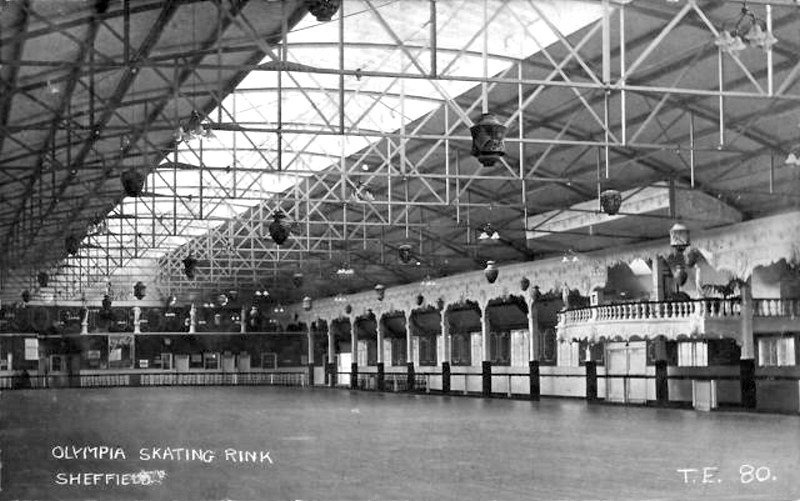
There were already roller-skating rinks in Sheffield, but the Olympia promised a better experience.
In England, the first rink to use maple-flooring and ball-bearing skates was opened in Liverpool in 1907. This was the model used for the Olympia (and other sites in Rotherham, Manchester and Nottingham).
The sports ground closed in August 1909, and almost immediately construction started on the Olympia.
It was designed by Thomas William Newbold, an architect who had spent 18 years with the Architectural Department of Sheffield Council. Newbold had gone into private practice in January 1909, probably annoyed at losing out as Sheffield City Architect a few months earlier.
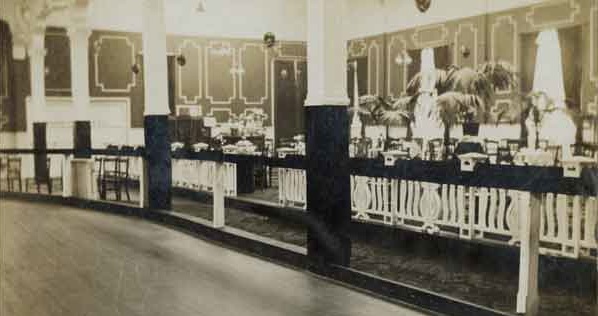
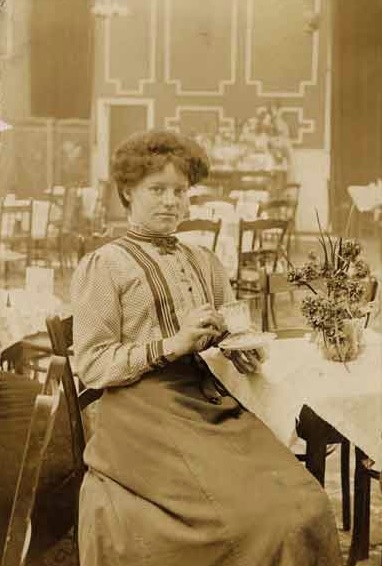
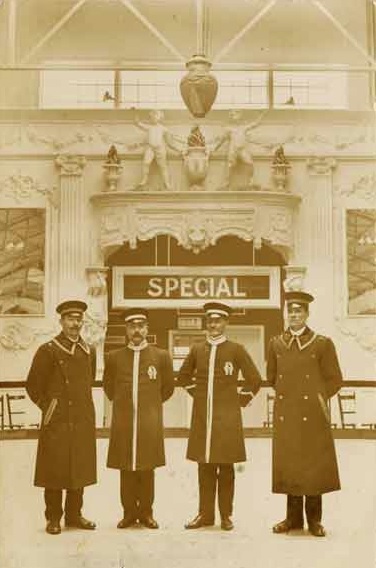
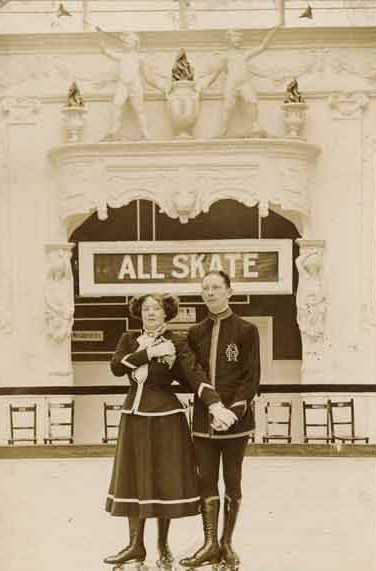
Building work was undertaken by Roper and Sons and took just eight weeks to build. It opened on 7 October 1909, with two entrances – on Bramall Lane and Shoreham Street, a “maple block soundless floor, semi-circular banked at each end, white and green decoration, statuary, palms, café and smoking lounge.” It was constructed so that in summer months the rink could be adapted for concerts, bazaars, cinematograph and other entertainments.
Photograph by Picture Sheffield
Photograph by Picture Sheffield
Photograph by Picture Sheffield
Photograph by Picture Sheffield
Photograph by Picture Sheffield
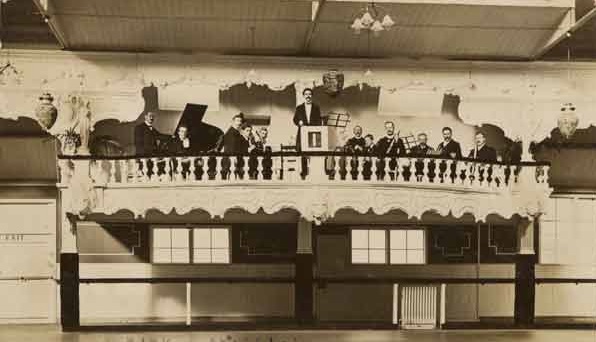
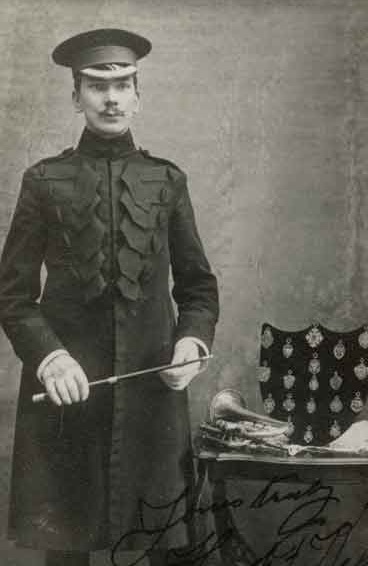
Soon after the doors opened about 1,200 people were skating, supervised by a staff of about thirty, including two lady instructors, and with “an especially good orchestra conducted by Herr S. Otto Mey.”
It is likely that the Olympia was rushed in construction to take advantage of the lucrative Christmas trade. In August 1910, just ten months after opening, the summer vacation was used to re-glaze the roof and redecorate the entire building. It also had a new manager, Mr Edgar K. Smith, who had moved from the American Rink on John Street, to replace R.W. Maude.
Photograph by Picture Sheffield
Photograph by Picture Sheffield
Photograph by Picture Sheffield
Photograph by Picture Sheffield
Photograph by Picture Sheffield
Newspaper reports from the time indicate that all was well with the Olympia, but in 1911 it was standing idle, re-opening in September as the Olympia Electric Palace Picture House, “the largest and most comfortable of its kind in Yorkshire.”
The cinema had nearly 2,000 seats, set on a sloping base that covered the centre of the hall, surrounded by a wide promenade.
The Olympia’s role was extremely short-lived, and according to the Cinema Treasures website lasted just three weeks before re-opening again as a roller-skating rink.
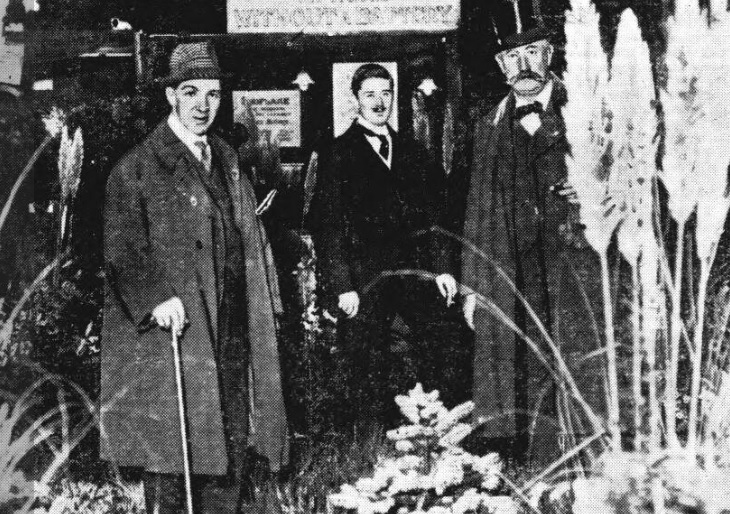
It was now Sheffield’s only place used exclusively for roller-skating, the bubble seemingly burst, and despite World War One, hosted the All-British Industrial Home Exhibition, organised by the Sheffield Independent in October 1915.
Photograph of Scottish singer and comedian Harry Lauder visiting the All-British Industrial Home Exhibition by The British Newspaper Archive.
Roller-skating continued, before the Olympia was secured by the Sheffield Volunteer Defence Corps (17th and 18th West Riding Volunteers) as their headquarters in September 1916. (Part of the building was also utilised by Royal Mail for parcel traffic during the busy Christmas period).
After the war, with no chance of it ever hosting roller-skating again, it stood empty but during King George V’s visit to Sheffield in May 1919, Olympia was used as the assembly point for a march past of troops through the city centre.
By July 1919, the maple floor had been ripped up and the building was occupied by W.E. Chivers and Sons, haulage contractors, which remained until the late 1920s.
In 1927, Arnold Laver and Company bought remaining sports ground land next door , and built the Olympia Sawing, Planing and Moulding Mills.
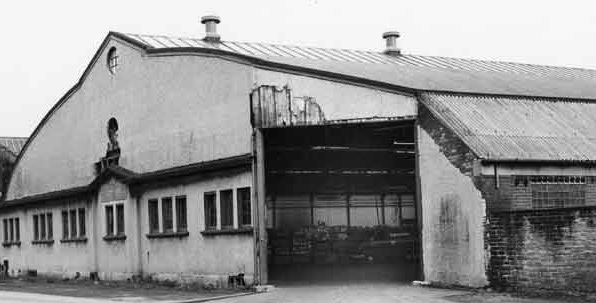
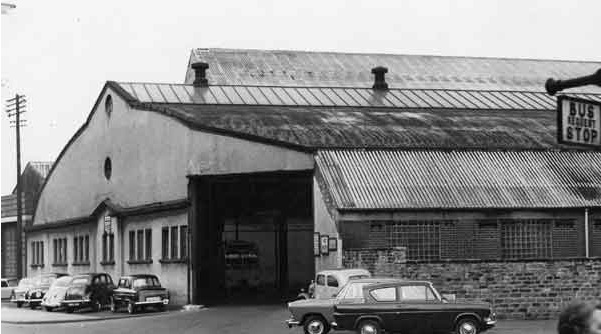
Olympia became a Sheffield Transport bus depot until 1963 and afterwards was used by the as workshops by Sheffield Council’s Public Works Department, also by Yorkshire Electricity Board.
Photograph by Picture Sheffield
Photograph by Picture Sheffield
By the time of its demolition in the 1990s, the former Olympia building looked less grand and curiously different to its roller-skating days. The reason for this might well date to the Sheffield Blitz of 1940. Sheffield United’s Bramall Lane ground was damaged by German bombs and Arnold Laver’s property was all-but destroyed, and it is very likely that Olympia suffered a similar fate and later rebuilt.
March 1927, and Sheffield’s first Sun-Ray Centre opened at the Imperial Rooms, on Pinstone Street, used for the treatment of nerve disorders, rheumatism, rheumatoid arthritis, neuritis, sciatica, lumbago, neurasthenia, insomnia and anaemia.
It might seem strange in this day of sun-bed shops and tanning parlours that such excitement was created by the opening of Dr Mark Turner’s Sun-Ray Centre.
But the difference between sun-ray treatment and modern-day sunbeds is completely different.
Sun-ray treatment was seen as a cure for ailments, with Sir George Newman, Chief Medical Officer at the Ministry of Health, proclaiming it “as one of the five great discoveries in medicine in the last two generations.”
Bodies consumed therapeutic light in one of two ways: outdoors in the natural sunshine, or indoors with artificial, electrical substitutes, known variously as phototherapy, artificial sunlight therapy, ray therapy, or actinotherapy. The latter method commonly used carbon arc, tungsten arc, or mercury vapour lamps, which produced different outputs of infrared, visible, and ultraviolet rays. Most prized among these was the ultraviolet. Referred to as ‘chemical’ or ‘actinic’ rays – notably for their use in photography – the ultraviolet rays were understood to disinfect and heal lesions and wounds by virtue of being bactericidal; to regenerate blood by increasing phosphorus, calcium, and haemoglobin levels; and to stimulate the production of vitamin D, the ‘sunshine vitamin’.
Niels Finsen, a Faroese-Danish physician who had grown up in the dim light of the North Atlantic, was fascinated by the link between sun exposure and health. He noticed that ultraviolet light could apparently kill bacteria. In the 1890s he designed the Finsen Light, a powerful electric lamp which proved effective in treating lupus vulgaris, a skin disease caused by tuberculosis bacteria.
Hearing of his work, Queen Alexandra, a fellow Dane, provided “the first Finsen lamp in Great Britain” to a hospital.
In 1903, Finsen was awarded the Nobel Prize in medicine and physiology for his work on phototherapy.
Dr Mark Turner arrived in Sheffield after setting up similar establishments at Nottingham, Lincoln and Derby. And with him came plaudits and recommendations from former patients:
“Dear Mr Turner. You will be pleased to know that I walked up and down the dining room without the aid of sticks yesterday, this after only six treatments.”
“I’m much better, so much better after suffering from Rheumatoid Arthritis, I can’t tell you what I feel like, but just watch me walk.”
“Well, it does one good to see what a wonderful improvement there is in us all; no wonder we look so bright and happy.”
Sheffield newspapers were full of stories from grateful patients, but one suspects the column inches were paid for by Dr Turner.
A month later, the Sheffield Daily Telegraph reported:
“A sensation awaited those who watched the arrival of Mrs Hannah Lindsay, of Wolseley Road, at the Sun-Ray Centre for Private Patients in Pinstone Street.
“Mrs Lindsay electrified the onlookers by walking from her car to the Treatment Rooms, instead of being carried in the hospital chair as formerly.
“A murmur of applause greeted her arrival, some of the bystanders had had the opportunity of witnessing her former visits and were enthusiastic at what they saw.
For sixteen years she had suffered from Rheumatoid Arthritis so severely as to make walking impossible, now she is really walking.”
The promotion of actinotherapy received its greatest boost in December 1928, when it was used on King George V, who was ill with pneumonia: “the ray therapy treatment would be used as a new method of attack in the difficult struggle which the doctors are waging . . . The new treatment may act as a tonic and increase the bacterial power of the blood.”
By 1928, light therapy had reached its zenith in popularity, both among the public and the medical profession. Although almost 200 clinics existed in England at this time, it was unregulated and incredibly expensive.
And, some medical professionals continued to have reservations about the treatments. A 1930 meeting at the British Medical Council discussed experiments by the Medical Research Council which found ultraviolet rays “to be no more effective than a mustard plaster”.
Despite the accolades, Dr Turner’s Sun-Ray Centre appears to have been short-lived and within a couple of years had disappeared.
For much of the first half of the twentieth century, phototherapy or “sun ray” therapy was prescribed by hospitals for children for a wide range of maladies, from chest infections to anaemia. At the same time, concerns mounted over the link between exposure to ultraviolet light and skin cancer.
By the 1960s, antibiotics and alternative treatments rendered sun ray therapy obsolete for most purposes. Targeted ultraviolet light is still used today for some skin disorders, and other types of non-ultraviolet light treatments are used to treat mood and sleep disorders.
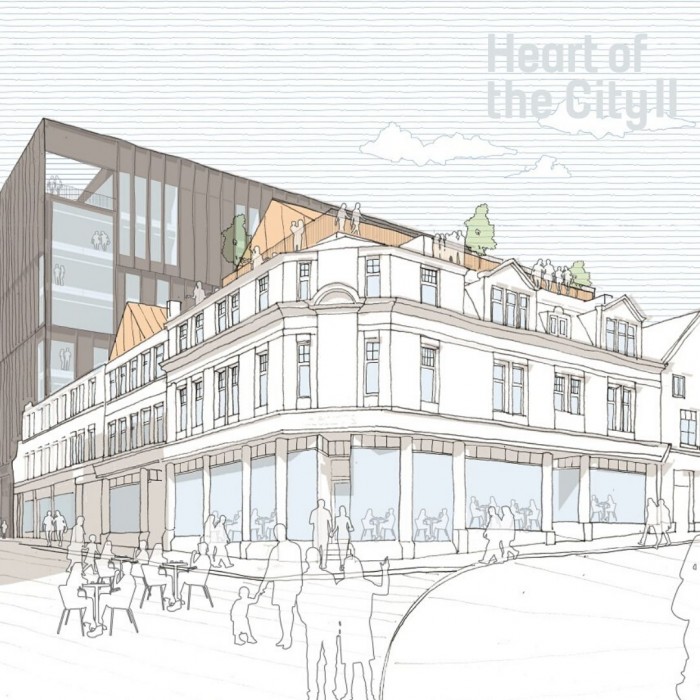
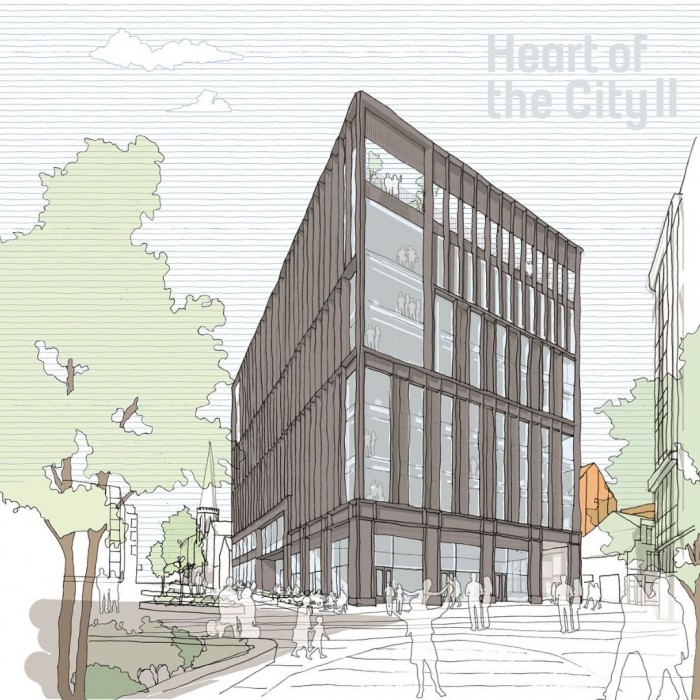
Sheffield City Council is inviting comments on proposals for the next phase of Heart of the City II, which includes (Block H: Cambridge Street and Carver Street).
The Council and Queensberry recognise that people will have questions about the next stage of the scheme. Prior to the submission of planning applications, it has published proposals and will allow people to contribute to the final plans.
A wide-ranging development is proposed for Block H of the Heart of the City II development, with three distinct elements (H1, H2 and H3).
H2 will be a new building comprising about 70,000 sq ft of grade A office space, split across seven upper floors. It will feature a south-facing roof terrace, with retail and food and beverage units on the ground floor.
Proposals for the H3 element, to be known as Cambridge Street Collective, aim to retain as much of the existing fabric and façades along Cambridge Street and Wellington Street as feasible.
Plans include a large, industrial-style space, suited to a food hall or similar sociable, communal offer. Complementary shops, a bar and restaurant, and an upper level leisure space would also be created. The existing Bethel Chapel building will also be renovated, with plans for this to become a live entertainment venue.
Photograph by Sheffield City Council
The Block H site also includes Leah’s Yard (H1), a Grade II*-listed building housing a collection of small former industrial workshops. This site is not included in the application, but plans are still at an early stage to convert the property into workshops for creative businesses. Listed building consent is being sought to undertake the structural works required to make the buildings secure.
The new plans for this block proposes retention of more original architecture than envisaged in a previous masterplan. They now include the preservation and sympathetic restoration of the fabric and façades along Cambridge Street and Wellington Street, including the listed Bethel Sunday School and Leah’s Yard, as well as the Bethel Chapel and the buildings that formerly housed Brewhouse and Henry’s Bar.
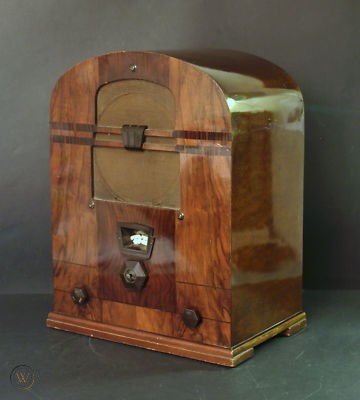
In February 1932, the advances made in wireless radio reception was demonstrated, when Stainless Stephen, a well-known Sheffield comedian and broadcast artist, opened at the Imperial Rooms, on Pinstone Street, an exhibition of Marconiphone Magic Radio Stagecraft.
Marconiphone was an English manufacturer of domestic receiving equipment, notably radio receivers and later reel-to-reel tape machines. In 1922, Marconi had set up the Marconiphone department to design, manufacture and sell domestic receiving equipment. It complied with Post Office specifications and tests, and was therefore awarded the BBC authorisation stamp.
The company was sold to the Gramophone Company in 1931, which became Electric and Musical Industries (EMI) and produced domestic radio receivers using the Marconiphone trademark until 1956.
At the event, Stainless Stephen said that in the early days of broadcasting, reception was so poor that it was difficult for listeners to tell the difference between his voice and that of a famous tenor.
A demonstration of effective radio magic followed, and similar performances were given five times daily.
The audience was introduced to the performers – standard Marconiphone models – by a young lady who apparently was able to carry on conversation with the individual models. Indeed, the models sang together the well-known chorus of Uncle Tom Cobley, chiming in with precision and great effect.
Then they combined to present various items in an amusing village concert, and there was an admirable climax introducing a soldier on sentry duty, the ghosts of his former comrades, and a swinging marching song.
Another instance of radio magic was the introduction of the various sections of an orchestra, music being played by the strings, the bass instruments, the drums etc., apparently from different parts of a stage, and precisely when requested by the main receiving set visible to the audience.
Here’s a Sheffield worthy that I bet you’ve never heard of.
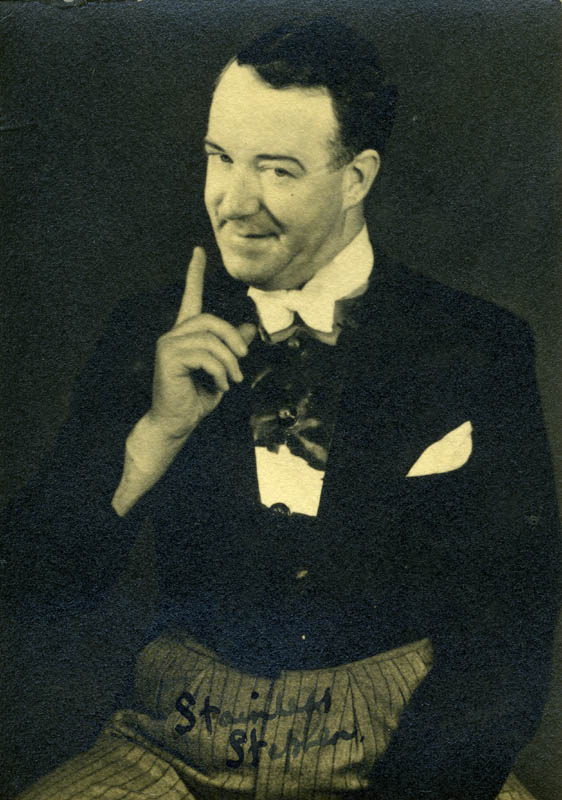
Arthur Clifford Baynes (1892-1971) was a comedian from Sheffield, who performed under the stage name of Stainless Stephen, making his debut at the Palace, Luton, in 1921.
His London debut was at the Victoria Palace in 1930.
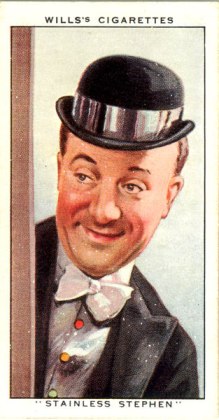
You would be forgiven for not knowing his name, for Stainless Stephen never quite made it as a top music hall comedian. He appeared on stage dressed in a smart tuxedo, a bowler hat with a steel band around it, a rotating bow tie, and a stainless steel vest, made in his home city.
He never gave up his day job, as an English teacher at Crookes Endowed School which he joined in 1922 after demobilisation from the Sheffield City Battalion, which he served during World War One, and wounded twice. His job meant he could only appear on stage at weekends and during school holidays.
Legend has it that Stainless’ lessons on Friday were always a bit light on the ground, as he spent most of the time leaving his classes to it whilst he wrote his radio material for the weekend! It was said that he based his routine on a radio course he took while on military service.
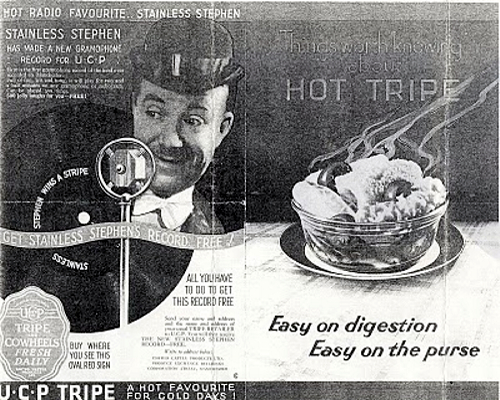
Stainless Stephen with a microphone and a record and a bowl of Hot Tripe. A special comedy record produced for United Cattle Products. Photograph by Gavin/Arkhonia
His speciality was that during his deadpan monologue, he would interrupt the flow by supplying punctuation, thus:
“Somebody once said, inverted commas, comedians are born not made, full stop. Well, slight pause to heighten dramatic effect, let me tell my dense public innuendo that I was born of honest but disappointed parents in anno domini eighteen ninety something, full stop. Owing to my female fan following, the final two digits must be left to the imagination, end of paragraph and fresh line.”
And.
“What a wonderful year 1930 was, semi-colon, said Stainless Stephen, semi-conscious. Thousands of new motorists took to the road, comma, and as a result thousands of pedestrians took to the pavements.”
As well as.
“This is Stainless aimless brainless Stephen, semi-colon, broadcasting semi-conscious at the microphone semi-frantic.”
Closing a broadcast in March 1941, he said:
“And so, countrymen, semi-colon, all shoulders to the wheel, semi-quaver, we’ll carry on till we get the Axis semi-circle, and Hitler asks us for a full stop!”
Photograph by HistoryForSale
In 1932, he was voted the most popular radio artist in a newspaper poll, appeared in the all-star extravaganza, Radio Parade (1933), a film of music hall acts, and supported Will Hay at the Victoria Palace in 1944. Throughout World War Two he toured Europe and the Far East and appeared at the London Palladium’s Royal Command Performance in 1945.
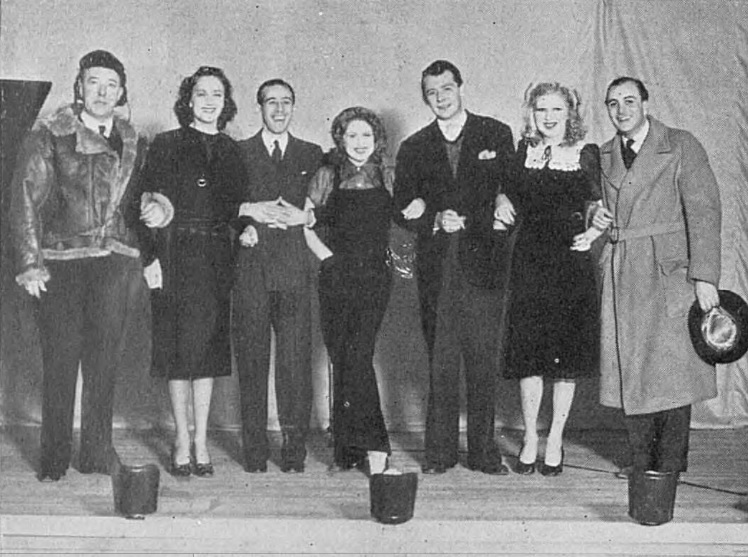
Famous radio stars entertain the RAF during World War Two. From left to right are: Stainless Stephen, Eve Beck, Eddie Pola, Renee Houston, Donald Stuart, Shirley Houston, and Frank Baron.
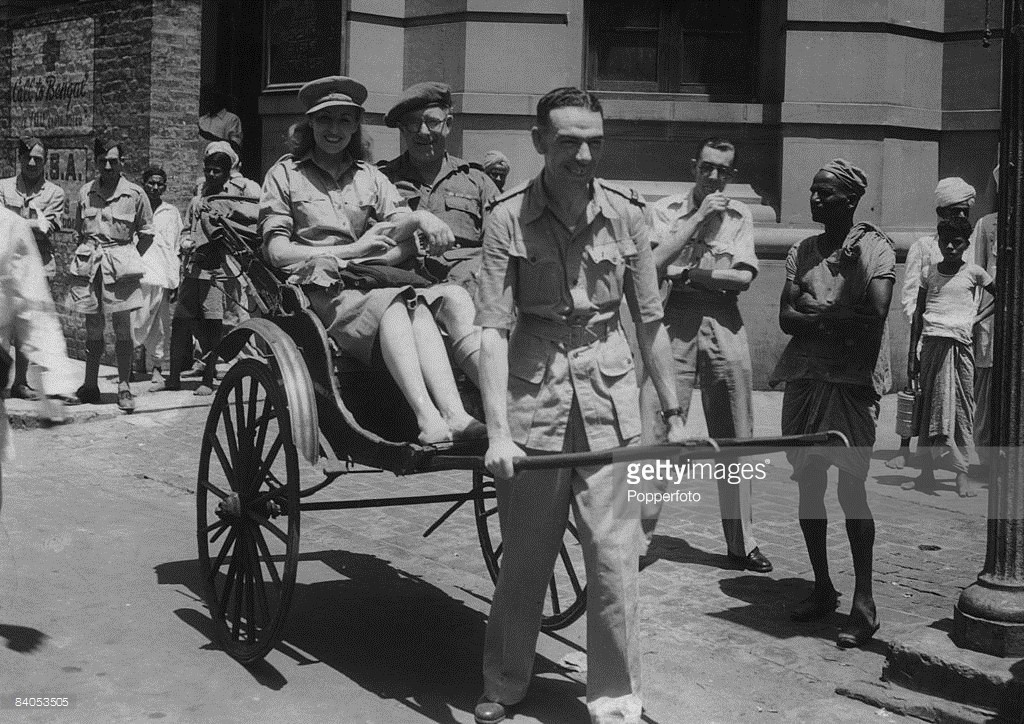
Vera Lynn and comedian Stainless Stephen riding in a rickshaw pulled by Lynn’s pianist Len Edwards, during an ENSA tour of India to entertain British troops, Calcutta, India, 1944. Photograph by Getty Images.
Stainless Stephen also appeared as a guest on This Is Your Life, celebrating the life of broadcaster Stuart Hibberd, in 1957, and in Frost on Saturday in 1969, an edition dedicated to the history of British broadcasting to mark the first evening of colour transmissions on ITV.
Stainless Stephen retired in 1952 describing himself as “stainless, painless, brainless, shameless, aimless, semi-conscious and approaching semi dotage.” He ran a 125-acre farm with his son, Ian, at Chiddingstone Causeway, Kent, where he died in 1971.
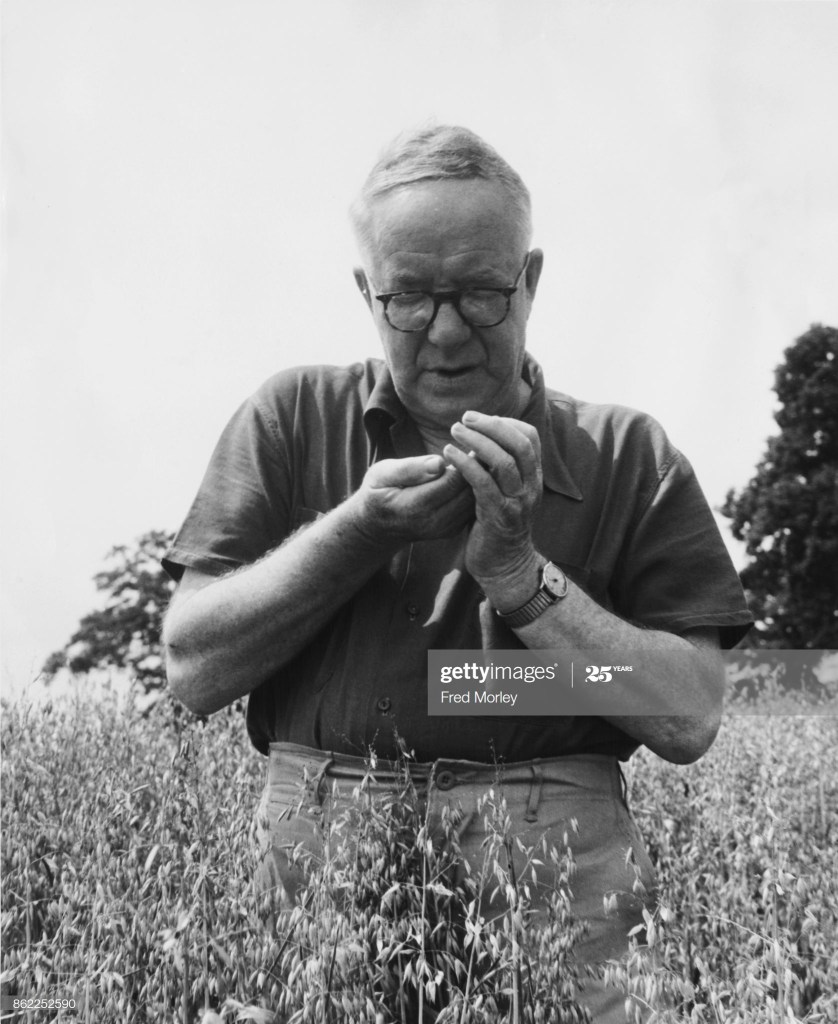
Arthur Clifford Baynes, who gained fame as comedian Stainless Stephen, inspects a crop of winter oats at his farm in Chiddingstone, Kent, in 1957. Photograph by Fred Morley/Fox Photos/Hulton Archive/Getty Images
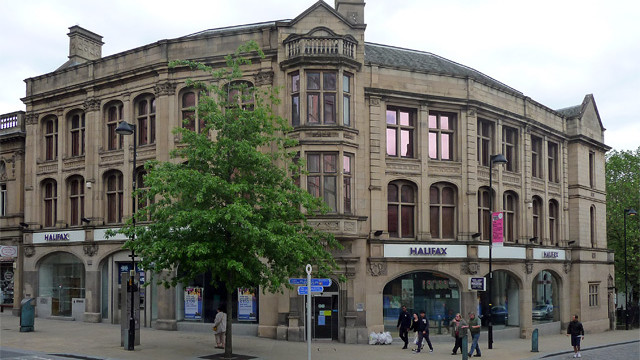
Good news for the Bainbridge Building on the corner of Norfolk Street and Surrey Street.
The proposed redevelopment of the former Halifax Bank to create a new hotel and restaurant has been given the go-ahead.
Mitchells & Butchers, supported by WYG and Design Coalition, submitted an application to Sheffield City Council at the end of 2019 for the former bank on Surrey Street.
The building, which is not listed, was originally constructed in 1893-1894, with the structure behind the façade rebuilt in 1977-1978. It has remained vacant following the closure of the Halifax Bank in August 2017.
The application covers the conversion of the property to create a restaurant at ground floor and basement levels and a hotel on the upper floors.
The restaurant is set to operate as a Miller & Carter Steakhouse and comprise 187 covers. It will be located within the former banking hall on the ground floor, with additional covers at basement level.
A total of 20 hotel rooms are set to be created on the upper floors, along with a reception area and a manager/night porter office.
It has been estimated that the development would create 62 jobs (29 full-time and 37 part-time positions). The £2.36m conversion and fit-out of the building is expected to support the creation of further roles.
The building was commissioned by Emerson Bainbridge, a mining engineer consultant and philanthropist, following the death of his wife, Jeffie. It was erected as a memorial to her and opened by the Duke and Duchess of Portland in 1894.
The first floor formed a shelter for waifs and strays, and a large suite of offices on the second floor were given to the local branch of The Society for the Prevention of Cruelty to Children, of which Bainbridge was a committee member.
The ground floor consisted of shops that were let out to tenants in order to raise revenue to support the rent-free premises above.
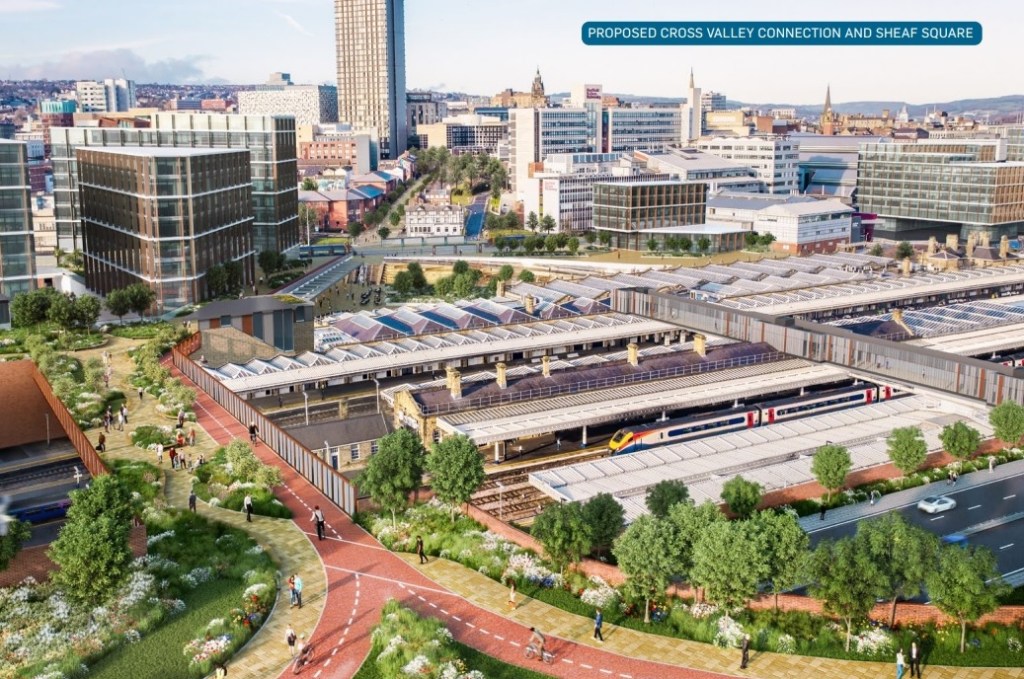
Photograph by Sheffield Midland Station and Sheaf Valley Development Framework.
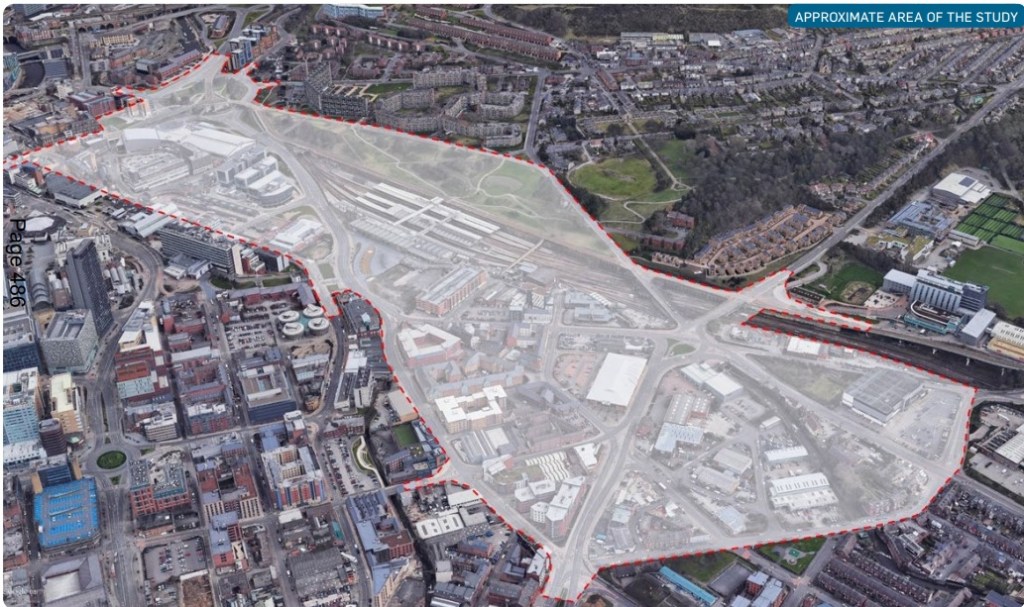
I don’t think anybody saw this coming. Sheffield’s biggest ever development project – a £1.5bn plan to develop the area around Sheffield Railway Station, dwarfing the £480m Heart of the City II scheme.
The plan is to maximise the economic potential of the area and make the most of HS2, and will now go out for public consultation.
The idea stems from plans for HS2 trains to stop at Sheffield Station on a loop off the mainline which were recently given the green light by the government.
Sheffield City Council would co-ordinate the project, with funding coming from several organisations including the city council, HS2, SYPTE, Transport for the North, Network Rail, Sheffield City Region and the Department for Transport. The bulk of the costs – up to £1bn – would be from the private sector, which would build offices, restaurants, bars and potentially a hotel.
Photograph by Sheffield Midland Station and Sheaf Valley Development Framework.
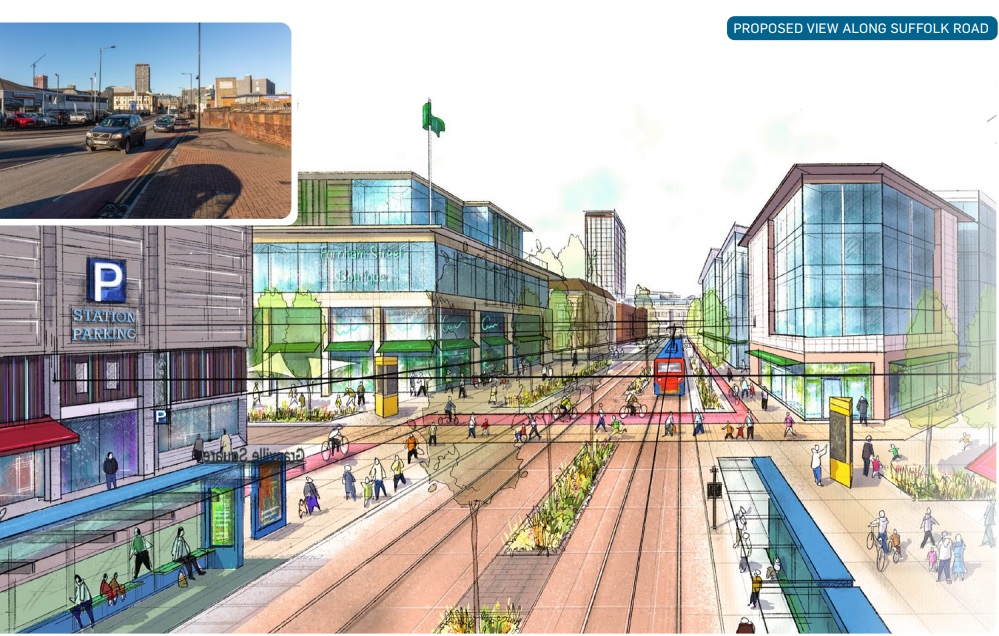
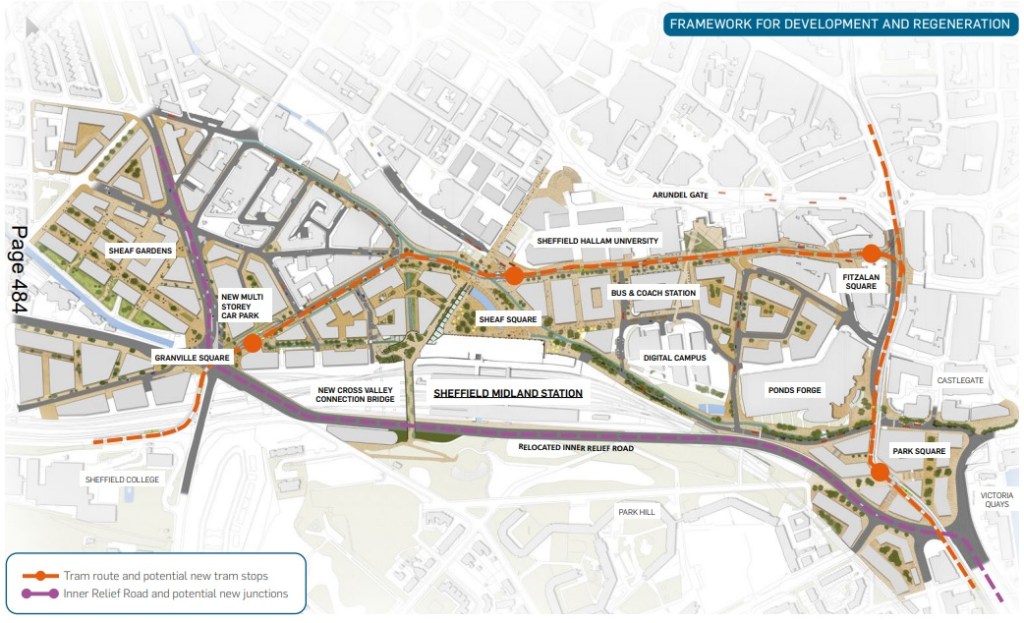
The project would see the closure of Park Square roundabout and Sheaf Street – the dual carriageway that runs in front of the station – would swap places with the tram route that runs behind.
A huge, landscaped pedestrian bridge would link Park Hill with Howard Street and the multi-storey car park on Turner Street would be demolished and moved further away.
It would be replaced by an office block – one of up to 12 planned in the ‘Sheffield Valley’ zone, including four outside the station, employing up to 3,000 people.
Up to 1,000 homes – flats and houses – could also be built.
Photograph by Sheffield Midland Station and Sheaf Valley Development Framework.
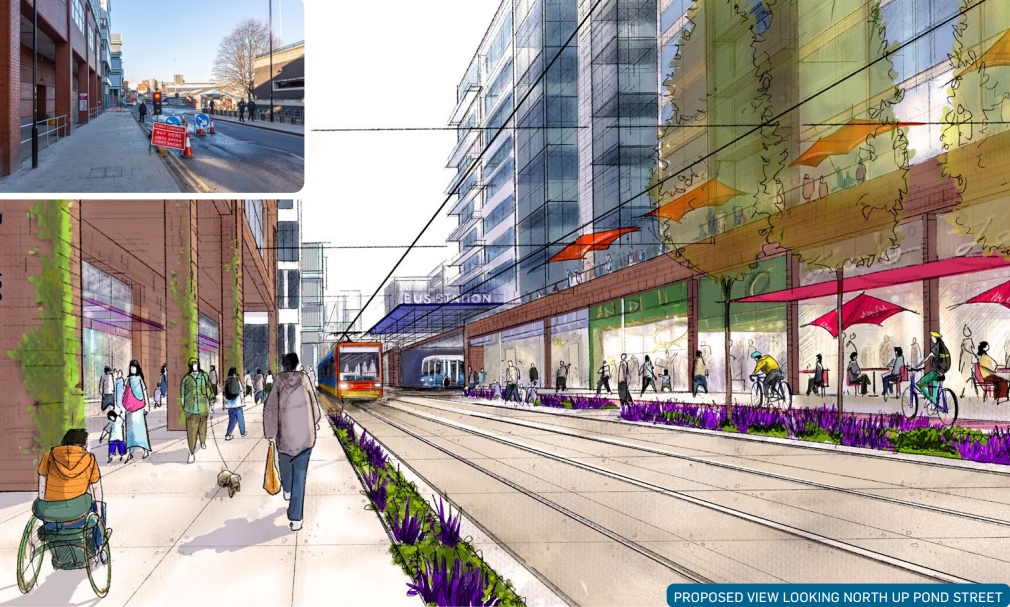
The new tram route would run from Fitzalan Square, along Pond Street, stop outside the station and continue along Suffolk Road to Granville Square.
The bus station on Pond Street would be reduced in size to make room for the tram tracks and offices on stilts potentially built on top.
Photograph by Sheffield Midland Station and Sheaf Valley Development Framework.
Park Square roundabout and Sheaf Street would become a park and link into the Grey to Green scheme at Victoria Quays, Castlegate and West Bar.
Under the plans the ‘Q park’ would move to the Wren-DFS site on nearby St Mary’s Road.
There would be a new, sheltered, taxi rank next to the station, but the taxi ‘stacking’ area would be moved ‘slightly further out’ improving access for drop-offs and people with mobility needs.
The area between St Mary’s Road, Queens Road and Sheaf Gardens, currently home to businesses including a Pure Gym, would be a new residential centre for up to 700 homes, with a further 300 spread throughout the area.







 sheffielder.net