Categories
People

“There was a tremendous explosion as a bomb landed outside the Stage Door.”

Henry Hall performed regularly on BBC Radio during the British dance band era of the 1920s and 1930s

If there had been radio DJs in the 1920s and 1930s, then Henry Hall would have been the equivalent of Terry Wogan, or Ken Bruce. But there were no such things as DJs, and the adoration that existed belonged to bandleaders like Henry Hall, who brought music to the BBC’s infant airwaves.

Henry Hall (1898 – 1989) was born in Peckham, South London, and had no connections with Sheffield. He played from the 1920s to the 1950s, and in 1932 recorded the song Teddy Bear’s Picnic which gained enormous popularity and sold over a million copies.

Hall became bandleader of the BBC Dance Orchestra, and from 5.15 each weekday he gathered a huge following with his signature tune ‘It’s Just the Time for Dancing’ and usually ended with ‘Here’s to the Next Time’.

In 1937, he left the BBC Dance Orchestra to tour with his band, and this brings us nicely to Thursday 12 December 1940. 

It was the Second World War, and Henry Hall and his Band were in Sheffield to play at the Empire Theatre on Charles Street at its corner with Union Street.

What follows next is an extraordinary account of wartime Sheffield that I stumbled upon while reading Hall’s autobiography – Here’s to the Next Time – that was published in 1955.

“On Wednesday evening I had supper after the show in the Grand Hotel (now the site of Fountain Precinct) with Jack Buchanan and Fred Emney, who were rehearsing for the forthcoming pantomime. We talked, I remember, of how Sheffield should be quite safe, as it was protected by having a decoy village built some distance outside the town.

“The following evening the warning went, and the German bombers missed the decoy completely and began to bomb the centre of Sheffield!

“One of the first incendiaries landed in front of the Empire just before we were due to appear. The manager, Fred Neate, dashed round and asked me to play one number, then announce that there was a fire and would the audience please leave as quietly as possible. 

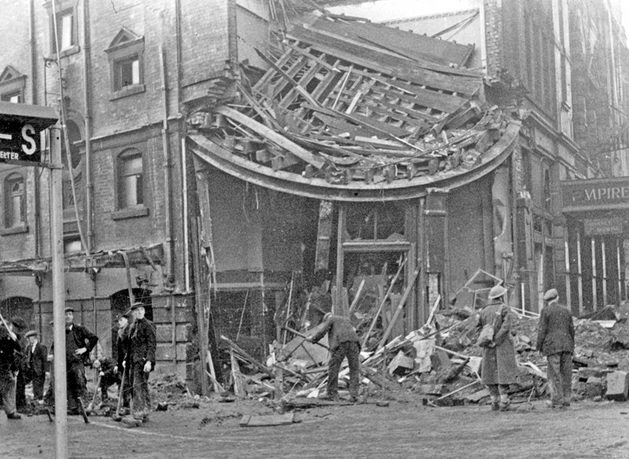
“I walked on to the stage and said, ‘We should like to play you the popular song, Six Lessons from Madame Lazongo,’ and almost before we began there was a tremendous explosion as a bomb landed outside the Stage Door, wrecking the side of the theatre. 

“Luckily the stage itself stayed put, so we finished the number. I made the announcement as requested and we went into one of Freddie Mann’s comedy numbers, The Musical Typist, while the audience left in a hurry. It was a very fast number, but it had never been quite so fast as Freddie played it that night! 

“We stood in the safest looking corridor for some three hours until there was a lull, and then I made a dash for the Grand where I was staying, only a few hundred yards away. 

“Just before I reached the hotel the bombs began to fall again, and I was literally blown through the swing doors to land on the foyer carpet. When I had recovered sufficiently I joined the rest of the guests in the restaurant, which was thought to be directly under the main block of the hotel and consequently the safest place.

“As soon as the all clear sounded, about seven in the morning, I went to the theatre to try to make arrangements. It was out of commission, transport everywhere was disorganised and no trains were running. I left a notice asking all who could to meet outside The Sheffield Daily Telegraph Office at 10.30, when there would be transport to Chesterfield. Then I dashed back to the hotel to try to arrange it. 

“Because of the dislocation of communication, I had to do it by six ‘phone calls. I rang the stage manager on one exchange, he rang a friend, and so on, until someone got through to Chesterfield and brought a coach over. 

“With all my journeys between theatre and hotel, the orchestra had lost all trace of me, and were astounded when I arrived for the coach – my constant disappearances had led to me being ‘posted missing.’ 

“However, we got safely to Chesterfield, caught the midday train to Bristol and arrived at midnight just in time to hear their sirens beginning to blow!”
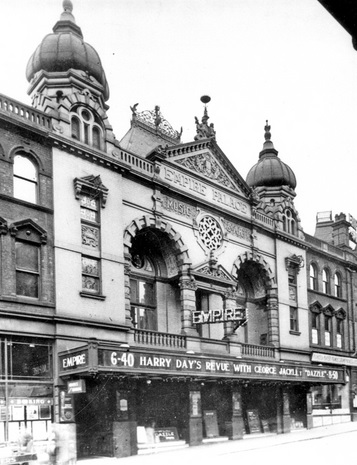
Empire Theatre, Charles Street. Opened 1895. Closed May 1959 and demolished the following year. Image: Picture Sheffield
Air raid damage at the Empire Theatre. Image: Picture Sheffield

How lucky most of us are to have never witnessed such scenes!

This story leads to one that my dad told me recently,  and would have taken place at the same time that Hall was desperately arranging his transport away from Sheffield.

He was eleven, and the morning after, walked with his Aunty Vera from Milton Street to Grimesthorpe to make sure that her boyfriend Jim’s family had survived. 

“At the top of The Moor, Woolworths was a sheet of fire, and there were bodies laying in the road, and that was a sobering sight. But I realised that they weren’t bodies after all,  but were actually mannequins that had been blown out of the shop.

“Pinstone Street was closed for access, and so we diverted along Union Street but found it blocked by rubble from the Empire Theatre that had collapsed into the road. We climbed up and over the debris before continuing along Norfolk Street, into Fitzalan Square, then down Haymarket and on to the Wicker. Most buildings were ruined and ablaze.

“At Wicker Arches, a bomb had gone straight through the railway line and through the bridge without exploding (the repairs still visible today), but we still managed to get through, and there was a place on Spital Hill that had wooden chairs piled high and had caught fire and were well ablaze.

“We walked all the way to Grimesthorpe and after finding that the Wells family was safe, walked all the way back again.”

Alas, for the Empire Theatre, it lost one of its two turrets which capped the towers on either side of the facade, and buildings on either side of the theatre were destroyed. It closed in May 1959 after being sold to a developer and was demolished two months later. 
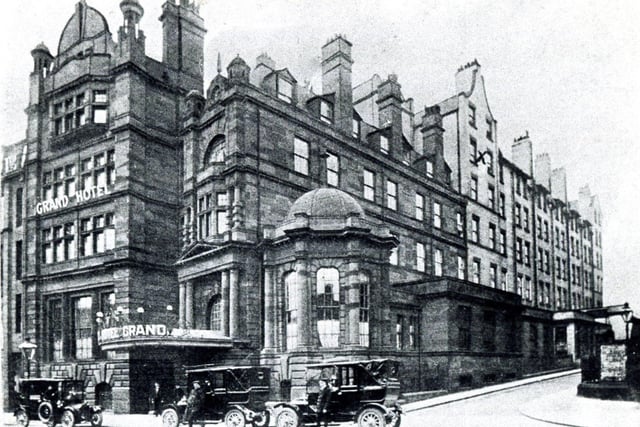
The Grand Hotel, which fronted onto Balm Green in the city centre, is seen here in its early days from the Leopold Street side. Image: Charlie Smith
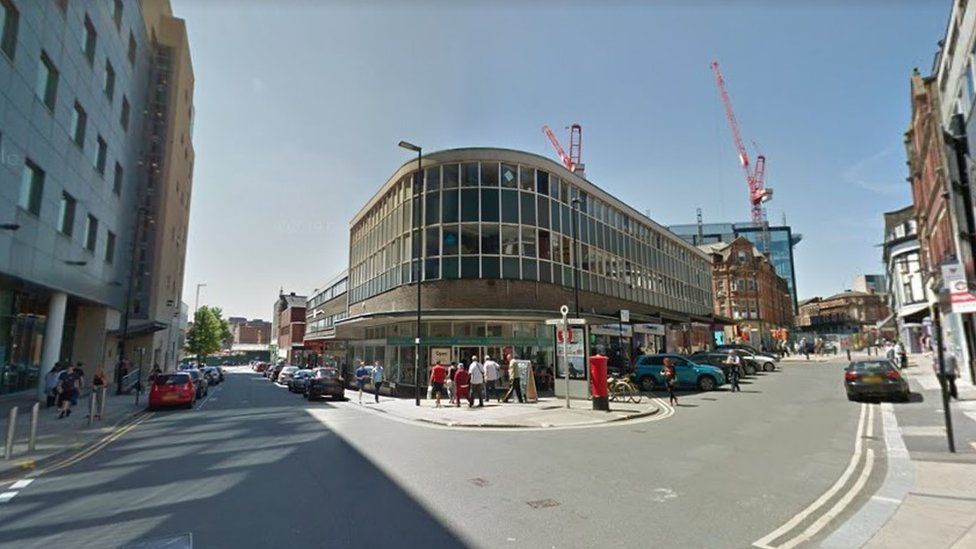
Former site of the Empire Theatre at corner of Union Street/Charles Street

© 2024 David Poole. All Rights Reserved.

Categories
Sculpture

Balm Green Gardens: “We shall always be proud of this garden, because it is not only a gift for all time.”

Design of Covid Memorial willow tree sculpture. Image/Sheffield City Council

If all goes to plan, Sheffield will reveal its official Covid memorial in the spring.

The sculpture will sit within the planted garden at Balm Green Gardens, on Barker’s Pool, and provide a focal point to the space for people to pay their respects and place tributes and memories and be a symbol that people from all cultures can understand and relate to and be accessible to everyone.

The existing Balm Green Gardens will be upgraded alongside this project, including creating better accessibility for anyone with a disability.

The winning commission, chosen out of 14 entries, is by George King, an architect and sculptor, of George King Architects, who submitted a positive and confident application. He will use stainless steel to create a design based on a willow tree and has already begun work on creating the sculpture.

The unique memorial will be a meaningful, long-lasting, and creative tribute to those who have lost their lives, those who have worked above and beyond to keep people as safe as possible and those who have been affected by Covid.

“When we thought about Covid and how the pandemic affected so many people, the willow tree idea was powerful to us,” says George.

“A willow has a strong trunk which symbolises how people worked together to create the strength that was needed at such a difficult time. It is also a flexible and resilient tree, whilst also being delicate.

“When a storm hits, the tree bends with it. Its long branches sweep all the way to the ground and when it rains the droplets fall all the way down the branches like tears to the ground.

“When you stand underneath a willow tree you feel embraced and protected.”

The memorial will be constructed using cast or fabricated metal to reflect the city’s heritage and will include other durable materials. Its design will allow people to connect with it either by reading the stories and messages it holds or by attaching temporary messages or ribbons.

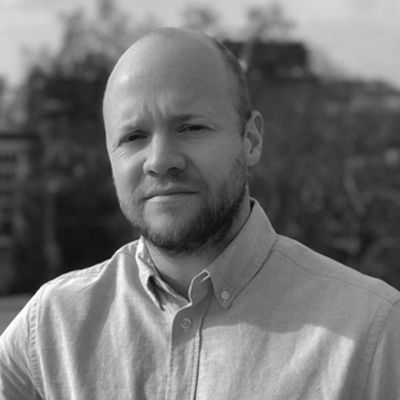
George King. Image/George King Architects

George King is an award winning chartered architect who has worked on projects in Europe, US, Australia, the Middle East, and Russia.

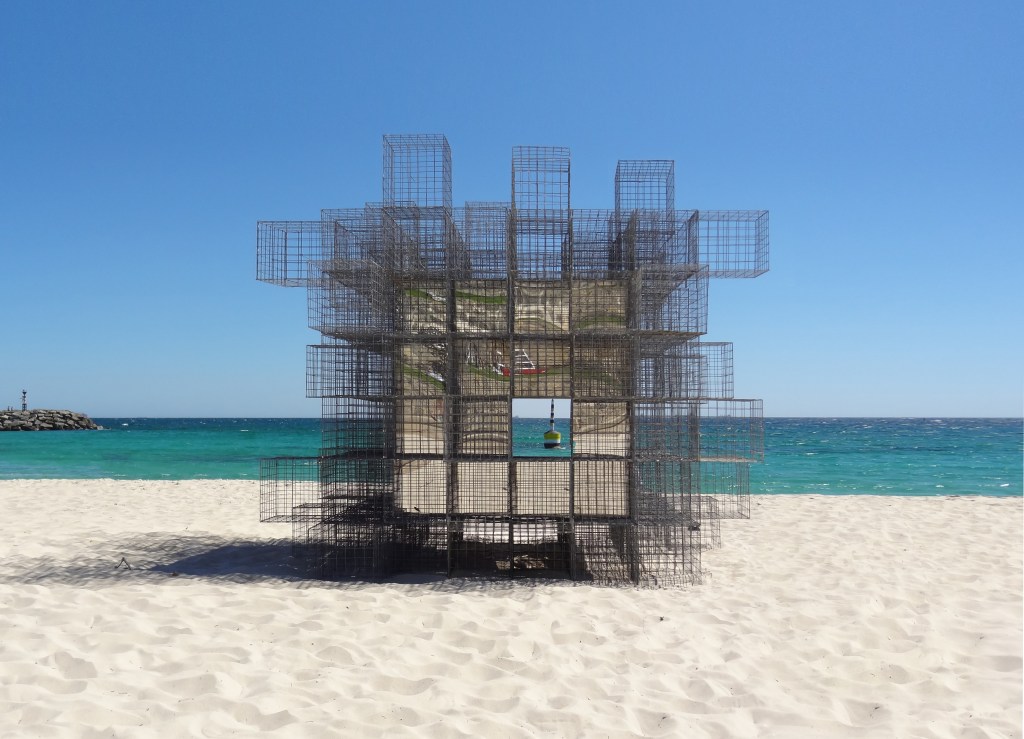
Prior to forming GKA, George was senior architect at Zaha Hadid and has exhibited at the Royal Academy of Arts in London, Detroit Design Festival, London Festival of Architecture and Sculpture by Sea where his design, House of Mirrors, won the Andrea Stretton Memorial Invitation.

George has taught extensively, both at Undergraduate and Master’s level, leading programs at Lund University in Sweden, The Bartlett School of Architecture in London and Monash University in Australia. He currently runs an undergraduate studio at The University of Greenwich.

Following the House of Mirrors’ successful first showing in Bondi, George King’s sculpture won the Andrea Stretton Memorial Invitation which included an opportunity to create a piece for Sculpture by the Sea in Cottesloe 2015. Image/George King Architects

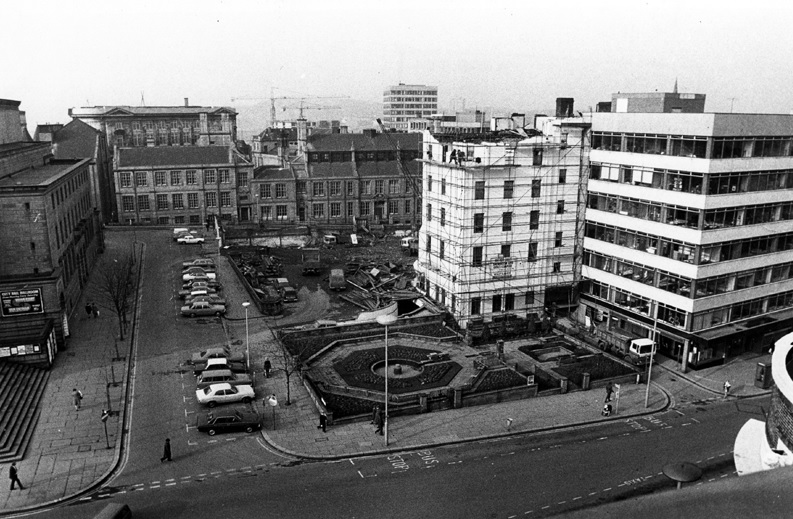
Balm Green Gardens, also known as Barker’s Pool Garden and Fountain Square, is 400 square yards in size, and would never have been created had it not been for the opening of the City Hall in 1932.

The land was owned by the adjacent Grand Hotel, the plot used as a carpark enclosed with advertising hoardings. But J.G. Graves, that famous city benefactor, thought it was an “eyesore”, obstructing the view of the splendid new City Hall from the Town Hall and the top of Fargate.

His solution was to negotiate the purchase of the land from the hotel and gift it to Sheffield.

“It will, I hope, provide a note of quiet sympathy which will be in harmony with the feelings of those who visit the War Memorial in the spirit of a visit to a sacred place.” – J.G. Graves (1937). The gardens will now provide a sympathetic space of a different kind. Image/Colloco

©2022 David Poole. All Rights Reserved.
Categories
Late Night Tales

Late Night Tales – ‘Oh, how I love you honey hush’

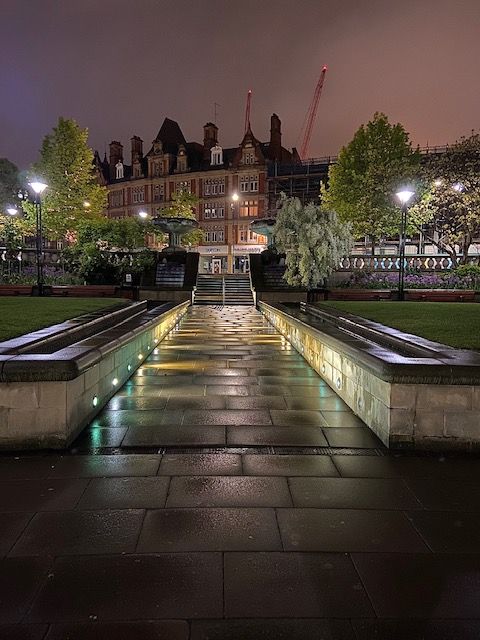
Peace Gardens. Image: DJP/2022

This photo reminds me of a story brought to my attention a few years ago by Michael Dolby. It is rather a sweet late night tale.

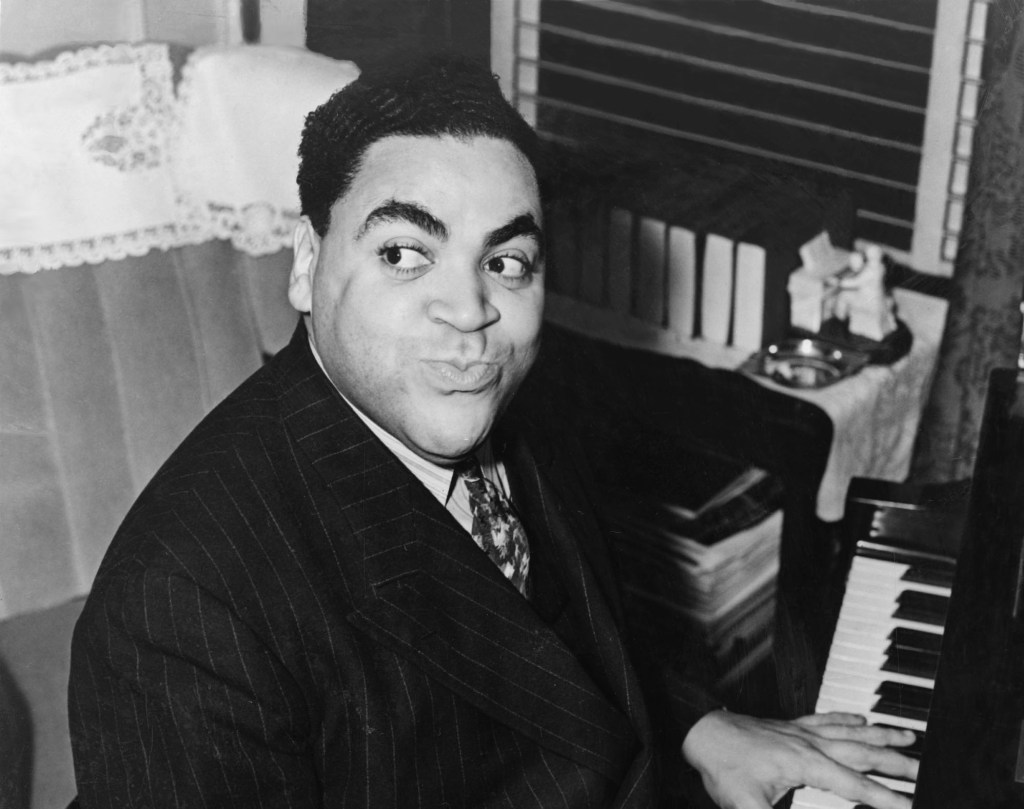
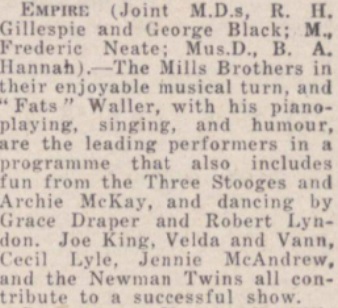
In 1939, the American jazz pianist and singer, Fats Waller, played his first European concerts with a tour of the Moss Empire’s theatre circuit. One of those dates included a performance at Sheffield’s Empire Theatre on Charles Street.

“I will never forget how on a tour of the English provinces we were playing the Empire Theatre, in Sheffield,” Fats once wrote. “After theatre is our usual time for relaxation and following dinner, I roamed restlessly through the beautiful park there. At dawn the birds awakened, and out of their lively chirpings one short strain stood out. I went back to the hotel, and by ten o’clock that morning, with the aid of some delicious Amontillado sherry, we had finished ‘Honey Hush.’ You see, it’s fifty percent inspiration and fifty percent perspiration.”

The song was co-written by Ed Kirkeby and recorded in New York later that year.

Fats Waller (1904-1943)

Legend says that the ‘beautiful’ park was the Peace Gardens, laid the year before, in 1938, but known then as St Paul’s Gardens, in recognition of St Paul’s Church that had been demolished.

But there are also suggestions that the park might have been the Botanical Gardens.

I can confirm that Waller played the Sheffield Empire that year, and that he stayed at the Grand Hotel on Leopold Street. Therefore, it seems more than likely that the park was indeed the Peace Gardens, at least that’s what I’d like to believe.

And so, in the middle of the night, when the Peace Gardens are deserted, sit down, listen carefully, and remember this story.

Sheffield Empire. The Stage. May 1939

©2022 David Poole. All Rights Reserved.  
Categories
Buildings Streets

Leopold Street

Work in progress. The pedestrianisation of Leopold Street (above), Pinstone Street, and Surrey Street, will create a traffic-free Town Hall Square. (DJP/2021)

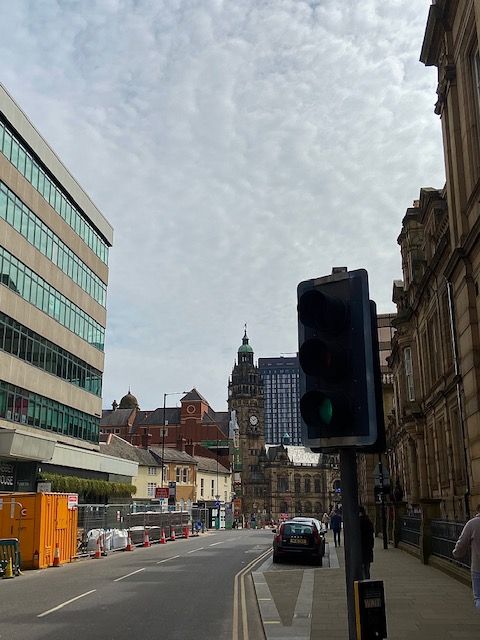
Our city centre is at a crossroads. The city is in flux and a street that highlights it most is Leopold Street. Buses no longer run along here, and all traffic is halted mid-way. Sheffield is going car-free, and with it our streets become soulless. Nothing is sadder than a street about to undergo pedestrianisation. It is blocked with traffic cones and concrete barriers and unsure what it wants to be.

As far as Sheffield streets go, Leopold Street is relatively new, a pet-project for town planners in 1873.  Back then, access to Fargate and Pinstone Street was via Church Street, along awkwardly narrow Orchard Street, to its junction with Orchard Lane, and dog-legged towards what is now the top of Fargate.

Its making was the result of Sheffield Corporation’s three-street development scheme – the creation of Surrey Street, Fargate improvements, and the construction of ‘modern-day’ Pinstone Street. A new road was needed to link these streets with Bow Street (the road that became the bottom of West Street) and a link between old Sheffield Moor and Shalesmoor.

A long-standing road, South Street, was swept away, the land around it cleared, and the large sloping site bounded by the proposed new road, Orchard Lane, Holly Street and Bow Street (West Street) earmarked for educational purposes. It became the site of Firth College (1879), School Board offices and the Central School (both 1880). Of course, we now know these buildings as the Leopold Hotel and Leopold Square

By May 1880, half its length had been completed, 60-feet wide from Bow Street to Fargate, paved in wooden blocks, and converted to macadam in 1883.

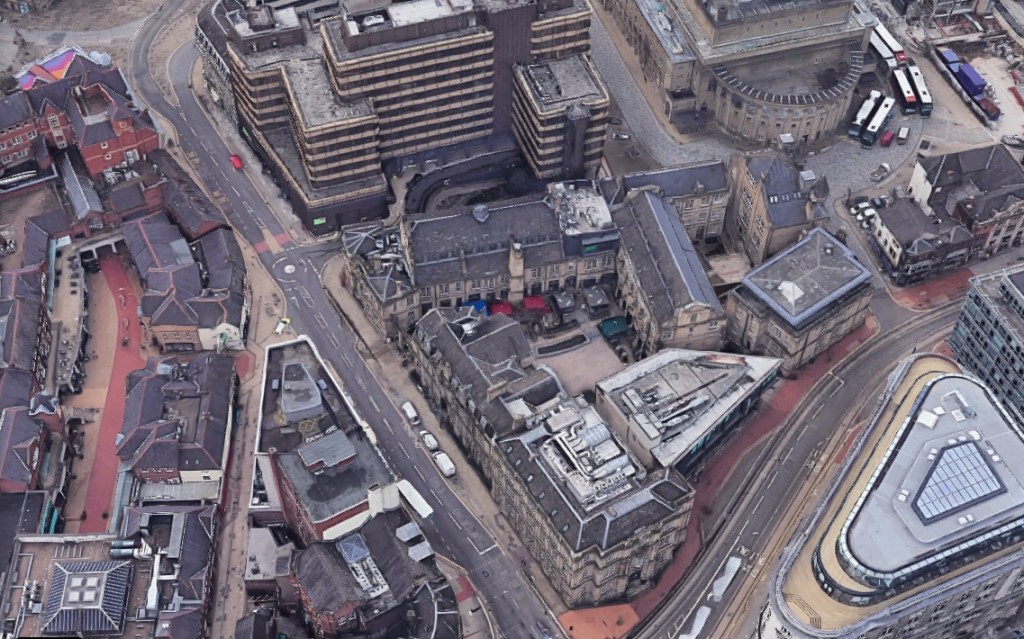
Aerial view of Leopold Street. The Leopold Hotel and Leopold Square are centre. Before 1880, the main route between Church Street and Fargate was along narrow Orchard Street, to the left, which curved at its junction with Orchard Lane (where the mini-roundabout is today). The top-end of Orchard Street (near to Fargate) was absorbed into Leopold Street. (Google)

The Watch Committee recommended that the new street be named after Prince Leopold, Duke of Albany (1853-1884), eighth and youngest son of Queen Victoria, who had opened Firth College in October 1879.

The addition of the Sheffield Medical Institution on the other side of the road in 1888 prompted one expert to say that Leopold Street would become a “street of institutions.”

It never became a street of learning. Firth College and the Medical Institution were the foundation stones for the University of Sheffield and moved away. By the late 1970s, the old education buildings were in decline, mostly unoccupied, but spared the fate that befell the nearby Assay Office and Grand Hotel, both demolished, and replaced with office blocks.

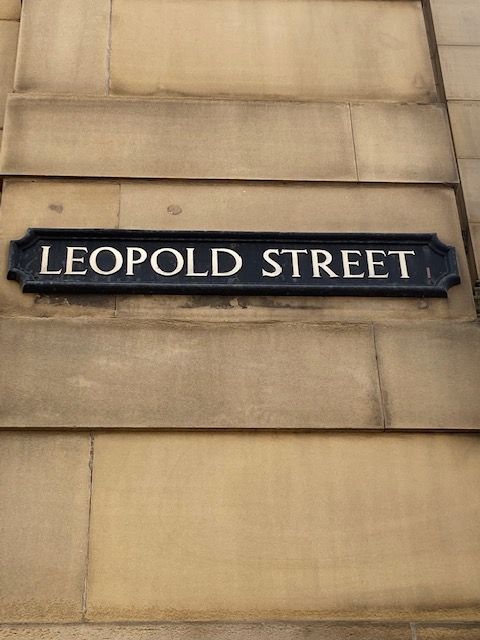
A street sign on the wall of what was once Firth College, at its junction with West Street, and now part of the Leopold Hotel. (DJP/2021)

© 2021 David Poole. All Rights Reserved.
Categories
Places

Barker’s Pool Garden

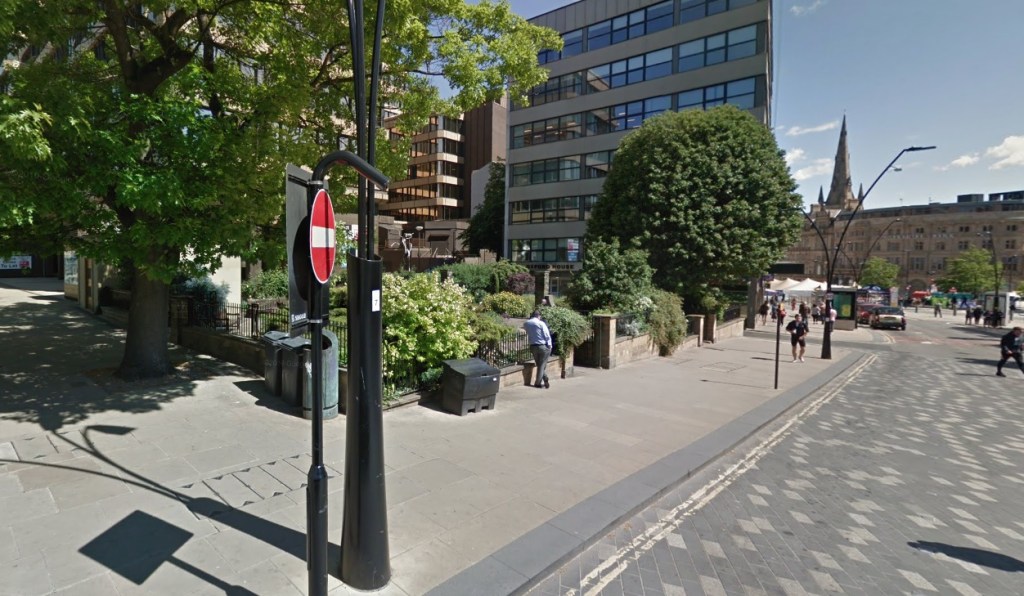
Photograph by Google

It is the “garden at the heart of the city”, and yet, the small plot at the corner of Barker’s Pool and Balm Green has never officially been named. It has been here since 1937, but these days most folk barely give it the time of day.

Barker’s Pool Garden, Balm Green Garden and Fountain Square are three of the names that have been attributed to it. However, when J.G. Graves, to whom Sheffield owes so much, attended the opening in 1937, he thought it unnecessary to give a name to the garden, but he had in mind its proximity to the City War Memorial.

“It will, I hope, provide a note of quiet sympathy which will be in harmony with the feelings of those who visit the War Memorial in the spirit of a visit to a sacred place.”

Photograph by Picture Sheffield

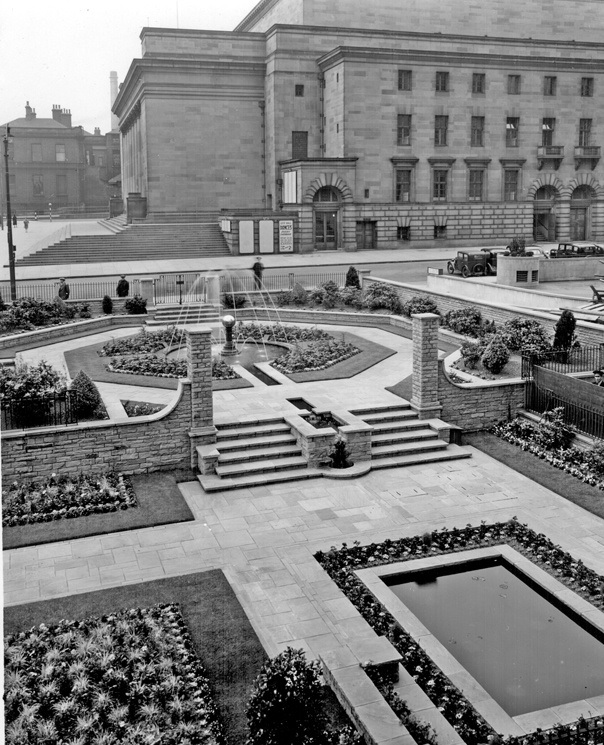
This garden, 400 square yards in size, would never have been created had it not been for the opening of the City Hall in 1932.

The land was owned by the adjacent Grand Hotel, the plot used as a car-park enclosed with advertising hoardings. But to J.G. Graves, it was an “eyesore”, obstructing the view of the splendid new City Hall from the Town Hall and the top of Fargate.

His solution was to negotiate the purchase of the land from the hotel. He paid £25 a square yard and outlined his plans in a letter to the Lord Mayor, Councillor Mrs A.E. Longden: –

“When planning the new City Hall, the architect, in order to give due importance and dignity to the elevation, placed the front of the building at some distance from the existing building line.

“This, of course, enhanced the architectural appearance of the Hall, but has had the incidental result of obstructing a view of the Hall from Fargate and the Town Hall corner, as is partially done now by the hoarding which surrounds the intervening plot of vacant land, and if in due course a tall building should be erected on the plot referred to, the possibility of a view of the City Hall from Fargate and the Town Hall would be completely lost.

“I feel it would be a misfortune if, through lack of action at the present time, building developments should proceed which would permanently deprive the city of an impressive architectural and street view at its very centre.

“With this in mind, I have arranged to buy the plot of land in question at its present day market value, with the intention of establishing thereon a formal garden, already designed by an eminent firm expert in this class of work.

“With this explanation I have the pleasure of offering the piece of land as a gift to the city, together with the garden which I propose to have established thereon at my own expense, and with the condition that the garden shall be maintained by the Corporation in as good a state as it will be when it is handed over on completion of the work.”

Photograph by Picture Sheffield

The gift was a personal one, not connected with the Graves Trust, and duly accepted by Sheffield Corporation.

In 1937, the Grand Hotel announced proposals for extensive alterations and to place their principal entrance on Balm Green. The whole of the corner was now thrown open and the new garden would later adjoin the forecourt to the Grand’s main entrance, running from Barker’s Pool to the building line of the hotel.

Photograph by Picture Sheffield

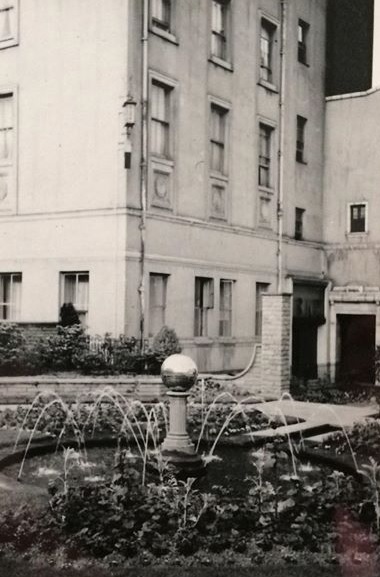
To complete the scheme the Grand Hotel management decided to reface the whole of the side of the hotel with a material approximate to the colour of the stone of the City Hall.

Photograph by Hazel Hickman

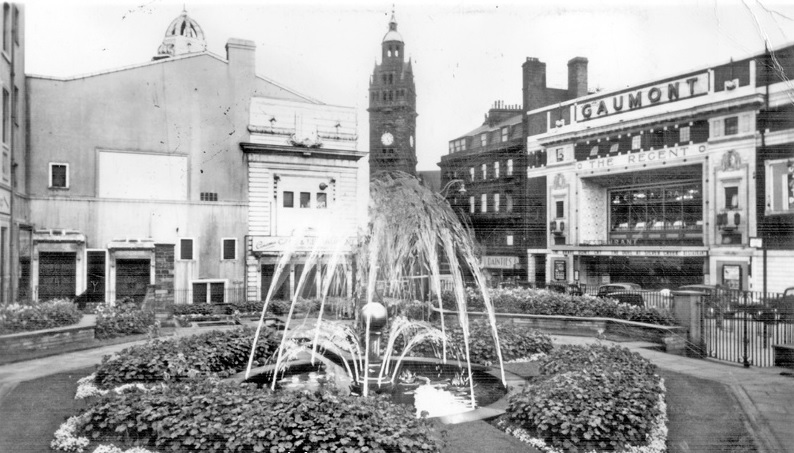
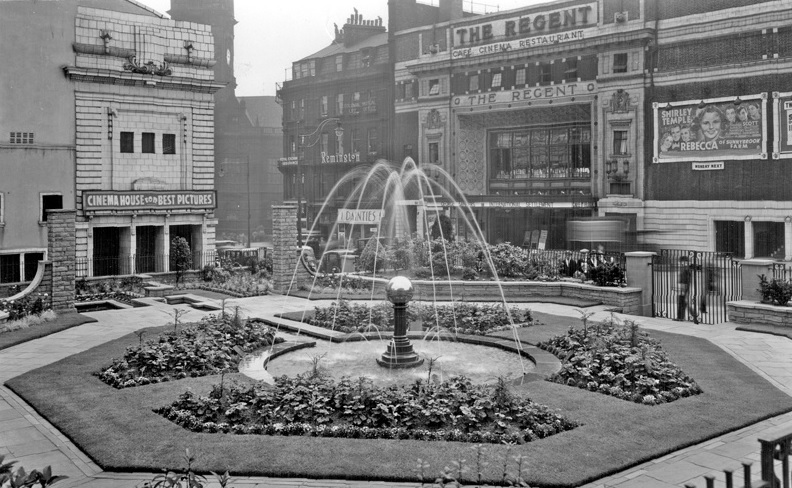
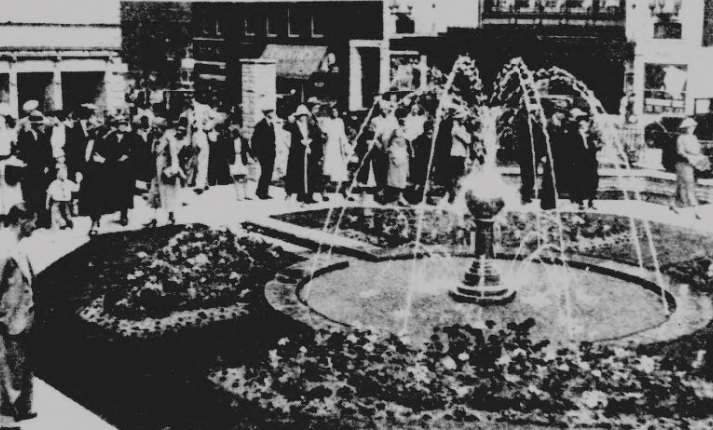
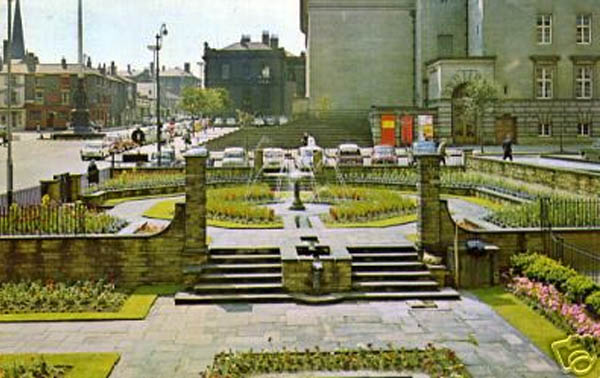
The garden had been laid out by “a famous firm of garden landscapers,” railed off from the footpath, with a border of shrubs, crazy paving, a fountain, and a water runway to a lily pond, and various flower beds.

Photograph by Picture Sheffield

A huge crowd gathered for the official opening on August 3, 1937.

“We shall always be proud of this garden, because it is not only a gift for all time,” said the Lord Mayor. “I hope the garden will become a real garden of remembrance for the future generation, who could thank the beauty of mind and heart which prompted the gift.”

Of course, two years later, Britain went to war with Germany again, the symbolism of the garden perhaps lost on the despairing public. However, the garden has remained, although J.G. Graves’ conditions seem to have been forgotten by subsequent councils.

Photograph of the opening by The British Newspaper Archive

The fountain was eventually removed, the condition of the gardens fluctuating between mini-restorations, but its current state is a pale shadow of its original glory.

We might do well to remember the terms of J.G. Graves’ gift, although progress often comes into conflict with the past.

In 2019, initial plans were announced by Changing Sheffield action group (formerly Sheffield City Centre Residents Action Group) to create a unique space featuring ten large musical instruments and mini-trampolines, although the status of the application is unknown.

Photograph by Sheffield History