Categories
Buildings People

Stirring Up Sheffield: “Adventures need heroes and troublesome villains.”

Denounced by theatrical knight Bernard Miles, by councillors at public meetings and in the media, Colin George carried the day to build the Crucible Theatre, inspired by the legendary director Tyrone Guthrie, who died before he could direct the Crucible’s first play, Ibsen’s rarely-produced epic Peer Gynt. Photograph: Tenby Observer.

Here’s a book that will become a collectors item, and a must for those who appreciate Sheffield’s recent history. ‘Stirring Up Sheffield,’ a substantial book, is written by the Crucible Theatre’s first Artistic Director, Colin George, and his son, Tedd George, and will be published by Wordville Press on 9 November 2021.

This is the extraordinary story of a group of visionaries who came together to build the revolutionary thrust stage theatre. The radical design they proposed for the auditorium—which redefined the actor/audience relationship—aroused fierce opposition from Sheffield’s conservative quarters and several of the era’s theatrical luminaries. But it also galvanised a new generation of Britain’s actors, directors, designers and playwrights who launched a passionate defence of the thrust stage and its theatrical potential.

Colin George was the founding Artistic Director of the Crucible Theatre. Born in Pembroke Dock, Wales, in 1929, Colin read English at University College, Oxford, and was a founding member of the Oxford and Cambridge Players. After acting in the repertory companies of Coventry and Birmingham, Colin joined the Nottingham Playhouse in 1958 as Assistant Director to Val May. In 1962, he was appointed as Assistant Director at the Sheffield Playhouse, becoming Artistic Director in 1965. Colin played a leading role in the creation of the Crucible Theatre, which opened in November 1971, and was the Crucible’s Artistic Director from 1971 to 1974.
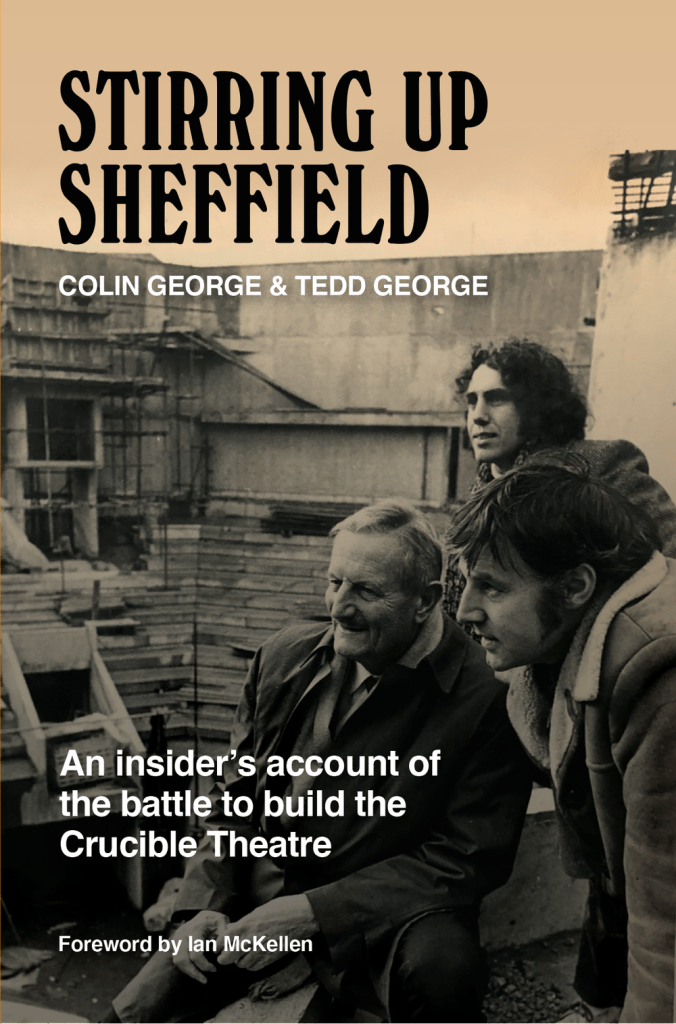
“My father was Artistic Director of the Playhouse and the previous year Sheffield City Council had agreed that the Playhouse should have a new theatre. Discussions on its design were already advanced, but my father was unhappy with the proposed stage and wanted to break free from the ‘picture box’ proscenium arch and bring the actors closer to the audience.” – Tedd George. Photograph: Wordville Press.

During his tenure Colin also established Sheffield Theatre Vanguard. This innovative scheme took theatre out of the Crucible to engage with the wider Sheffield community. Sheffield Theatres continues to build on his legacy with Sheffield People’s Theatre, a cross-generational community company which trains and nurtures the aspirations and skills of local people through special one-off projects and collaborations.

He later worked as Artistic Director of the Adelaide State Theatre Company (1976-1980), as Artistic Director of the Anglo-Chinese Chung Ying Theatre Company (1983-1985) and as Head of Drama at the Hong Kong Academy for Performing Arts (1985-1992). Colin joined the Royal Shakespeare Company as an actor (1994-96 & 1997-99).

The Crucible Theatre is today one of Britain’s major touring venues and a Producing House in its own right, and is also famous for being the home of the World Snooker Championship, screened on TVs all over the world every year. Image: Sheffield Theatres.

In 2011 Colin was invited by the Crucible’s Artistic Director, Daniel Evans, to join the Company for the 40th anniversary production of Othello. This was to be his last theatrical performance and, fittingly, it took place on the thrust stage he had created. Following Othello, Colin produced the first draft of this book, before his death in October 2016.

The introduction is by Sir Ian McKellen:

“Adventures need heroes and here its principal one is Colin George, the first artistic director of The Crucible Theatre, who in this memoir recalls in fascinating detail how, aided by others locally and internationally, a dream came true. Here, too, there are troublesome villains, who failed to share our hero’s imagination and determination.”
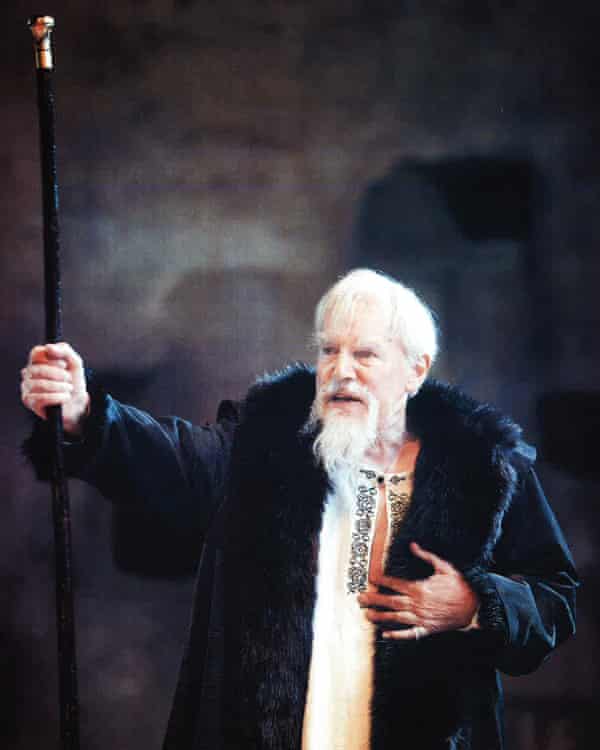
In 2011, in the theatre’s 40th anniversary production of Othello with Dominic West and Clarke Peters, Daniel Evans invited George back to play Desdemona’s aged father. It was George’s last role, in a theatre he loved and which was now garlanded with awards. And it was a full house. Photograph: The Guardian.

© 2021 David Poole. All Rights Reserved.
Categories
Buildings

Old County Court: “A considerable amount of money was spent, and I think not wisely.”

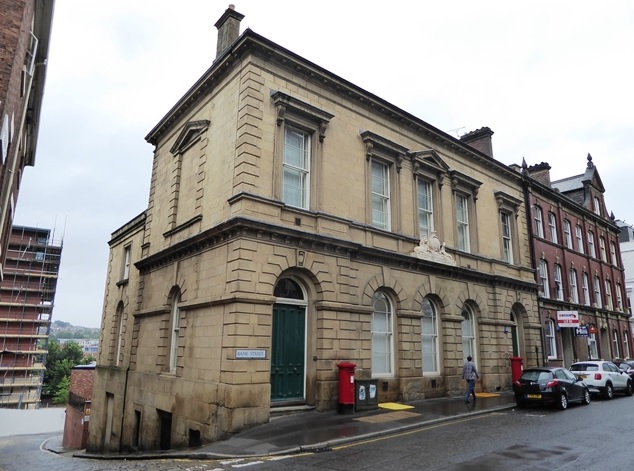
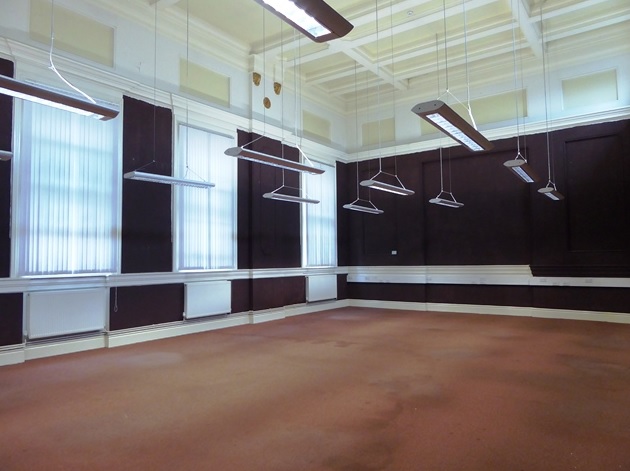
Old County Court, Bank Street, Sheffield. Many people have now forgotten what it was originally used for. Photograph: Crosthwaite Commercial.

To Bank Street, and a forgotten Grade II listed building, that was almost lost before it had even been completed.

This is the Old County Court, built in 1854, to replace court sessions that had previously been held at the Old Town Hall on Castle Street.

It was designed by Charles Reeves (1815-1866), an architect and surveyor to the Metropolitan Police from 1843, and from 1847 architect to the County Courts in England and Wales, designing 64 new courts across the country.

County Courts, as now, dealt with civil cases, including those about personal debt. They were not there to decide whether someone was ‘innocent’ or ‘guilty, did not issue fines, and neither did it imprison anyone in debt.

Work started on the new County Court in early 1854 and was due to be completed by October. However, one night in September, just as it was nearing completion, a serious fire broke out.

A young man called Henry Bradshaw noticed smoke coming out of one of the windows and climbed over the builders’ hoardings to investigate.

In one of the back offices, he found wood shavings on fire in several places. He tried to stamp the fires out but scorched his feet. The fire spread to stacks of wooden floorboards and Bradshaw was forced to raise the alarm at the offices of the Sheffield and North of England Insurance Companies.

The fire engines arrived within five minutes, but until a supply of water could be obtained from the main, the small engines were worked with water brought in buckets from adjoining houses.

The fire quickly spread, and the back suite of rooms became one mass of blaze.

Floorboards on the upper rooms had not been laid and this hampered efforts to fight the fire, with several firemen injured by falling between joists. The heat became so intense that roof lead melted, and with no floor intervening, it fell onto firemen below who were severely burned.

However, the blaze was prevented from reaching the front of the building, but the whole of the woodwork of the back rooms and the roof of that portion were destroyed.

It was suspected that a group of boys had broken into the building, setting fire to wood shavings by lighting matches.

The damage amounted to between £300 and £400 (about £35K-£45K today)- the cost falling on the contractor, Miles Barber, who was not insured. (Barber was later responsible for the widening of Lady’s Bridge in 1866).

The opening was delayed until 1855 and the property rebuilt.

The last County Court sitting at the Old Town Hall was on 12 July 1855 and the first session in the new building, presided by Judge Walker, was on the 18 July.

The building was in Italian style, with two entrances in Bank Street – one a private entrance for the judge, etc, and the other entrance for the public.

On the ground floor were offices for the high bailiff and clerks’ rooms for the entering of plaints and the payment of money, and a strong room for storing books and records, fitted with slate shelves, and iron fireproof doors with Chubb patent locks.

On the basement floor were water closets, etc, and four rooms for the office keeper.

The court room was on the second storey (revolutionary for its time) – 43ft long by 27 wide, and 22 feet high. On the same floor was a private room for the Judge, barristers and attorneys’ consultation room, jury room, and a large entrance hall or waiting room for parties attending the court.

The former main courtroom. Photograph: Crosthwaite Commercial.

While Sheffielders considered this a ‘fine’ building, it seems not to have been popular with those who worked there.

In 1901, Judge Waddy K.C. criticised the acoustic properties of the County Court. “The building was erected under exceptional circumstances, which I do not want to go into because the people are dead; but the result of it is, that a very considerable amount of money was spent, and I think not wisely.”

When it was built, Bank Street had been a quiet street, but by now had become a regular thoroughfare, so full of noise and disturbance, that it was impossible sometimes for them to get on with their work.

The stench from the main court by the middle of the day was said to be “perfectly shocking,” while the sanitary arrangements were “not fit to be used by considerable bodies of people.”

Poor acoustics were also mentioned in 1923 when Judge Lias and officials complained of difficulty in hearing evidence and suggested that the front of the Judge’s desk should be lowered.

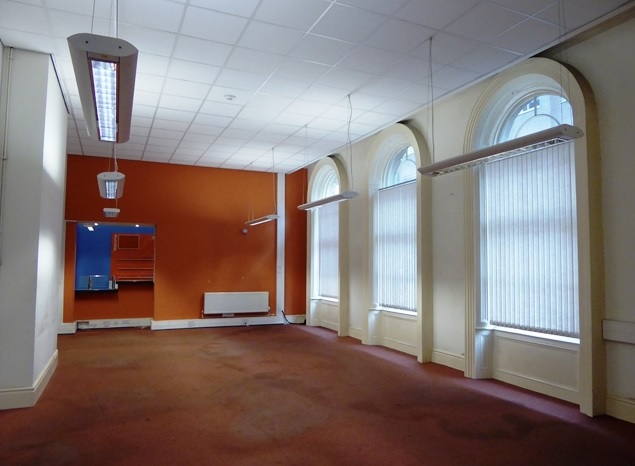
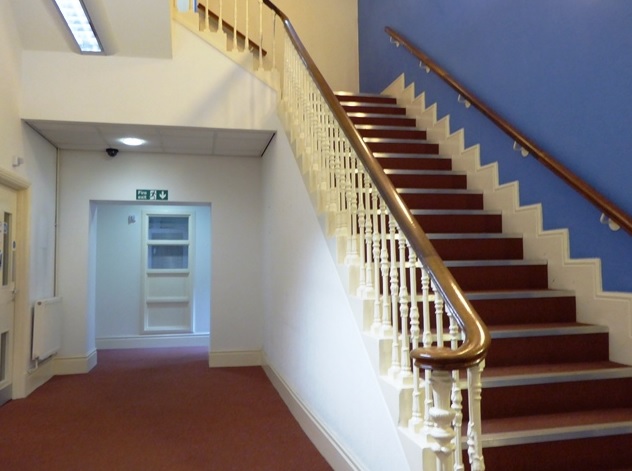
Alterations to the court were eventually completed, including an annexe at the rear, and it functioned as the County Court until 1996 when it moved to new Law Courts at West Bar. The building was sold, and its interiors converted into offices, the configuration altered, but the stone cantilevered staircase survived.

When the building was put up for sale it had been used as office space. Photographs: Crosthwaite Commercial.

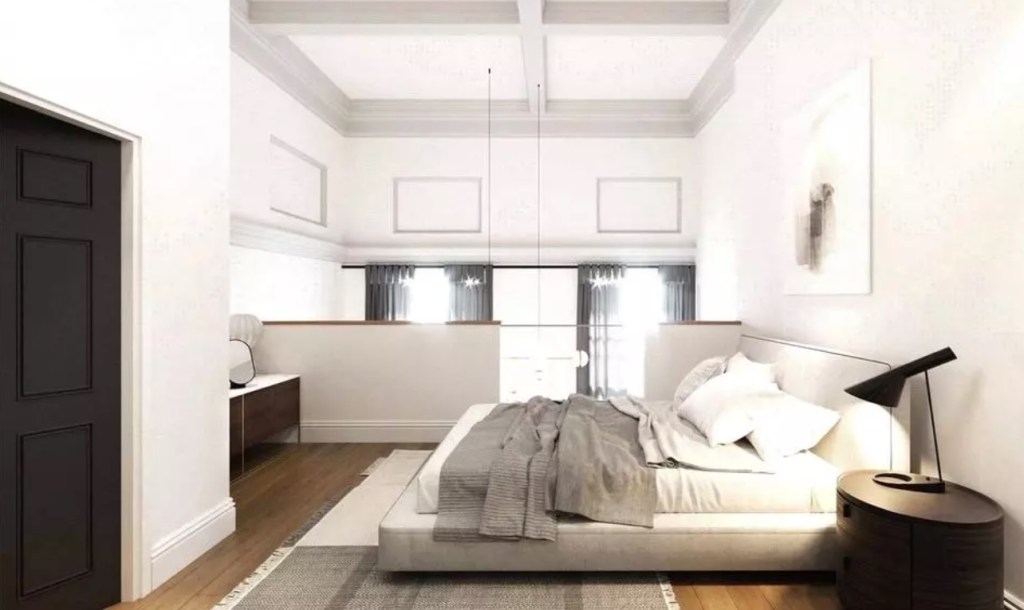
It was acquired by One Heritage Group in January 2021 for conversion into 22 one- and two-bedroom single storey and duplex apartments that will be split over four floors. The developer says these are carefully designed to showcase the building’s inherent Grade II listed features such as high ceilings, deep skirtings, and original architraves. Planning permission was granted in August 2021.

Proposed restorations and new apartments at the Old County Court. Photographs: One Heritage Group.

© 2021 David Poole. All Rights Reserved.
Categories
Buildings

The Meridian: a high-rise on the site of a bowling green

“When built, The Meridian will become a welcome focal point for residents and visitors to Sheffield, realising the council’s ambitions for the city.” – Ketan Patel, senior development manager at Godwin Developments. Photograph: Godwin Developments.

Sheffield City Council has granted planning permission for a 23-storey apartment block on the edge of the city centre, and it will change the appearance of what was once known as Granville Square.

The 336-apartment build-to-rent development – known as The Meridian – will be built on the site of the British Rail Club Sports Ground, on a triangular parcel of land bound by Farm Road and Queens Road, next to Grosvenor Casino.

It will include one, two and three-bedroom modern open-plan apartments, 94 of which will have private balconies. There will also be a concierge reception, co-working spaces, residents’ only lounge and gym, a landscaped roof garden and plaza, 358 cycle storage spaces and 29 car parking spaces.

An 1824 map shows the site within open countryside, with the boundaries of Queens Road and Farm Road already established routes at this time. Small settlements began to grow to the west, with the east defined by a large house known as ‘The Farm,’ giving origin to the road name (demolished in 1967, and now the site of Sheffield College).

By 1921 the site was surrounded by urban buildings to the west and the introduction of the railway defined the boundary to the east.

The site is an open space derived from its historic use as a bowling green and historic maps indicate that no buildings have existed within the site boundary.

Farm Road seen in the 1940s/50s. The site of The Meridian is to the right on land that has never been built upon. It was most recently used as a bowling green. McDonalds now occupies the site to the left. Photograph: Picture Sheffield.

© 2021 David Poole. All Rights Reserved.
Categories
Streets

Chapel Walk: “With hedges of honeysuckle and hawthorn; the air fragrant with the scent of new-mown hay.”

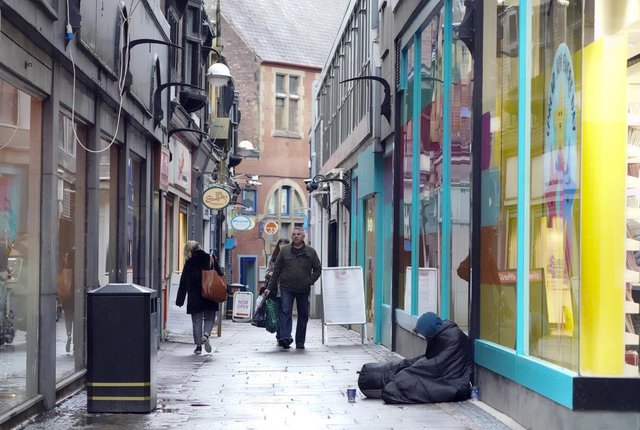
The current state of Chapel Walk is in stark contrast to when it was Tucker Alley, leading from Fargate into the rural idyll of Alsop Fields. Photograph: Sheffield Star.

Let us dismiss a legend before we go any further. I cannot find any evidence that bodies are buried beneath Chapel Walk, but there again, nor can I prove that they aren’t. The only connection with the ‘dead’ these days is the number of empty shops and lack of pedestrians.

Since the 1990s, the decline of Chapel Walk is the most remarkable example of degeneration in Sheffield city centre. From being a busy thoroughfare, where people struggled to avoid bumping into each other, it has become a ‘ghost’ street, but one that has the most potential to be impressive again.

Chapel Walk is one of our oldest streets, with origins in medieval times, but its importance surfaces in the 1700s.

At that time, every house on Prior Gate (High Street) had long gardens behind them, backing onto Alsop Fields, a rural and agricultural area sloping down to the River Sheaf.

In 1660, followers of Rev. James Fisher, vicar of Sheffield, broke away from Sheffield Parish Church to form the beginnings of Congregationalism. They met in rooms around the town but in 1700 rented a site that faced ‘Farrgate’ and called it the New Chapel, the back of it looking across Alsop Fields.

On the death of the Rev. Timothy Jollie in 1714, the Trustees of the New Chapel appointed the Arian John Wadsworth, causing some dissenters to breakaway and build a new chapel.

They looked to John Tooker, an early Master Cutler, who lived on ‘Farrgate’ and agreed to sell a piece of garden behind his house for £60 to Elia Wordsworth, a prominent member of the seceding independents, to build a new meeting house.

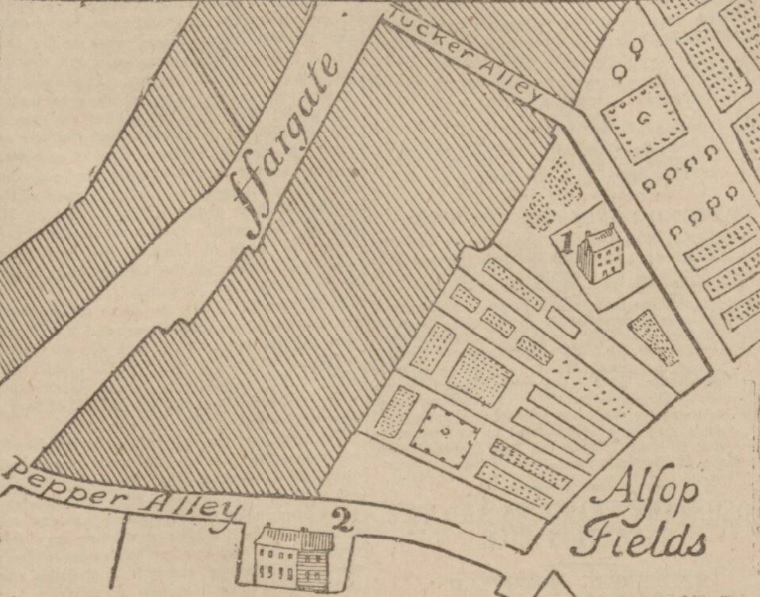
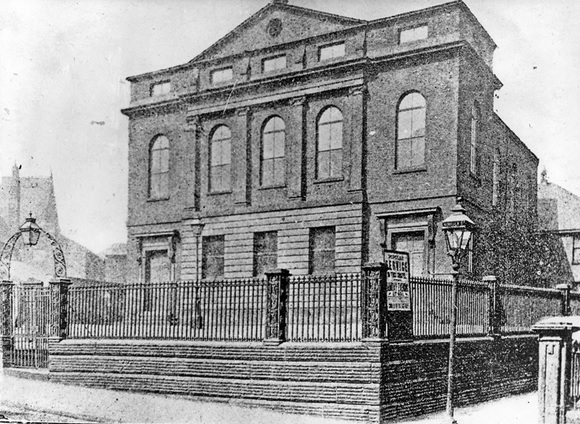
The chapel, across gardens from New Chapel, was built in 1714 within Tooker’s Yard, access being from Tooker Alley (later Tucker Alley), a narrow thoroughfare, with the conveyance ensuring permanent right of way to the chapel from Fargate and Alsop Fields, and that the passage should never be narrower than two yards. Thereafter, Tucker Alley became known as Chapel Walk.

Only Fargate is familiar in this illustration. Tucker Alley became Chapel Walk. Norfolk Street was built at the edge of Alsop Fields. Photograph: British Newspaper Archive.

Because of their proximity to each other, New Chapel became the Upper Chapel with the one on Chapel Walk called Nether Chapel.

“One regrets that there is no picture available of the Nether Chapel of those far-off days. We can imagine the little congregation during a long sermon on a hot summer’s day being beguiled by the song of birds coming through the open windows. We can see them, through fancy’s eye, coming out after worship into the strong sunlight and indulging in a friendly chat under the shade of neighbouring trees, and then dispersing to their homes in the vicinity along narrow lanes with hedges of honeysuckle and hawthorn; the air fragrant with the scent  of new-mown hay – the silence broken now and again by the bleating of sheep and the lowing of cattle grazing contentedly in the adjacent fields.”

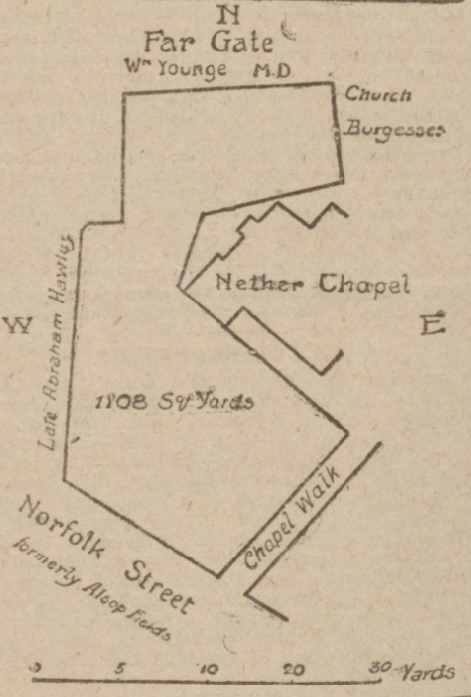
The chapel was partly destroyed by fire in 1827, and foundations for a New Nether Chapel were laid in May. It cost £4,200 and looked towards Norfolk Street (built at the edge of Alsop Fields) instead of Chapel Walk which had done its duty for 113 years. Dr William Younge sold land fronting Norfolk Street allowing the creation of a new chapel yard.

This illustration shows land purchased for the New Nether Chapel. Photograph: British Newspaper Archive.
In 1826, Dr William Younge sold land fronting Norfolk Street for £700 allowing Nether Chapel to be rebuilt and giving them a new frontage. Photograph: Picture Sheffield.

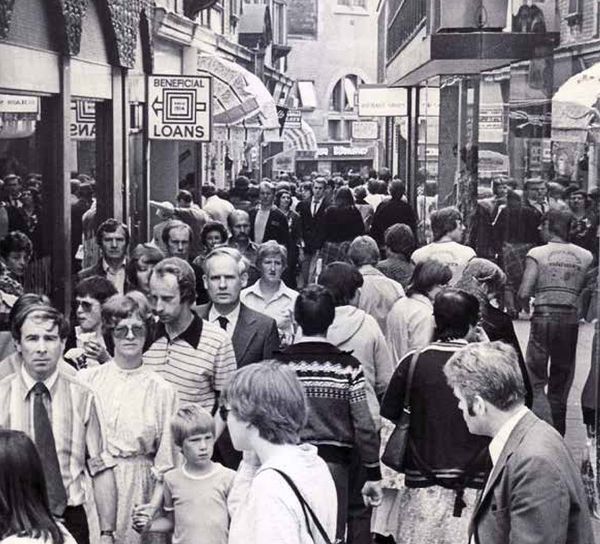
Over the next hundred years, Sheffield changed considerably. Gone were those rural delights and solitudes. Nether Chapel now stood in the heart of a city of bricks and mortar. The countryside had been obliterated by factories, workshops, and offices, and Chapel Walk became a popular shopping street.

Chapel Walk was an incredibly busy shopping street during the 1970s. Photograph: Sheffield Star.
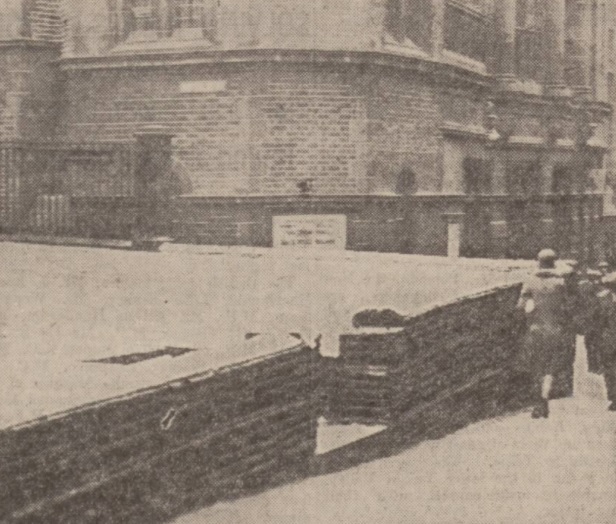
In 1931, Sheffield Corporation purchased a portion of the Nether Chapel yard in Norfolk Street for street improvement purposes. An ‘awkward bulge’ was removed bringing the frontage of Victoria Hall (1908), Nether Chapel, and St Marie’s Presbytery, into line. Photograph: British Newspaper Archive.

In 1963, congregations at Burngreave, Wicker, Queen Street and Nether Chapel resolved to unite and form one church and to build a new chapel in the city centre. Nether Chapel was demolished, and a new Central Congregational Church opened in 1971.

When the United Reformed Church was formed in 1972 from Congregational and Presbyterian denominations the Church became Central United Reformed Church. It was significantly altered in 2000 and stands at the Norfolk Street end of Chapel Walk.

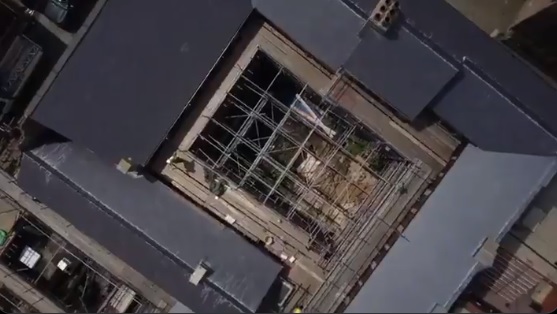
Meanwhile, Chapel Walk has fallen on tough times. Not helped by the Fargate end being shrouded in ‘abandoned’ scaffolding for several years, attempts to regenerate the street have so far failed. However, with the right investment, this slender pedestrian walkway could rise again. Small independent shops?

NOTE:- Upper Chapel was remodelled in the 1840s, turned around to face across fields. It survives in solitude on Norfolk Street.

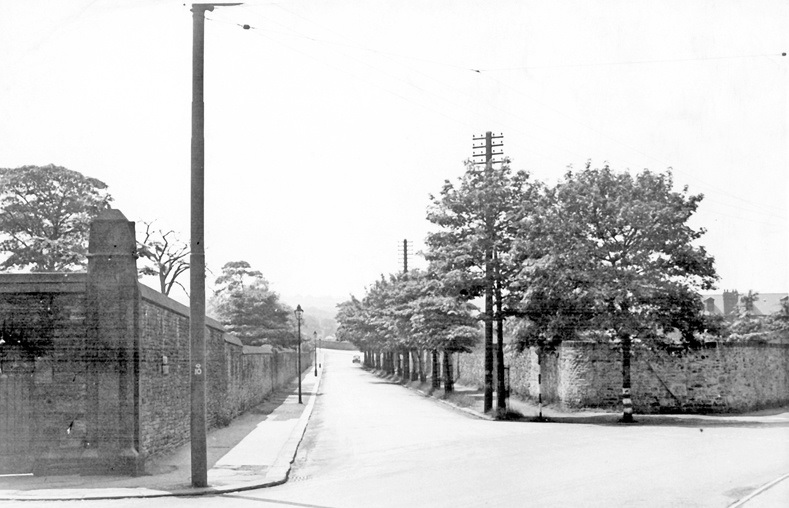
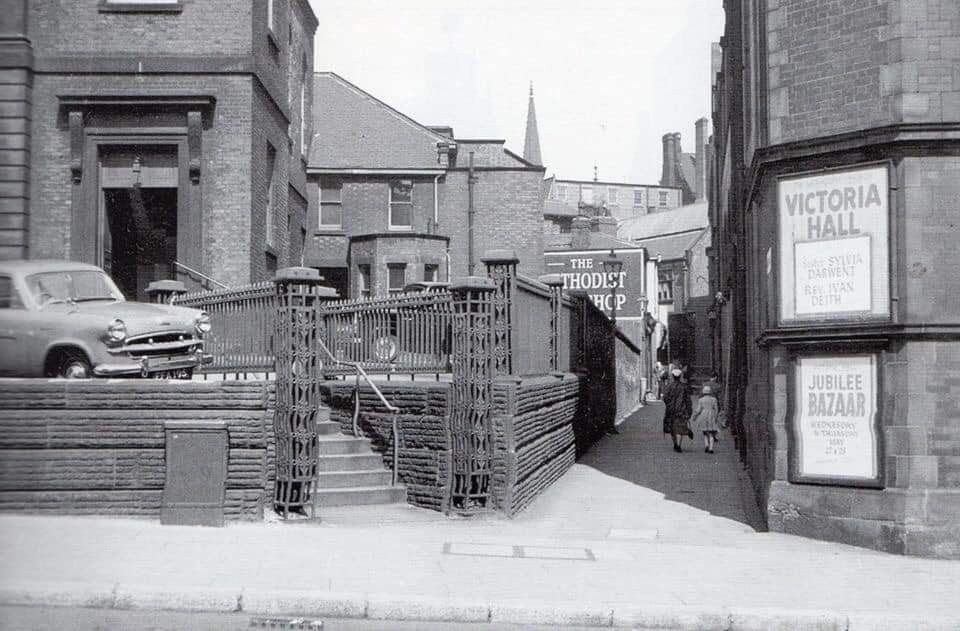
Norfolk Street end of Chapel Walk in the 1960s. Nether Chapel is on the left, the Victoria Hall is to the right. Photograph: Picture Sheffield.

© 2021 David Poole. All Rights Reserved.
Categories
Buildings

Planning permission submitted for Leah’s Yard

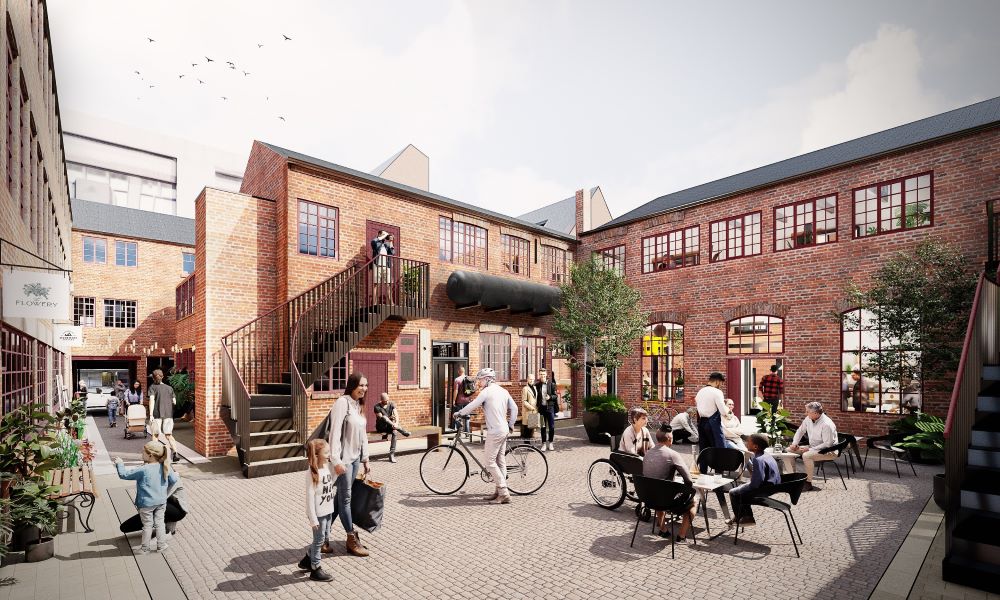
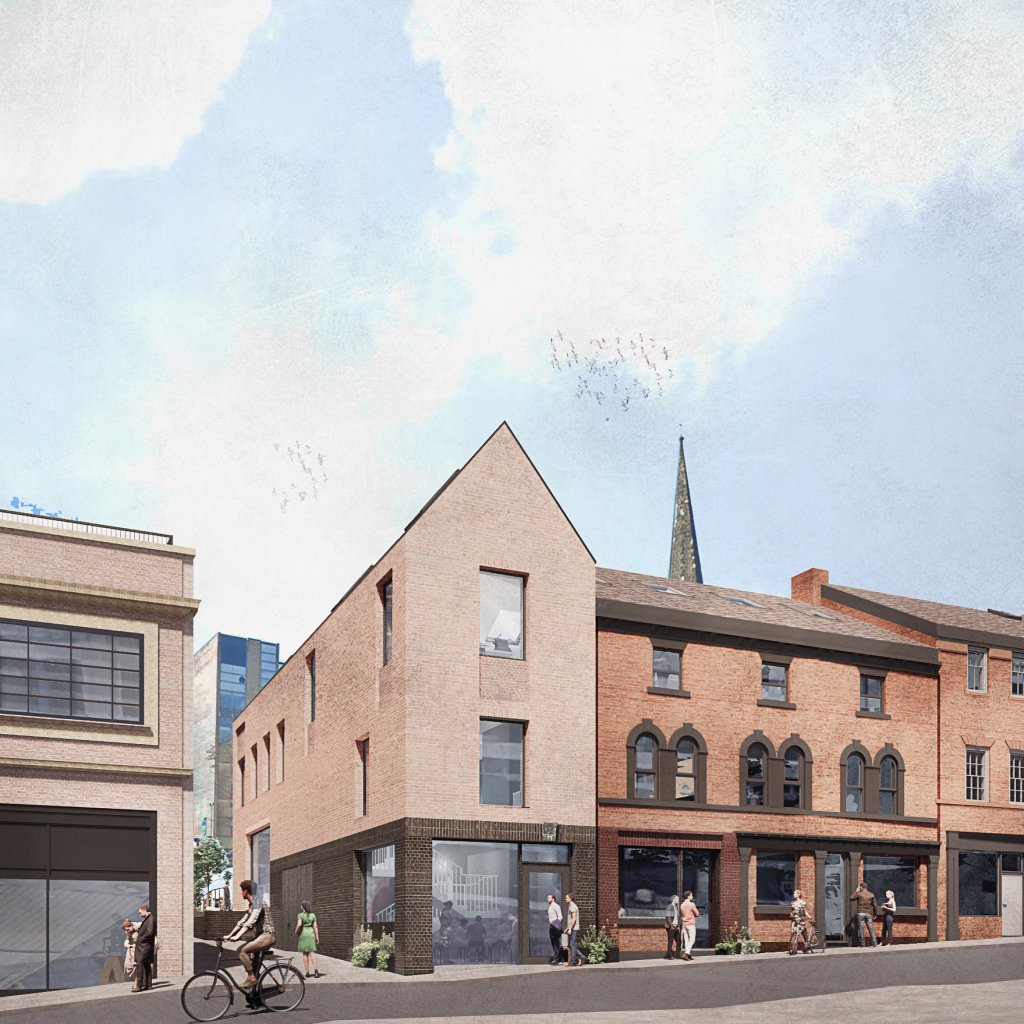
Planning permission has been submitted for Leah’s Yard on Cambridge Street to be transformed into a new creative hub for independent businesses, with a slew of independent stores set to surround a public courtyard.

The venue will be operated by Tom Wolfenden, CEO of SSPCo, and James O’Hara of the Rockingham Group, who were appointed to the project by Sheffield City Council.

If approved, Leah’s Yard will be refurbished true to its current form, with a courtyard surrounded by small boutique shops, with the first and second floors hosting approximately 20 independent working studios.

The oldest buildings on the Leah’s Yard site are the two former houses fronting Cambridge Street that date from the early nineteenth century. The industrial legacy of Leah’s Yard began with George Linley in 1825 as a small shear and tool manufacturing complex during the early nineteenth century. The houses fronting the street were later converted to offices and shops, and the complex as a whole is characterised by piecemeal additions and alterations dating from the nineteenth and twentieth century.

Cambridge Street was known for its horn works, and James Morton, a horn dealer, became the major sole occupier about 1842.

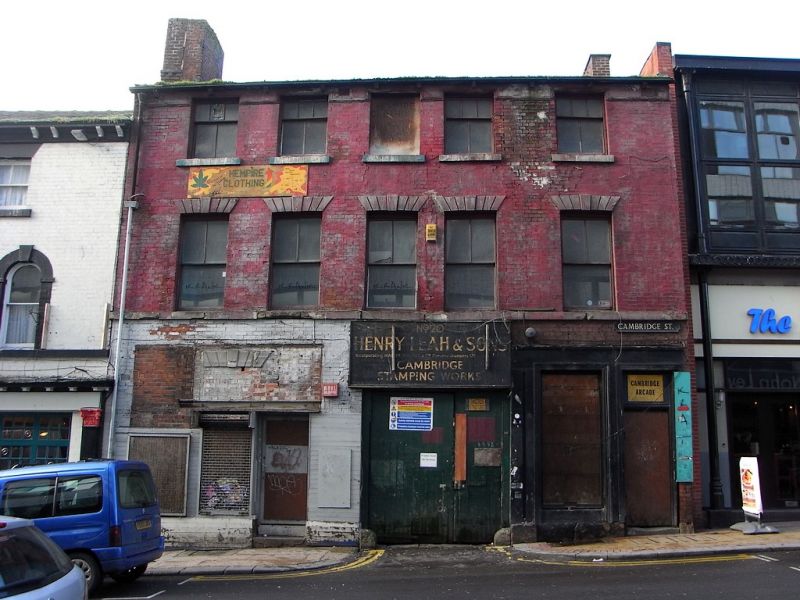
Leah’s Yard was occupied from about 1891-92 by Henry Leah and Sons, a manufacturer of die stamps for silverware. By 1911 there were 23 occupants (little mesters) on site producing slightly different goods, and undertaking different processes yet all contributing to the cutlery trade.

The site was predominantly used for production associated with the metal trades well into the mid to late twentieth century. The Leah family remained in part of the complex until the 1970s when they merged with Spear and Jackson; they sold the site in the 1990s. The Cambridge Street frontage of the complex had been used as shops in its last few years of occupation, and takes into account the former Sportsman public house and Chubby’s recently closed takeaway.

As part of Heart of the City II, Leah’s Yard will sit alongside the upcoming Cambridge Street Collective and Bethel Chapel developments – both currently under construction – that will feature a contemporary food hall, cookery school, fine dining experience and live entertainment spaces.

© 2021 David Poole. All Rights Reserved.

Categories
Buildings

Leah’s Yard

Who says that the Heart of the City II development is just about new buildings?

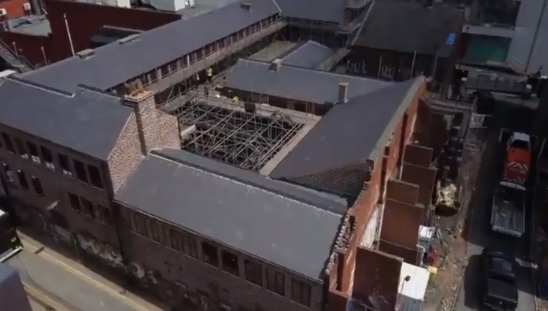
Leah’s Yard is currently undergoing a £6m renovation to breathe life back into the old buildings. Set to open in early 2023, Leah’s Yard will be a destination for independent retail, and showcasing traders, makers and creators from Sheffield.

Throughout the 19th century the yard was used by a horn dealer (who supplied the cutlery handle making trade), Sheffield platers, knife manufacturers and silver stampers. In the 1880s the building was known as the Cambridge Street Horn Works.

In 1892 Henry Leah took over the building as a producer of die stamps for silverware, giving the building the name that it is known by today. Sharing the building at that time was Walter Walker & Co Ltd, who were piercers and stampers; the building was alternatively known as the Cambridge Stamping Works.

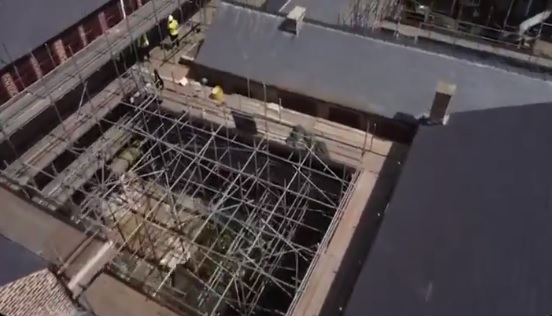
Behind the scaffolding, work is quietly progressing to restore what had become one of the city centre’s most endangered buildings.

Photographs by https://www.pedalophotography.com/

Categories
Streets

York Street

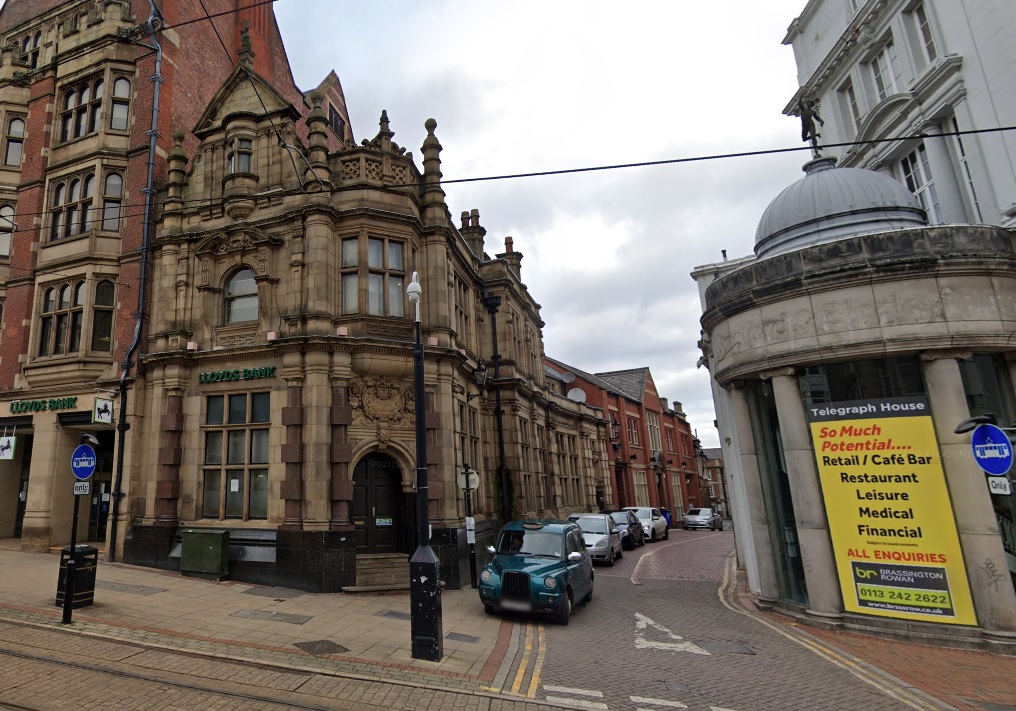
The entrance to York Street from High Street. The Crown Inn once stood where this photograph is taken. Photograph Google.

York Street is just a street to many of us, a shortcut between High Street and Hartshead. Apart from its long, recently ended, association with the Star and Telegraph, it hasn’t played a significant role in the city centre’s history.

However, despite having few buildings of architectural importance, York Street can still tell a story.

In 1565, documents state that the property between the Church Gates (now Sheffield Cathedral) passed into new hands and was bounded by the churchyard to the west, and on the east by lands belonging to John Skynner of London.

York Street didn’t exist, the land changing ownership many times, steadily developed towards its High Street frontage.

We now come across an old tavern, sometimes called Morton’s, and at others as The Crown, often used for public meetings (and drinking) by the Town Trustees and the Cutlers’ Company.

John Morton, landlord, had the honour of being a Master Cutler and a victualler. He occupied the chair in 1709-10, and during his year, the Archbishop of York seems to have been entertained at The Crown. In 1721, when the Duke of Norfolk entertained leading inhabitants, a substantial amount of plate and table requisites were lent from this inn.

The Crown’s location is found in property deeds from adjacent properties in 1711 and 1735, bounded by the lands of John Morton westwards, and putting it where the opening to York Street is now.

In 1744, Morton’s widow, announcing her retirement from business, advertised in the Leeds Mercury her desire to let ‘that very good, accustomed inn, known by the sign of the Crown, near the Church Gates, with stabling for twenty-four horses.’

Soon afterwards, the inn appears to have closed and in 1770, Thomas Vennor, a Warwick man, bought the Crown property from the owners of ‘The Great House at the Church Gates,’ and established himself as a mercer.

In 1772, he had ‘lately’ made ‘a new street called York Street, leading from High Street to Hartshead,’ which ran through the ground ‘whereon stood the house of John Morton, over its yard, and beyond to Hartshead across a piece of vacant land purchased from the Broadbents.’

We can fix 1770 as the date York Street was created, possibly as a nod to the Archbishop of York’s historical visit, and it appears on Fairbank’s map of 1771.

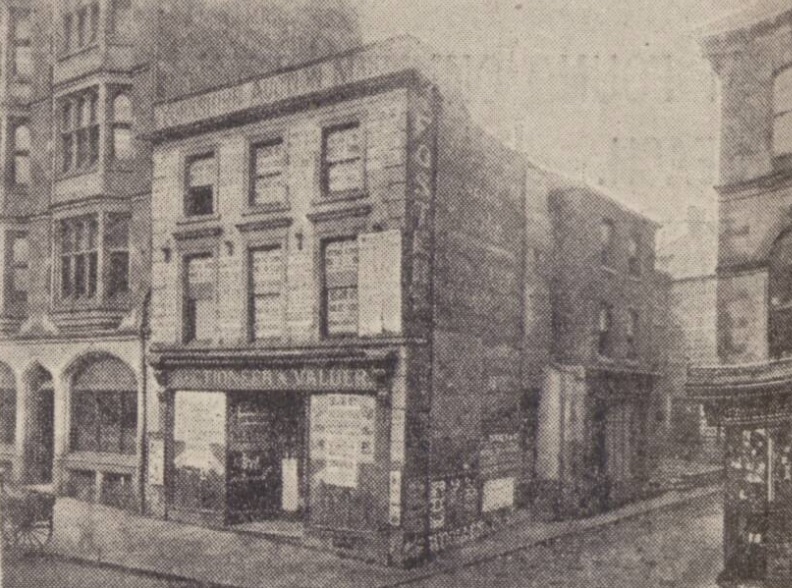
This photograph dates to about 1890. The spot underwent a complete metamorphosis, with the addition of a bank on the left hand corner and the Sheffield Telegraph offices on the right. The shop shown on the right was that of the Goldsmiths’ Company. Photograph: British Newspaper Archive.

Its creation was important because prior to construction pedestrians could only pass from High Street to Hartshead through narrow ‘jennels,’ while wheeled traffic had to negotiate Townhead and travel the full length of Campo Lane to reach it.

In this respect, Robert Eadon Leader, that cherished Sheffield historian, regarded him as a ‘public benefactor,’ something not shared by Vennor’s contemporaries, who failed to support his efforts to become a Town Trustee in 1778.

York Street was a busy thoroughfare, with houses, shops, and offices, lining both sides, but there was a darker characteristic.

York Street in 1905, looking towards High Street. Photograph: Picture Sheffield.

In 1868, a resident wrote that “the neighbourhood of York Street is infested with night walkers, who won’t let you pass without receiving the grossest insults imaginable.”

The building of respectable Victorian buildings towards High Street improved its reputation, but in 1922 a correspondent to the Sheffield Telegraph said that it was “in a very bad state of repair, and in wet weather large pools of water collect, with the result that not only is property splashed up with dirt (your beautiful white building is an example), but foot passengers have their clothes ruined by every wheeled vehicle that passes up and down. It is the busiest street for motor traffic in the city, and the footpath the narrowest.”

A sight more familar to us. York Street looking towards Hartshead in 1965. The Telegraph and Star Offices are on the right, now apartments. Photograph: Picture Sheffield.

© 2021 David Poole. All Rights Reserved.
Categories
Buildings

Telephone House: Smartening-up our retro buildings

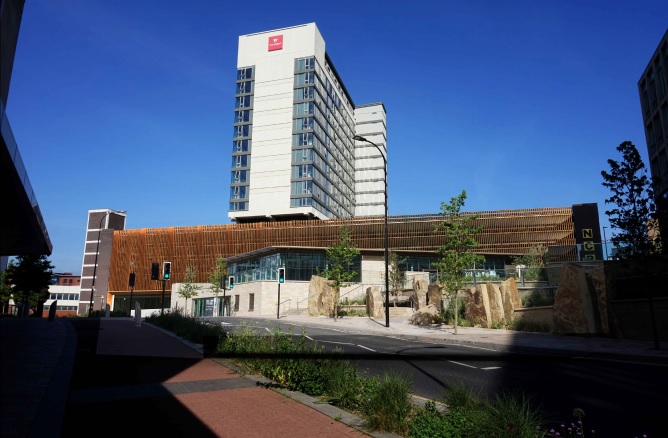
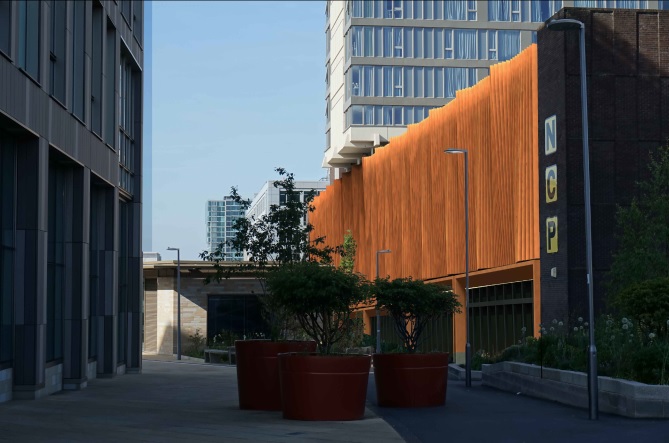
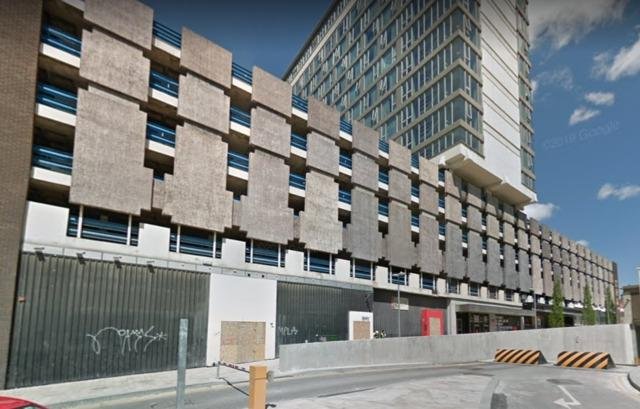
With work progressing on the Heart of the City II development, it’s time to spruce up some our existing buildings. One already completed is the Telephone House NCP car park in Charter Row, achieved by recladding the facade in Corten coloured wave feature cladding and “goal post” feature frames to the ground floor retail units. These improvements addressed issues with the poor appearance of the existing concrete building (see photo) within the context of the new Charter Square development and assist in the future letting of ground floor retail units.

The former British Telecom tower, which is located above the carpark, was recently refurbished by Vita Student in 2016 to provide upmarket student accommodation.

A planning application has now been submitted to erect a new shop frontage to four existing retail units consisting of new aluminium curtain wall façade within existing feature goal post surrounds.

© 2021 David Poole. All Rights Reserved.

Categories
People

The world is full of Joe Scarborough paintings

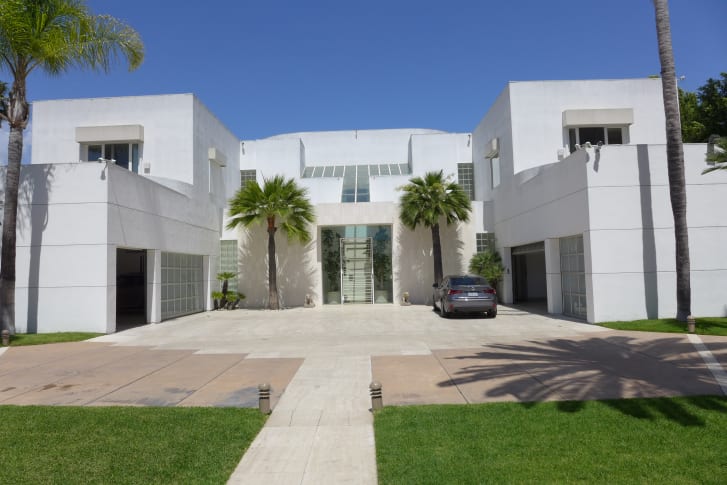
The Bel-Air home owned by late author and romance novelist Jackie Collins was one of four properties she owned. Photograph: CNN Style.

Sometimes you stumble across something quite astonishing. This tale of the unexpected involves local artist Joe Scarborough, famous for bringing to life the everyday scenes of Sheffield, and Jackie Collins, nicknamed the ‘Queen of Trash’ for her 32 novels – featuring the sexual gymnastics of heroines including the mafia princess Lucky Santangelo and the insatiable supermodel Fontaine Khaled – selling more than half a billion copies.

Born in London in 1937, Collins’ first novel, “The World is Full of Married Men” was published in 1968 and established Collins as an author who dared to step where no other female writer had gone before. She followed it year after year with one successful title after another, including “The Stud” and “The Bitch,” both adapted into films in the 1970s starring her actress sister, Joan Collins.

The 1980s saw Jackie Collins finding her stride when she published “Chances,” the first instalment in a sprawling family saga introducing the strong, sexy and powerful Lucky Santangelo. Soon after came the seminal 80s blockbuster, “Hollywood Wives” which was adapted into one of ABCs highest rated mini series.
Joe Scarborough has exhibited at Museums Sheffield and Sheffield Hallam University, and in 2008 was awarded a star on Sheffield’s ‘Walk of Fame’.

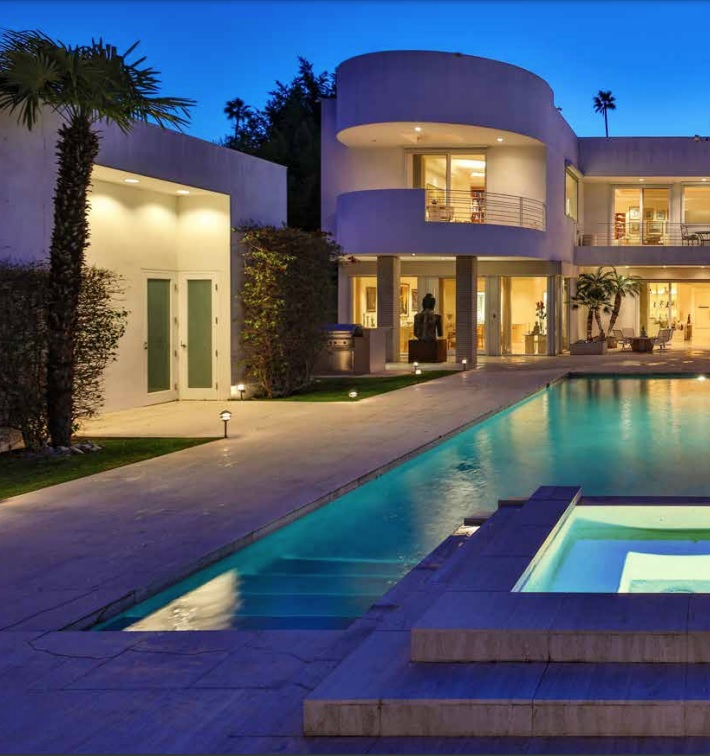
Collins settled her family in sunny California in 1980, and had her home designed by architect Ardie Tavangarian, a man inspired by the clean lines of Swiss-French early 20th-century architect Le Corbusier.

The two-story Bel Air home had a guesthouse in the back, connected by a 100-foot-long gallery displaying artworks.

Enter Joe Scarborough, born in Sheffield in 1938 and raised at Pitsmoor, who began scribbling art on the back of reports his steelworker father brought home from work. After years spent working in the coal mines, Joe held his first solo art show at the age of 26, and quickly made a name for himself with his multicoloured paintings, which feature anonymous four-inch figures and scenes inspired by the 1950s and 60s.

In 1987, looking to add a splash of colour to her new mansion, Collins spotted a painting by Joe Scarborough and commissioned him to paint three pictures. The first of these – a scene of Blackpool – was sent to California in 1988.

Images from Jackie Collins’ mansion taken from auction catalogues in 2017. Photographs: Bonhams.

Jackie Collins died of breast cancer in September 2015 while Joe Scarborough continues to paint on his much loved narrowboat on the canal.

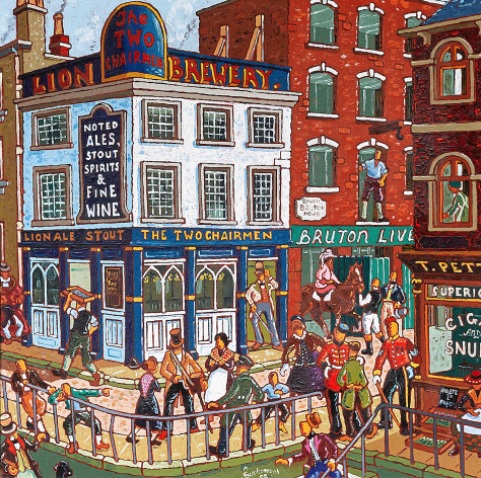
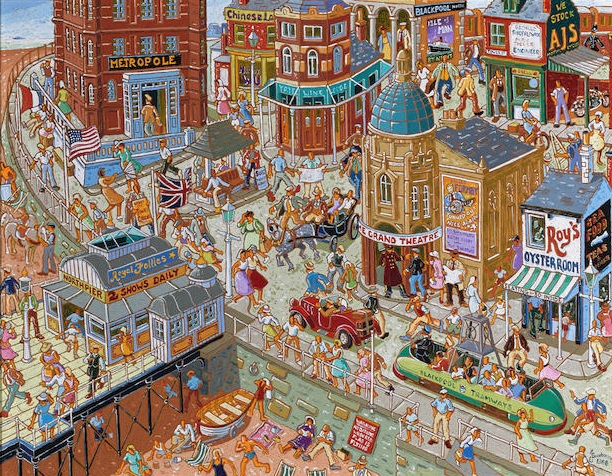
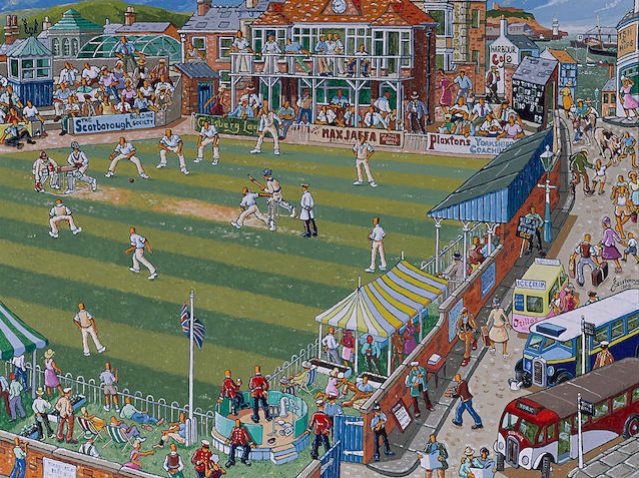
In 2017, the contents of Collins’ mansion were sold at auction by Bonhams in Los Angeles. Sure enough, within the pages of the glossy catalogues were Joe Scarborough’s three masterpieces, although none depicted scenes of Sheffield. Between them, the three paintings – Blackpool, Cricket Match and City Scene – fetched US$6,500 (£4,664).

Blackpool by Joe Scarborough. It sold for US$2,500 (£1,794). Photograph: Bonhams.
Cricket Match by Joe Scarborough. It sold for US$2,000 (£1,435). Photograph: Bonhams.
City Scene (Outside The Two Chairmen Pub) by Joe Scarborough sold for US$2000 (£1,435) in an online auction. Photograph by Bonhams
Joe Scarborough is self-deprecatingly northern, with a thrifty mindset and a clear-eyed understanding of the magic recipe that led to his colourful cityscapes arriving above every other mantelpiece in Britain’s steel city.” – The Guardian 2019.

© 2021 David Poole. All Rights Reserved.
Categories
Buildings Streets

West Bar

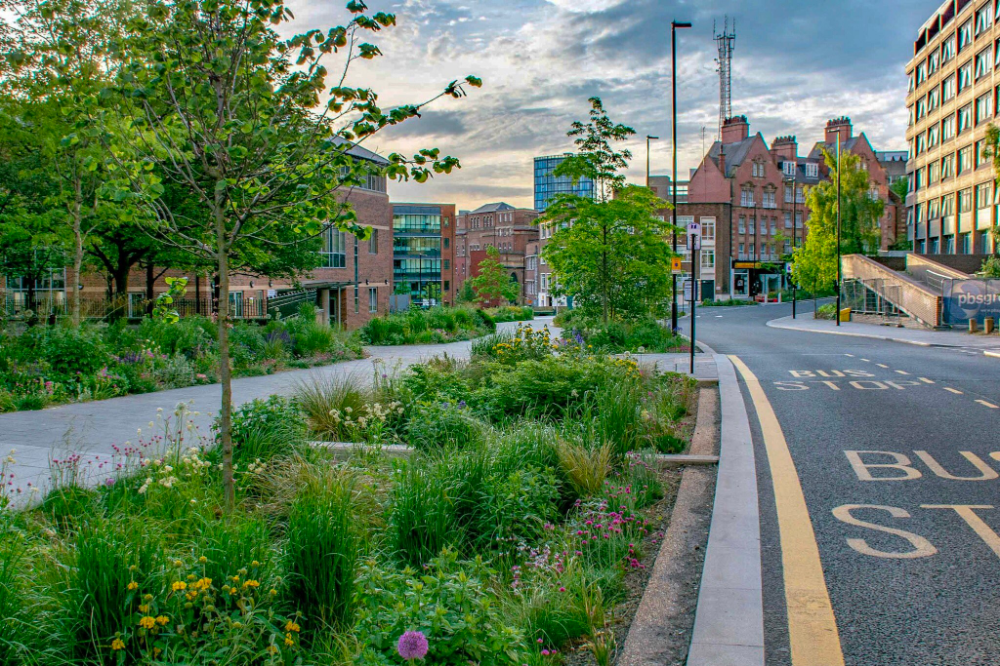
The ‘Grey to Green ’ project is a development from Sheffield City Council to transform redundant carriageway in the city centre into a network of sustainable drainage and rain gardens. The greening of West Bar has already been completed. Photograph: Nigel Dunnett.

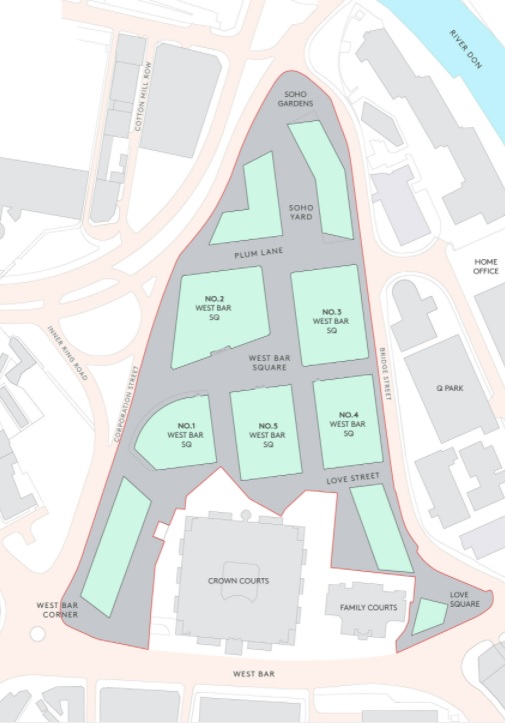
In years to come, West Bar will alter beyond recognition. The triangular area bordering West Bar, Bridge Street, and Corporation Street will be demolished. A £300m regeneration scheme will see old factories and workshops replaced with residential and business units.
According to the masterplan, West Bar Square will be a prestigious new address – a place where people will meet to do business, attracting workers and visitors, day and night. Once completed, the only recognisable buildings remaining will be the Law Courts and adjacent Family Court.

Planned area of development. Photograph: Urbo.

The development is aligned with Sheffield’s £3.6m Grey to Green scheme with wildflowers, grasses and trees already planted at West Bar. Alongside the grey to green development will be Love Square, a pop-up urban nature park designed by staff and students from the University of Sheffield’s Landscape Architecture Department.

While it is sad to see our heritage disappear, the project will go towards greening an area swallowed by the industrial revolution.

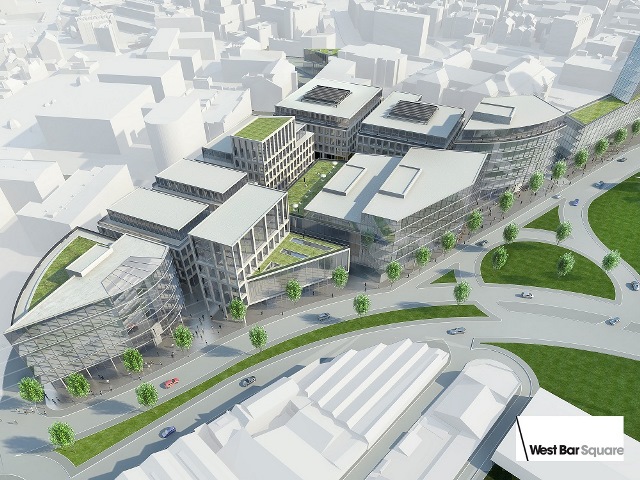
The 1.4m sq West Bar Square city centre scheme will be built next to the city’s inner relief road. Photograph: Urbo.
It will involve building 200,000 sq ft of office space, 350 build to rent homes, a multi-storey car park and quality landscaped public spaces. Photograph: Urbo.

West Bar is one of Sheffield’s oldest streets and mentioned in ancient records of the Burgery. There seems to be no explanation available as to the derivation of its name. In bygone times a ‘bar’ was a barrier of posts and chains set up to close the entrance to a town or city, and West Bar is likely to have been the northern limit of old Sheffield.

The development area was included in a survey of the manor of Sheffield in 1637 which described the site as part of Coulston (or Colston) Crofts, previously part of the demesne lands of the lord of the manor. Surviving deeds from 1622 contained wording suggesting the area was originally part of the lord’s game preserve, with all rights of hawking, hunting, fishing, and fowling reserved to the Duke of Norfolk. It was later used for both pasture and arable cultivation.

By 1637, the area had been divided into two large fields, the area on the west leased from the Duke of Norfolk by Robert Bower, and that on the east by Edward Wood. In the 17th century the area was at least partially wooded, confirmed by a description in 1837, which stated that until the late 18th century the area had been “swampy meadows and damp osier [willow] grounds.”

The West Bar area remained on the outskirts of town into the 18th century. The town’s first workhouse was built to the southwest in 1733, now survived by Workhouse Lane to the left of the Law Courts.

The street layout principally dates to the period between 1783 and 1802, although Spring Street and the streets to the south are earlier. West Bar is likely to be medieval in origin, and part of Spring Street was shown in 1736. Workhouse Lane and Paradise Street were shown in 1771.

Corporation Street cut through the estate in 1853, and was altered as part of the Inner Relief Road development in 2006.

West Bar was widened in stages during the late 19th and early 20th centuries. The construction of the Court Houses between 1993-1996 led to the truncation of Spring Street and Love Lane.

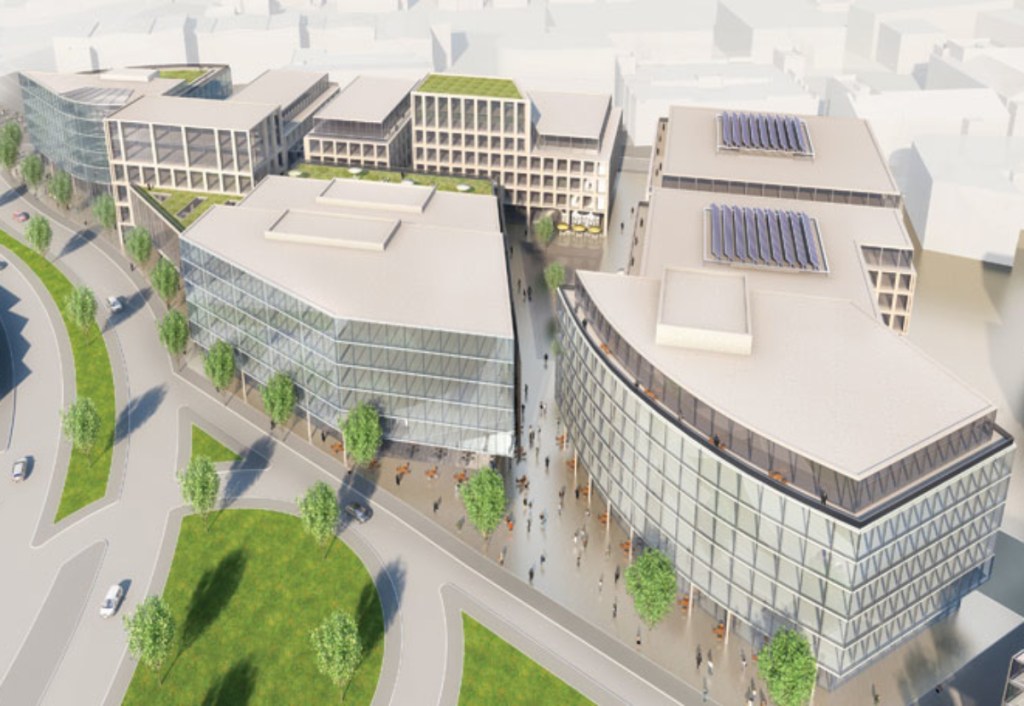
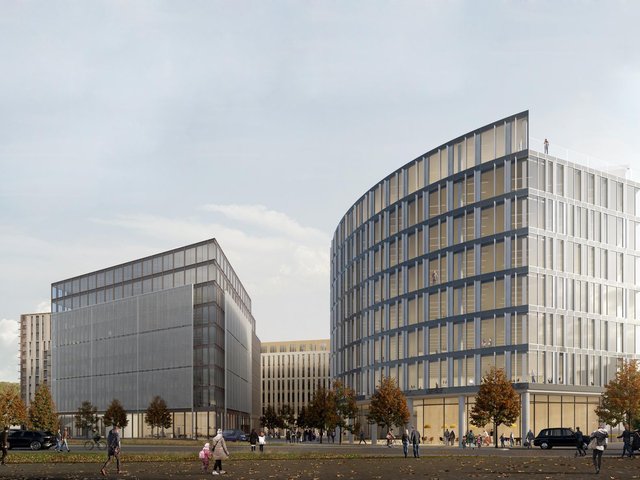
No.1 West Bar Square comprises approximately 100,000 sqft of office space, together with ground floor retail/leisure units. Photograph: Urbo.

© 2021 David Poole. All Rights Reserved.