Categories
Big Houses

Crabtree Lodge – a picturesque old English mansion

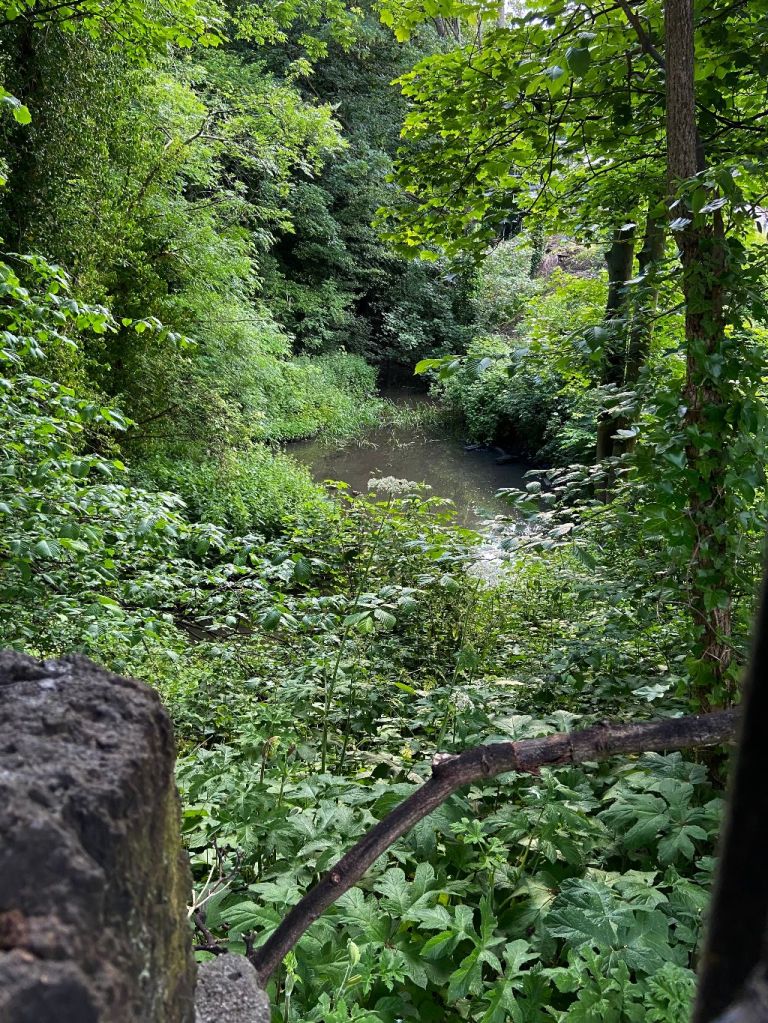
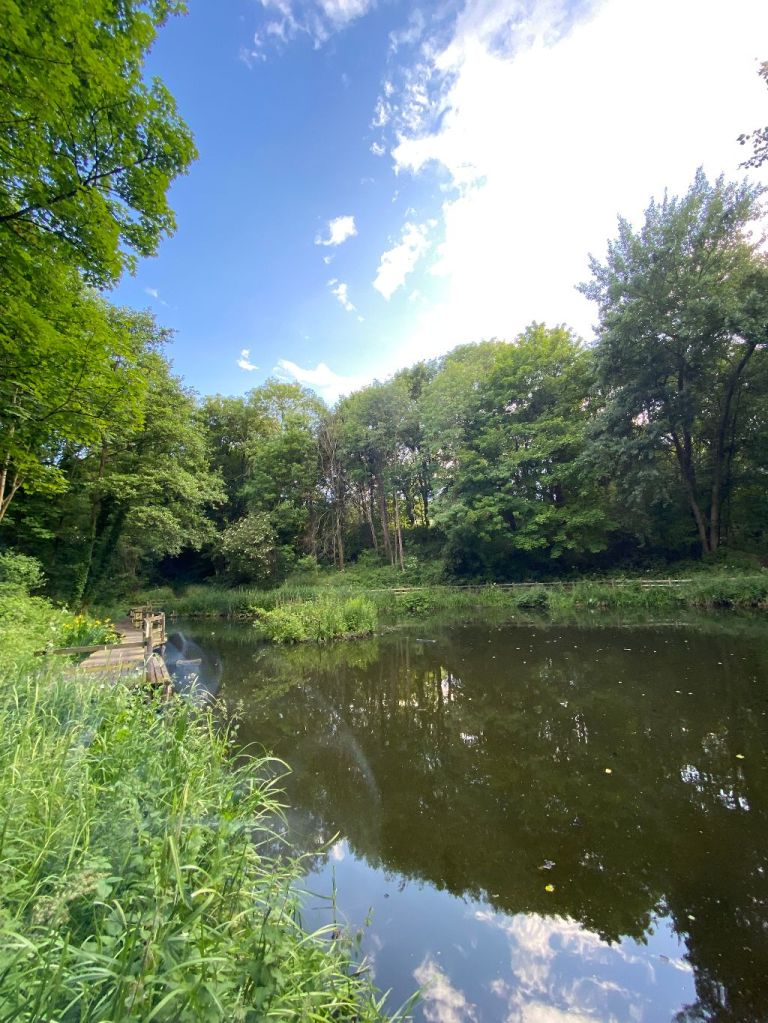
Crabtree Ponds. Image: DJP/2022

I need you to use your imagination.

We are on Barnsley Road, heading towards Fir Vale, an area adjacent to Page Hall, where a large Slovakian Roma community lives. Page Hall has attracted national attention for all the wrong reasons. It has an unwanted reputation for crime and disorder.

But before we reach Fir Vale, and the sprawl of the Northern General Hospital, we come to a set of traffic lights, at the junction with Norwood Road. On the corner, we can see an abandoned and boarded-up former care home. Steel-mesh barriers surround it, and graffiti covers most parts. It won’t be long before someone sets it on fire, and it will be gone.

We carry on down Barnsley Road and turn left into Crabtree Close. We park the car and retrace our steps to a patch of scrubland where a sign welcomes you to Crabtree Ponds Local Nature Reserve.

Slipping through the trees, we descend a rough path, and at the bottom is a most unexpected sight. A beautiful expanse of water, with carefully made walkways around it, surrounded by tall trees and thick vegetation. All you can hear are birds singing, and the distant hum of traffic.

A man with a big dog sits on a bench. He is drinking from a cheap bottle of wine. He is drunk, but he doesn’t care that we have disturbed him. “Reyt, pal,” he calls, and sits back to enjoy the last of the day’s sun. We walk past him, along wooden planks suspended above water, and climb the steep hillside, back towards that decaying care home. Nearby, an ambulance wails its way to the hospital.

But imagine we could go back in time.

We are in the mid-1800s. Like today, the birds are singing, but the only traffic is a horse and cart gently clattering along the other side of a huge stone wall. We have walked around the ornamental pond, admired the fountain at the centre, and said good evening to a beautiful Victorian lady taking the summer air.

We climb the neat, terraced gardens, up exquisitely carved steps, absorb the sweet fragrances, and walk across the manicured lawn towards the big house. It looks splendid as the sun slips behind its sloping eaves, and shadows fall across the decorative gardens. It will soon be night.

We sit on a garden bench and look across the valley, to the meandering stream below, the ponds with their delicate fish, and the trees and fields that stretch over to Wincobank Hill.

Let us hope that this landscape remains as it is forever.

***
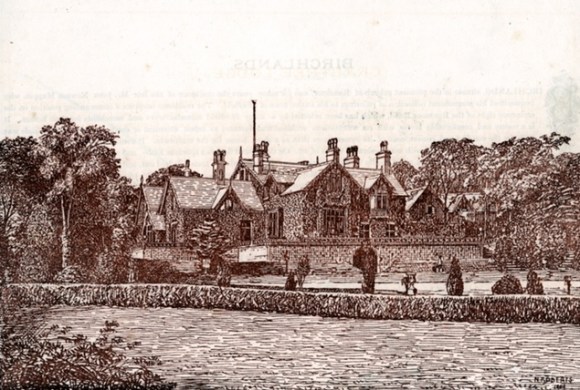
Crabtree Lodge, Pitsmoor, Sheffield. The only known sketch of the house is by N. Roberts in 1884. Image: Picture Sheffield

In 1884, a newspaper reported that Crabtree Lodge was a pleasantly-situated residence, in a district of Sheffield which had grown very rapidly. Pitsmoor had lost its rural charm, but this big house remained at the corner of Crabtree Lane.

It was a mansion in the picturesque old English style built in the nineteenth century, allegedly for a Mr Rotherham.

It later became home to Charles Atkinson, J.P. (1800-1879), chief partner in the firm of Marriott and Atkinson, Fitzalan Works, Attercliffe, one time Mayor, and Master Cutler. He had started as a travelling salesman for George Marriott and took his daughter as his first wife.

In 1875, he published a pamphlet called ‘Sheffield as it was; Sheffield as it is; Sheffield as it should be; by an old Grammar School boy of 1808.’

“I have endeavoured to show what Sheffield was 60 years ago, and what it is now. With all its increase of population and wealth, and yet without a good street as a leading thoroughfare, the centre of town a complete blot; the public buildings scarcely reaching to mediocrity and situated as they are in bye streets. While its merchants and manufacturers have made advancement in the race of improvement, the town itself remains much the same as it was in the days of Chaucer.”

On his death in 1880, the house and its contents were put up for sale and described thus: –

“The house contains a spacious entrance hall, noble dining room, excellent drawing rooms, library, and boudoir, loft corridors, good bedrooms, pantries, kitchens, larders, and every convenience. There is a four-stall stable with coach-house, and coachman’s room over. A small conservatory, with mushroom beds and potting sheds. The grounds of over 2 acres are tastefully laid out, being terraced up to the house, with an ornamental lake below, having a fountain in the centre. There is also a well-stocked and productive kitchen garden. There is also three acres of pastureland. It is held under two leases from the Duke of Norfolk.”
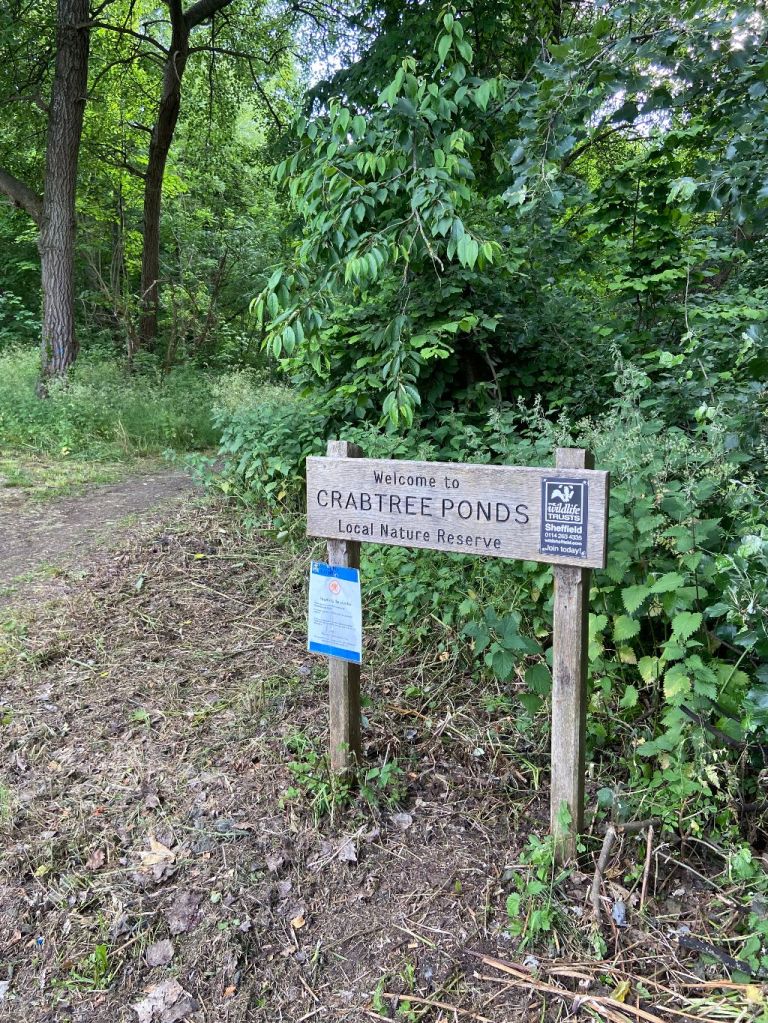
Crabtree Ponds. Image: DJP/2022

It was acquired in 1881 by Edward Tozer (1820-1890), a partner in the firm of Steel, Peech and Tozer, steel manufacturers, another Mayor of Sheffield, and twice Master Cutler of Hallamshire.

He was a rags-to-riches story, born in comparative poverty, and rising to become a partner in one of Sheffield’s best-known firms. He was born at Clifton, near Bristol, the son of a brewer, who came to Sheffield. Following his father’s death, he was brought up by his mother who opened a school in Victoria Street.

At the age of eleven, Tozer started work with Sanderson Brothers on West Street and remained to become Managing Director. He eventually left to and joined Henry Steel, T. Hampton, and William Peech in the management of the Phoenix Bessemer Works

It was during Tozer’s time that tragedy occurred at Crabtree Lodge.

In 1886, his youngest daughter, Margaret, aged 19, suffering from ‘religious mania’, went to an upstairs room and committed suicide by swallowing a bottle of sulphuric acid.

Edward Tozer died, aged 70,  in 1890, and Crabtree Lodge passed to Francis Markham Tindall, head of Thomas Marrian and Co, Burton Weir Brewery, Attercliffe, who died in 1902.

It is not without doubt that by now the city had encroached upon Crabtree Lodge and it spent years being offered for sale or to rent. In 1907, it was briefly home to Ernest Adames, a district manager of an assurance company, but appears empty until World War One.
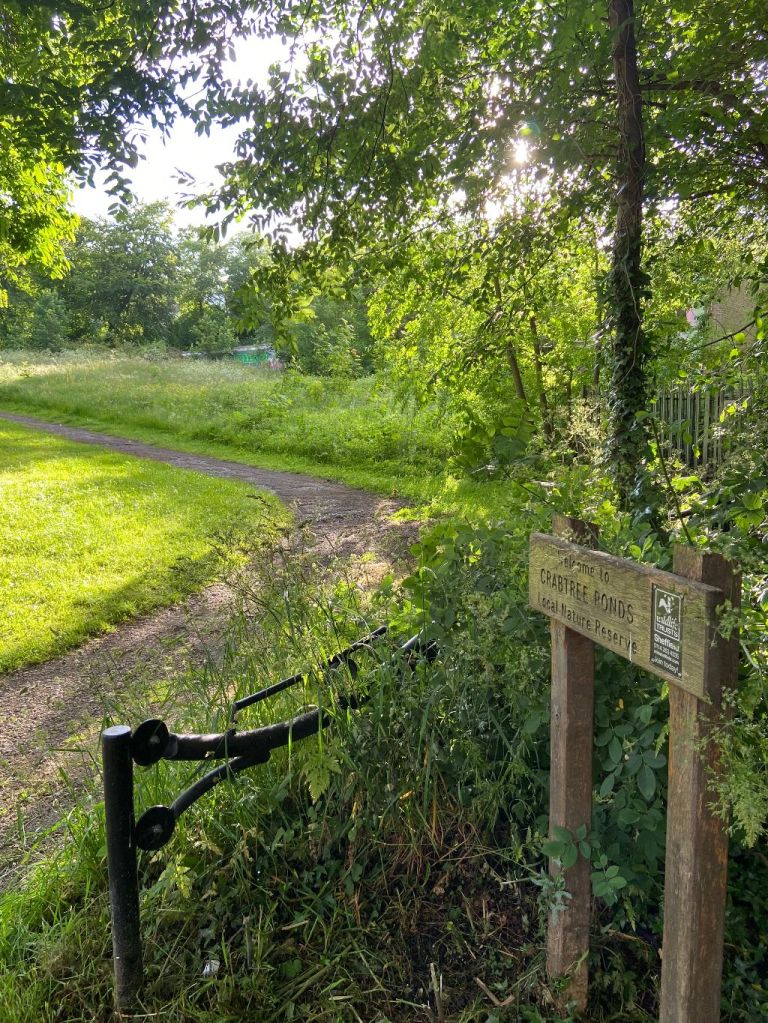
Crabtree Ponds. Image: DJP/2022

In 1916, the Y.W.C.A. secured the lease as a hostel for the recreation and rest of women and girls coming to Sheffield and engaged in munition work.

“The house is going to be so nice when it is finished,” said Miss Goldie, the warden.

“The house has been unoccupied for some time, and the grounds have suffered in consequence, yet such imperfections as a break in the stone balustrade which surrounds the delightful terrace only seems to give an air of romance and makes the house appear older than it probably is.

“The large dining hall with panelled dado, surmounted with green duresco and dark oak ceiling, is considered one of the finest rooms in Sheffield, and here the girls will sit at tables laid for six and look out from a large lattice-paned window over a stretch of country blocked on the horizon by Wincobank Hill.”

After the war, Crabtree Lodge, referred to as The Hostel, was managed by a committee of ladies, although still affiliated to the Y.W.C.A., and lasted until 1927. It was advertised as a private hotel or boarding house but survived as a place for meetings and functions with garden fetes regularly taking place in the grounds. It was later converted into flats, and there is a suggestion that the grounds may also have been used as a T.A. Centre.
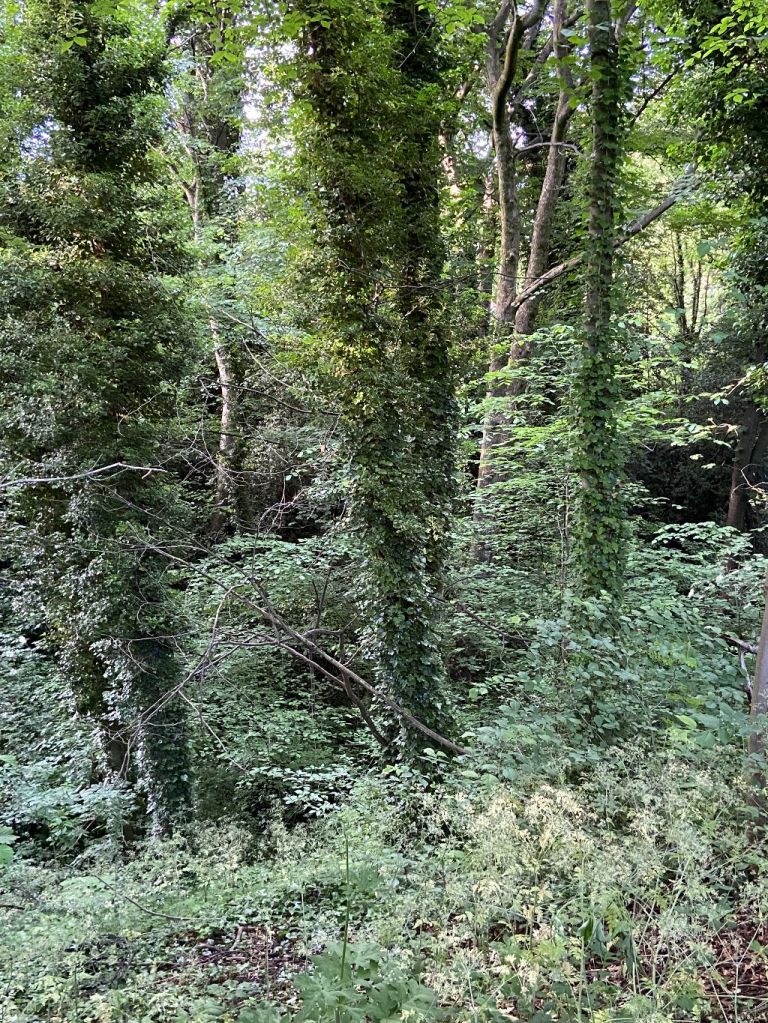
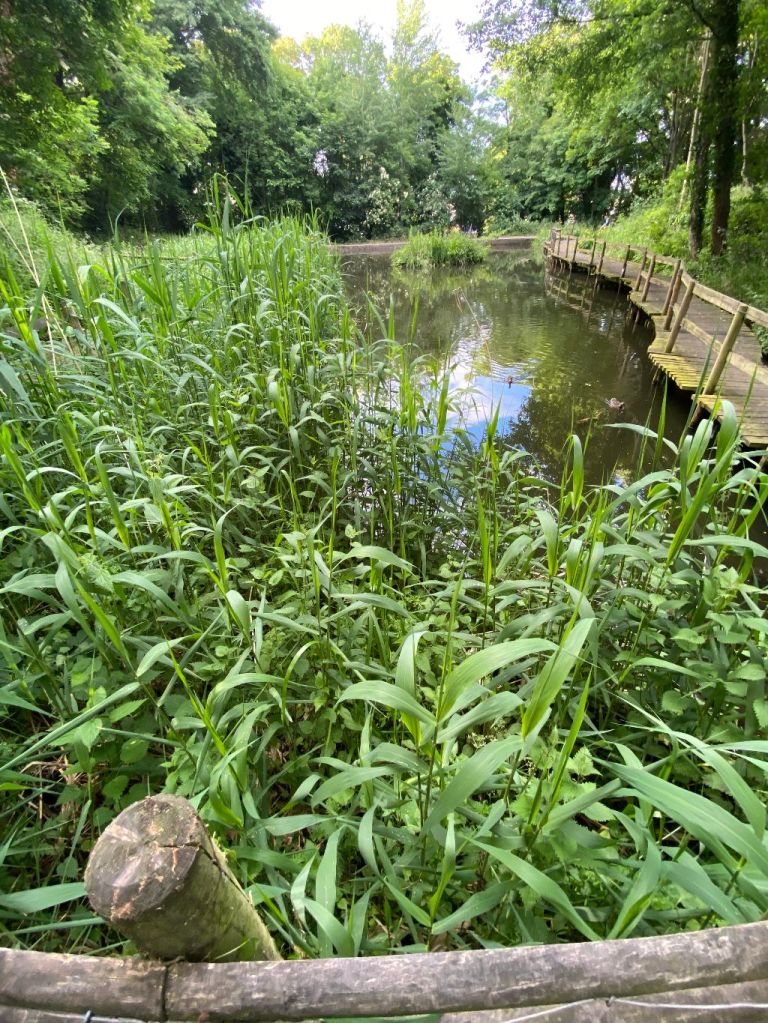
Crabtree Ponds. Image: DJP/2022

We might consider the area to be called Burngreave now, and the lodge was eventually demolished, the site used as  the Norbury Home for Elderly People.

But its gardens and ponds remained and today form Crabtree Ponds, a large area of standing water abundant with aquatic life such as rudd, roach, perch, crucian carp, sticklebacks and even eels. Bats fly from nearby Roe Woods to feed on the ponds.
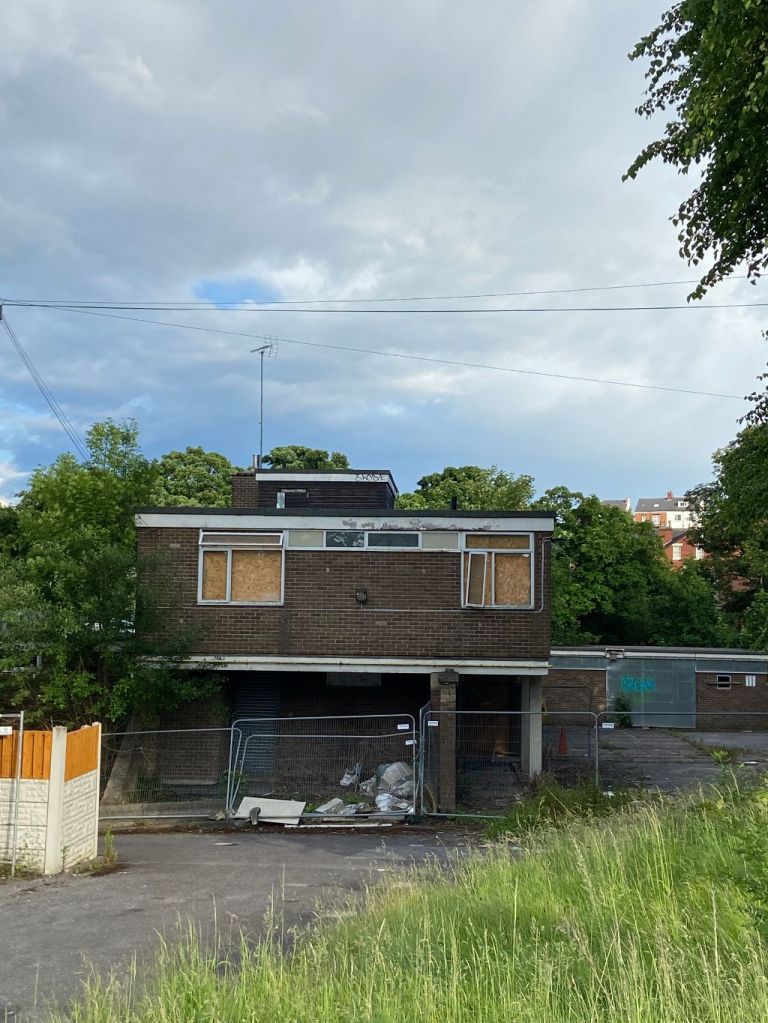
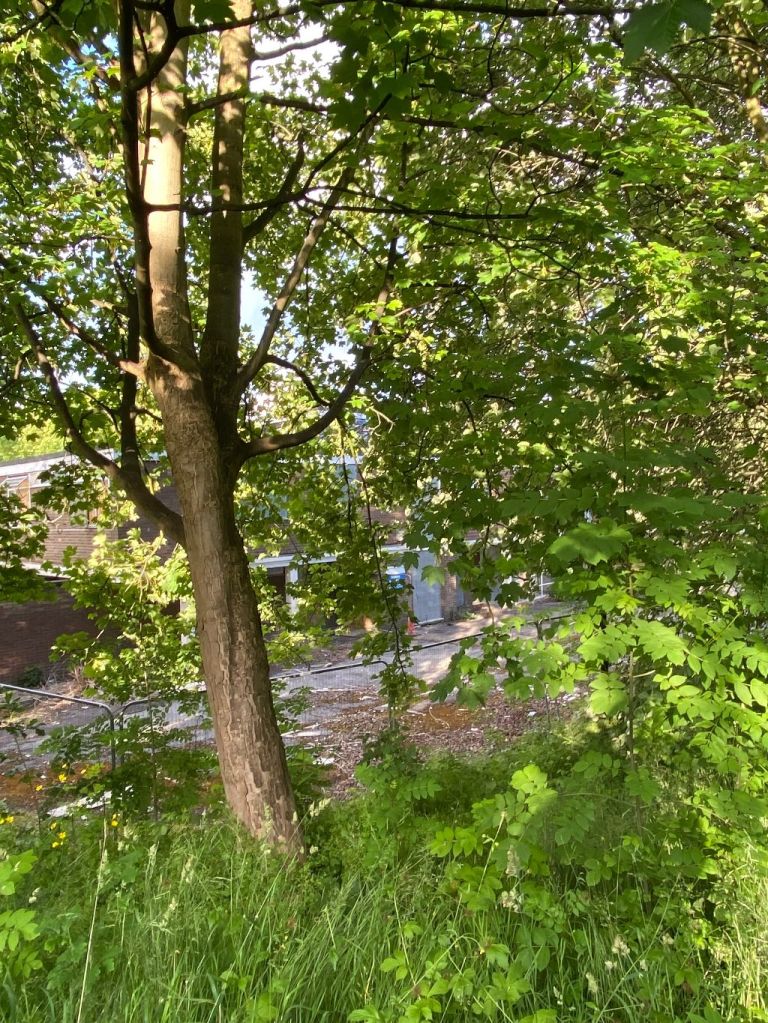
Former Norbury Home for Elderly People. Image: DJP/2022
Crabtree Ponds. Image: DJP/2022

©2022 David Poole. All Rights Reserved.
Categories
Buildings

The Mount – Flockton’s Folly is about to go full circle

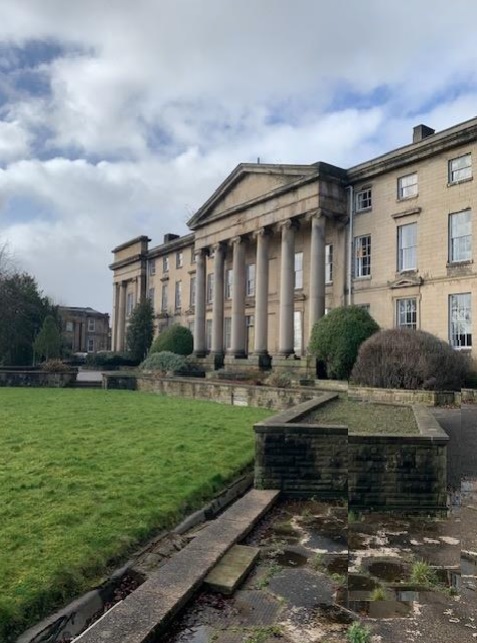
The Mount. View from landscaped gardens towards portico on southern elevation. Axis Architecture

History has the gift of repeating itself, and this applies to one of Sheffield’s forgotten masterpieces. I am referring to The Mount, on the north side of Glossop Road, at the top of the hill, in which a listed planning application has been submitted by Broomgrove Properties and Axis Architecture to convert the Grade II* listed property  into fifty-five residential apartments.

Its beauty is lost amidst the urban sprawl of Broomhill, but once upon a time this was an ambitious attempt to recreate the grand terraces of Bath’s Royal Crescent and London’s Regent’s Park. It was built between 1830-1832 by William Flockton, aged 26, a builder, and forever famous as one of Sheffield’s leading architects.

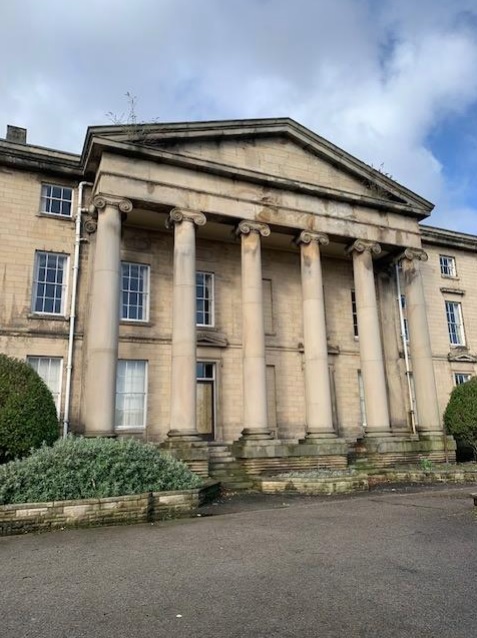
Pevsner describes it as “a palace-fronted terrace of eight houses, seventeen bays long, with an Ionic giant portico of six columns carrying a pediment and end pavilions with giant columns in antis.

Main portico of the Flockton range, southern elevation. Image: Axis Architecture
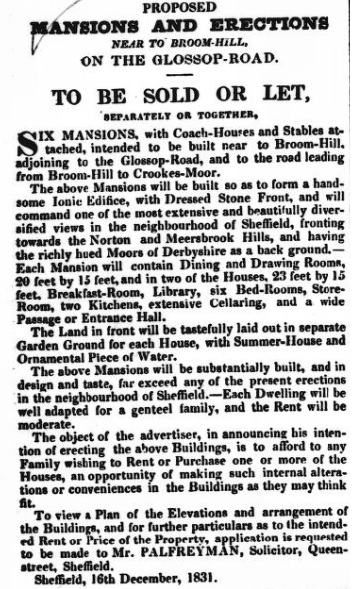
Newspaper advertisement from 1831. Interesting to note that in this proposal there are only six mansions. There were eight when it was built. Image: British Newspaper Archive

The Mount, located in rural surroundings, looked like a country house but contained several individual mansions. It was first advertised in 1832 and allowed prospective occupants to view a shell before adjusting the interior to individual needs.

It was referred to as ‘Flockton’s Folly’ because for the first eight years after construction it was only occupied by one person. But its popularity increased and became a place of literary fame when James Montgomery lived and died here, while John Holland, another noted Sheffield poet, lived in one of the houses – occupied by William Parkin for 33 years – until his own death.

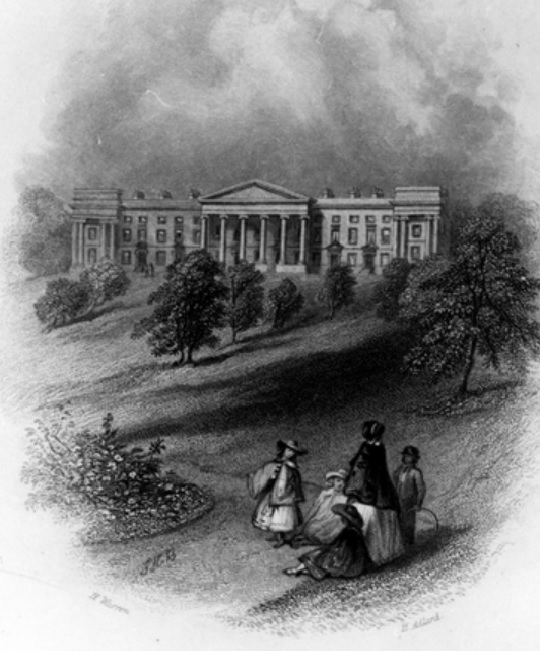
The Mount, 1849. Built of stone with an Ioninic giant portico of six columns carrying a pediment in 1834 by architect William Flockton. It was the first home of the Wilsons of Snuff Mill fame. Once the home of James Montgomery. Image: Picture Sheffield

The fame of The Mount says that a ballot was once taken as to who should become the tenant of one of the houses.

Other well-known people who lived at The Mount included, Walton J. Hadfield, the City Surveyor who lived at number 2 from 1926 to 1934, James Wilkinson, the iron and steel merchant who lived at number 6 from 1837 to 1862 and George Wostenholm, the cutlery manufacturer, who lived at number 8 between 1837 and 1841. Numbers 14 and 16 were lived in by George Wilson, the snuff manufacturer, between 1857 and 1867, one house not being big enough for his family. While another George Wilson, who was managing director of Charles Cammell and Co for many years, also lived at The Mount.

In time, it was occupied by “headmasters, ministers, station masters, and all sorts of people.”

The Mount was used as the basis for the nearby Wesleyan Proprietary Grammar School, later Wesley College, and now King Edward VII School, in 1838.

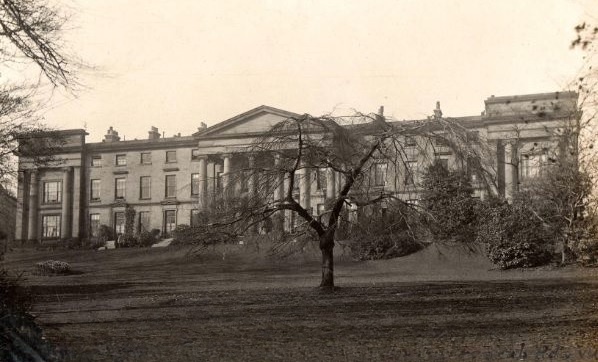
The Mount, Glossop Road, Sheffield. 1900-1919. This image was originally part of the Tim Hale Photographic Collection. It was purchased at auction in September 2019 through donations from members of the public and a grant from the Graves Trust. Image: Picture Sheffield

In 1914, John Walsh, the department store owner, bought The Mount and served notice on its tenants. The need to expand his city centre store meant that his live-in shop assistants needed new accommodation. Numbers 10-16 were used for the purpose, and when the Blitz of 1940 destroyed the store, the building was used as temporary retail space for a year.

It was bought by United Steel Companies in 1958 and converted into offices, with extensive additions to the rear, by Sheffield architects Mansell Jenkinson Partnership, who also installed lifts. In 1967 it became the regional headquarters of British Steel Corporation and in 1978 was purchased by the insurance company General Accident, later becoming Norwich Union.

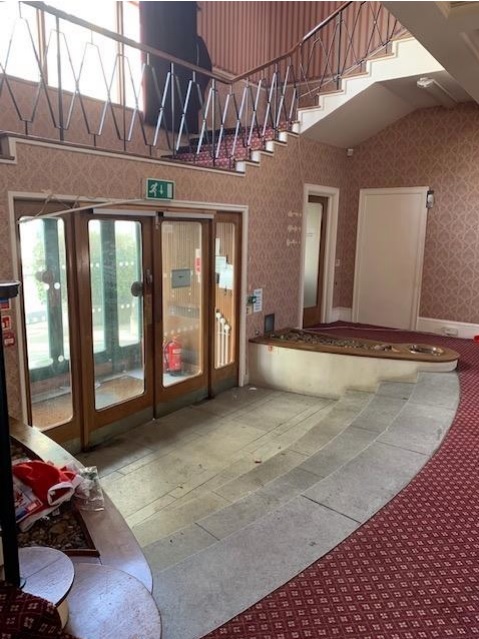
Existing galleried office entrance inserted into Flockton range as part of 1960’s office conversion. Image: Axis Architecture
View of typical room in Flockton range with dividing wall removed. Image: Axis Architecture

For a long time, The Mount was owned by Aviva (formed from the merger of Norwich Union and Commercial General Union) but was rented to A+ English, a language school, which carried out significant improvements to the offices.

The latest planning application calls for fifty-five residential apartments (with a mix of 1, 2, and 3, bedroom and studio units), including single-storey infill extensions at ground floor level, a single-storey rooftop extension to the existing annex, formation of four basement lightwells to the listed range, and provision of internal/external residents’ parking and associated landscaping. In addition, the proposals allow the removal of the through vehicular route, with access from Newbould Lane closed, and with an infill extension at ground floor level to provide in effect a new main entrance for the development and space for a concierge.

Ornate fireplace. Image: Axis Architecture
The Mount. Internal view looking towards north elevation of Flockton range. Image: Axis Architecture

©2022 David Poole. All Rights Reserved.
Categories
Buildings

Boots on West Street is an architectural treat

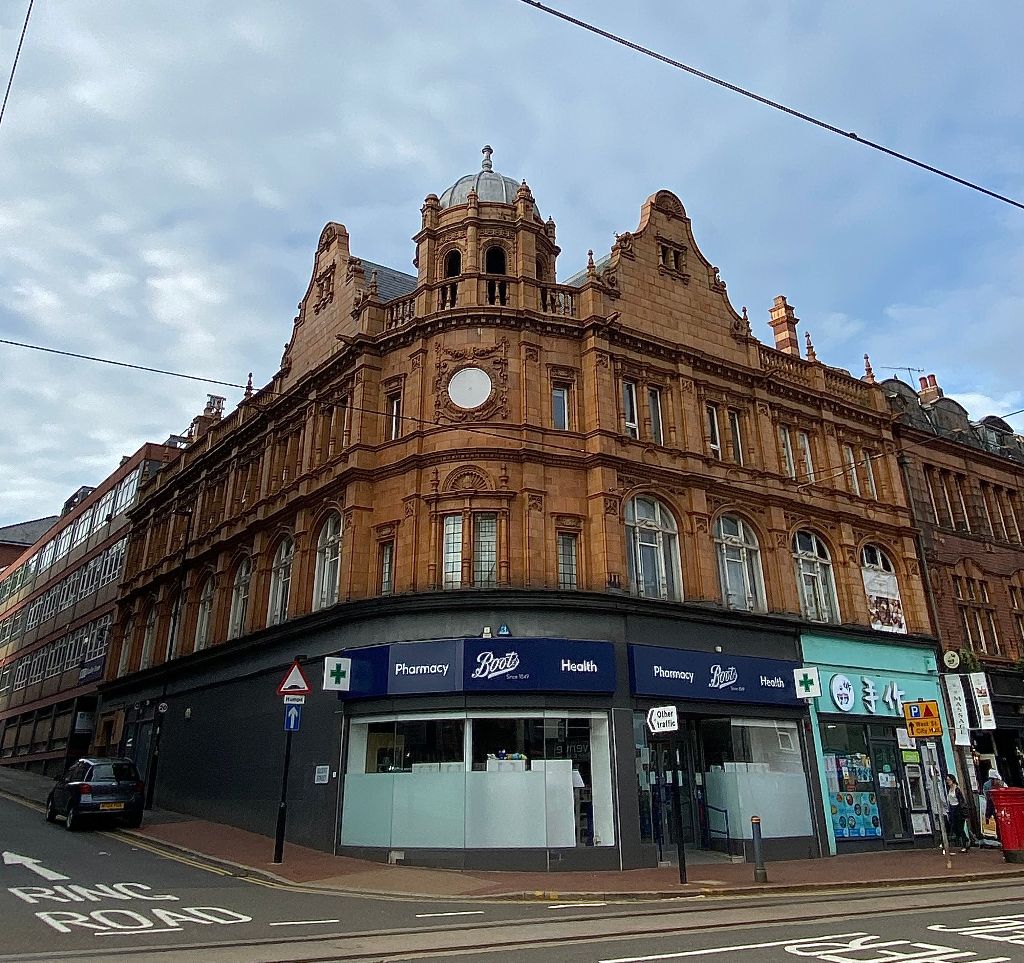
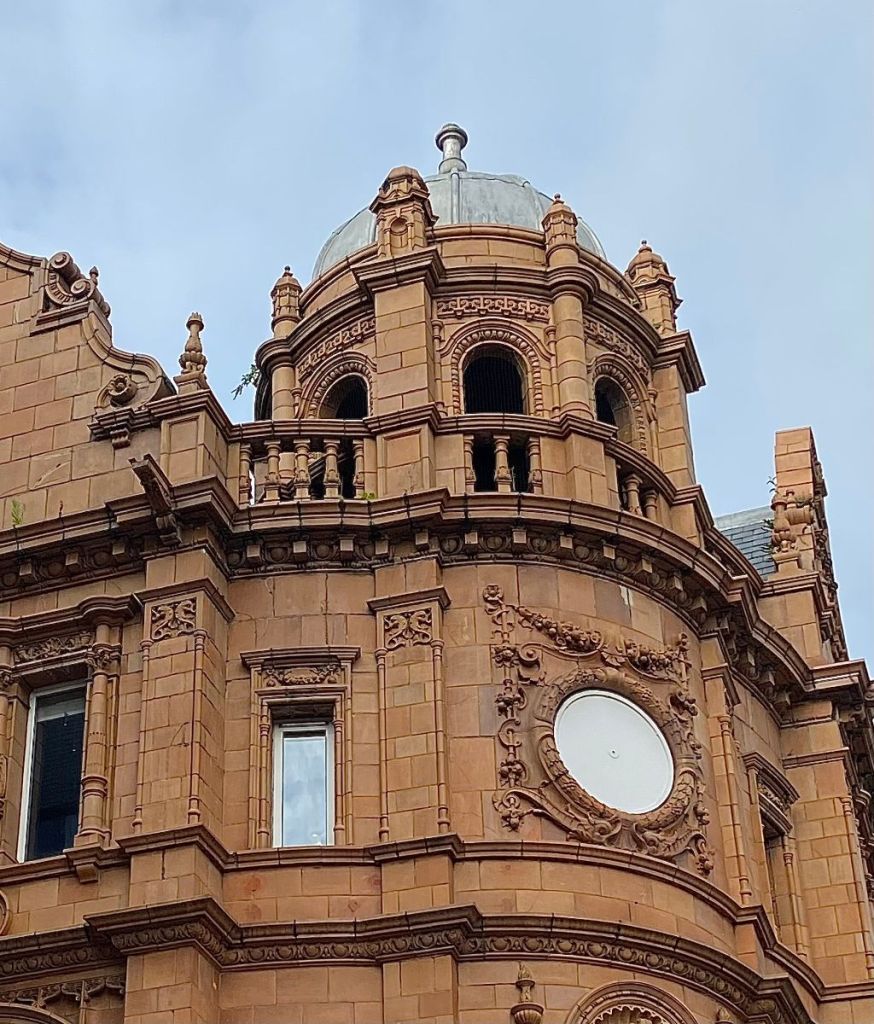
Boots, West Street, Sheffield. Designed by Albert Nelson Bromley. Image: DJP/2022

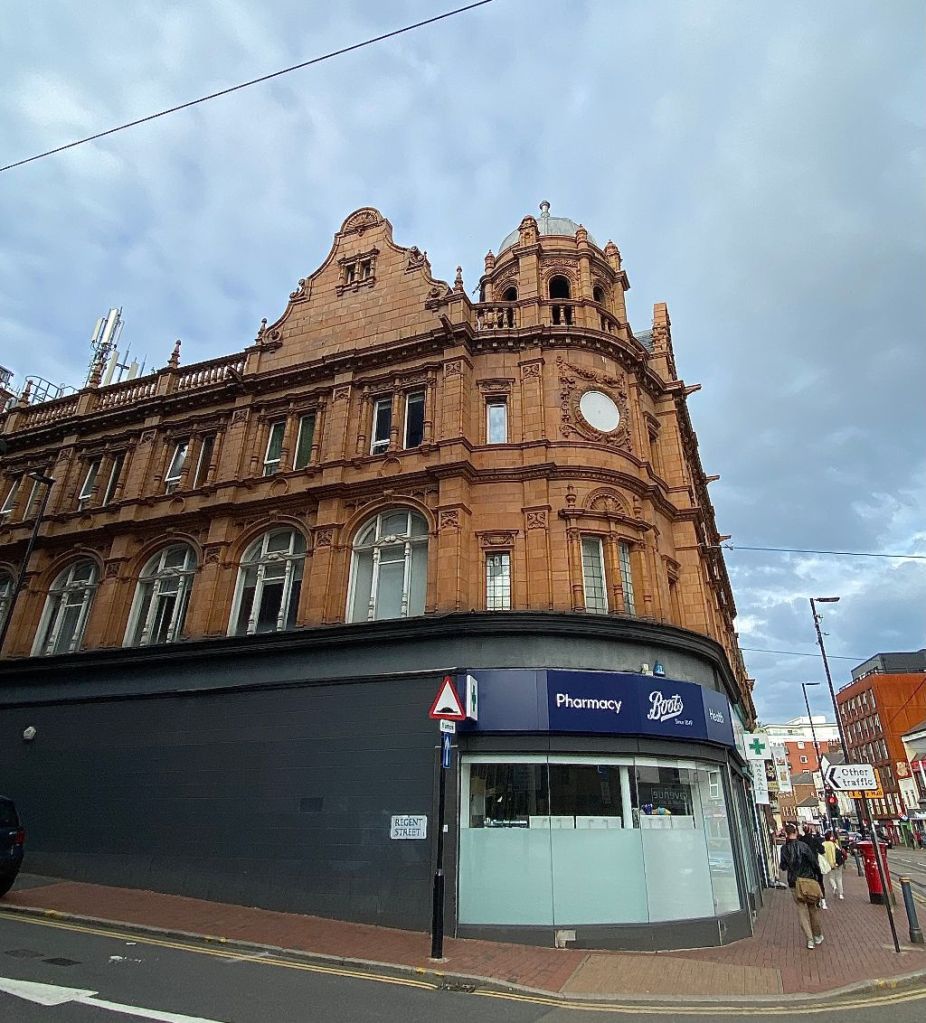
The Victorians knew how to build shops. And this is a perfect example of elaborate architecture. It is Boots, on West Street, at its corner with Regent Street. There has been a Boots here since 1890, which makes it one of Sheffield’s oldest shops.

“It was built in Free Renaissance house style, executed in light brown faience, with big Flemish gables, an open parapet, and a cupola on the corner with a dome,” says Pevsner.

Forget the shop, it is what happens at roof level that intrigues me most. How often do people go up there? What secrets lie within that cupola? What will the view from it look like?

Boots was established in 1849 by John Boot, but it was his son, Jesse, who built the company into a household name with stores all over the world. I’ve mentioned before that its first chemist branch outside Nottingham was at Spital Hill, and Sheffield played an important part in its growth.

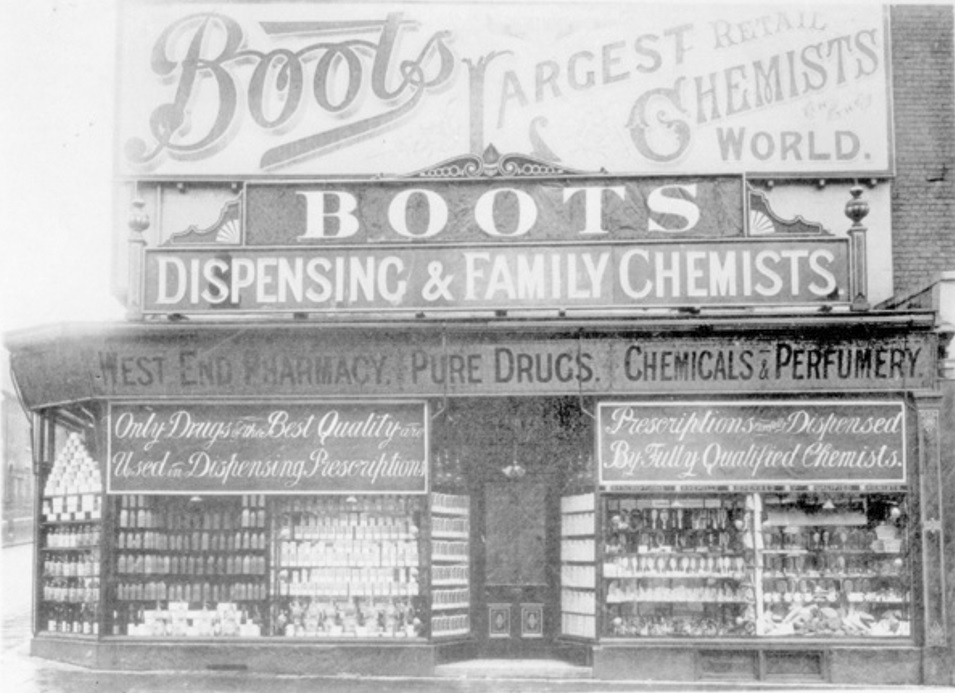
The building we see is not the original shop. The old store was three storeys high, comprising a commodious shop, with seven large plate-glass windows, on the first floor six stock rooms, and on the second floor, six similar rooms. The site itself was held on an 800 year lease from 1 October 1825.

Boots Cash Chemists, No 252-254, West Street (Store 41). This original store was demolished and rebuilt in 1905-06. Image: Picture Sheffield

In 1905, the old store was rebuilt, and Boots took temporary premises opposite for its chemist, while fancy goods were sold from a shop higher up at the corner with Victoria Street.

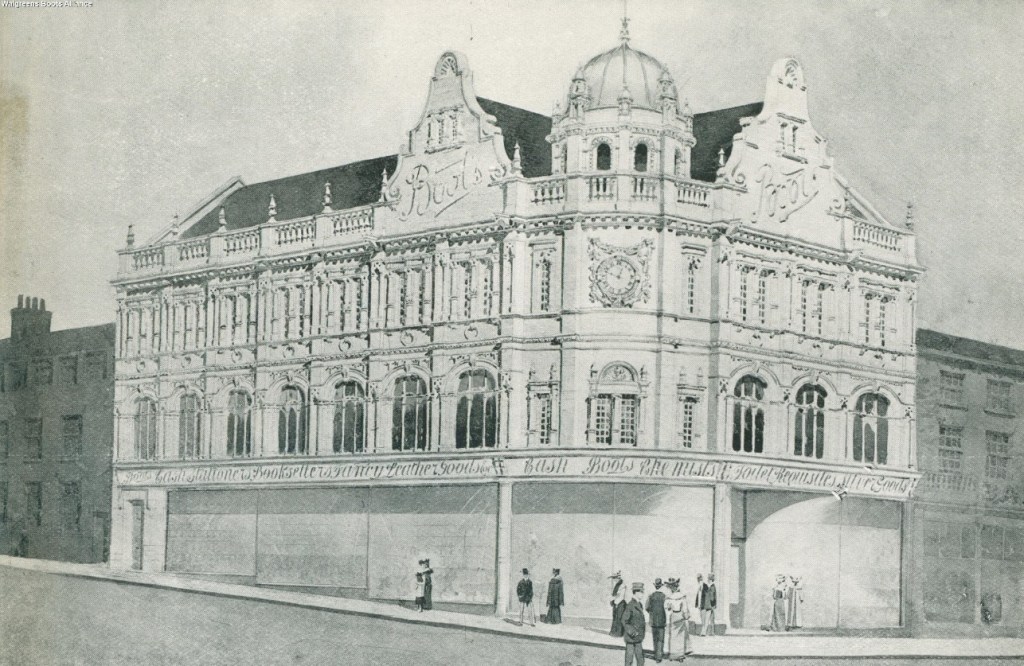
The new shop opened in 1906 and was designed by Albert Nelson Bromley (1820-1934), whose work in Sheffield had already included a Boots branch in 1904 at Attercliffe. (It also survives, home to Samara Lounge, but for years as the Zeenat Restaurant).

West Street and Regent Street. From the Boots Scribbling Diary of 1906. Image: Walgreens Boots Alliance Heritage

The West Street branch followed the company tradition of purpose-built branches, faced in caramel-coloured glazed terracotta, often with shaped gables or corner turrets. The detailing followed French Renaissance and English Jacobean architecture, often including hybrid sea creatures in its decoration.

A good example of this can be found at Pelham Street, once Boots’ flagship Nottingham store, now occupied by Zara. West Street, although built on a much smaller scale, is a replica, still in original form, except for the disappearance of the corner clock. The terracotta may be Doulton’s Carraraware, which was specified for Boots’ branch in Southend in 1915.

Boots, West Street, Sheffield. Look closely at the elaborate decoration featuring sea creatures. A clock has long disappeared. Image: DJP/2022

Albert Nelson Bromley, the architect, was born in Stafford, and moved to Nottingham to live with his uncle, architect Frederick Bakewell. He joined his office and became a fellow member of RIBA in 1872. He was on the point of taking up a post in Manchester when he was encouraged to spend time sketching buildings on the continent.

Between 1872-73 he visited 90 towns and cities, including Bruges, Chartres, Heidelberg, Prague, Venice, Siena, Athens, and Constantinople. In ‘Work and Sport: Memories of an Architect’ (1934), he stated that the object of the book was “mainly to reduce to readable proportions his ‘Continental Diary of my Architectural Travels.’

Gifted in the use of the pencil, pen, and brush, he executed watercolours of high artistic merit.

On returning to England, Bromley re-joined his uncle’s practice although their partnership was dissolved in 1876. He became principal architect for Nottingham School Board and did work for Nottingham Tramway Company. But it was his work for Boots that he is best remembered for, a relationship that lasted into the 1920s.

Over a hundred years later, this modern-day Boots is a far cry from its origins, described back in the day as a ‘Chemist, Fine Art Dealer, and Bookseller.’

Special thanks to Kathryn A Morrison for providing historical date about Boots and Albert Nelson Bromley.

Boots, West Street, Sheffield. It is likely that ground-floor plate glass windows originally extended up Regent Street. The floors above are now used as offices. Image: DJP/2022

©2022 David Poole. All Rights Reserved.
Categories
Buildings Streets

Cambridge Street – while you were sleeping last night

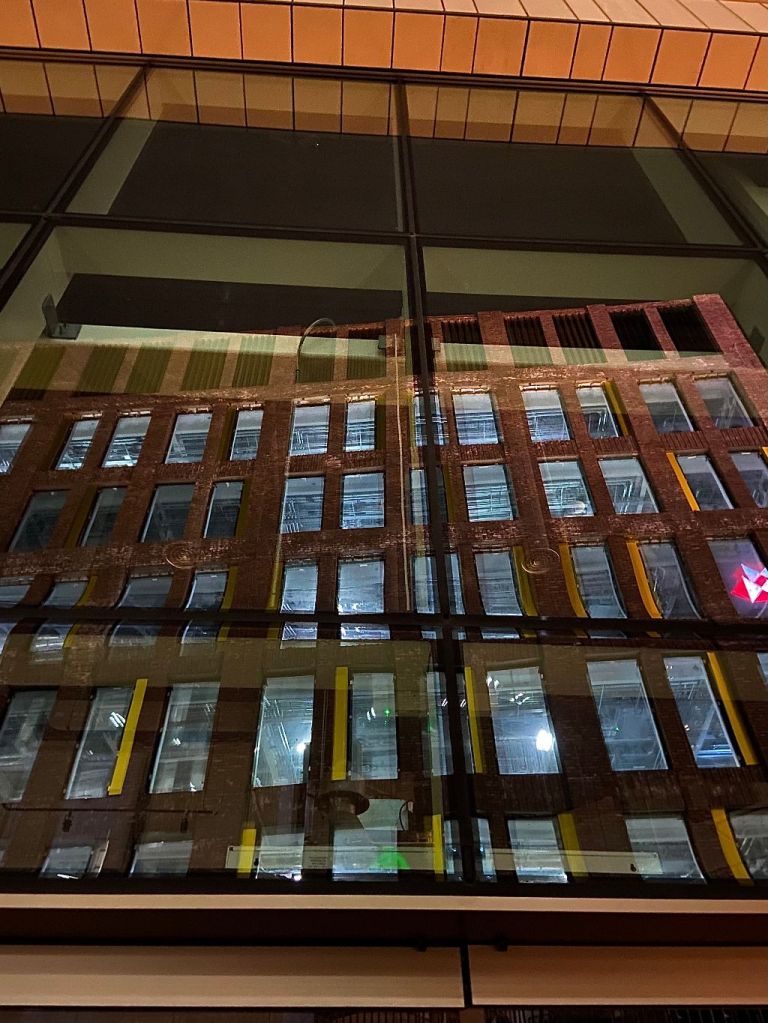
Image: David Poole

Cambridge Street at 3am. The changing face of our city centre.

Grosvenor House, home to HSBC, with the reflection of the almost-complete Isaacs Building opposite. Both buildings form part of Sheffield’s Heart of the City development.

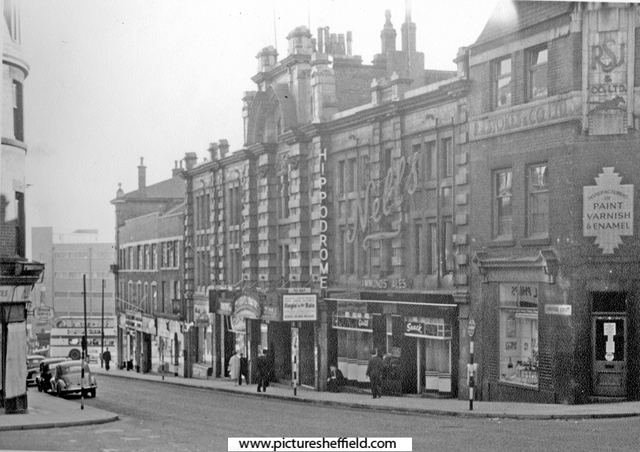
Once upon a time, this was the site of Barrasford’s Hippodrome presenting music hall acts and films projected from the Barrascope. It was soon renamed the Hippodrome Theatre of Varieties and was Sheffield’s largest theatre. 

It eventually became the Hippodrome Cinema, demolished in 1963, and the Grosvenor House Hotel and retail outlets built in its place. History likes reinventing itself, and the hotel was itself demolished in 2016-2017.

Hippodrome Theatre opened 23 December 1907 as a Music Hall. Became a permanent cinema on 20 July 1931. In 1948, came under the management of The Tivoli (Sheffield) Ltd. Closed 2 March 1963 and demolished. Image: Maurice Parkin/Picture Sheffield 

©2022 David Poole. All Rights Reserved.
Categories
Buildings Streets

Thomas Street – the people are returning

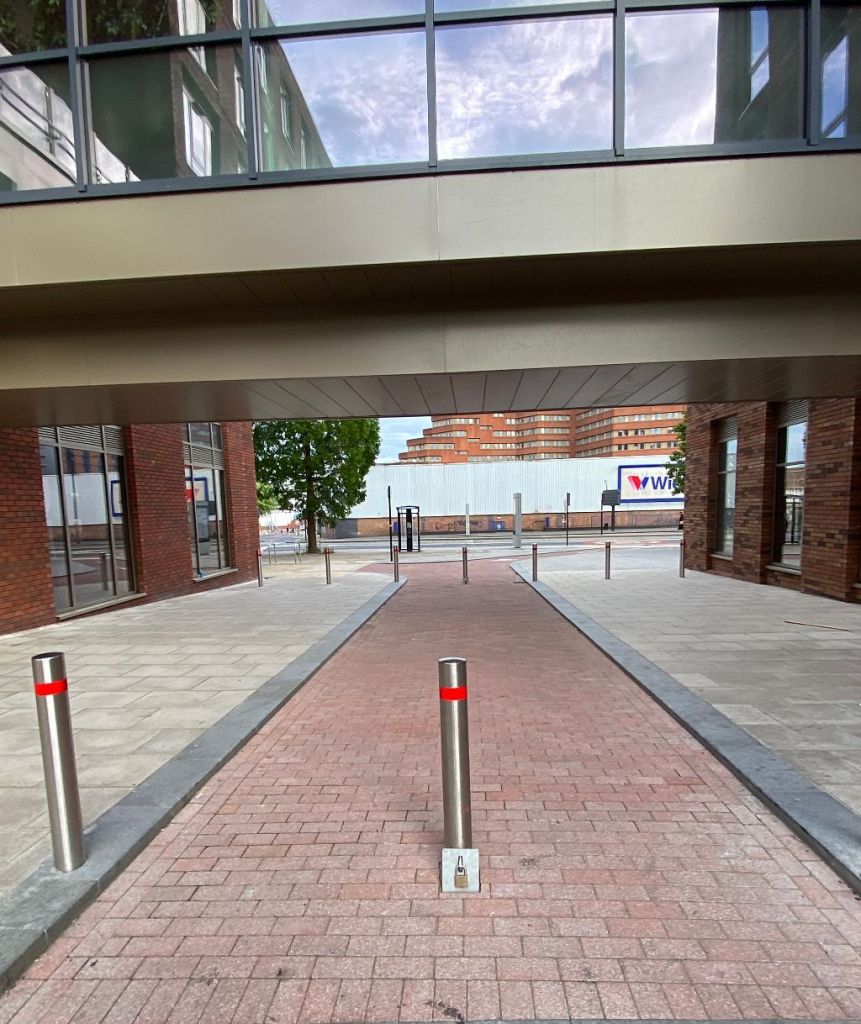
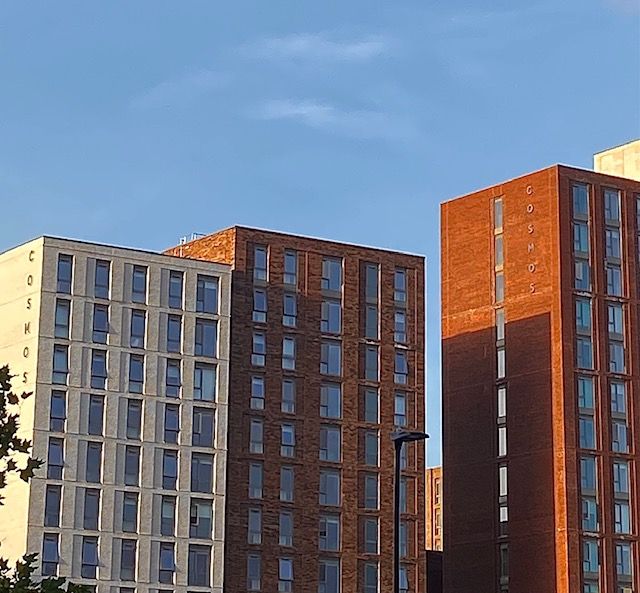
Thomas Street, looking towards Moore Street, with a covered walkway between Cosmos, recently constructed student accommodation.

This was formerly the site of Stokes Tiles, but back in 1892 we would have been looking at a much narrower Thomas Street, with the Noah’s Ark public house evident. The council paid £750 for 113 square yards of freehold land from Tennant Bros for the purpose of widening these streets.

Former back-to-back housing in the area was cleared and made way for industry, but times change, and the people are returning.

In the background is the Moorfoot Building, and Wickes, this land now under ownership of NewRiver, owners of The Moor, and I’m informed will be assigned for further residential development.

Cosmos. New student accommodation situated at the corner of Fitzwilliam Street and Moore Street. The people are returning to Sheffield city centre. Image: DJP/2021

©2022 David Poole. All Rights Reserved.
Categories
Buildings

Cornish Works – the last substantial development opportunity at Kelham Island

Image: DJP/2022

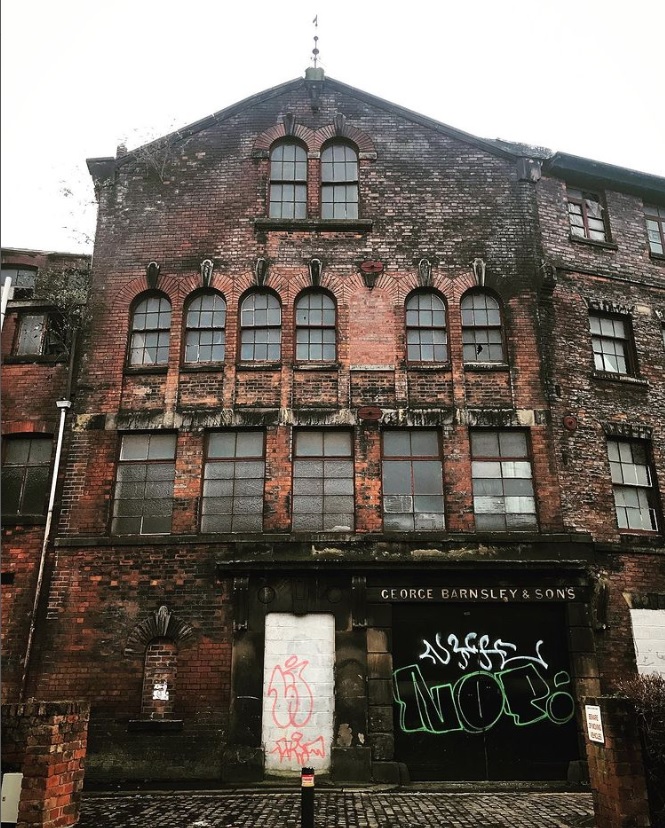
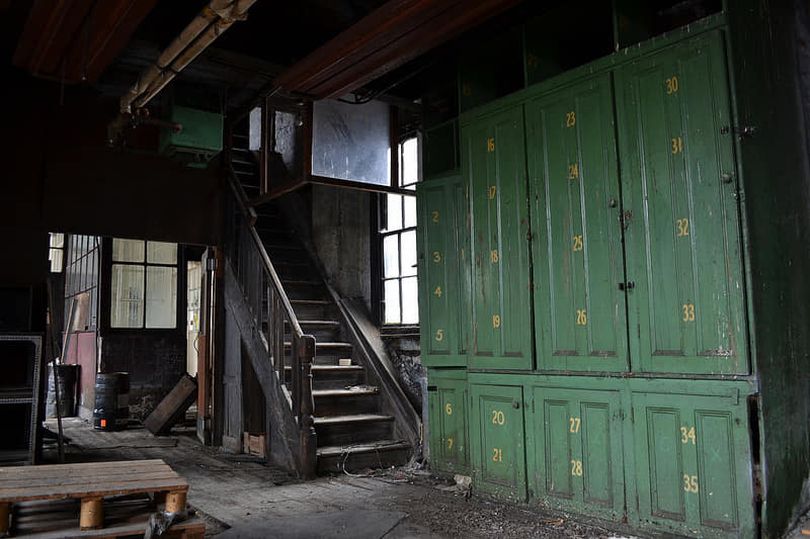
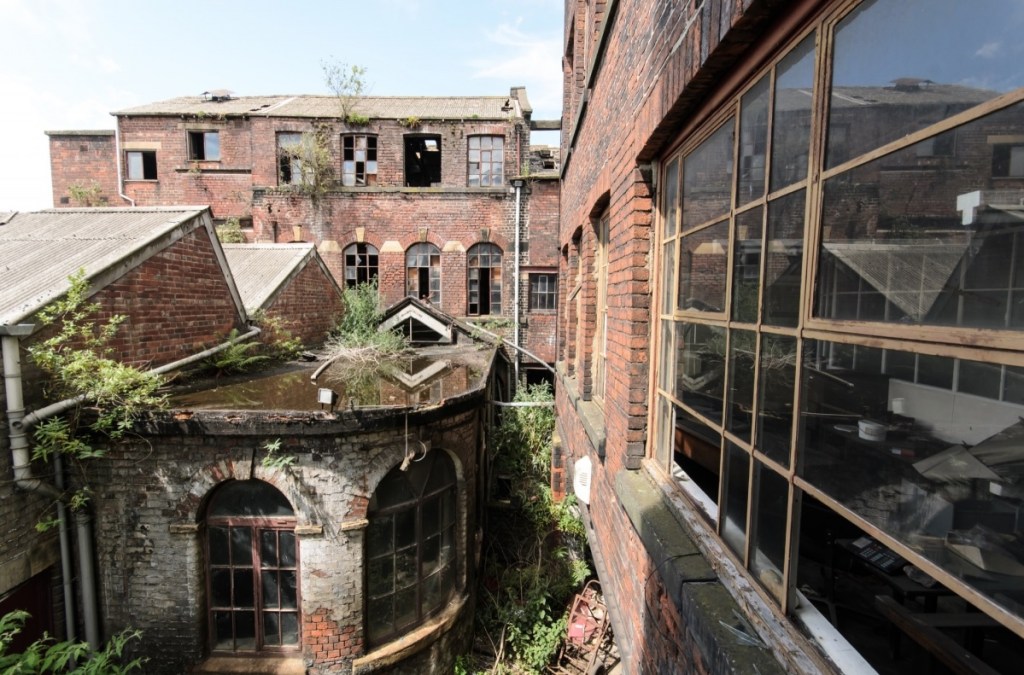
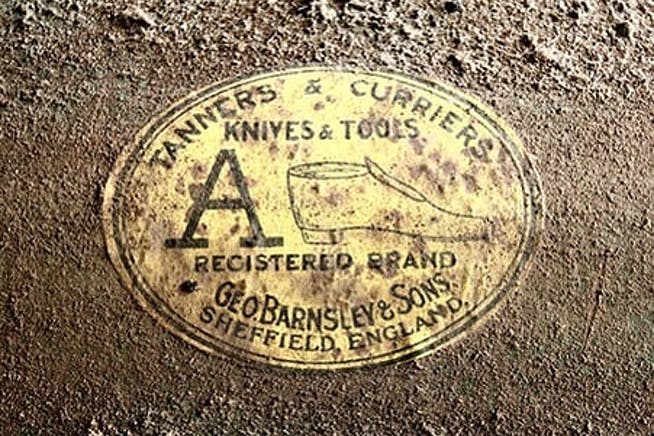
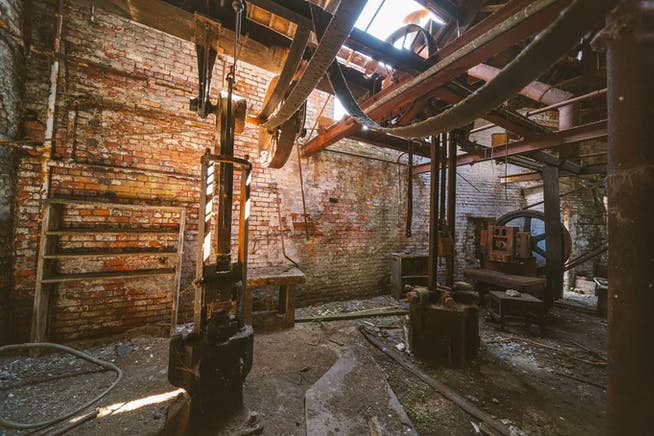
If I had a favourite building in Sheffield, this would be it. Cornish Works, abandoned, derelict, still charming, is one of the last substantial development opportunities at Kelham Island. This was once home to George Barnsley and Sons, specialists in files and cutting tools for leather workers and the shoe-making industry.

Unlike many famous Sheffield firms, its name lives on in premises at Mowbray Street. But for many years the business was located here, at Cornish Street, a narrow road, that is slowly readying itself for regeneration.

If I had made this year’s Sunday Times Rich List, then I might have considered paying the £1.65m being asked for it, and substantially more for it to be made good. Until somebody else does, the building falls into ruin.

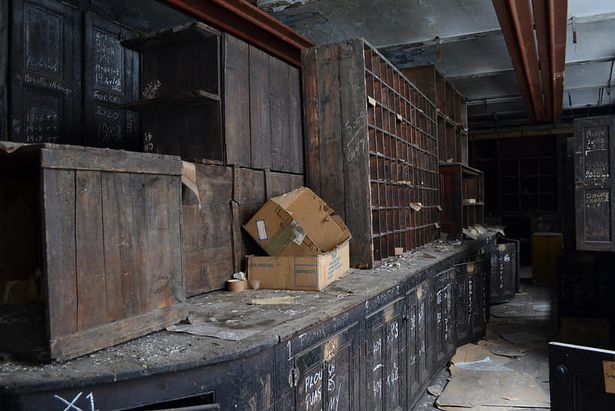
“It is an amazing labyrinth,” said a friend of mine. “Obsolete machinery has become museum pieces, old offices have finely crafted woodwork, and everywhere you look there’s evidence of Victorian and Edwardian history. But nature is taking over, with greenery covering old courtyards, the sides of buildings, and encroaching inside. Roofs have collapsed and birds have made home. It is an urban explorer’s paradise, most of whom show the respect it deserves, but the big worry is that one day somebody will set it on fire.”  

Image: Leeds Explorer

Cornish Works is a collection of listed buildings, including crucible furnaces and a dwelling house, constructed about 1850, and extended in the later nineteenth century.

Image: The Time Chamber

George Barnsley was a manufacturer of files and other tools. He was born into humble surroundings in 1810 and educated at the Boys’ Charity School,

However, aged 26, he was clever enough to start a file making firm on Wheeldon Street and moved into the new Cornish Works in 1850, improving his product range to include shoes and butchers’ knives. He was a member of the Town Council for the St Philip’s Ward, and a member of the Cutlers’ Company.

Image: Colloco
Image: Colloco

His son, George Jnr, joined the company as a travelling salesman at 14 and was made a partner when he reached twenty-one. He took over the company on the death of his father in 1874.

Like George Snr, he became a Town Councillor, as well as becoming an alderman, J.P., and Master Cutler.

George Jnr died at Oakvale, Collegiate Crescent, in 1895, and the business passed to his son, Henry, who steered the business through the difficult times of the twentieth century. 

But when he died in 1958, the number of employees had dwindled to around one hundred, and by the time the works closed in 2004 only a handful remained in this cavernous and dilapidated workspace.

The name eventually passed to the Mowbray Manufacturing Company of which it is now a wholly owned subsidiary.

Image: Colloco

©2022 David Poole. All Rights Reserved.
Categories
Streets

Earl Way – while you were sleeping last night

While you were sleeping last night. This is a wet and deserted Earl Way, which lies parallel between The Moor and Eyre Street.

If we go back to Norman times, and the time of Thomas de Furnival, this was thought to have been the site of a large ditch at the edge of Sheffield Deer Park, one of England’s largest deer parks, and spanning a circumference of eight miles in total.

Earl Way is modern compared to most Sheffield roads. It was created in the second half of the twentieth century when this part of the city centre was redeveloped. Prior to this, there were three significant roads in the vicinity.

These were Porter Street, that ran diagonally from Hereford Street, towards Moorhead, and Porter Lane, a narrow road that linked it with Union Lane.

Union Lane once ran from Charles Street, near to the Roebuck Tavern, across Furnival Road (now Furnival Gate) and ended at Jessop Street (where the Moor Market now stands). The only surviving section of Union Lane is behind Derwent House, near The Roebuck (think deer).

In this photograph, it would have run along the left hand side where the former Plug nightclub and Kit-Kat car-park stand. Porter Street would have been to the right.

If we could go back in time, right in the centre of the picture, and in the middle of the road, would have been Porter Street School.

There were two reasons why Earl Way came into being.

Up until the 1930s, this was an area of back-to-back housing and designated for slum clearance. Then came World War Two. German bombs caused extensive damage around The Moor, Porter Street, and Eyre Street, leaving the site to be redeveloped afterwards.

Union Lane disappeared, and Earl Way was built as a link road to Earl Street (seen running across the end of the road here).

And familiar landmarks appeared too, including the Pump Tavern, later demolished to make way for the Moor Market, and Violet May, a record shop, run by a pivotal figure in the development of the music scene in Sheffield.

Perhaps the most dramatic modern building is the Kit-Kat car-park, designed by Broadway Malyan in 2008, and sold for £9m last month by joint owners NewRiver and BRAVO Strategies.

©2022 David Poole. All Rights Reserved.
Categories
Buildings

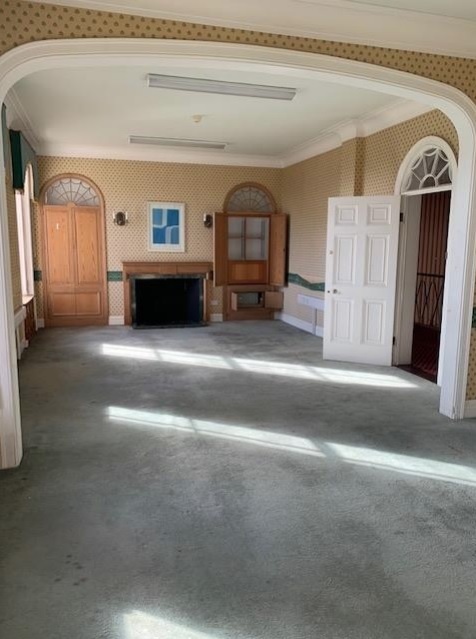
Charles Street Station

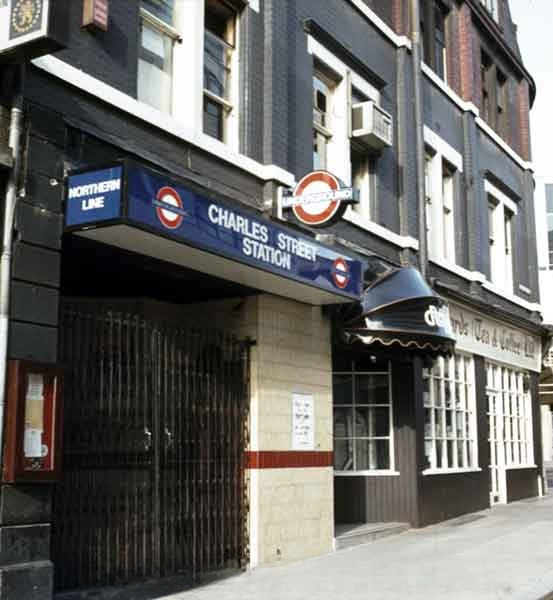
Charles Street Station. Image: Picture Sheffield/P. David Turton

A photograph that will confuse younger generations. Doing an excellent job at imitating the London Underground, this was Charles Street Station, pictured in 1983. This was a theme bar, but such was the authenticity, that Omnia, the online cultural site, includes the image on its London Underground pages. It was incorporated within the Isaacs Building, built by David Isaacs, a wallpaper merchant, in 1905.

Isaacs Building was an example of Edwardian entrepreneurship, the ground floor containing seven shop units with an assembly hall above, its entrance being from Charles Street. The top floor of the building contained offices and several workshops, mostly rented by enterprising tailoring businesses.

The assembly hall was once the Sheffield Trades Club and in the 1970s was converted into a nightclub, its various incarnations being Faces, Raffles, Charlie Parker’s and Freedom. For a time, the old basement was used as Charles Street Station.

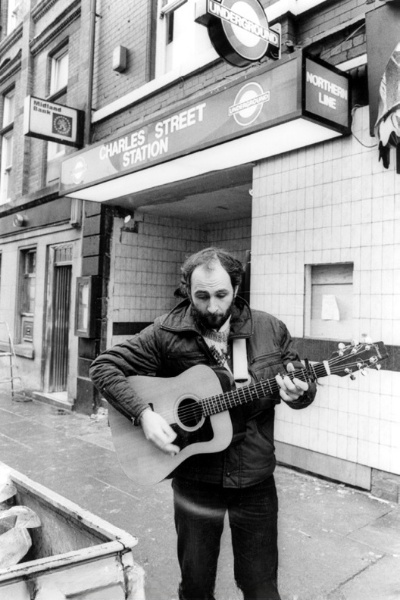
Stephen Shephard busking outside Charles Street Station in 1983. Image: Picture Sheffield/Sheffield Newspapers Ltd

The bar was short-lived, and the entire building was demolished in 2020 as part of the Heart of the City redevelopment. Its replacement, modern office-space, with ground-floor retail units, is nearing completion, and is also called Isaacs Building.

©2022 David Poole. All Rights Reserved. Supporting Picture Sheffield
Categories
People

Sheffield’s forgotten man of history

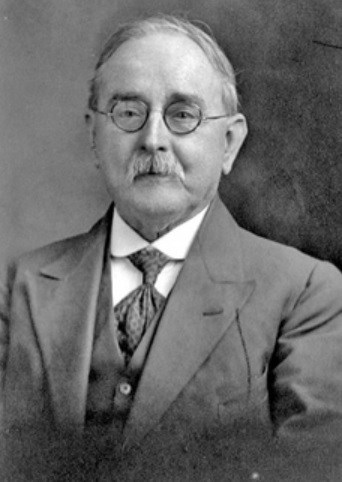
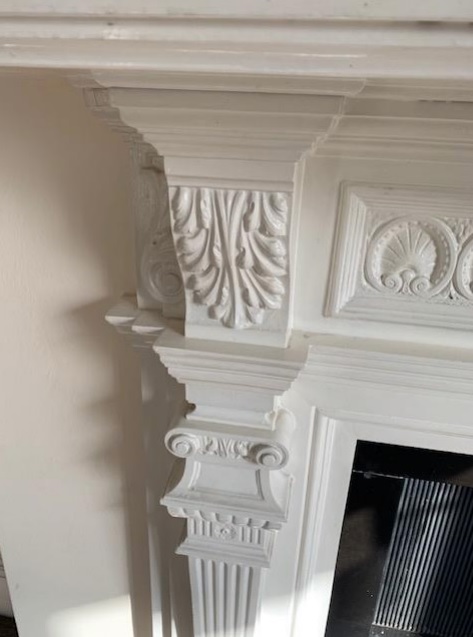
Henry Tatton. Image: Picture Sheffield

A few weeks ago, I was in a bit of a quagmire. I had pages and pages of research notes and needed something to piece them together. I spent hours cross-checking facts, but a vital link was missing. And then I found a letter in an old newspaper that proved to be my eureka moment.

The letter was written in 1933 by Henry Tatton, who solved my mystery in five short paragraphs. I was ecstatic and thought it only right to thank him on my Facebook page.

Sadly, Henry will not have seen my appreciation because he is long-dead. But I could imagine an elderly gentleman, writing at his kitchen table, not knowing how important his words would prove to be almost ninety years later.

And then, I decided to find out a bit more about him. What I found was quite significant.

Sheffield has had fine historians – Robert Eadon Leader, Rev. William Odom, Edward Vickers, Peter Harvey, the list goes on – and the name of Henry Tatton should also be included. He turned out to be a prolific letter writer, each one providing insight into our history.

Sheffield Daily Telegraph. June 1927. A typical letter from Henry Tatton

Henry was born in Sheffield in 1864, the son of Adam and Mary Tatton, and lived at Sheaf Gardens. He was educated at Brunswick Wesleyan Day School and in 1878 was working as a pattern maker to Thomas Steade, iron founder, in Cemetery Road.

He married Susan in 1889 at Townhead Street Baptist Chapel and lived at Lancing Road, off Shoreham Street. In 1898, they had a shop in Matilda Street and, along with his father, an ironmonger’s stall in the Norfolk Market Hall.

Advertisement from 1929. Henry Tatton, Norfolk Market Hall

It is said that, after moving to 69 Ranby Road in 1919, Henry learnt to draw, and began recording his memories in a series of notebooks. However, I suspect that his talents went back much further when, as a young man,  he appears to have studied drawing at the Sheffield Mechanics’ Institute.

His drawings were copied from old newspapers, but many were originals. The reason he gave for his work was his ‘love of his native Sheffield.’ He retired in 1929 and, despite failing eyesight, completed his third notebook in 1931. Six years later, in 1937,  the three thick foolscap notebooks were presented to Sheffield City Libraries, where they remain.

One of the factors that makes the books even more interesting were the dated notes of the state of each building when he wrote. He paid particular attention to any prospect of demolition, and this was often the reason for choosing a building to sketch.

A sample of Henry Tatton’s work.

In 1939, Henry added to his reminiscences with thirty-six closely-written manuscript pages.

He recalled the time that he saw the last stagecoach come into Sheffield. It was from Chesterfield and stopped at the Travellers’ Rest on The Moor. Shops under the names of Roberts, Atkinsons, and Binns, were just being opened.

After giving close details of shops and other buildings in High Street, Church Street, Fargate, Angel Street – which were then only wide enough to allow the passage of two wagonettes – he told of the suburbs as they were in those days.

The outskirts of town were surrounded by natural beauty, and bounded by Sharrow Lane, Collegiate Crescent, Rock Street, Hyde Park, and Shrewsbury Road.

Ironically, Henry recalls that a fine row of trees was cut down at Highfield, and the resulting public outcry in newspapers against what was considered ‘destruction.’ Yes, history does repeat itself.

He also remembered the days when there was neither ‘telephones nor telegraph’ and ‘hot’ news was collected by hansom cab. Handicap races were run in Hyde Park, and he recalled thrilling races between cabs going to the newspaper offices with the results.

Henry died, almost blind, in 1947, aged eighty-six, and was buried at Norton Cemetery.

There is a rare book, ‘Fine Old Sheffield – An historical walk with Henry Tatton’, edited by Sylvia Anginotti, with meticulous research by Sylvia Jackson, which shaped this article, and the time is right for his notebooks to be reproduced in a book. 

All these years later, it seems strange that this post is cheaply imitating what Henry did best. He saw significant changes, but it might be one he could never have imagined – the internet – that reawakens our interest in one of Sheffield’s forgotten men.

©2022 David Poole. All Rights Reserved.
Categories
Buildings

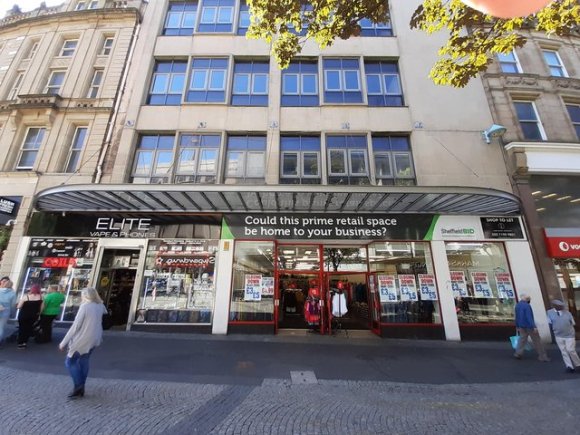
The things you don’t get to see at 20-26 Fargate

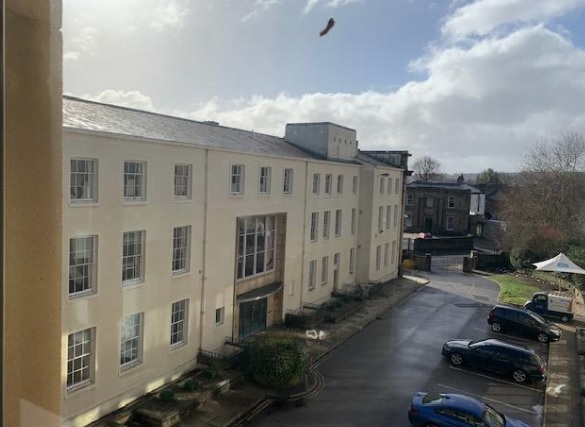
I’ve always said that what interests me most about old buildings is not what you get to see, but what you don’t. It’s about those hidden rooms, above and below, that get forgotten over time.
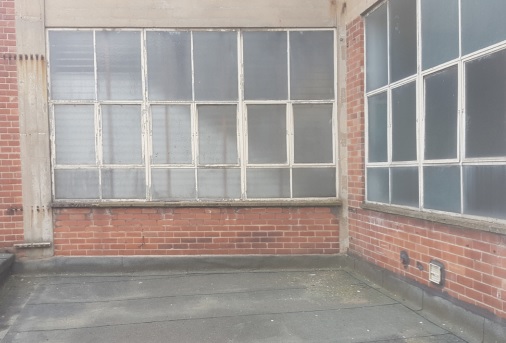
The next time you walk down Fargate, look up, and wonder what happened in those rooms above shops. What secrets do they hold?

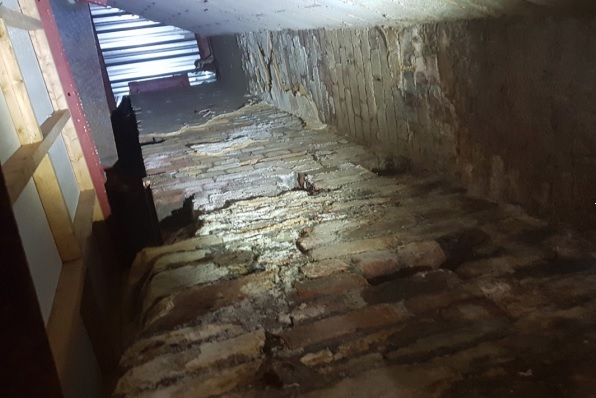
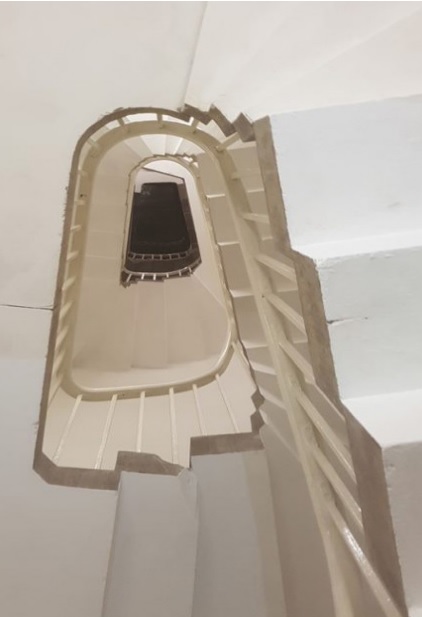
And so, I’m delighted that 20-26 Fargate, subject of an earlier post, has thrown up interesting photographs, including a disused lift shaft, going back to the Victorian times of Robert Foster and Sons, milliners and furniture sellers, and a quite unexpected staircase.

20-26 Fargate. Unused lift shaft. Image: HLP Architects
20-26 Fargate. Stone feature staircase to front of building. Image: HLP Architects
20-26 Fargate. Windows to front elevation. Image: HLP Architects
20-26 Fargate. Flat roof at third floor with views of the Cathedral. Image: HLP Architects
20-26 Fargate. Glazing to north (rear) elevations. Image: HLP Architects

© 2022 David Poole. All Rights Reserved.