Categories
People Places Sculpture

Lost in France: “Back to the happy days at Redmires, and to the long rows of wooden crosses in the valley yonder,”

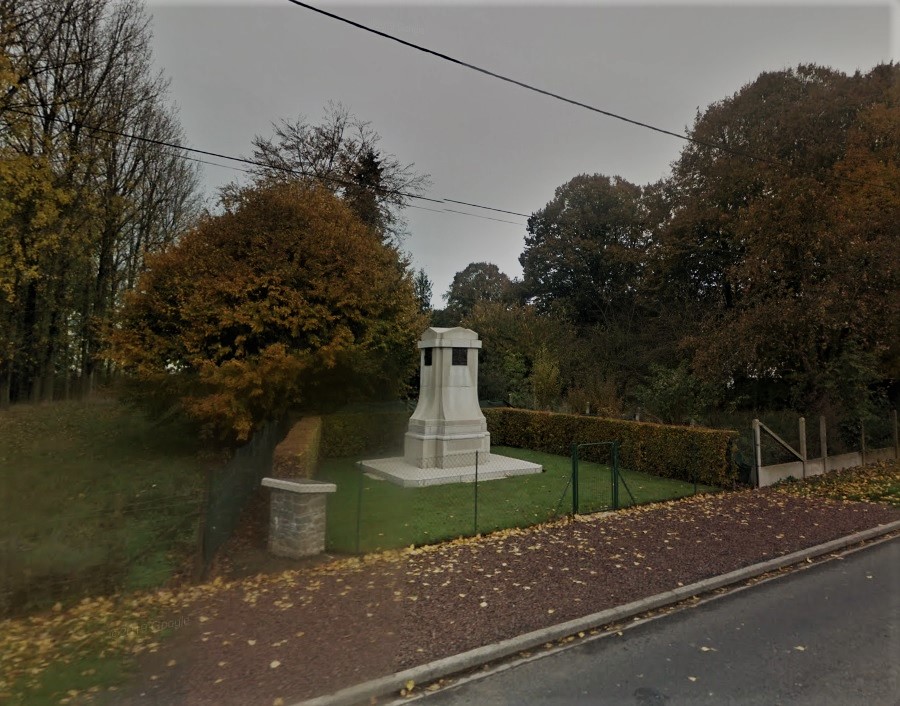
“To the memory of the officers and men of the 12th Battalion York and Lancaster Regiment (Sheffield City Battalion) who fell before Serre 1916.” Photograph: Google.

There are many war memorials and plaques located around Sheffield, including the City War Memorial in Barker’s Pool. All of these are cared for by Sheffield City Council, but did you know that it also maintains the Sheffield Battalion Memorial in Serre-lès-Puisieux, a village in northern France.

On the first day of the Battle of the Somme on 1 July 1916 men of the 12th Battalion, York and Lancaster Regiment (“the Sheffield Pals”) were entrenched ready to launch an attack on the German position in the fortified hilltop hamlet of Serre. The troops met with devastating machine gun fire and by the end of the day, the Battalion reported 248 killed, 246 wounded and 18 missing.

This tiny village has been indelibly stamped on the pages of Sheffield history – stamped with the blood of city sons, for in a fruitless endeavour to take Serre, the Sheffield City Battalion suffered enormous losses.

In October 1920, the Lord Mayor of Sheffield received the following correspondence from the Mayor of Puisieux:

“I am happy to send you the resolution by which the Municipal Council of Puisieux has decided unanimously to offer to the City of Sheffield the ground necessary for the erection of a monument. This monument will perpetuate among the population of Puisieux a souvenir of your dear lost ones. Believe me sincerely, that even without this monument they will not be forgotten.”

After World War One, the area around Puisieux was one of the saddest and most desolate-looking heaps of ruins. It looked like it had been dead for many years! Very little signs of life or vegetation, the once beautiful, wooded country was just a collection of dead stumps and bits of trees—a few odd ones standing here and there, but all dead, as the asphyxiating gas used by the Germans killed every living thing.
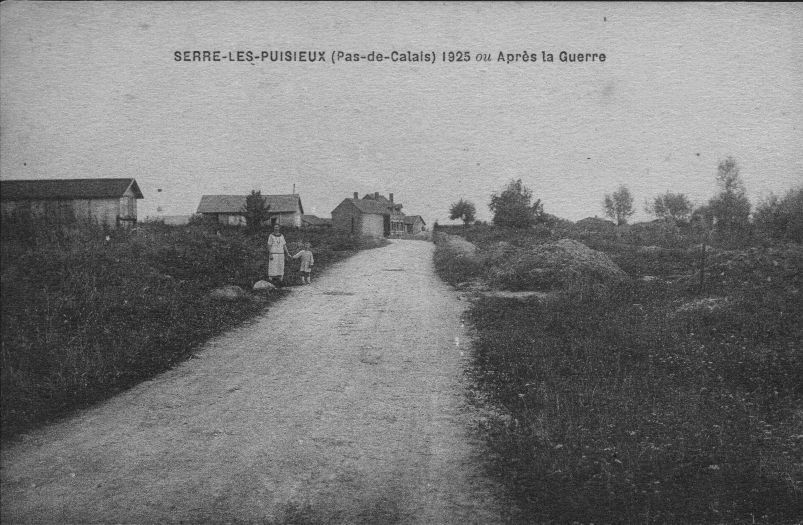
Serre was really part of Puisieux, but had no inhabitants left. Puisieux had about 250 but before the war had a population of over 1,000. The reason they had not returned was the lack of money to work their devastated fields into order again. Sheffield had given a steam tractor, but it was at Arras because no one knew how to drive it, but a man had been sent from Puisieux to take lessons.

A Sheffield-Serre Memorial committee, chaired by Alderman Wardley, raised funds for the memorial, and Major C.B. Flockton, architect, offered a prize of five guineas for the best design, won by J.S. Brown, of Barnsley Road, an ex-serviceman studying in the Department of Architecture at Sheffield University.

The memorial, in Villebois stone, was erected on a slope overlooking the field where within an hour the battalion suffered 600 casualties. On its inscription, in English and French:

“To the memory of the officers and men of the 12th Battalion York and Lancaster Regiment (Sheffield City Battalion) who fell before Serre 1916.”

Above were four bronze plaques, representative of Sheffield’s Coat of Arms, those of Serre, and the regimental badge of the York and Lancasters.

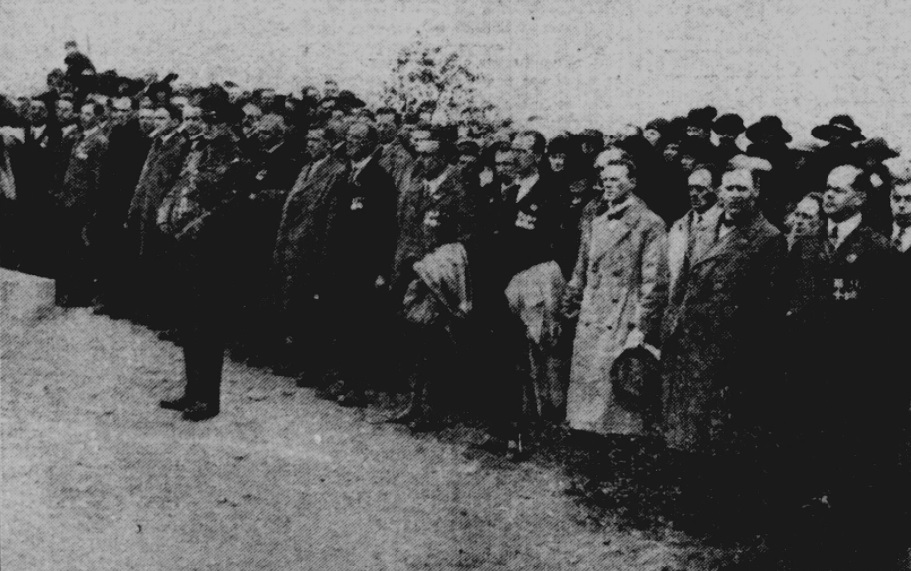
The memorial was unveiled on Monday 21 May 1923. The gathering of Frenchmen and Englishmen included about a hundred people from Sheffield, among them a company of survivors of the battalion, besides parents and friends, and citizens who occupied prominent positions during the war.
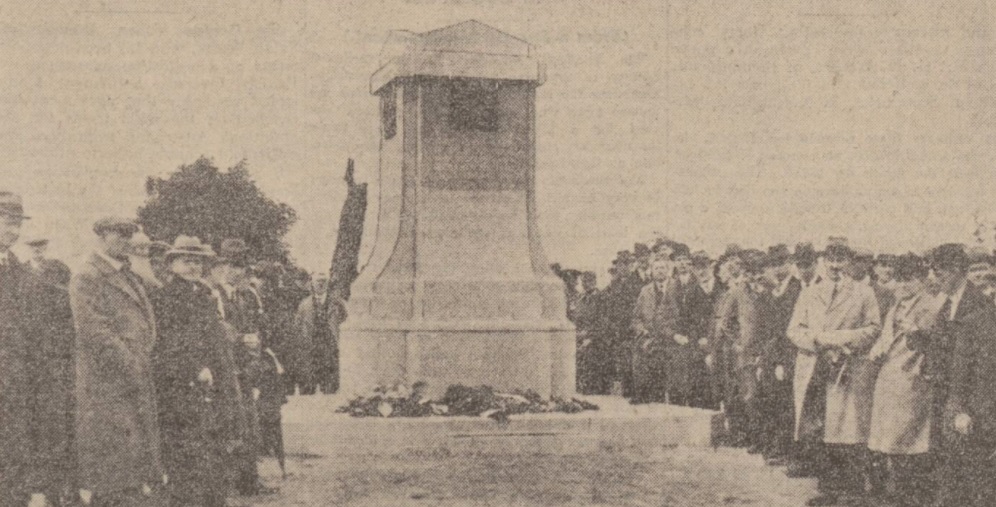
The memorial to those of the City Battalion who fell. On the right were members of the battalion and their friends. Photograph: British Newspaper Archive.

It was unveiled by Lieutenant-Colonel G.H. Wedgewood, D.S.O., commanding the 1st Battalion York and Lancaster Regiment, and was dedicated by Dr H. Gresford Jones, Bishop of Kampala (who was Vicar of Sheffield from 1912 to 1920).

Perhaps the saddest moment of all was the sounding of the Last Post and the Reveille. As these well-known notes rang over the battlefields, thoughts fled back to the happy days at Redmires, and again to the long rows of little wooden crosses in the valley yonder, beside stinted, and blasted trees that had once been copses.
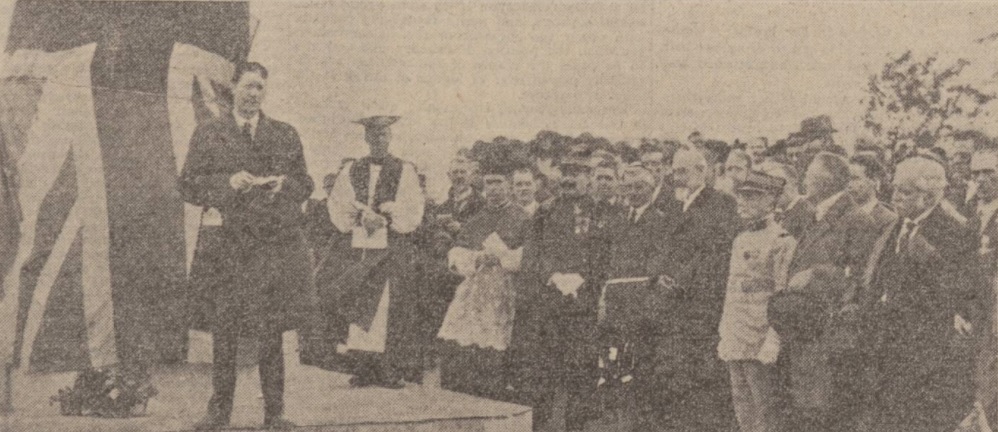
Captain Douglas Leng opened the proceedings before the unveiling ceremony. Photograph: British Newspaper Archive.
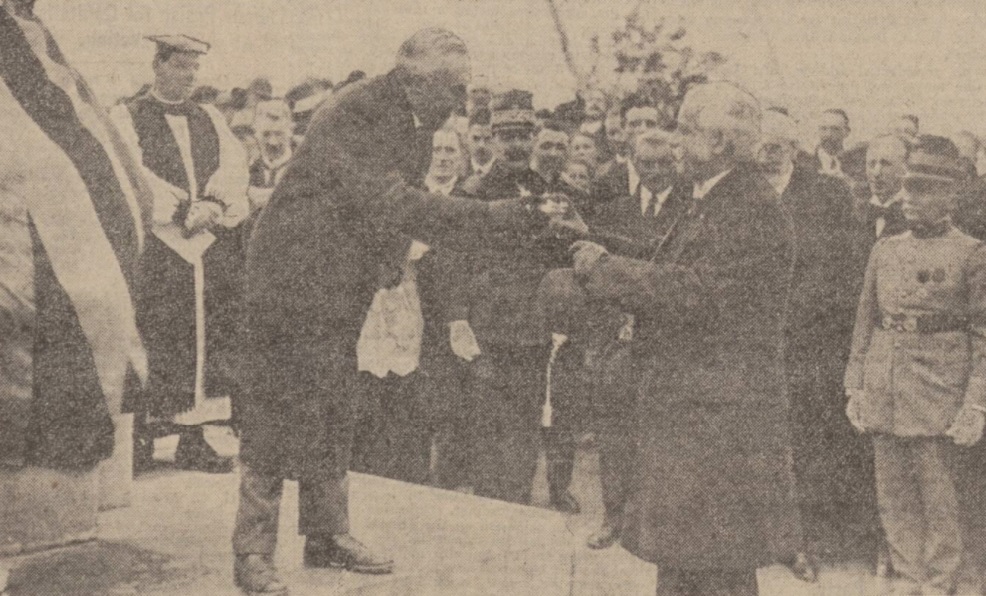
A presentation by the Mayor of Bapaume, Sheffield’s adopted city in France, to the architect of the memorial. Photograph: British Newspaper Archive.
Survivors ready for the march past in May 1923. Photograph: British Newspaper Archive.

In 1926, a large wooden hut was erected nearby, much to the disappointment of survivors, and even the Mayor of Puisieux, who complained that it overshadowed the memorial. After months of negotiation, the owner of the land adjoining the memorial agreed to remove two huts after he was paid 3,000 francs, the cost met by the Sheffield ‘Twelfth Club’ (made up of ex-servicemen) on condition that the owner would not erect anything else of a similar nature.

Serre-lès-Puisieux was slowly rebuilt, but only as a hamlet of houses dotted along the road. The Sheffield Battalion Memorial survived World War Two and remains as a tribute to Sheffield’s lost sons – still honoured by the French who regularly lay flowers and wreaths around it.

In 2006, the memorial was restored and re-dedicated by the Right Rev. Jack Nicholls, Bishop of Sheffield.

(The Sheffield Battalion Memorial isn’t the only dedication to those lost in France, and in a future post we’ll look at the nearby park owned by the City of Sheffield).
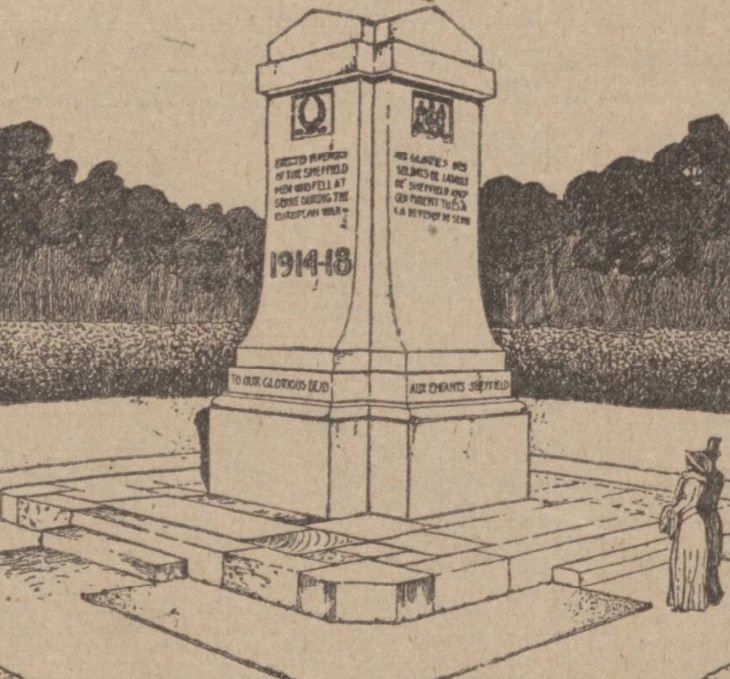
J.S. Brown’s winning entry in C.B. Flockton’s 1921 competition to create the Sheffield Battalion Memorial at Serre-lès-Puisieux. Photograph: British Newspaper Archive.

© 2021 David Poole. All Rights Reserved.

Categories
Buildings

The Meridian: a high-rise on the site of a bowling green

“When built, The Meridian will become a welcome focal point for residents and visitors to Sheffield, realising the council’s ambitions for the city.” – Ketan Patel, senior development manager at Godwin Developments. Photograph: Godwin Developments.

Sheffield City Council has granted planning permission for a 23-storey apartment block on the edge of the city centre, and it will change the appearance of what was once known as Granville Square.

The 336-apartment build-to-rent development – known as The Meridian – will be built on the site of the British Rail Club Sports Ground, on a triangular parcel of land bound by Farm Road and Queens Road, next to Grosvenor Casino.

It will include one, two and three-bedroom modern open-plan apartments, 94 of which will have private balconies. There will also be a concierge reception, co-working spaces, residents’ only lounge and gym, a landscaped roof garden and plaza, 358 cycle storage spaces and 29 car parking spaces.

An 1824 map shows the site within open countryside, with the boundaries of Queens Road and Farm Road already established routes at this time. Small settlements began to grow to the west, with the east defined by a large house known as ‘The Farm,’ giving origin to the road name (demolished in 1967, and now the site of Sheffield College).

By 1921 the site was surrounded by urban buildings to the west and the introduction of the railway defined the boundary to the east.

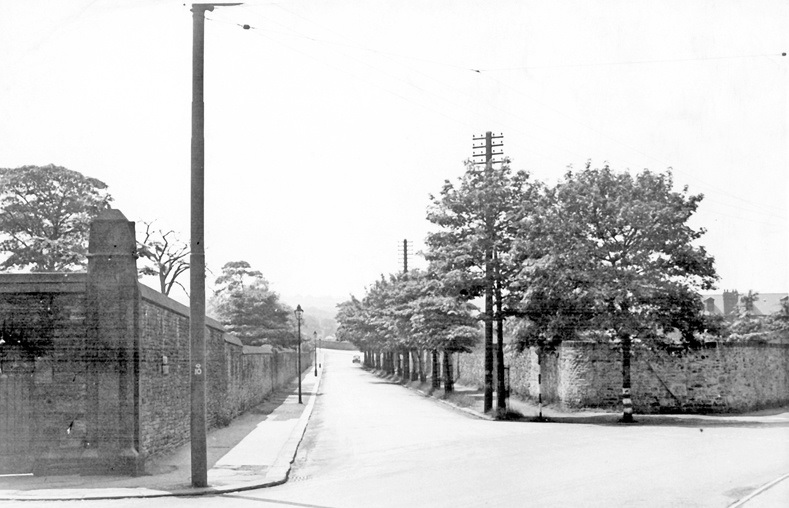
The site is an open space derived from its historic use as a bowling green and historic maps indicate that no buildings have existed within the site boundary.

Farm Road seen in the 1940s/50s. The site of The Meridian is to the right on land that has never been built upon. It was most recently used as a bowling green. McDonalds now occupies the site to the left. Photograph: Picture Sheffield.

© 2021 David Poole. All Rights Reserved.
Categories
Buildings

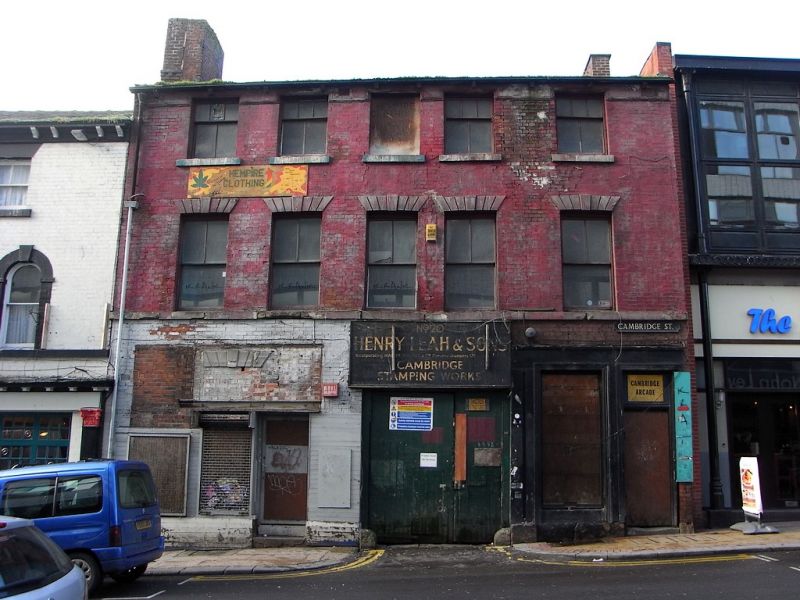
Planning permission submitted for Leah’s Yard

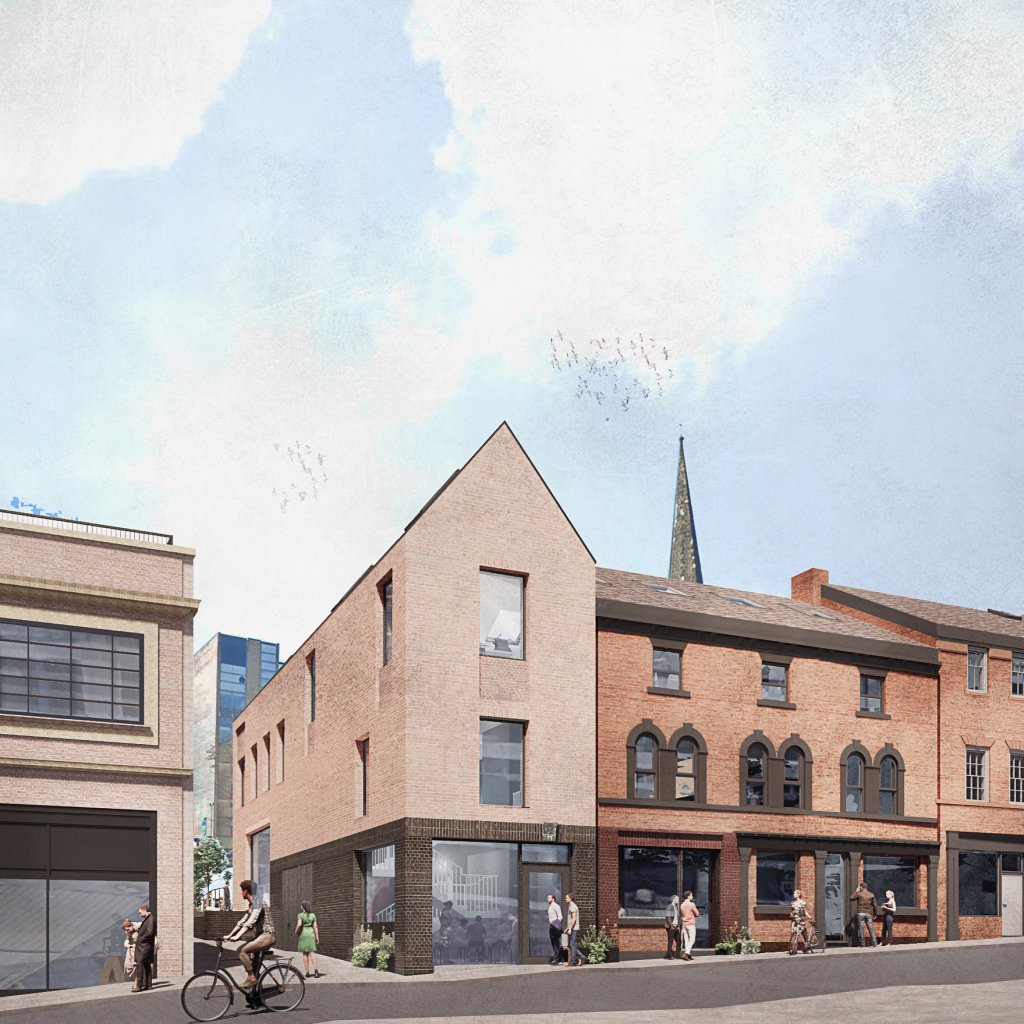
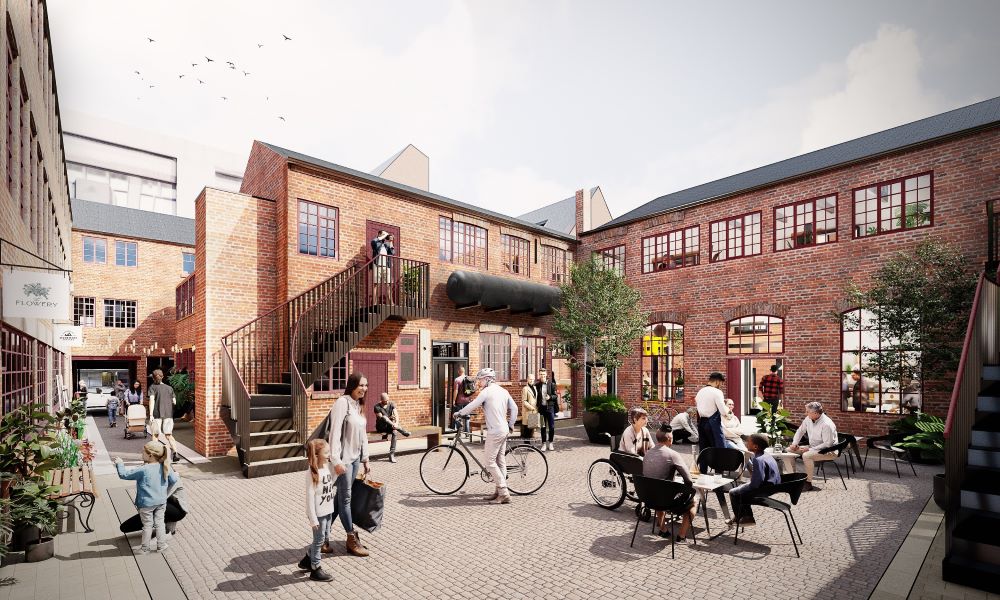
Planning permission has been submitted for Leah’s Yard on Cambridge Street to be transformed into a new creative hub for independent businesses, with a slew of independent stores set to surround a public courtyard.

The venue will be operated by Tom Wolfenden, CEO of SSPCo, and James O’Hara of the Rockingham Group, who were appointed to the project by Sheffield City Council.

If approved, Leah’s Yard will be refurbished true to its current form, with a courtyard surrounded by small boutique shops, with the first and second floors hosting approximately 20 independent working studios.

The oldest buildings on the Leah’s Yard site are the two former houses fronting Cambridge Street that date from the early nineteenth century. The industrial legacy of Leah’s Yard began with George Linley in 1825 as a small shear and tool manufacturing complex during the early nineteenth century. The houses fronting the street were later converted to offices and shops, and the complex as a whole is characterised by piecemeal additions and alterations dating from the nineteenth and twentieth century.

Cambridge Street was known for its horn works, and James Morton, a horn dealer, became the major sole occupier about 1842.

Leah’s Yard was occupied from about 1891-92 by Henry Leah and Sons, a manufacturer of die stamps for silverware. By 1911 there were 23 occupants (little mesters) on site producing slightly different goods, and undertaking different processes yet all contributing to the cutlery trade.

The site was predominantly used for production associated with the metal trades well into the mid to late twentieth century. The Leah family remained in part of the complex until the 1970s when they merged with Spear and Jackson; they sold the site in the 1990s. The Cambridge Street frontage of the complex had been used as shops in its last few years of occupation, and takes into account the former Sportsman public house and Chubby’s recently closed takeaway.

As part of Heart of the City II, Leah’s Yard will sit alongside the upcoming Cambridge Street Collective and Bethel Chapel developments – both currently under construction – that will feature a contemporary food hall, cookery school, fine dining experience and live entertainment spaces.

© 2021 David Poole. All Rights Reserved.
Categories
Buildings Streets

20-26 Fargate

The units are occupied by a mobile phone and vape shop and a discount fashion retailer – which already has a ‘closing down’ sign in the window. (Sheffield Star)

The subject of city development is emotive. People have different opinions. As someone who looks at historical detail, we’re no different to our ancestors.

In Victorian times, people agreed or disagreed about Sheffield’s redevelopment. Sheffield Corporation was always in the firing line. The difference now is that we’re able to make our views known on a much wider and accessible platform.

This piece of news will provoke the same split opinion.

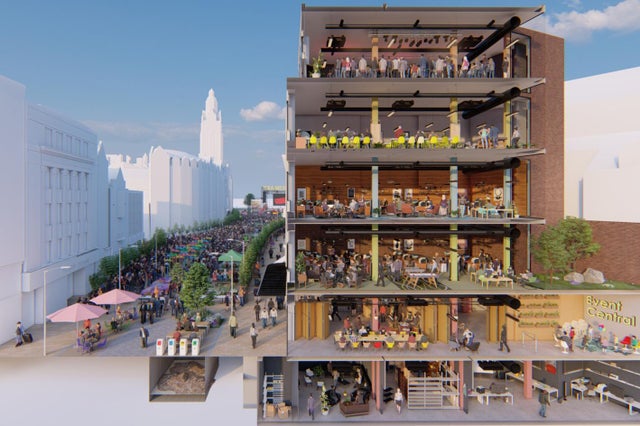
The Sheffield Star has revealed that Sheffield City Council is about to complete the purchase of 20-26 Fargate, the former Clintons card shop opposite Marks and Spencer, to become ‘Event Central,’ a six-storey flagship for the city’s ‘burgeoning creative sector.’

The acquisition and revamp of the building will consume a ‘sizeable’ chunk of £15.8m the authority won from the Future High Streets Fund, a partnership with Sheffield University, to improve Fargate and High Street.

How it could look by March 2024. (Sheffield City Council)

Prof Vanessa Toulmin, of Sheffield University, who led the bid said she would like to see the top floor used for music gigs and practice sessions. Event Central could also host festival events, such as for DocFest, and acts displaced by the closure of venues. There will also be co-working space, exhibitions and a café. The operating model had not been finalised but was likely to be a commercial and public sector partnership.

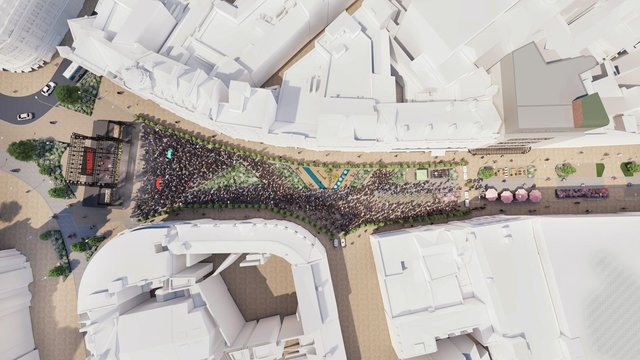
As part of the masterplan, the top of Fargate will be reconfigured to provide outdoor space for major events. The scheme is expected to attract 110,680 visitors annually. Meanwhile it is hoped that ‘Front Door Access’ to old offices above shops will spark investment in new flats.

The top of Fargate will be reconfigured to provide outdoor space for major events. (Sheffield City Council)

Categories
Buildings

Redvers Tower

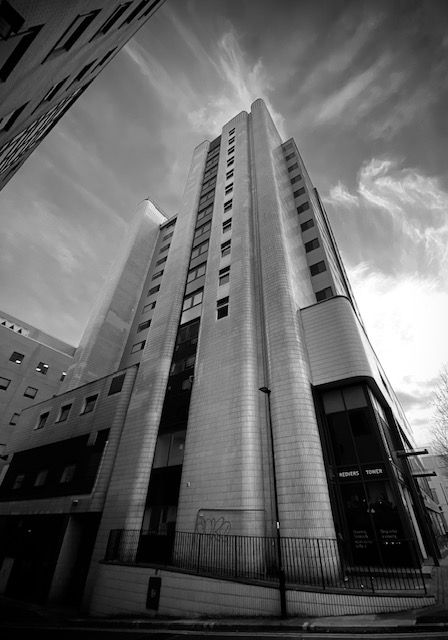
Redvers Tower. (Image: David Poole)

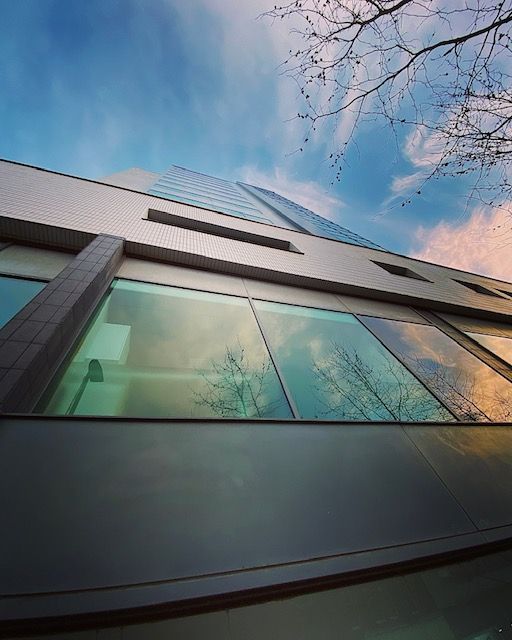
We are coming up to the time when some of Sheffield’s modernist buildings are commemorating fiftieth birthdays. One such is Redvers House, recently renamed Redvers Tower, built in 1971 on Union Street, by Newman Doncaster Associates.

The 11-storey tower, built on a 3-storey podium, is almost invisible to locals, yet has seemingly dominated the skyline forever.

It is doubtless unloved, notwithstanding its long association as offices for Sheffield City Council’s Social Services departments, perhaps harbouring unpleasant memories within its walls.

Redvers Tower. (Image: David Poole)

Redvers House was opened in 1972 by Keith Joseph, Secretary of State for Social Services, a man who served under four Conservative Prime Ministers – Harold Macmillan, Sir Alec Douglas-Home, Edward Heath, and Margaret Thatcher.

At ground level, we are more familiar with its retail space fronting Furnival Gate, one-time showroom for Allied Carpets, later as a Curry’s electrical store, and now for Nisbets, Europe’s largest catering equipment supplier.

The older of us might remember its copper-tinted glass, set within bright white tiles that blinded under the light of a summer sun. The windows were lost during a £7 million major refurbishment in 2005.

Keith Joseph was met with a picket line when he officially opened Redvers House in 1972. (Image: Picture Sheffield)

According to reliable sources, Redvers House was owned by the council which put it up for sale for nearly £7 million in October 2014, when staff relocated offices to the Moorfoot Building.

It was bought by private rental specialist Make Space, part of the Minton Group, in June 2015, and reconfigured at a cost of £6.2 million to become high-end student accommodation with studio apartments and communal areas.

In 2019, the newly-relaunched Redvers Tower attracted widespread publicity when it was named in the Top Ten Most Instagrammable Student Accommodation properties in the UK, the plush interiors perfecting fine city views.

Alas, the budget did not stretch to cleaning those problematic white tiles, echoing a similar quandary facing John Lewis in Barker’s Pool.

Just one question remains. Does anybody know how it came to be called Redvers House?

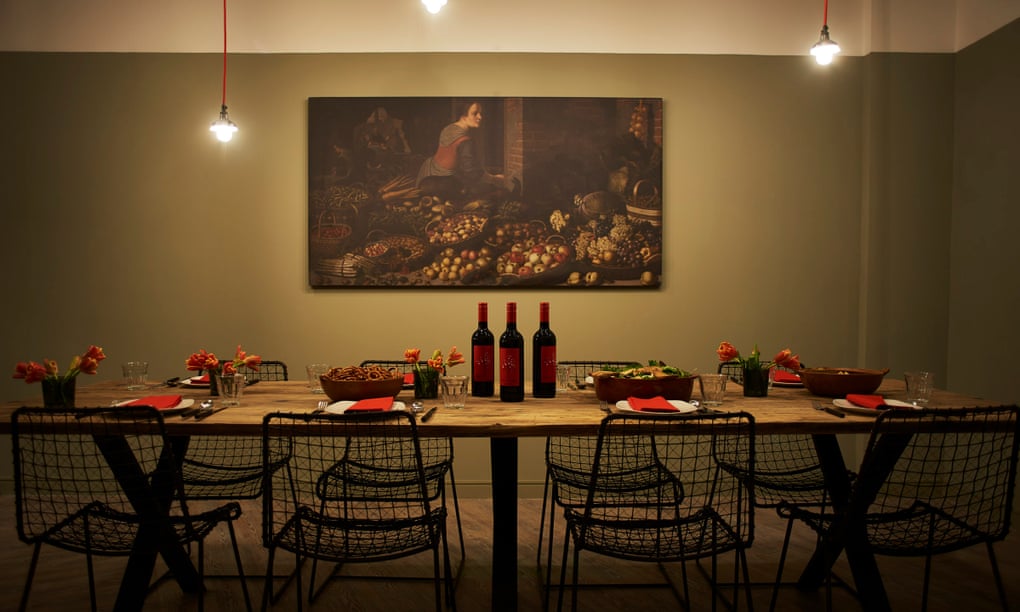
Private dinner party room at Redvers Tower. (Image: Leo William)
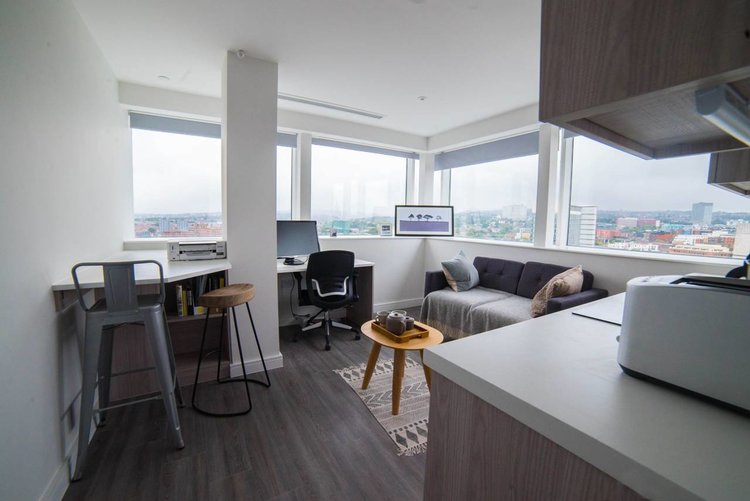
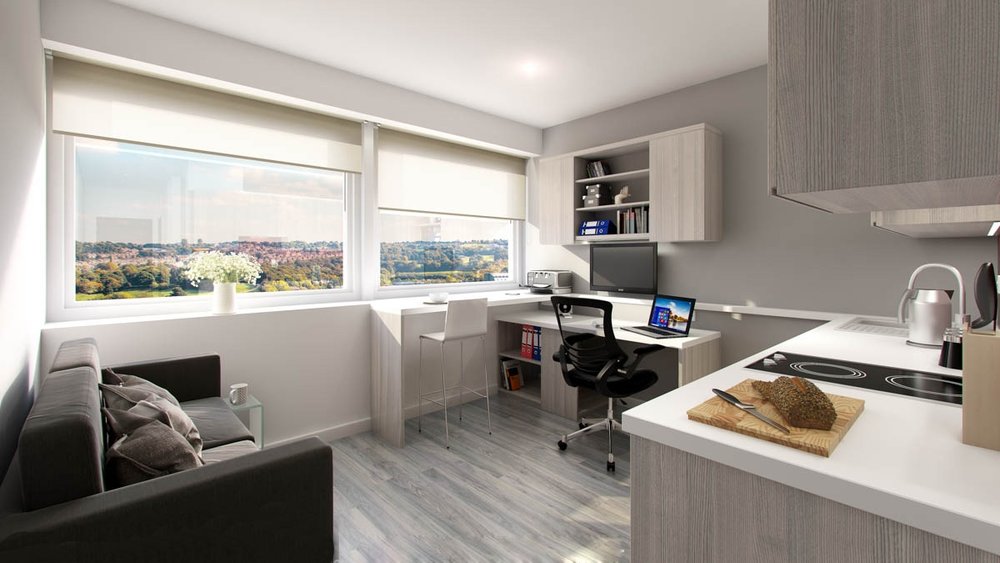
Redvers Tower. Studio apartment. (Image: Zebra Architects)
City view from Redvers Tower. (Image: Zebra Architects)
Redvers Tower. Communal area. (Image: Zebra Architects)

© 2021 David Poole. All Rights Reserved.
Categories
Streets

An exciting future for Fargate and High Street

Looking up Fargate. An artist impression of the future. 

Sheffield is one of 15 towns and cities to receive all the money they had bid for, in the Government’s Future High Streets Fund.

Sheffield will receive £15.8m in recognition of the ‘forward-thinking and innovative’ proposals to help progress plans to boost its reputation as an ‘Outdoor City’ with high quality public spaces for the community.

The historic streets of Fargate and High Street will become a high quality place to live, work, and socialise, in plans drawn up by Sheffield City Council and the University of Sheffield.

A radical programme of improvements and modern digital infrastructure will complement well-designed residential and workspace conversions, making the most of unused floorspace. Particular blocks will be redeveloped to increase density by adding height while opening up new green spaces and views.

This transformation will play a major role in completing plans for a ‘Steel Route’ through the city centre, turning a declining shopping area into a mixed-use link between the two distinct regeneration projects already underway in Heart of the City at one end and Castlegate at the other.

The funding has been awarded as part of the Government’s flagship £831 million Future High Streets Fund and will help areas to recover from the pandemic while also driving long term growth.

Categories
Other

Picture Sheffield: Twenty years of digital resources

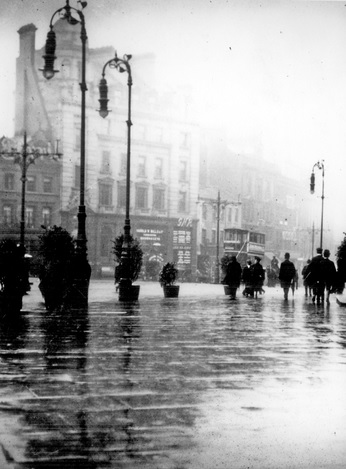
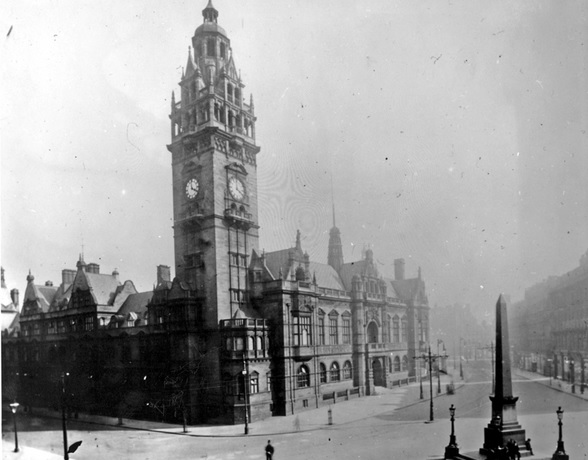
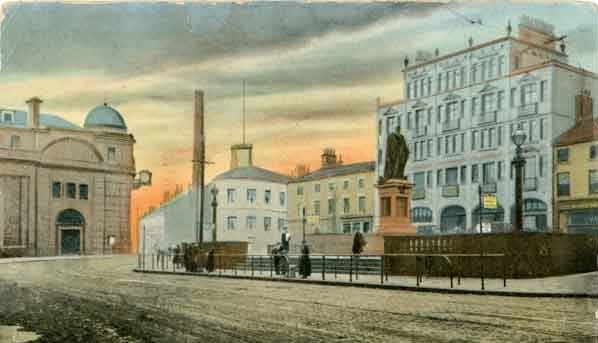
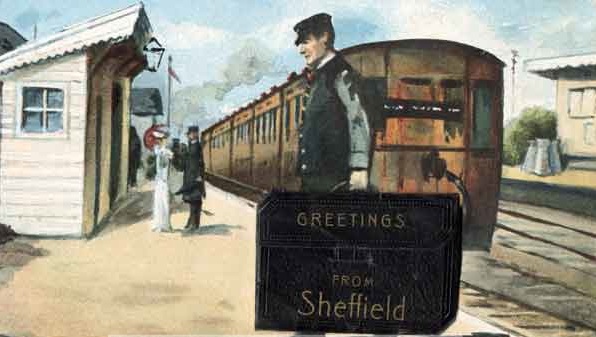
Photograph by Picture Sheffield

In 2000, at the point of the internet boom, somebody at Sheffield City Council’s Archives and Local Studies department had the foresight to start digitalising its vast collections.

Photograph by Picture Sheffield

Picture Sheffield turned out to be one of the first digital resource libraries in the UK, and as it celebrates its twentieth anniversary, it remains one of the country’s best photographic anthologies.

The service collects and preserves original records and printed material relating to Sheffield and its surrounding area, dating from the 12th century to the present.

Photograph by Picture Sheffield

In these days of lockdown, Picture Sheffield can provide hours of endless free entertainment and shows us how things used to look, how our ancestors appeared and how the city has evolved.

For historians, it is a valuable point of reference, and on a personal level, I have spent ages examining photographs of buildings and streets to check bygone information.

Photograph by Picture Sheffield

It is estimated there are well over 60,000 local images available to view, boosted by last year’s acquisition of over 2,000 images from the Tim Hale Photographic Collection, bought with help of public donations (£2,500 bestowed within days) and a £5,000 grant from the J.G. Graves Charitable Trust.

Photograph by Picture Sheffield

Picture Sheffield is a non-profit making service and income received from picture sales and donations is used to cover the cost of managing and developing the service which includes adding over 100 extra images a month.

Go to Picture Sheffield

Photograph by Picture Sheffield