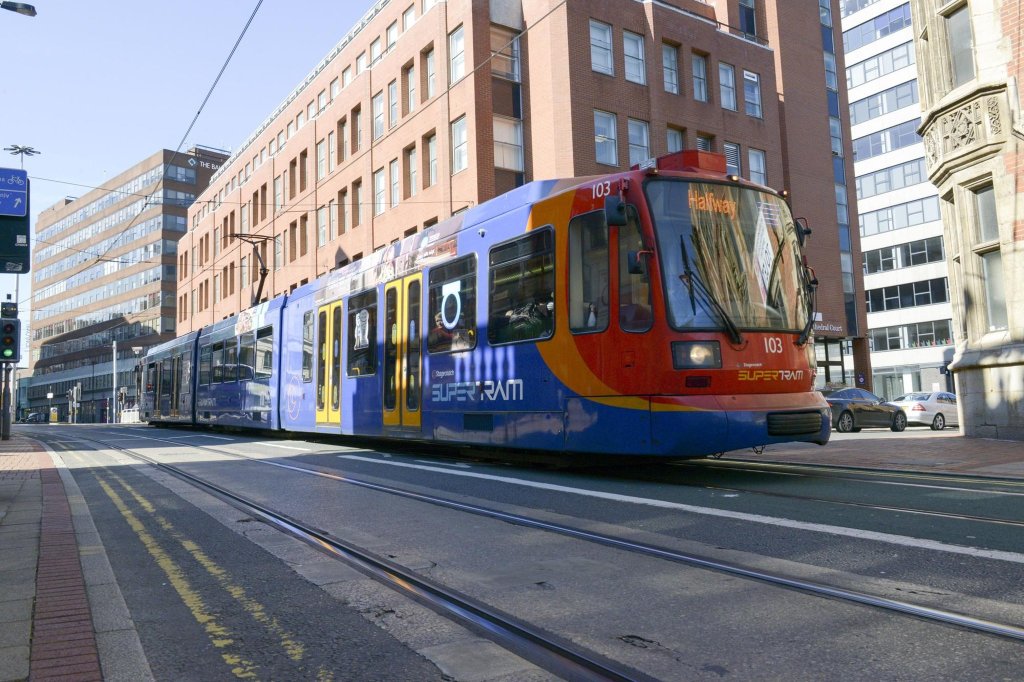
I take you back to April 1998 when the Dublin Evening Herald published this gloomy article – ‘Sheffield’s £240m supertram superflop’.
“The experience of the Supertram in Sheffield is not a happy example of how LUAS can curb Dublin’s traffic problems. The light rail cost £240m in public funds to build and was touted as the green solution to traffic and pollution. Yet even its supporters now admit it’s been a disaster. Built in 1996, one year later, the Tories decided to privatise it. The value was set at £100m but late last year it was sold to Stagecoach, for £1m. It has always run at a loss and constantly failed to woo passengers from cars. Traffic is worse since construction was completed.”
Luas (Irish for ‘speed’), Dublin’s equivalent tram system opened in 2004, and was subject to the same pre-build criticism that Sheffield experienced.
The Sheffield Supertram network flourished under the management of Stagecoach. Passenger numbers increased rapidly and reached a peak of 15million a year in 2009, 2011 and 2012. The network was expanded in 2018 with the Sheffield/Rotherham tram-train but passenger numbers fell between 2017-2020 and then, of course, COVID came along.
But far from being a disaster, Supertram is now embedded in Sheffield history.
Stagecoach’s existing contract runs out in 2024, the same year that South Yorkshire taxpayers are due to stop paying the 5p a week levy to plug the early losses.
It wasn’t that long ago that Triumph cars populated our roads. Sadly, the Triumph marque disappeared, but not many people realise that the car company once had its head office in Sheffield.
Triumph’s origins were in 1885 when Siegfried Bettmann and Moritz Schulte from Germany founded Bettmann & Co and started selling Triumph bicycles from premises in London and from 1889 started making their own machines in Coventry.
In 1930 the company changed to the Triumph Motor Company and made upmarket models like the Southern Cross and Gloria ranges. The company had financial problems and in 1936 the car, bicycle and motorcycle businesses were sold.
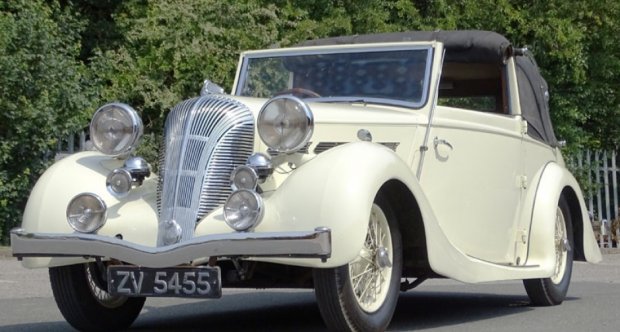
Donald Healey, a Triumph manager, bought the motor business and developed a new car called the Triumph Dolomite.
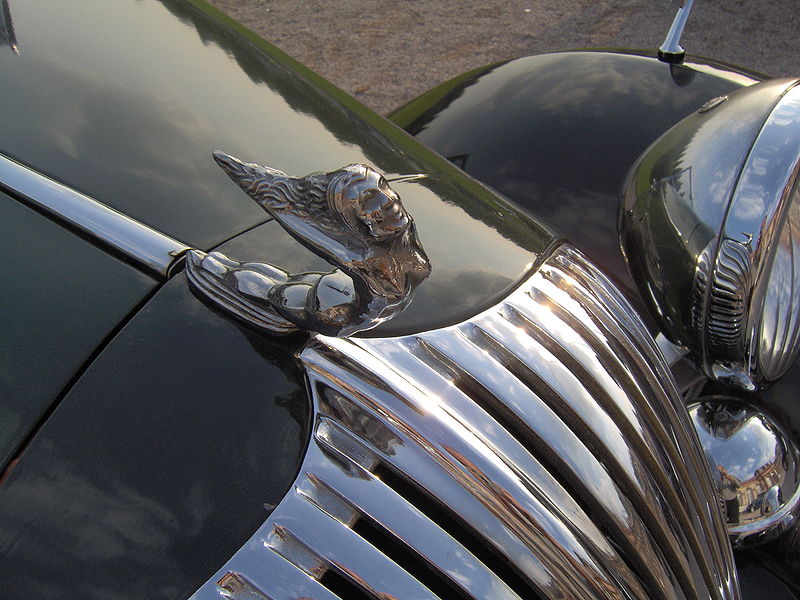
1938 Triumph Dolomite mascot
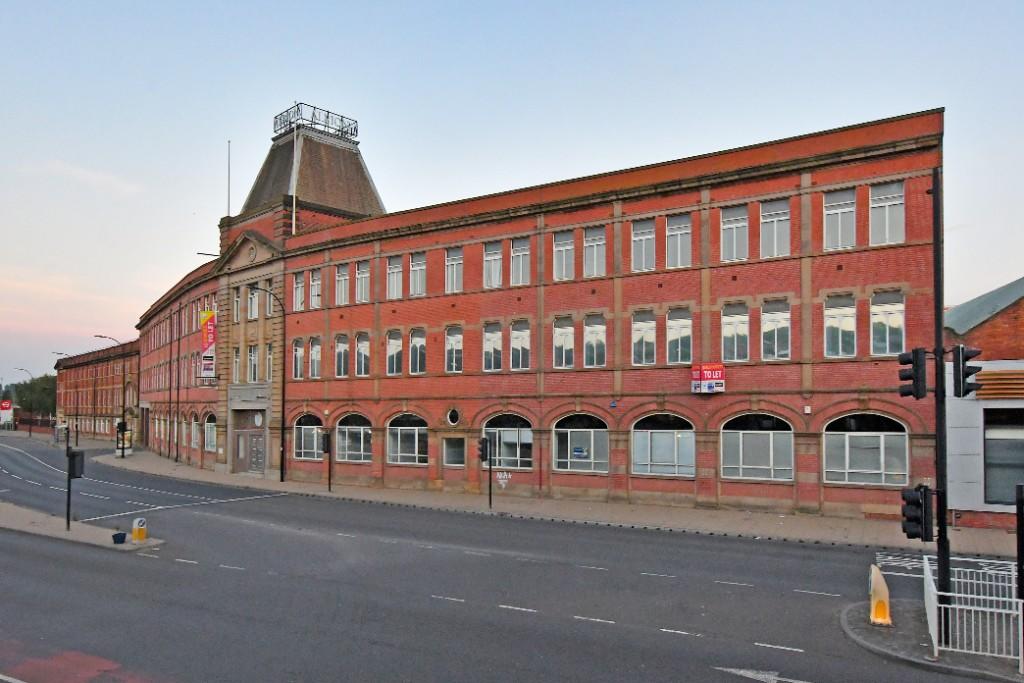
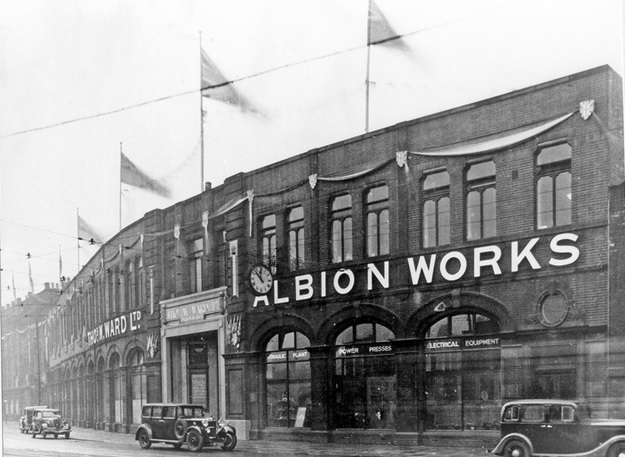
The Triumph Motor Company went into receivership in 1939 and was bought by T.W. Ward, the Sheffield-based ship-breaking, iron, and machinery business. The head office was at Albion Works on Saville Street, but it wasn’t a successful acquisition. World War Two stopped production of cars and the Triumph works at Priory Street, Coventry, was destroyed by bombing.
“The Triumph Company was to us merely a plain straightforward speculation,” said Mr S.J. Dyal, a director. “And because of the outbreak of war we really did not have the chance of continuing car production. We had no manufacturing space, and as a policy decision it was agreed that car production was not to be our line of business. So eventually the assets – little more than the name Triumph – were eventually taken over by The Standard Motor Company.”
Donald Healey stayed on at T.W. Ward before leaving to join Vickers-Armstrong in aircraft production.
Albion House, Savile Street, Sheffield. Former head office for T.W. Ward and briefly for the Triumph Motor Company. Image: Rightmove
Under ownership of the Standard Motor Company a new range of Triumph models appeared after the war. Sporting models were badged as Triumph while the Standard name appeared on saloons. The Standard name was dropped with the introduction of the Triumph 2000.
Afterwards, the company was bought by Leyland Motors and further mergers led to the formation of British Leyland (later Austin Rover) in 1968. The last Triumph produced was the Acclaim in 1981 and the marque disappeared completely in 1984.
The trademark is currently owned by BMW, acquired when it bought the Rover Group in 1994, and when it later sold Rover, retained the Triumph marque.
T.W. Ward, Albion Works offices, Savile Street, in 1937. The former offices still form an imposing appearance. Image: Picture Sheffield
When Thomas William Ward died in 1926, he had owned during his lifetime enough warships to make up a respectable fleet. He had founded T.W. Ward in 1877 and left what was probably the largest ship-breaking, iron, and machinery business in the world.
Once upon a time, businessmen had looked with suspicion on the scrap iron merchant and second-hand machinery business, but by honesty and square trading, Thomas lifted his business to the pinnacle which commanded the respect of the industrial community.
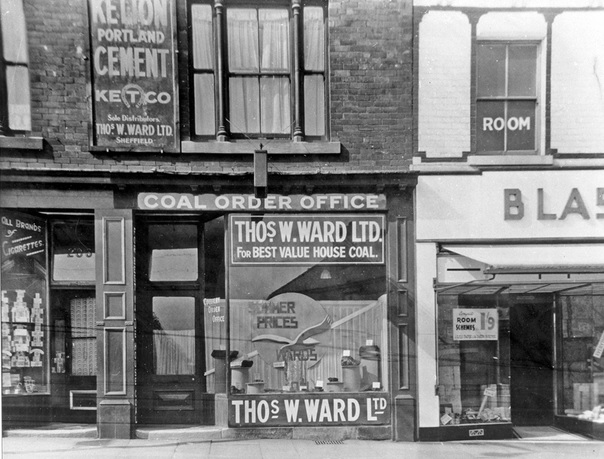
T. W. Ward, Coal Office, London Road, 1936. Image: Picture Sheffield
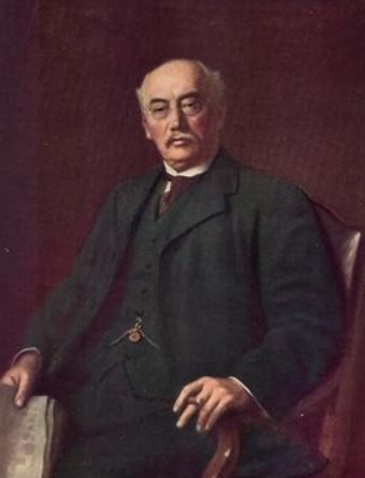
He was the son of Thomas William Ward of Wadsley Bridge and was born in Sheffield in 1853. He started his business career with Moss and Gamble, and in 1877, aged 24, launched out with his brothers as a coal, coke, and iron merchant. Within five years, he had cleared off obligations incurred in his father’s business and soon added the sale of machinery to his activities, extending the area of operations to deal with obsolete works and battleships.
Thomas William Ward (1853-1926)
Thomas had had the idea of dismantling old ships and recycling the material for other ‘useful’ purposes.
The business became a limited company in 1914 and such was the remarkable progress that it embraced 32 distinct undertakings in all parts of the United Kingdom.
The company dismantled many famous works, including Abbots Works, Gateshead; Bowling Ironworks; Kelham Rolling Mills, Sheffield; Derwent Rolling Mills, Workington; Dearne and Dove Works; Birchills Furnaces; West Cumberland and Whittington Works.
Many large battleships and merchant vessels were dismantled at Ward’s works, the list extending into several hundreds, including the steamers Luciana, Adriatic, H.M.S. Inflexible, H.M.S. Dreadnought, H.M.S. Magnificent, H.M.S. Prince of Wales, the German battleships Helgoland and Westfalen, and the steamer Canopie.
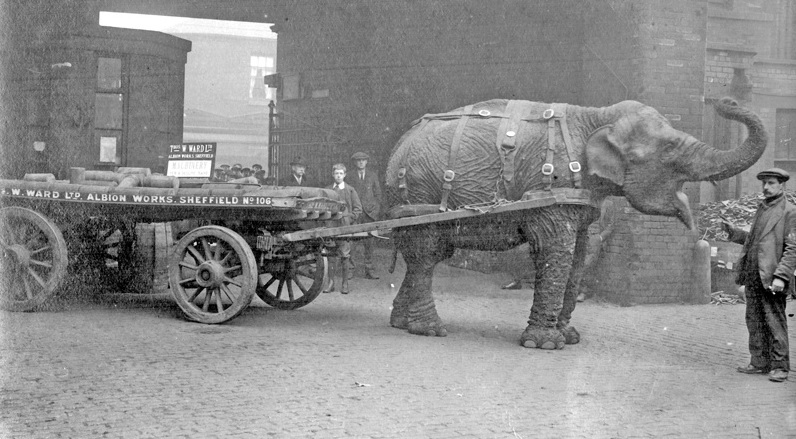
Lizzie Ward, the famous elephant, working for T. W. Ward in World War One. Image: Picture Sheffield
After World War One the company bought 1,000 tanks, the record purchase of 115 war vessels from the Admiralty, the acquisition of the Palestine pipeline, the Lartigue Railway, and the Marconi Wireless Station, Cliften, all for dismantling purposes.
Thomas Ward never sought public office but served as a J.P. and in 1913 had the unique honour of serving as president of Sheffield Chamber of Commerce and Master Cutler, both at the same time. He also gave advice to several commissions in connection with the Merchandise Marks Act and the National Insurance Act
While conducting business, he travelled a great deal visiting America, South Africa, Australia, Sweden Norway, Spain, Germany, and Italy.
“I have succeeded because I worked very hard at the beginning, and as a young man I studied mechanics and metallurgy.”
His younger brother, Joseph, was involved in the business from the start, becoming chairman and managing director, while another brother, Arthur, and nephew, Ashley, were joint assistant managing directors. Together they erected an imposing headquarters on Savile Street, known as Albion Works, with other extensive premises at Preston and Wednesbury.
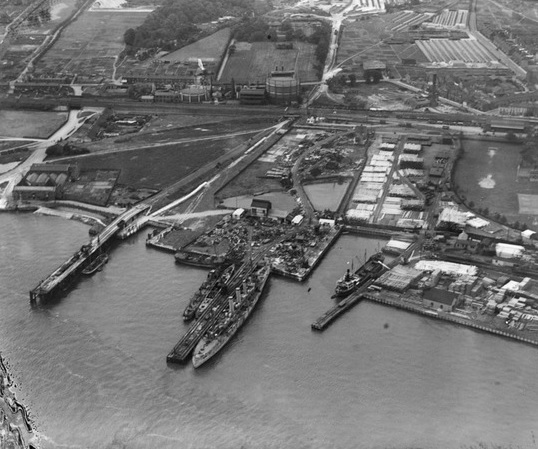
T.W. Ward Ltd Shipbreakers Yard, Grays, Essex, Seen from above in 1921. Image: Britain from Above
Thomas was a member of the Wesleyan Church, holding many lay offices, and gave generously to the church. He was an enthusiastic horticulturalist, and his gardens at The Grove, Millhouses, and then Endcliffe Vale, were a source of great pride and pleasure to him.
He died at Endcliffe Vale House, aged 72, in 1926, and was buried at Crookes Cemetery.
The company was run by the family until the latter part of the 1950s, by which time there were five divisions – raw materials, construction, engineering, motor distribution and industrial supplies. Through acquisitions the Ward Group consisted over 35 companies by the 1960s, but its fortunes dwindled in the following decades.
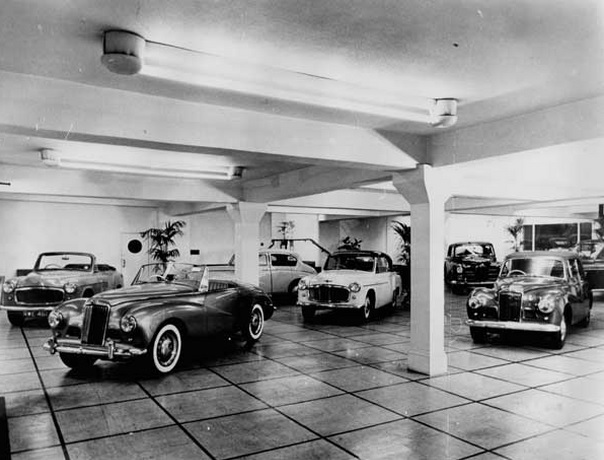
A display of Hillman, Humber and Sunbeam Ralbot cars at E.H. Pickford and Co, motor dealer and engineer, c1953. The company became part of the T.W. Ward Group. Image: Picture Sheffield
The Group was acquired by Rio Tinto Zinc in 1982 but after significant losses an administration order was granted to the parent company, Ward Group, in 1992 and although the subsidiaries traded normally, most were subsequently sold.
The machinery division was acquired by an MBO in 1983 and is now known as T.W. Ward CNC Machinery, still operating at Albion Works.
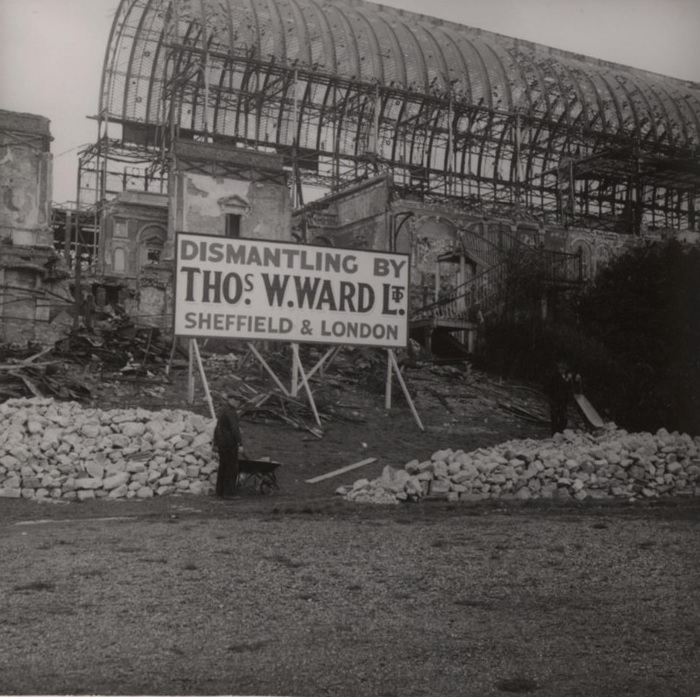
In 1937, T.W. Ward were appointed to demolish the remains of fire-damaged Crystal Palace in Sydenham Park, London. The company reclaimed scrap iron and debris.
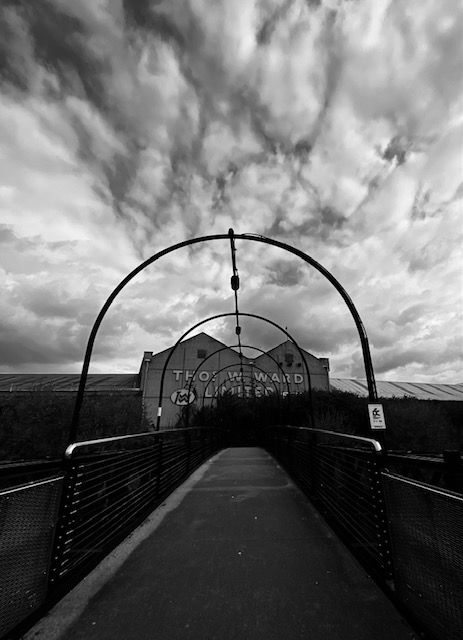
Albion Works. Seen from Bailey Bridge. Image: DJP/2021
“For many of us, you hear the name “Stanley” and you think blades. And when you think “blades”, you think Sheffield. Yes, Sheffield and Stanley seem to go together like peaches and cream.”
The signs around Bramall Lane and Hillsborough used to say ‘The Home of Stanley Tools’ and a generation of us thought this was another great old Sheffield company.
However, the story of Stanley Tools takes place on two continents.
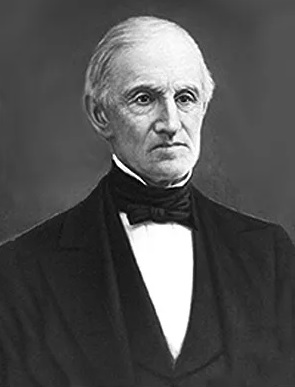
The forebears of Frederick Trent Stanley were English and emigrated to the United States. He was born in Connecticut in 1802 and began working on the family farm before labouring in various manufacturing industries. In 1843, he co-founded the Stanley Bolt Manufactory, and later the Stanley Works, in New Britain, to make door bolts and other wrought-iron hardware. He could often be seen driving around New England in his horse-drawn buggy, visiting homes and farms to fit them up with his products.
By the time of his death in 1883, The Stanley Works’ capital investment had increased more than tenfold, and the enterprise had developed into a well-known manufacturer of hinges, planes, bolts, bits, and other tools.
Frederick Trent Stanley (1802-1883)
In 1857 his cousin, Henry Stanley, founded The Stanley Rule and Level Company in the city. Planes invented by Leonard Bailey and manufactured by the company, known as Stanley/Bailey planes, were prized by woodworkers of the late 19th and early 20th centuries. The two companies merged in 1920, and the Stanley Rule and Level Company became part of Stanley Works.
And now to Sheffield where James Arscott Chapman (born Bristol, 1827) began making carpenters’ braces in the 1860s at the Industry Tool Works, Woodside Lane. On his death in 1891, the W.A. Chapman company might have passed to his eldest son Joseph, but he was about to spend time in prison after being found guilty of embezzlement. Instead, James, his youngest son, took over the business which grew and prospered.
After the turn of the twentieth century further expansion took place, and during the First World War the company manufactured thousands of bayonets in addition to their regular line of tools.
The business changed hands after the death of James Chapman in 1925 and the manufacture of planes, hand drills and breast drills were added to the line of carpenters’ braces. In 1934, it started making hand planes under the Acorn name.
In 1936, the Stanley Works of New Britain, Connecticut, purchased J.A. Chapman Ltd and started developing its celebrated range of Stanley Tools which had previously been imported from the United States since the 1870s.
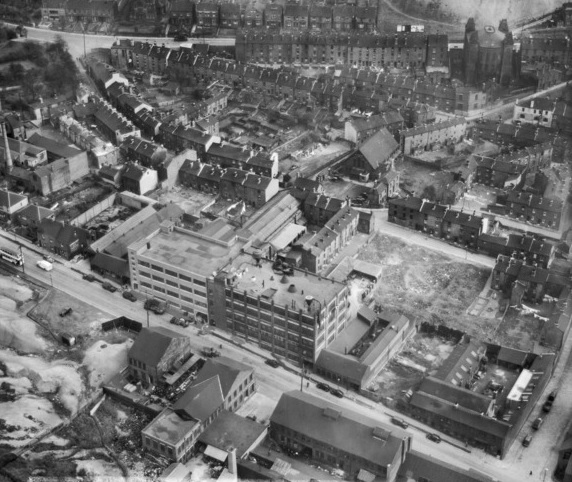
Existing plant and facilities were expanded, and a new five-storey building was erected in Rutland Road.
The Stanley Tool Works on Rutland Road and environs, Sheffield, 1950. Image: Britain from Above
The first line to be introduced was the famous Stanley bench plane, and production was well established by the time World War Two put a stop to further developments.
During the war the production of planes, braces, breast drills and hand drills, was expanded to meet the ever-increasing demands of the armed forces and Government departments.
In addition, millions of shell primers and tracer shells were manufactured on modern automatic plant.
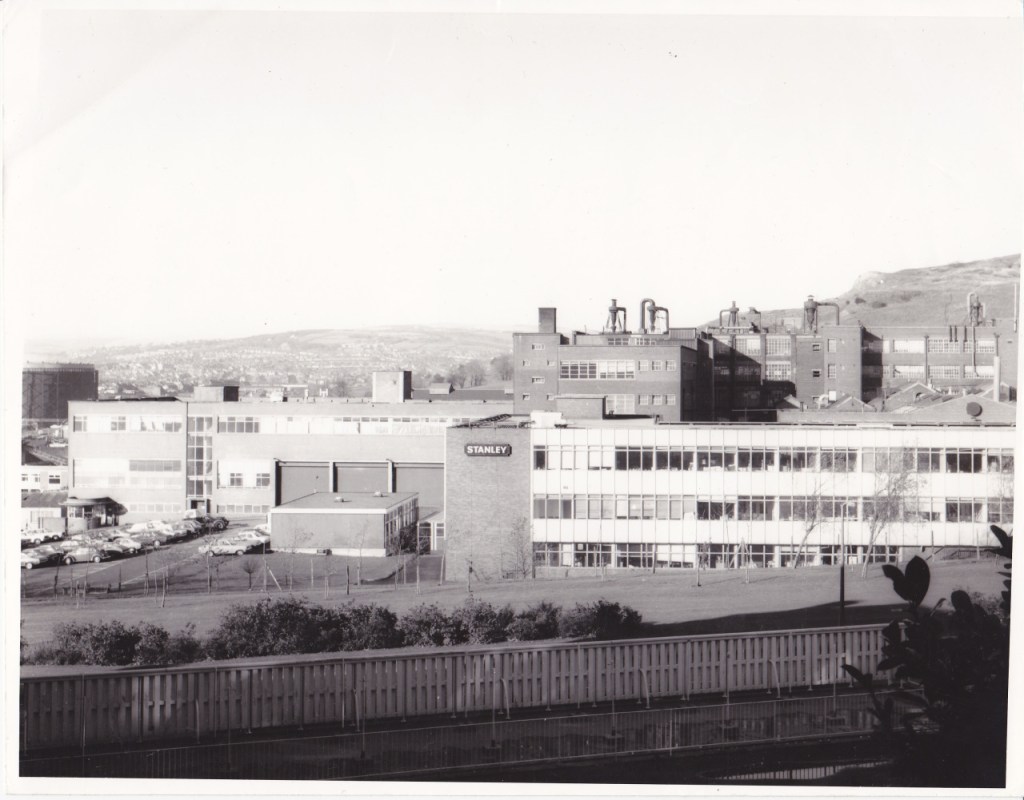
The building was extended in 1950 and 1961 and a second site opened at Ecclesfield, but like the rest of Sheffield’s tool industry, the company suffered at the hands of cheap imports. A lot of production was switched abroad, and the Rutland Road/Woodside Road site was closed in 2008.
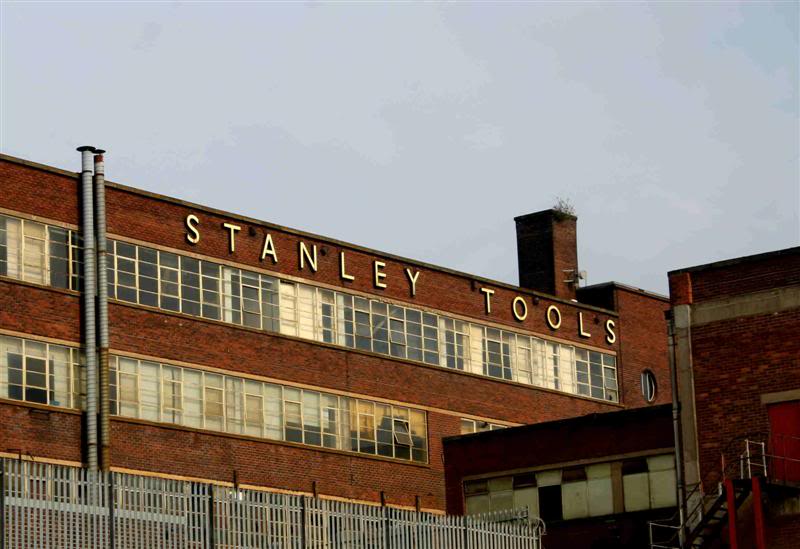
Better days. The former Stanley Tools factory on Rutland Road. Eventually killed by cheap tool imports. Image: Hill Shadowed City
But that wasn’t the end of the Stanley Tools story.
Tool manufacturing was switched to an efficient new factory at Hellaby, Rotherham, and allowed the manufacture of Stanley Tools to return from Asia.
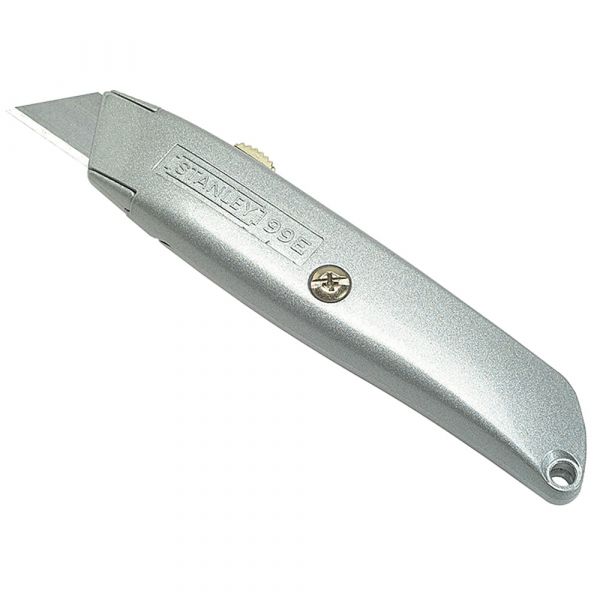
And what about that famous utility knife, generically known around the world as a Stanley Knife? In 2012, Stanley brought the manufacture of steel blades for its knives back to the UK. Made in Rotherham.
Stanley Works and Black & Decker merged in 2010 to become the world’s largest tools and storage company, the world’s second largest commercial electronic security business and the world’s second largest engineered fastening company.
But there is a sad twist to the Stanley Tools story in Sheffield.
Search ‘Stanley Tools Sheffield’ on the internet and you will come across loads of urban explorer sites that record the decline and fall of a former manufacturing facility.
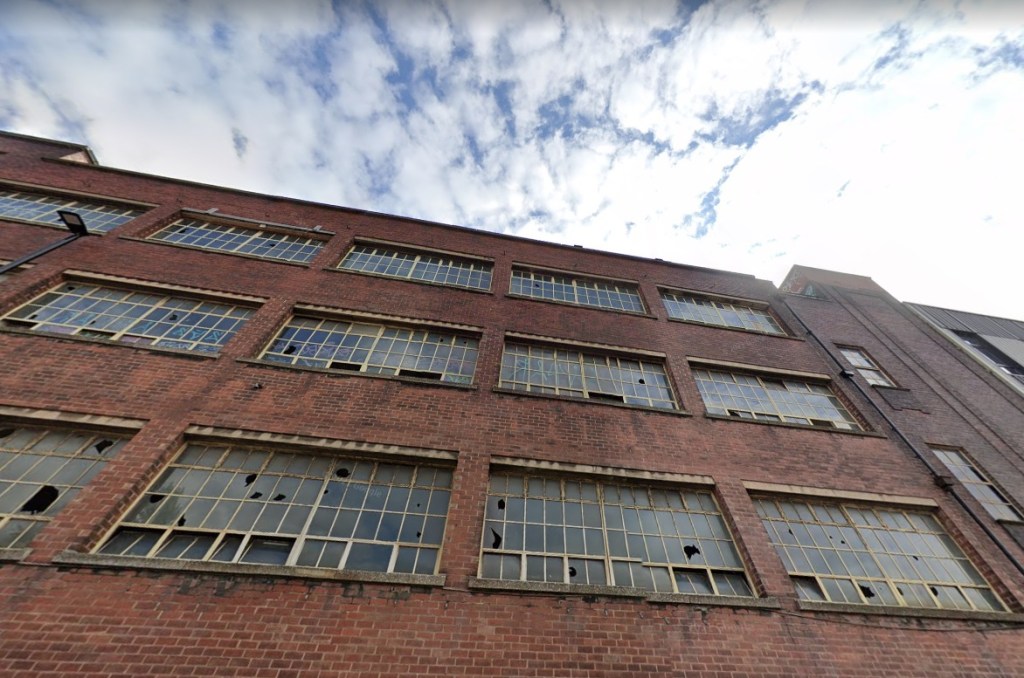
The Rutland Road site is empty and becoming more derelict by the day. Image: Google
“The Stanley Tools Factory, which quickly fell into a state of disrepair, was being frequented by homeless. It was put up for sale, with parts of the factory used on the weekends as a zombie-themed Airsoft venue. When a buyer for the full site couldn’t be found, some of the buildings were sold to smaller businesses, such as car dealers and scrapyards. On 30th January 2021, a large fire tore through one of the derelict buildings on the Stanley Tools factory site. Around 25 firefighters tackled the blaze overnight and got it under control by the early hours of the following morning.” – Lost Places & Forgotten Faces
Today, the term “utility knife” also includes small folding-, retractable- and/or replaceable-razor blade knives suited for use in the general workplace or in the construction industry. The latter type is sometimes generically called a Stanley knife, after the prominent brand.
There will be angry cries. There will be tears. People will call out to protect the trees.
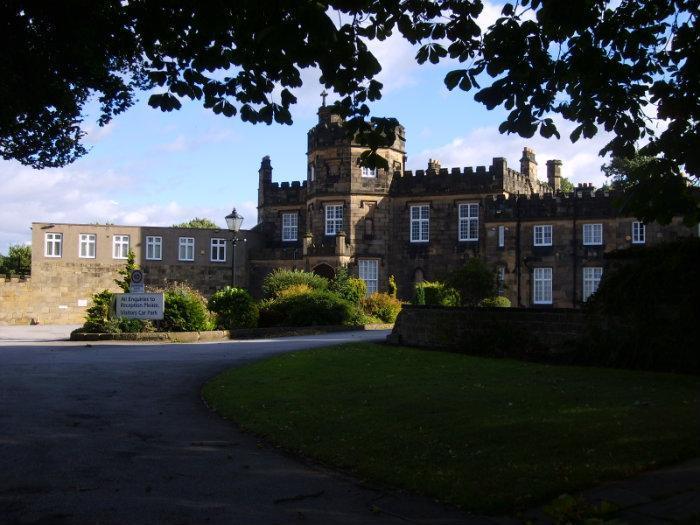
Banner Cross Hall once stood in rural idyll. Then Sheffield grew and surrounded it. In the 1930s, the fate of the old mansion was precarious. It was on the market and people feared that it would be demolished, and the beautiful trees would be lost. Many already had, but for 90 years since, it has been the company headquarters of Henry Boot and some of the surrounding habitat survived.
However, faced with enormous costs to modernise it, and make it environmentally friendly, Henry Boot is reconsidering its future at the Grade II listed mansion.
If it chooses to vacate, the likelihood is that Banner Cross Hall will be converted into luxury apartments with possible development in its grounds.
If this happens, prepare for objections, just like there were almost a century ago.
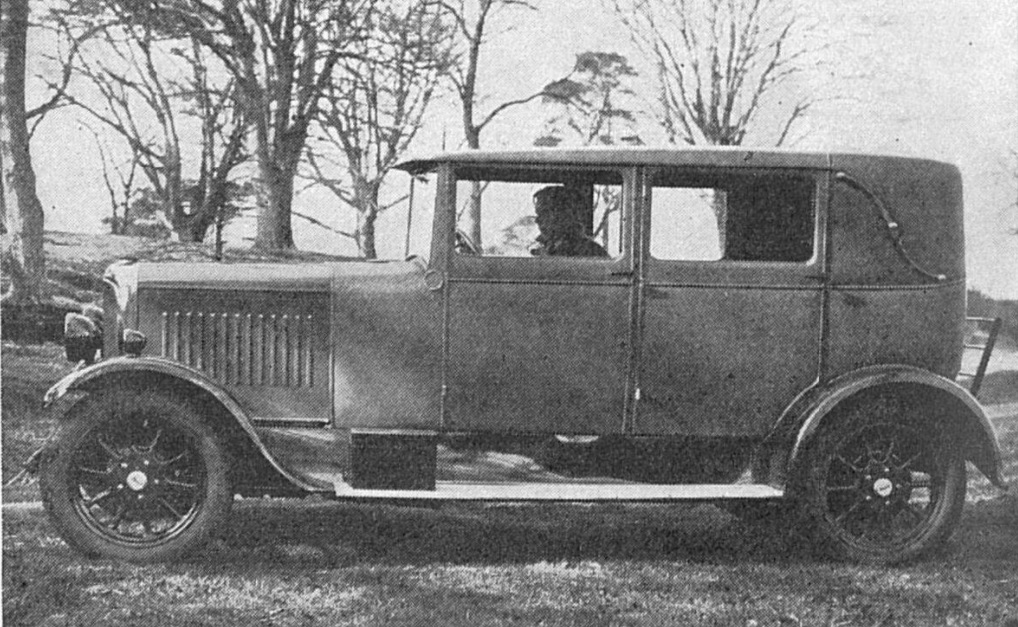
Hadfield Bean. The steel-maker Hadfields took it over in 1926 but by 1929 it ceased car production. In 1933 Hadfield re-launched the company as Beans Industries, making components for other motor vehicle manufacturers.Photograph: Fluxposure
Hadfields limited of Hecla and East Hecla, Sheffield, founded by Robert Hadfield in 1869, was an established manufacturer of special steels, in particular manganese alloys and steel castings. The company was taken over by his son, Sir Robert Abbott Hadfield (1858-1940) and by 1911 was believed to employ more workmen than any other business in the city. It specialised in the production of war materials but in 1926 agreed to rescue Harper Bean Ltd, manufacturer of Bean Cars, with factories in Dudley, Worcestershire and Coseley, Staffordshire.
The car company traced its origins to two auto component suppliers, A Harper and Sons and Bean Ltd. For a few years in the early 1920s Bean outsold Austin and Morris, the business model relying on high volumes, but its financial troubles resulted in its rescue by Sheffield-based Hadfields which supplied steel for the cars.
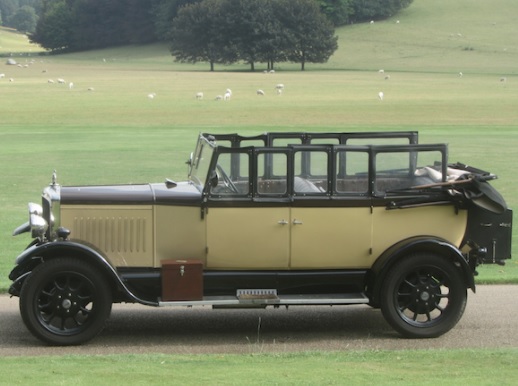
The 1928 14-45 H.P. Hadfield Bean with fabric body was featured in magazine articles of the day. Photograph: British Newspaper Archive
From 1927, all cars were known as Hadfield Beans, but the last model was launched in 1928 and by the following year production had ceased.
Hadfields eventually merged with Samuel Osborn and after various takeovers came to prominence in the steel strike of 1980 when ugly picket line scenes hit national headlines. It eventually suffered the same fate as much of the British steel industry and was closed in 1983. The East Hecla site is now mainly covered by Meadowhall Shopping Centre.
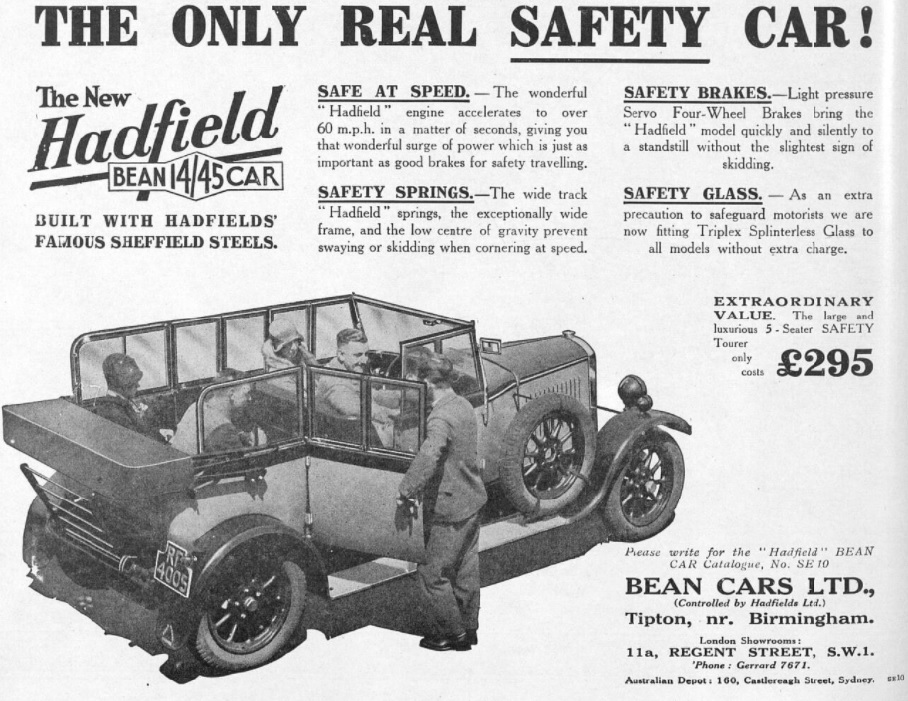
A1928 newspaper advert for the Hadfield Bean 14-45 car. Built with Hadfields’ famous Sheffield steels. Photograph: British Newspaper Archive
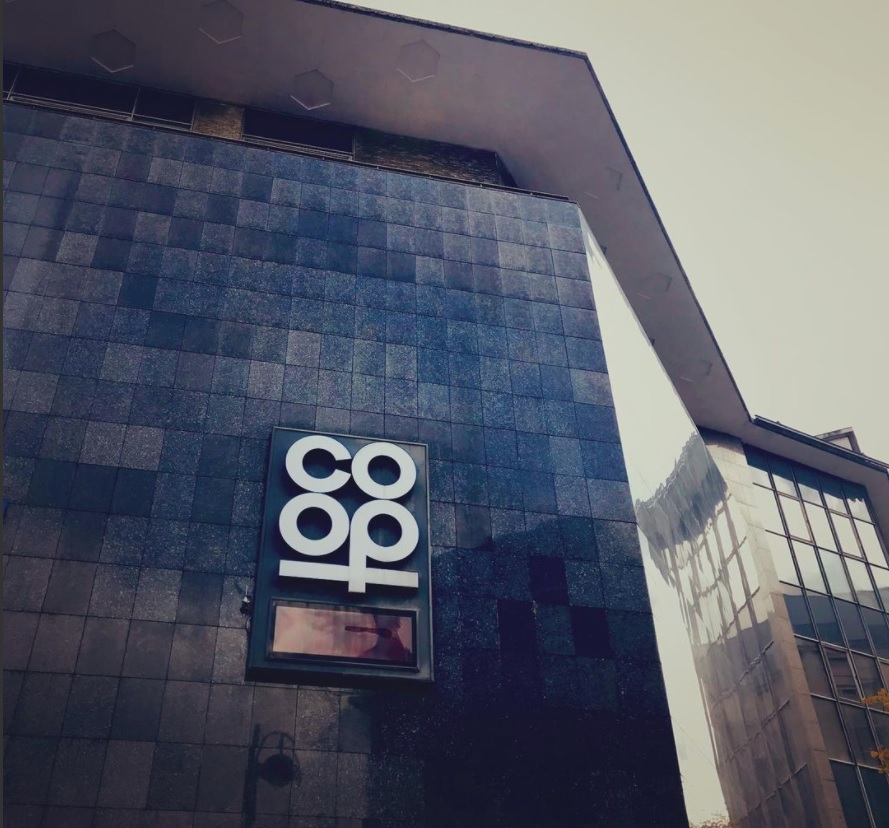
Castle House designed by George S Hay, Chief Architect for CWS, with interior design by Stanley Layland, interior designer for CWS. Reinforced concrete with Blue Pearl granite tiles and veneers, grey granite tiles and veneers, buff granite blocks, glass, and brick. Photograph: DJP/2019
Ever wondered who creates the subtitles for Hollywood movies from the likes of Disney, HBO, Paramount, Warner Brothers, Sony Pictures, Viacom, and Netflix?
Look no further than Sheffield company, Zoo Digital, established in 2001 by Stuart Green and Ian Stewart of Gremlin Interactive. In 2003 it had a worldwide smash with the first interactive DVD game, Who Wants to Be A Millionaire? Afterwards, it developed new tech and started subtitling, dubbing, cloud operations and streaming.
Zoo Digital creates subtitles and dubbing voiceovers in 80 languages for Hollywood films shown around the world. But unlike rivals based in studios shuttered by the pandemic, its cloud-based tech can be used anywhere. The firm has 7,000 freelance voice artists and translators who mostly work from home. It also has offices in London, Dubai, and Hollywood, with total global staffing at more than 270.
Recently, it completed a strategic investment in Istanbul-based media company ARES Media to grow ZOO’s services for Turkish content.
Zoo Digital posted posted a 64% increase in revenue for the six months ended 30th September 2021. Photograph: Insider Media
Based on St Mary’s Gate, it’s now moving all its 160 Sheffield-based workers into the former Co-op department store on Angel Street. It joins another top city tech firm, WANdisco, which made the building home in October 2019. Castle House is also home to popular food hall Kommune and a Barclays tech accelerator.
Grade II listed Castle House was designed by George S. Hay, chief architect for the Co-operative Wholesale Society, for the Brightside & Carbrook. It was built between 1959 and 1964 before closing in 2007.
ZOO operates from production facilities in the key entertainment hubs of Los Angeles, London, Turkey and UAE and has a development and production centre in Sheffield. Photograph: Netflix
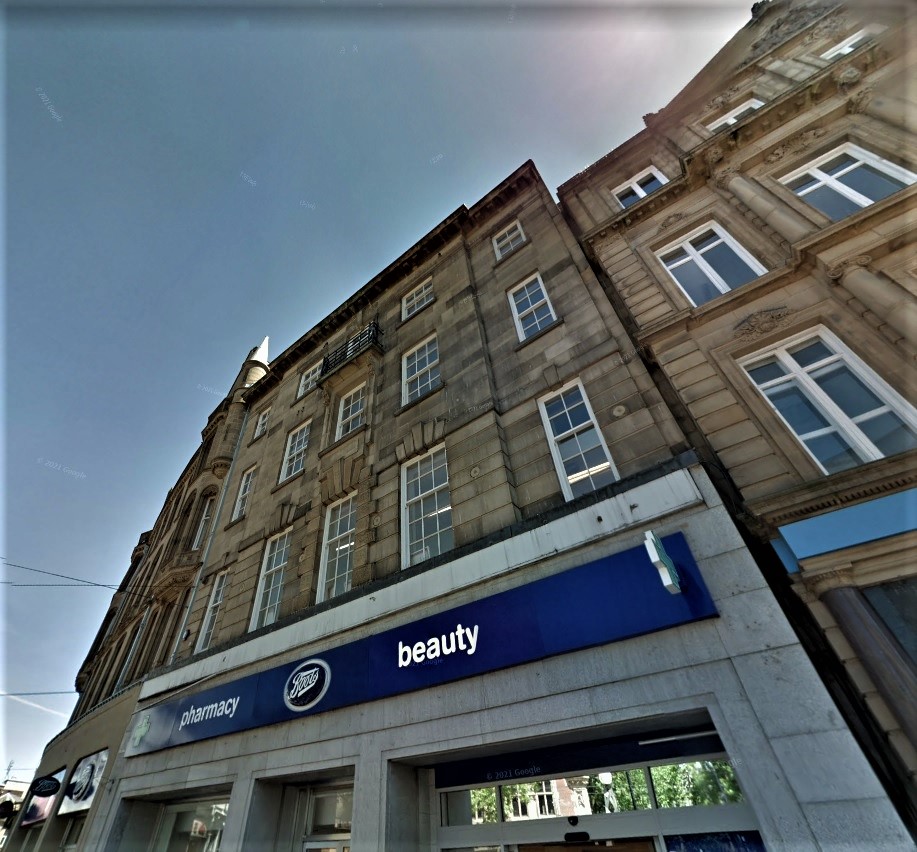
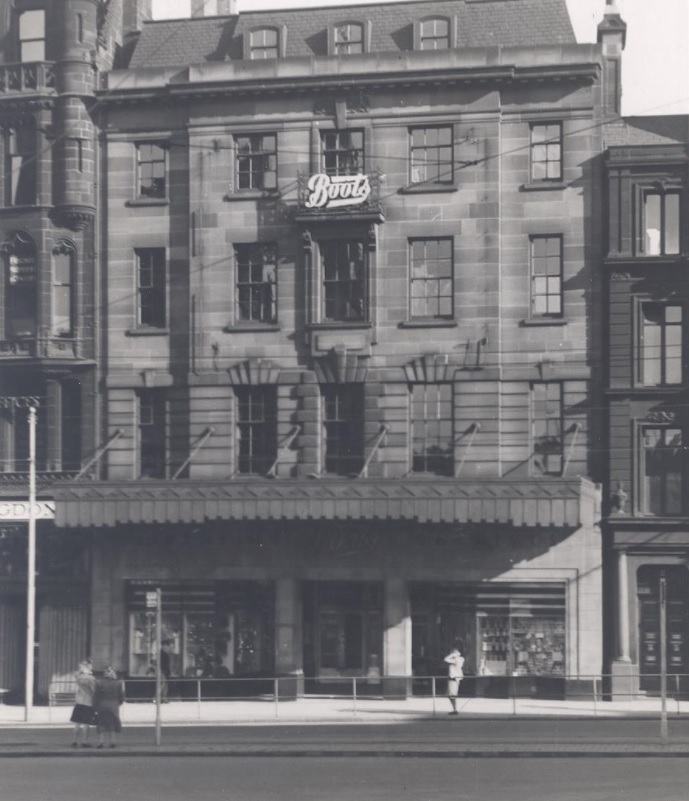
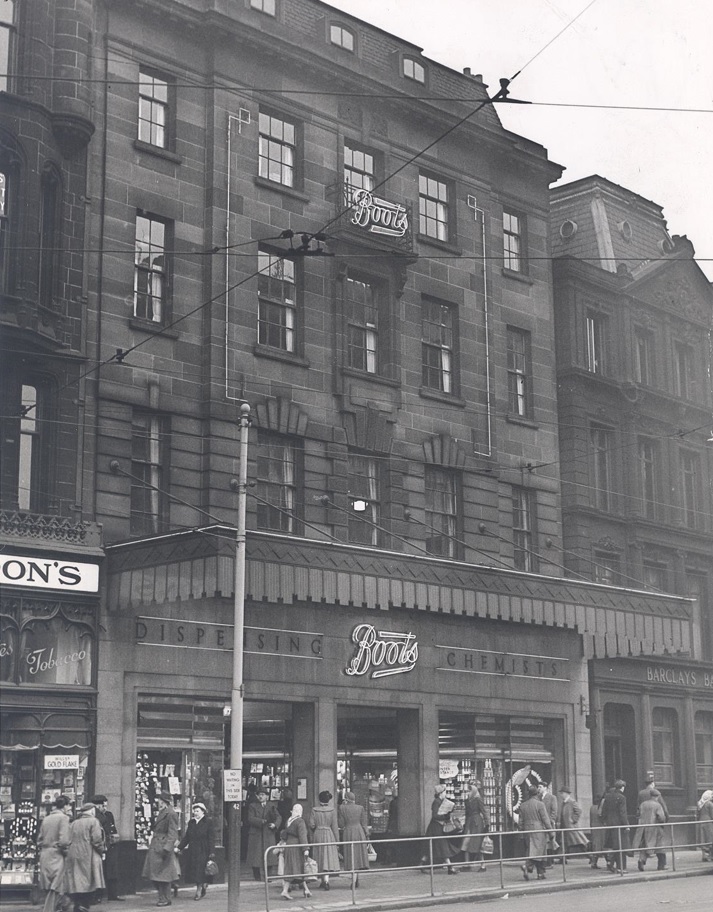
A modern-day view of Boots on High Street, Sheffield
Boots might be a Nottingham company, but Sheffield has played an important part in its long history. Established in 1849 by John Boot, it was his son Jesse who built the company into a household name with stores all over the world. Its first chemist branch outside Nottingham was at 17 Spital Hill, in 1884, followed by branches at Snig Hill, West Street, South Street (The Moor), Attercliffe, London Road, Netherthorpe, Abbeydale, and Shalesmoor.
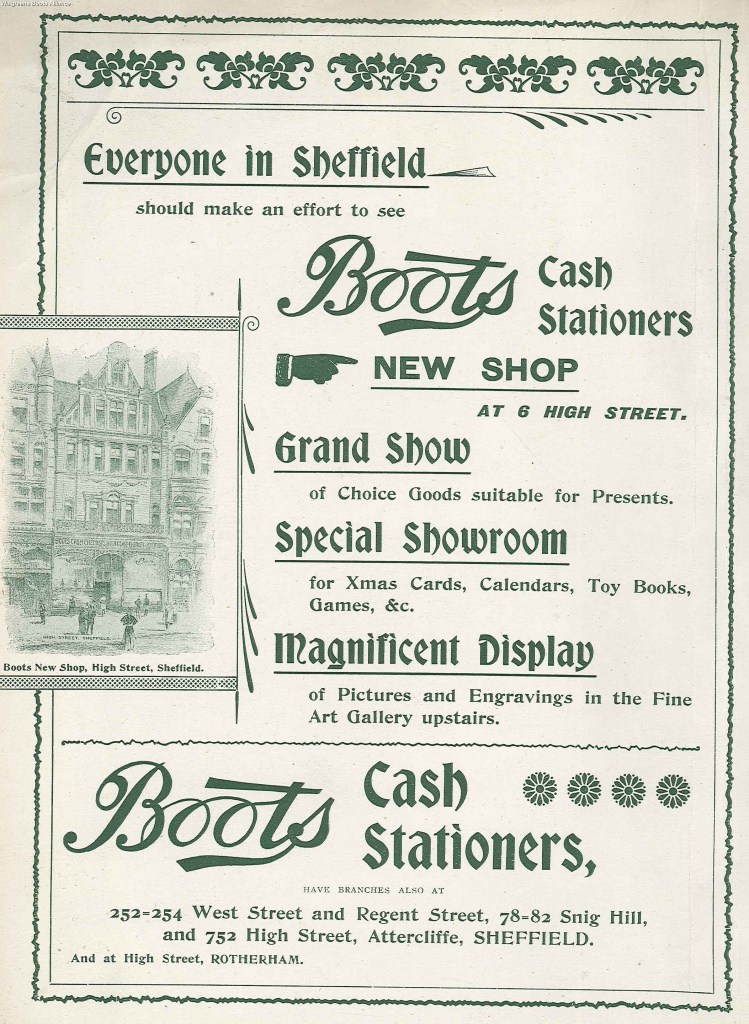
Sheffield was firmly in Jesse Boots’ sights and for a brief time, in the early 1890s, he lived here with his wife Florence. Its most prominent branch opened in May 1898 at 6 High Street, on land owned by John Walsh (of department store fame) between the Fosters Building (erected 1896) and the auctioneers Nicholson, Greaves, Barber and Hastings (now Café Nero). All were constructed as part of High Street widening plans.
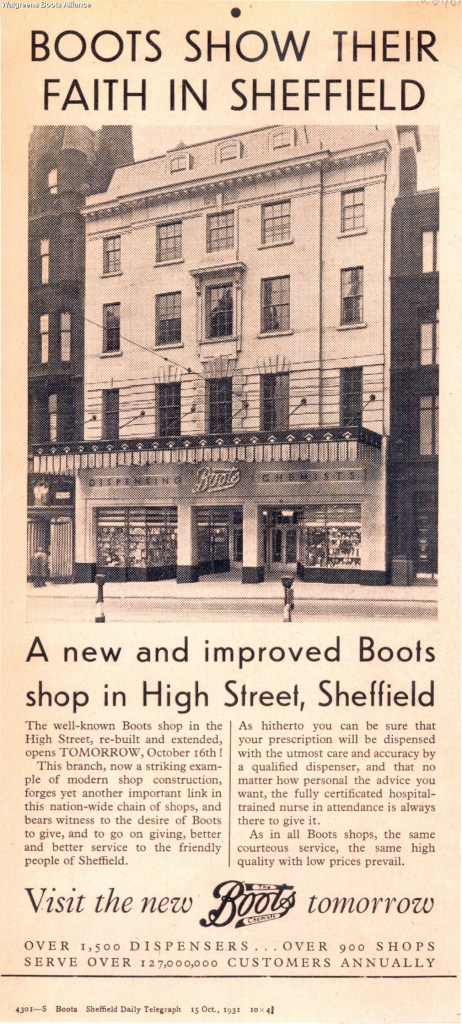
The High Street branch opened in 1898 and the illustration shows what the original building looked like. Photograph: British Newspaper Archive
Boots opened its narrow shop alongside the Thatched House Restaurant, taking advantage of heavy footfall between High Street and Fargate. On 8 October 1918, a Government Information Bureau opened in-store. The Bureaux had been established by the government earlier in the year to provide information to the public on matters relating to the First World War; national war aims, national services, war savings, food, labour, and so on. This was one of just twenty such bureau, each located in a prime Boots store, and it required only two square yards of space for its small, pre-fabricated stand.
Boots refitted its store in 1922, but when the Thatched House Restaurant came on the market in 1929 it bought the property and announced plans to extend next door. The plans were radical and involved demolition of both properties, only 33 years after they had been constructed.
The new enlarged building was designed by Percy J. Bartlett, the Boots’ architect, and was constructed by Thomas Wilkinson and Sons, Olive Grove Works, Sheffield.
“Cheap drugs would be dear if they were cheap and nasty. Nasty to the palate many drugs are bound to be; but worse is the nastiness of bad quality.” – Jesse Boot
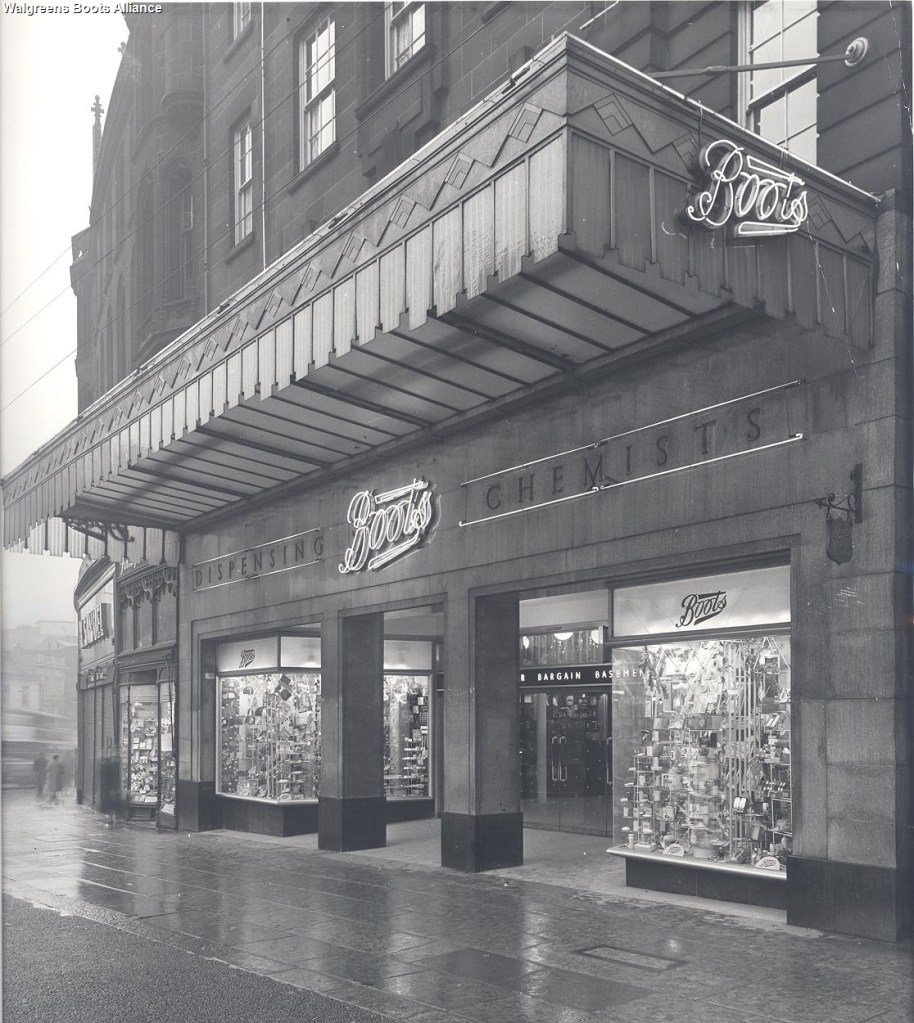
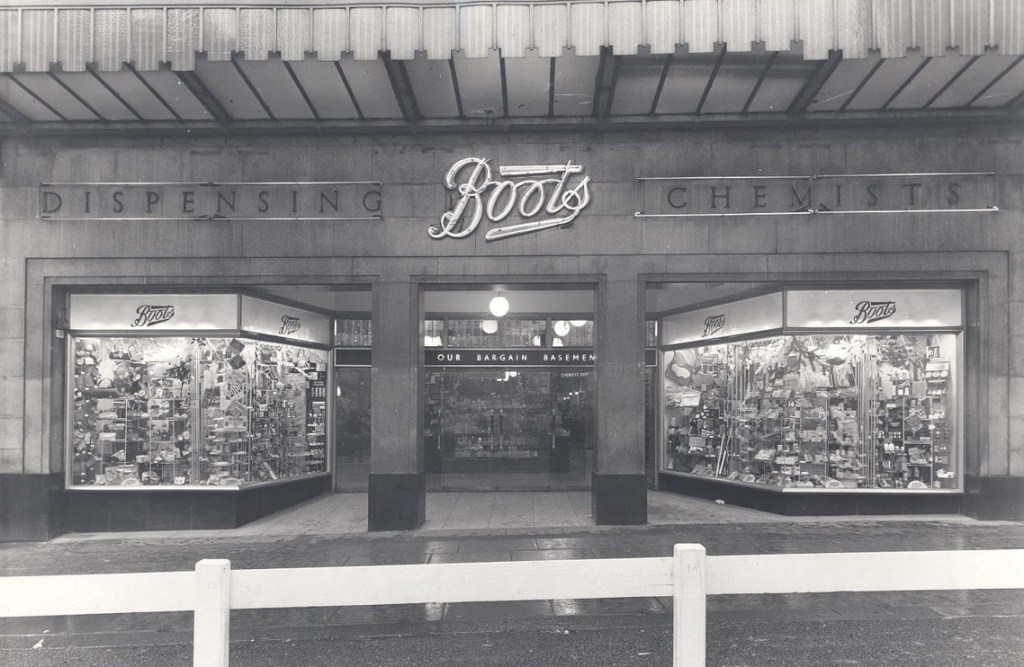
The handsome elevation was based on the Renaissance style, the modern shop front, the black and silver canopy, the green slates surmounting the lower story, and the blue-green of the windows above, formed a modern building combined with traditional beauty.
It was constructed in Stoke Hall stone, provided by Percy J. Turner from their own quarries at Grindleford. Warm yellow in colour, it claimed to be impervious to the effects of acids in smoke-laden atmospheres.
The shop front was a tribute to Sheffield’s staple industry, completed in Firth Brown ‘Staybrite’ steel, which was as much attractive to the eye as the deeply recessed entrance, and non-slip paving. The steel was used for framing the windows and main entrance doors, and the Boots sign was cast in Staybrite and mounted with neon lights.
The glass and iron canopy decorated in black and silver was capable of illumination at night, and replaced old-fashioned shop blinds, to provide permanent protection against rain.
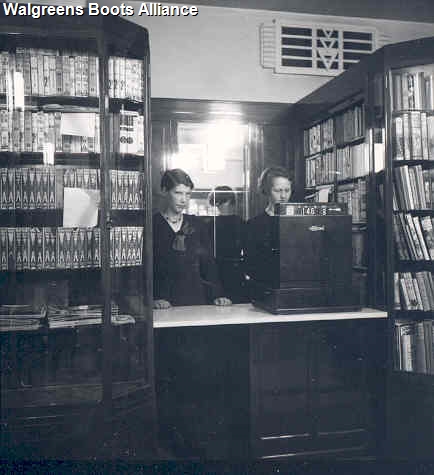
Photographs: Walgreens Boots Alliance
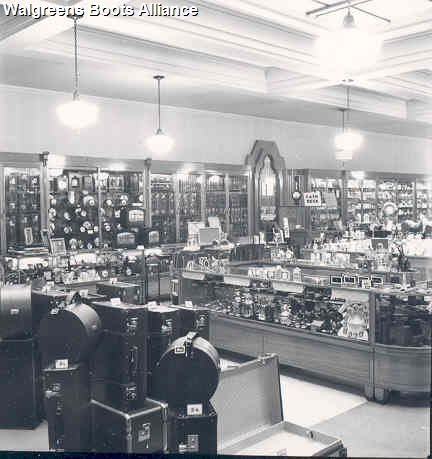
The interior fittings were chiefly light mahogany, the floors laid in ceramic mosaic on top of ‘bison’ concrete flooring, and heating was generated by rooftop pipes to provide even temperature throughout its three sales floors.
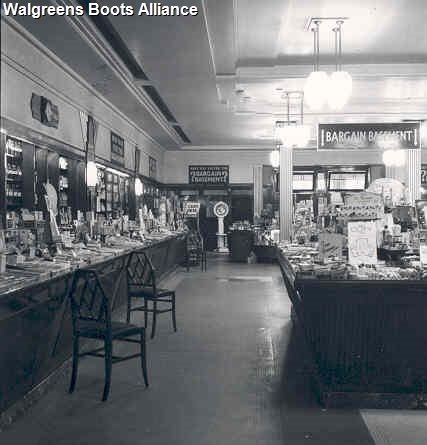
The ground floor was set aside for the principal business of chemist and toiletries. A surgical department, staffed by fully trained nurses, provided a private fitting room and a dispensary.
Photograph: Walgreens Boots Alliance
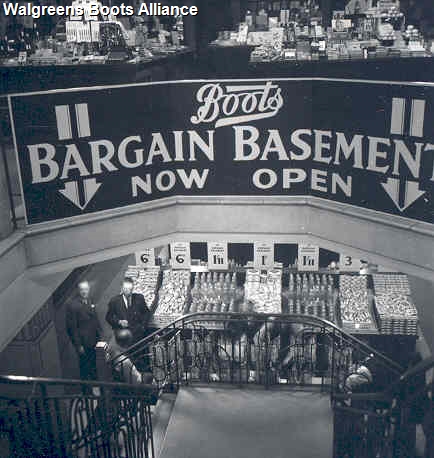
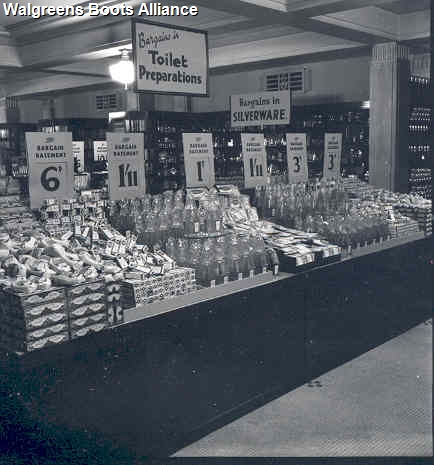
A staircase in the centre of the showroom led to the basement, where travelling goods, stationary, books, pictures and artists’ materials were displayed. The first floor contained the ‘Booklovers’ Library’ decorated in blue and green, and a fascinating exhibition of artistic gifts, silver, and fancy merchandise. All three floors were served by a staircase and two lifts.
Electric lighting in the store was designed by Harcourts, of Birmingham, based on original suggestions of Percy J. Bartlett. The fittings were arranged to take four one hundred watt Cosmos lamps, with a combination of four crystal etched glass cylinders.
Photograph: Walgreens Boots Alliance
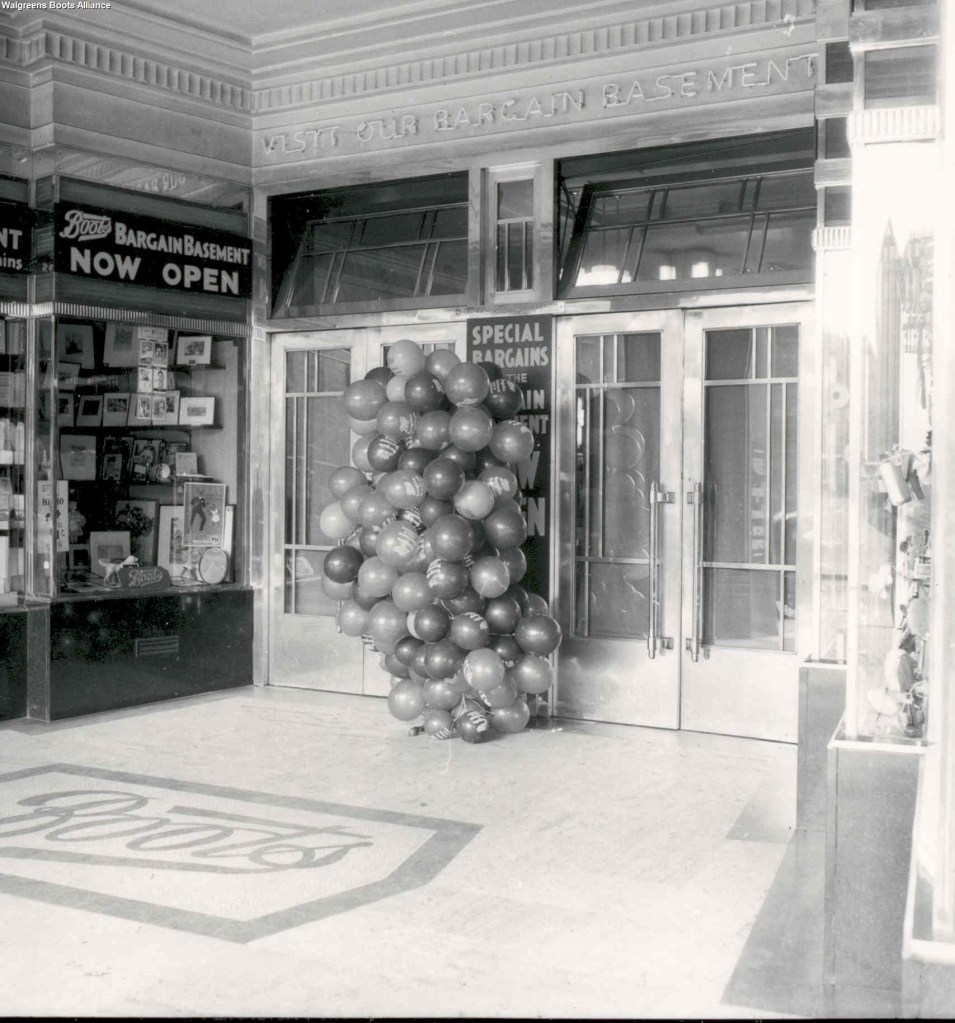
It opened in October 1931, and the address became 4-6 High Street. Two years later a Bargain Basement opened, bringing a modern style of retailing to the store. Further alterations were made in 1936 and it was later extended into the adjacent Foster’s Building.
Photographs: Walgreens Boots Alliance
Those of a certain generation will remember that the basement eventually opened out into a subway that stretched across High Street, and which was eventually lost when Supertram works started.
Sadly, the frontage we see today is the result of the generic modernisation of the retail sector, but remember it only disguises the past.
Boots is now part of the Retail Pharmacy International Division of Walgreens Boots Alliance, Inc.
Percy J. Bartlett, the Boots’ architect, on his retirement. Photograph: Walgreens Boots Alliance
Shop windows as they used to be. Photograph: Walgreens Boots Alliance
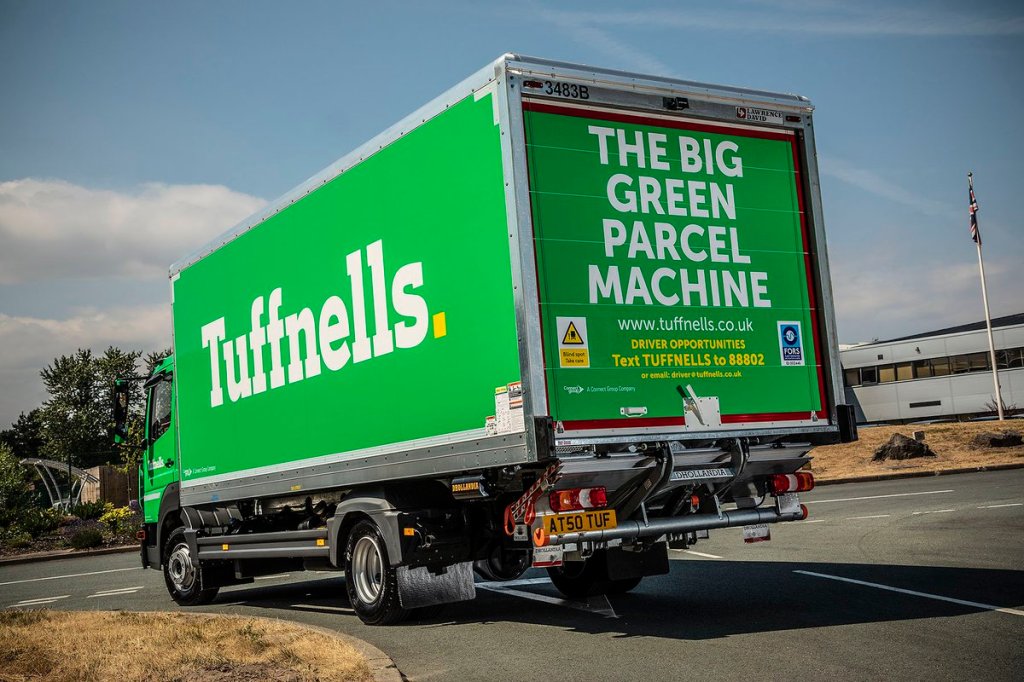
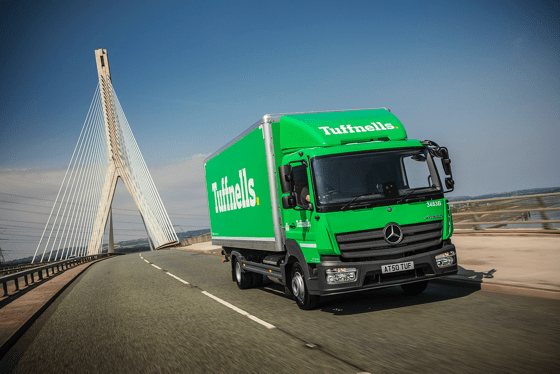
Tuffnells adopted its slogan – The Big Green Parcel Machine – in 1985. Photograph: Tuffnells
Which Sheffield company operates from a network of 34 depots, with a head office in the city, and serves about 4,000 businesses?
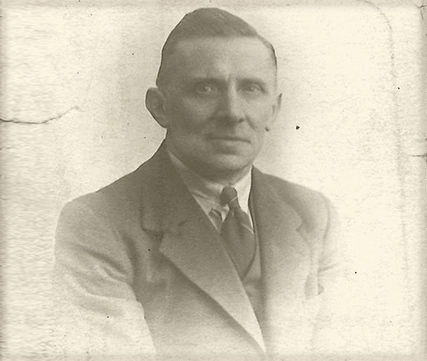
This is a company founded in 1914 by Harold James Tuffnell (1886-1963) with a horse and a cart he bought for £100. His surname is the giveaway, and today Tuffnells is a nationwide parcels carrier.
Harold James Tuffnell was once a groom to Charles Crookes, a steel manufacturer of East Cliffe House, East Bank Road. He died at the Royal Hospital in 1963. Photograph: Tuffnells
By the 1920s, Harold Tuffnell was operating on Langdon Street as a motor haulage contractor and coal merchant, living at 261 Pearl Street. By 1936, H.J. Tuffnell Ltd, carriers, were on Mary Street, with Harold living at 149 Folds Lane
By 1951, H.J. Tuffnell operated seven vehicles with a livery of maroon and cream, but two years later was sold to Mr E.J. Shaw, who had bought into removal company Caudles (established in the 1890s by William Caudle as a coal merchant, furniture remover, and haulier).
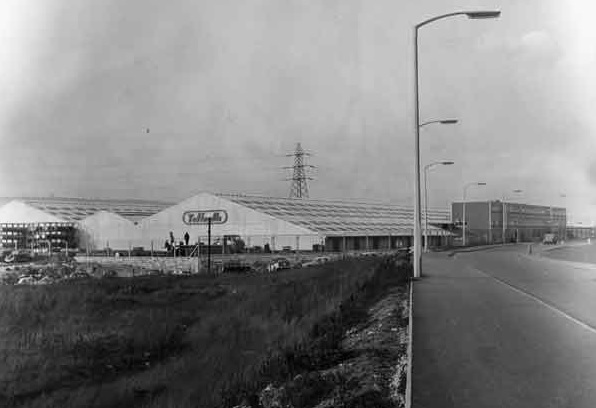
The company moved to Woodbourn Road, and subsequently to Shepcote Lane in the late 1960s.
Tuffnells new Shepcote Lane distribution centre in 1968. Photograph: Picture Sheffield
In 1971, Tuffnells was sold to TDG (Transport Development Group), a company founded in 1922 as The General Lighterage Co, and which eventually was swallowed up by Nobert Dentressangle and XPO Logistics. Under TDG, Tuffnells expanded and by the 1980s operated out of fifteen depots nationwide.
It changed its name to Tuffnells Parcels Express in 1985, and with a fleet of two hundred vehicles, adopted the slogan, The Big Green Parcel Machine.
Tuffnells was subject to a £33m management buyout in 2005 and turnover exceeded £100m for the first time. It came to the attention of the Connect Group, another company with a long history – originally known as W.H. Smith News and renamed Smiths News in 2006 from the demerger of W.H. Smith. It became the Connect Group before reverting to Smiths News again.
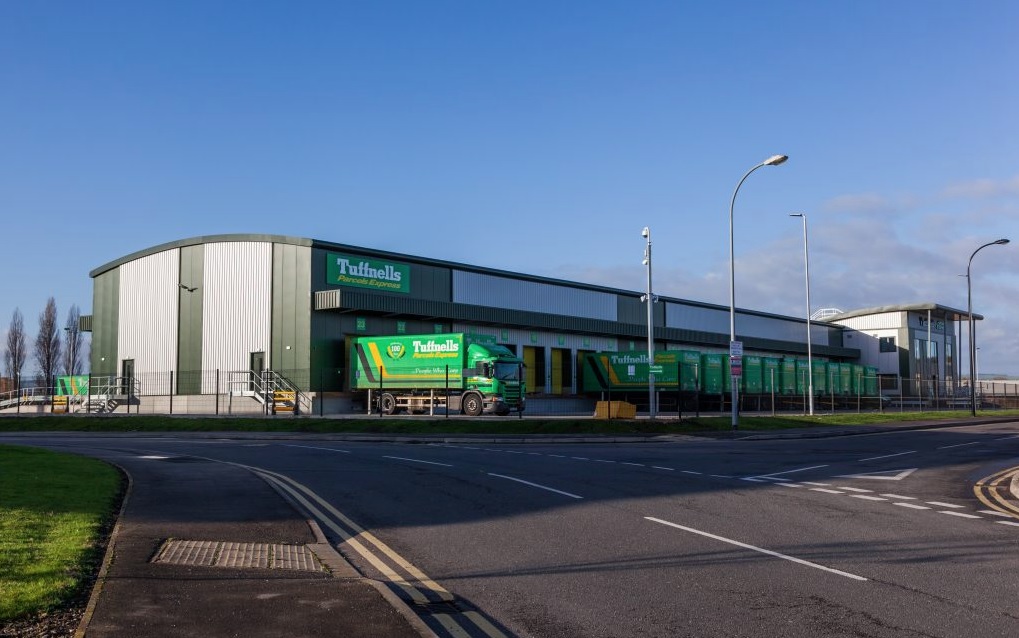
Connect paid £100m for Tuffnells in its centenary year, later moving its main distribution centre to Europa Close and its head office to the former Sheffield City Council Offices on Carbrook Hall Road.
The takeover was not without its problems and subject to a run of poor performance, (“a drag on profitability and cash”), Connect had considered closing it, before off-loading the company (and its 1,200 green trucks) to investment vehicle Palm Bidco for £15m in July 2020, effectively returning the company back into private hands once again.
Still going strong, despite plans by the Connect Group to close the business in 2019. Photograph: Tuffnells
Measuring 20,000 square foot and sitting on a four-acre site, the Europa Close site is home to 41 vehicles, 51 loading bays and 139 employees. Photograph: AKV Group
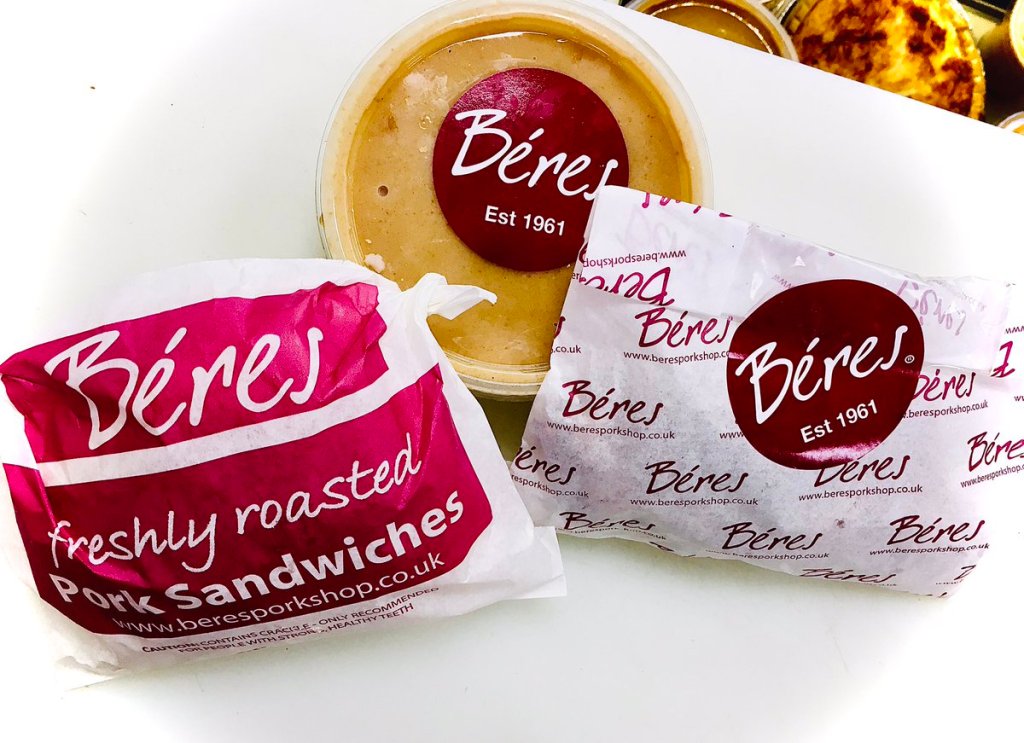
The Béres hot pork sandwich has been hailed as a Sheffield favourite for the past 50 years. Photograph: Béres.
If it hadn’t been for a speech in 1956 by Soviet leader Nikita Khrushchev then you might not have been able to enjoy your modern-day Sheffield pork sandwich. Khrushchev attacked the period of Joseph Stalin’s rule and, encouraged by the new freedom of debate and criticism, a rising tide of unrest and discontent in Hungary broke out into active fighting in October 1956. The following month, the Soviet Union invaded Hungary to stop the revolution.
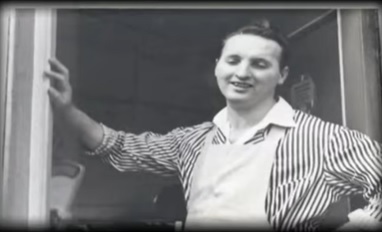
Sandor Béres , a young Hungarian butcher, left his home city of Budapest after communists had taken possession of his father’s butchers shops, and arrived in the UK as a political refugee. He was one of many evacuees to seek a new life in Sheffield, and in 1960 married a Barnsley girl, Eileen Lovell, whom he met at a dance.
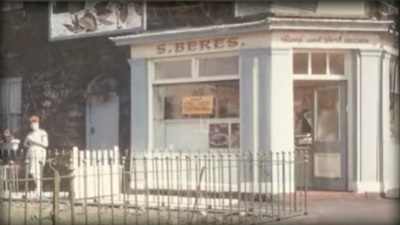
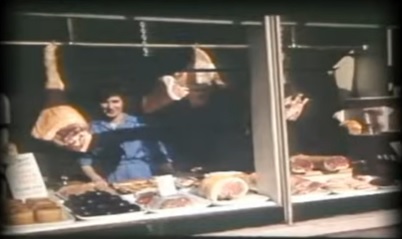
A year later, Sandor and Eileen, opened their first butchers shop at Wadsley Bridge, and set up a mobile round selling to nearby estates. Béres specialised in pork and beef, and quickly realised the potential of selling freshly-made pork sandwiches to Sheffield folk. Within a few years, they’d opened three more Béres shops.
Photographs: Béres
Their son, Richard, joined the business in 1988, and under his leadership embarked on a significant expansion plan. In the 1990s, he was joined by his two sisters, Helen and Catherine, and the business trebled in size with further shops in the north of the city.
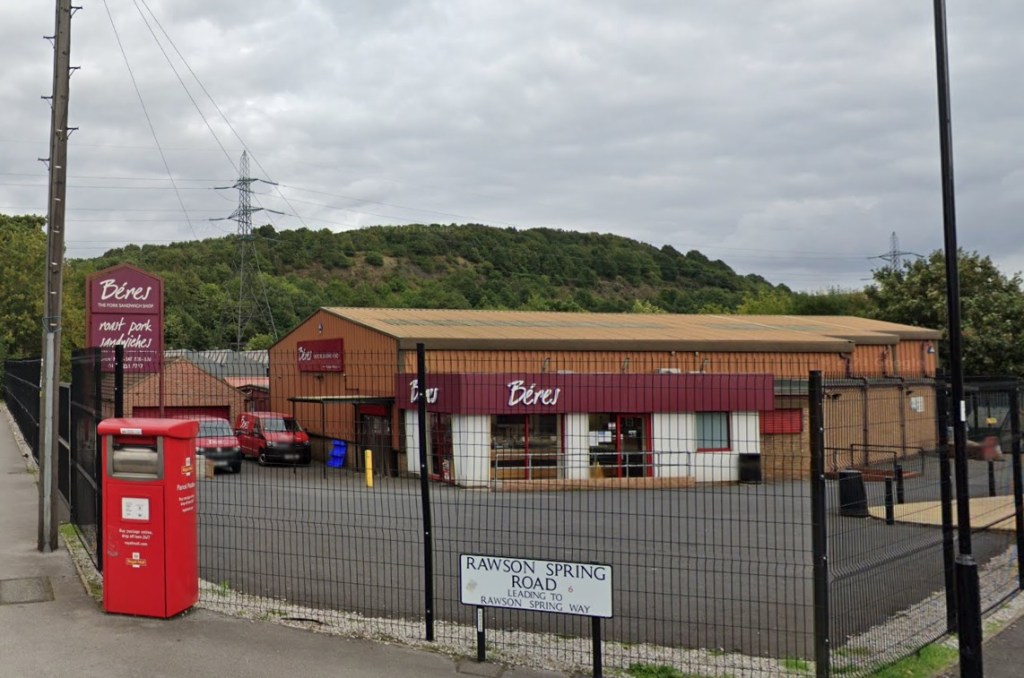
Larger production facilities were needed, and Béres converted a factory on Rawson Spring Road allowing it to bake its own bread.
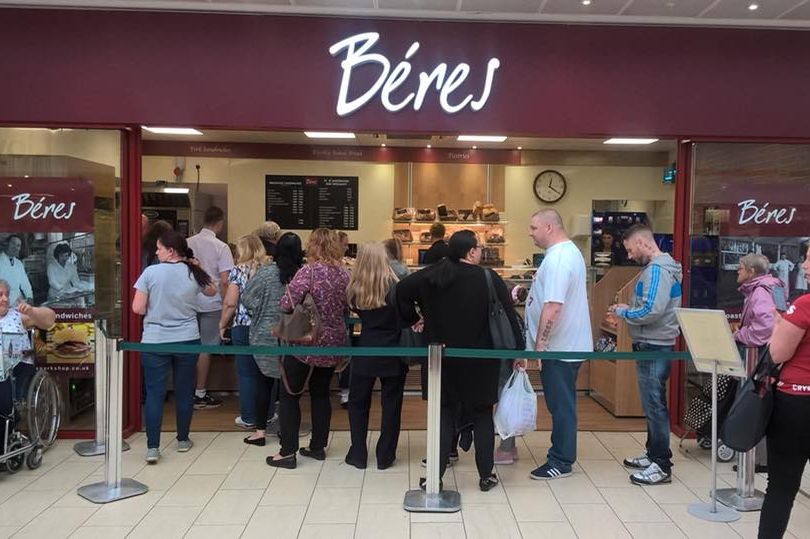
In the early part of this century the company expanded into Crookes, Woodseats, and Chapeltown, as well as shops on Pinstone Street and Crystal Peaks, and will open their fourteenth shop at Broomhill next month.
Béres shop at Crystal Peaks shopping centre. Photograph: Béres.
Béres bone-out and roast all their own joints and each pork sandwich is freshly made to order. The success of the Béres Pork sandwich is said to be down to the taste, enhanced by the roasting juices that each breadcake is dipped in. And, of course, the company sells a range of other tasty products, including pies, cooked and raw meats, and pork dripping.
After 60 years, Béres (note the Hungarian diacritic) is a Sheffield institution.
Béres production facility on Rawson Spring Road. Photograph: Google.


 sheffielder.net