Categories
Buildings

Clergy House – “It was a good thing to shut up a public house and get rid of a licence.”

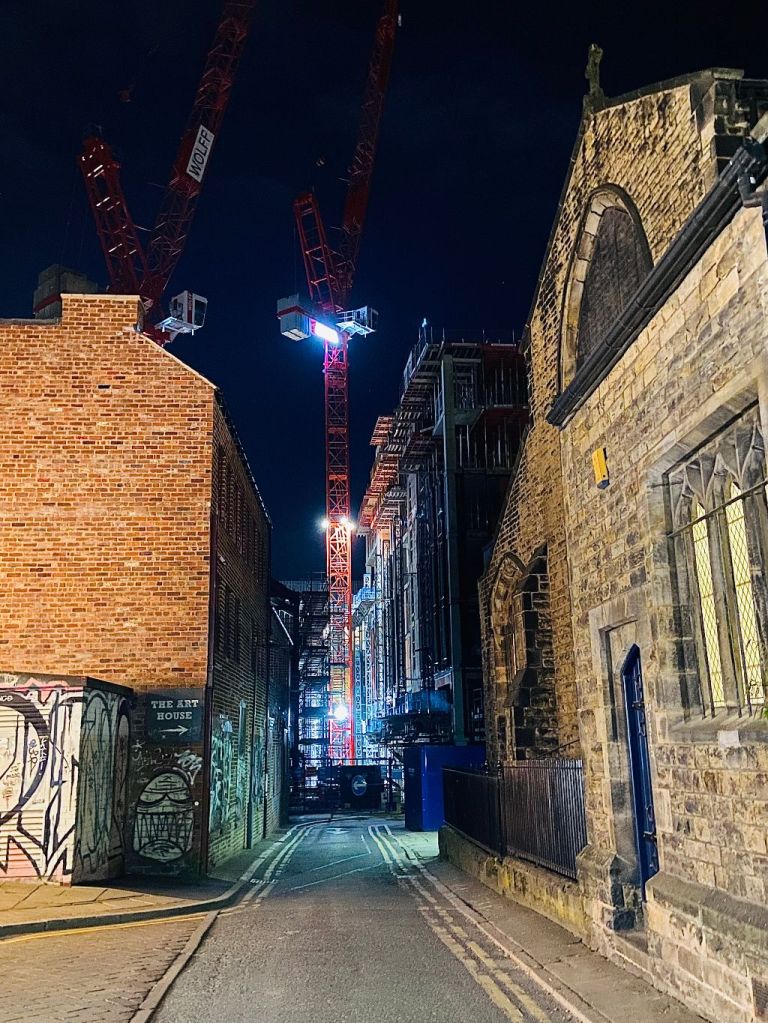
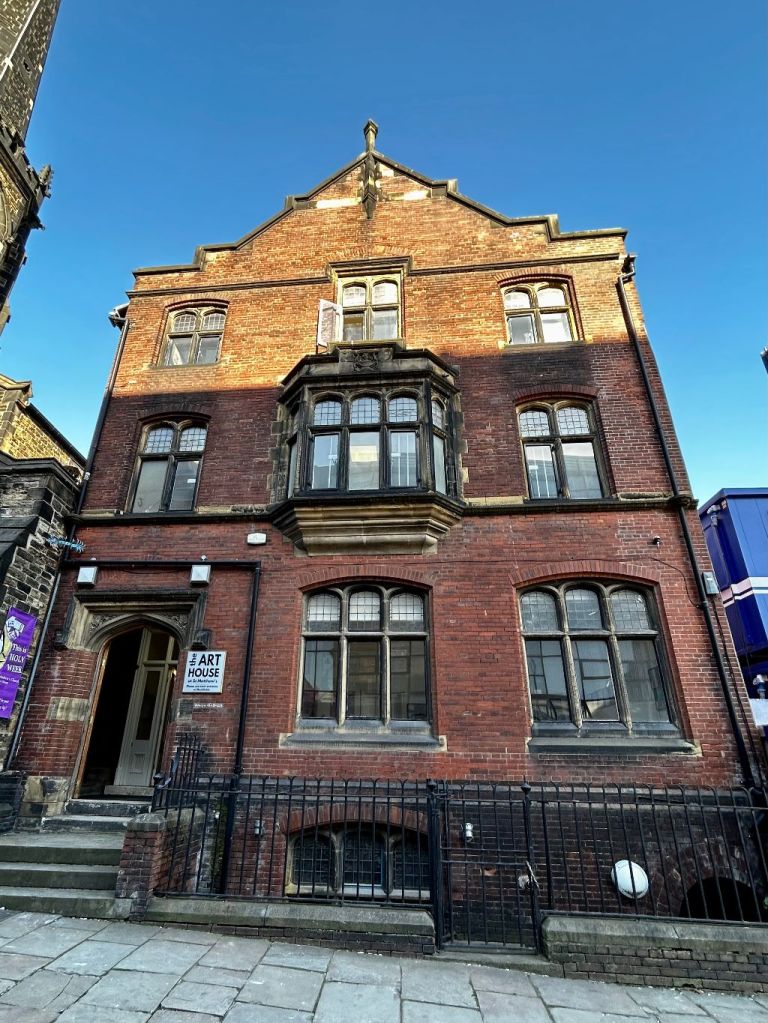
Clergy House, now The Art House. Image: DJP/2023

We recently looked at St. Matthew’s Church on Carver Street that was built in 1854-1855. Next door is an equally important building that is known today as The Art House, a trading name of St Matthew’s House, a charity set up in 2011 to support people with mental health issues and allow them to engage with the creative arts.

It was originally called Clergy House, built in Tudor Gothic style in 1896 as a home and parish rooms for the Rev. George Campbell Ommanney, vicar of St Matthew’s Church between 1882 and 1936, and two assistant priests.

The old vicarage, as far away as Highfield, was sold in 1884, and for several years the vicar and his clergy lived in seedy rented accommodation at No. 71 Carver Street, close to the church.

“A vicar who is willing to make the sacrifice involved in taking up his abode in such a dingy, insalubrious district at that which contains St. Matthew’s ought at least to live in a comfortable house,” wrote the Sheffield and Rotherham Independent in 1896.

At that time, houses beyond those of the very poorest class were scarce in the central parts of Sheffield. All the large ones had been sacrificed to the demands of commerce.

The parishioners sought to remedy the situation, and Rev. Ommanney was able to secure a freehold site adjoining St. Matthew’s Church at a cost of £900. The site had been a public house – the Stag Inn – allowing the vicar to say, “it was a good thing to shut up a public house and get rid of a licence.”

The amount required to build the new Clergy House was £2000 and the vicar used money from the sale of the old vicarage as well as the interest which had accrued against it. The York Diocesan Church Extension Society subscribed £150, and the Sheffield Church Burgesses gave a similar sum. The vicar contributed £450, and two members of the congregation subscribed £100 each. To make up the balance, the vicar intended to borrow £500 from the trustees of Queen Anne’s Bounty, but further subscriptions flooded in and the crowning gift was a grant of £7000 from the Ecclesiastical Commissioners. It allowed the house to be built debt free.
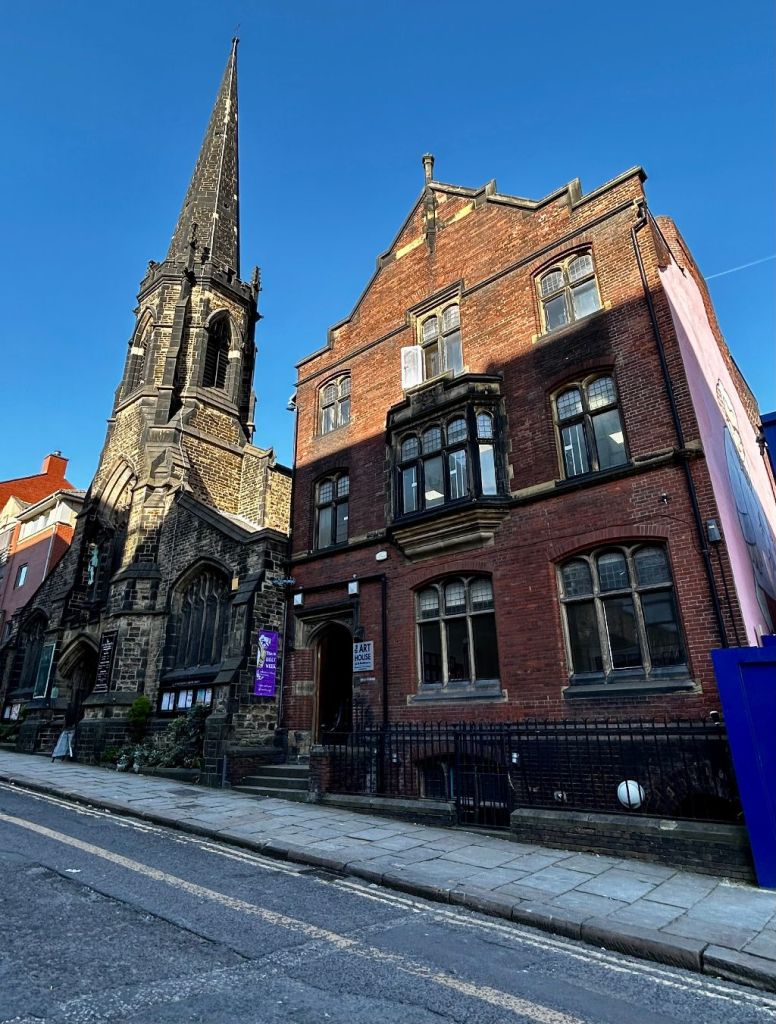
Clergy House was once the site of a public house. “While the public house existed, men frequently came into the church during the Saturday night prayers under the influence of liquor. These visitors joined in the service in such a peculiar fashion and made so much noise, that occasionally Rev. Ommanney had to stop the service, take off his surplice, and eject them.” Image: DJP/2023

The architect was John Dodsley Webster, and it was built in red brick with stone facings. The basement contained the large parish room, on the ground floor were the drawing room, kitchen, and offices, while the first floor contained sitting room, study, bedroom, and bathroom. Five bedrooms occupied the top floor.

Land at the back, on Backfields, was later bought to add parochial buildings, including a Sunday School.

According to the Art House website, time took its toll on the building and the building deteriorated to an extent that a major refurbishment had to be undertaken. A small group of people from the congregation devised a plan to restore St. Matthew’s House to its former glory, and once again play a part in serving the needs of the local community. The Art House Charity was established in 2011 and spent four years raising the £1.5m needed to refurbish the dilapidated building. A modern extension was added to the rear in 2015.

The building is leased to the charity by St. Matthew’s Church at a peppercorn rent.
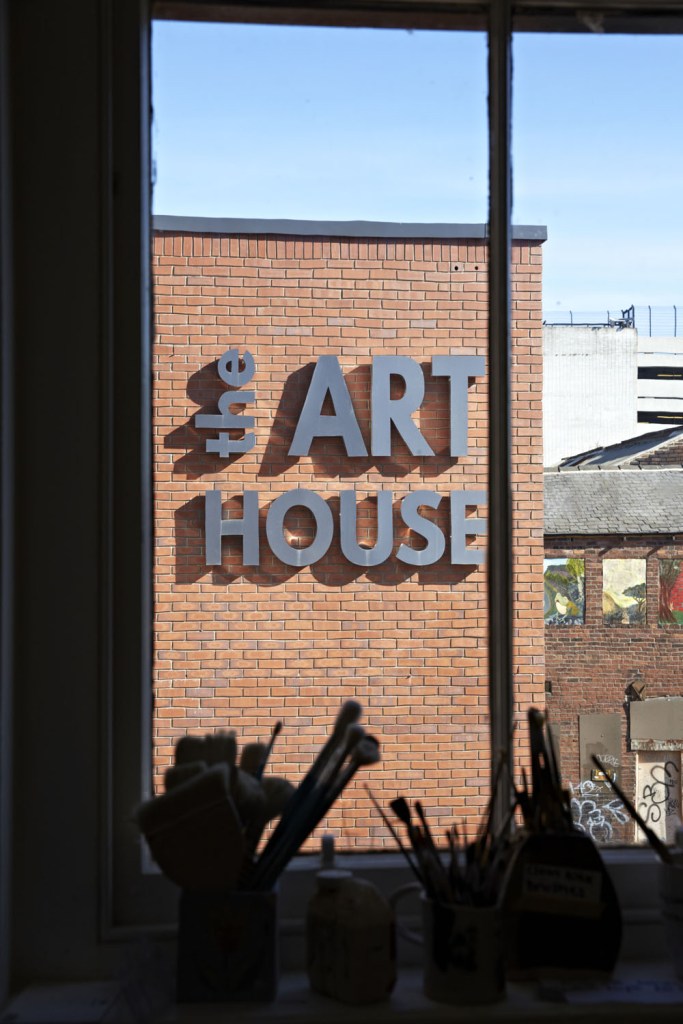
Modern extension for The Art House. Image: Our Favourite Places

©2023 David Poole. All Rights Reserved.
Categories
Buildings

St Matthew’s Church – “Where thieves, prostitutes and urchins once scrabbled an existence nearby.”

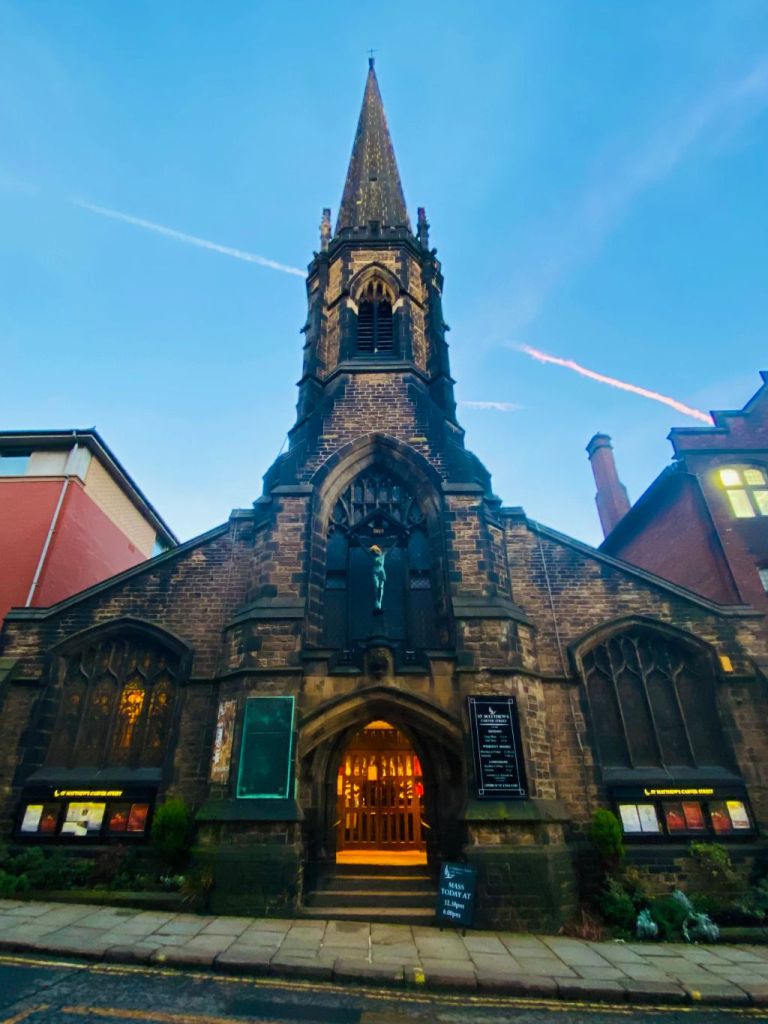
St Matthew’s Church, Carver Street. Image/DJP/2022

It was an exceptionally cold evening, and the light was starting to wane, but this building stood out, magnificent against the clear sky, and all the time, a gentle warmth emanated from within its walls.

“I’ve never noticed it before,” said someone who has lived in Sheffield all his life. “When you think about churches in the city centre, you think about Sheffield Cathedral and St Marie’s. I would be hard-pressed to name others.”

I understood what he meant, but there are several churches besides, including this one, for which we will start at the beginning.  

There was once a piece of land extending from Carver Street to Backfields and separated from Division Street by a row of shops known as Division Street market. Houses stood upon this land – some of them notorious dens of vice – but by 1855, these had been cleared and a church built in its place.

In the early years of this century, Carver Street surrendered to change, with most of its historical buildings on its upper section with West Street converted into bars. Nowadays we refer to it as Sheffield’s ‘Party Street.’

Further down the road, where thieves, prostitutes and urchins once scrabbled an existence, life is quieter and simpler, and St Matthew’s Church is still with us.

Late at night, each weekend, Street Pastors congregate here before going out to care for those youngsters who have succumbed to the ‘demon drink.’

The Parish of St Matthew’s was created in 1848 when the original Sheffield parish (now the Anglican Cathedral) was subdivided. Its first Vicar, J.F. Witty, held early services at the National School on Carver Street (now Viper Rooms), but sufficient funds were raised to build a permanent church.

“Since I came to this district, at the invitation of my friend, Rev. T. Sale, Vicar of Sheffield, I have always looked upon it as a missionary appointment – as one calling for more arduous labours than any regular organised district or parish. When I see that there is a population large enough to fully occupy the time of three ministers – that the population is suffering from negligence of years past, and from deep-rooted prejudice and gross ignorance, the alienation of the intellect as well as moral pollution, I see that there is great labour ahead of me.”

The foundation stone was laid in 1854 by H.M. Greaves, of Banner Cross, who was presented with a silver trowel which had on one side a view of the proposed church, and on the other an inscription.

The church was designed by Flockton and Son and was consecrated on 6 June 1855 by the Archbishop of York, Thomas Musgrave.

It cost £3,297 to build, the main benefactor being snuff-maker Henry Wilson of Westbrook Mill who contributed £1,020. The Ecclesiastical Commissioners granted £200 and the Incorporated Church Building Society gave £250. The rest of the money had to be raised by Witty and his congregation.

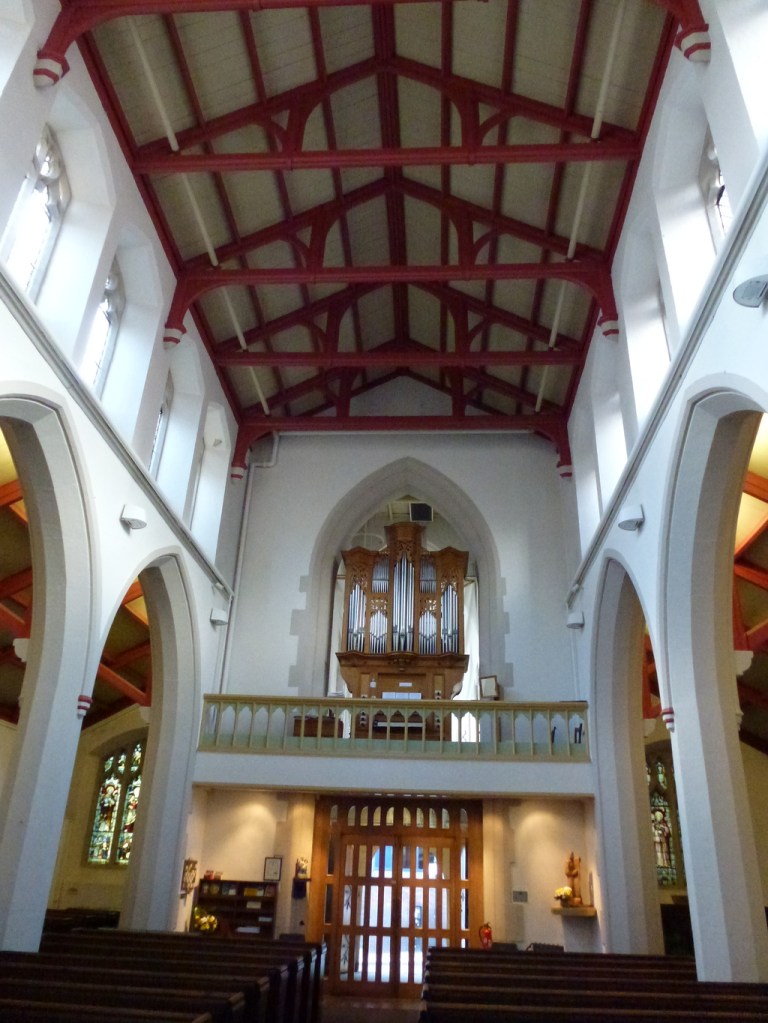
St Matthew’s was described as in the perpendicular gothic style of architecture, consisting of a nave, chancel, and aisles, with a small gallery in the tower at the west end.

It abutted adjoining buildings which meant that it had to be lit solely from windows in the clerestory and those at the west end where an octagonal tower was built – the first in Sheffield – surmounted by a spire of 65 feet, making a total height to the top of the spire 121 ft.

St Matthew’s Church, Carver Street. Image/The Church of England
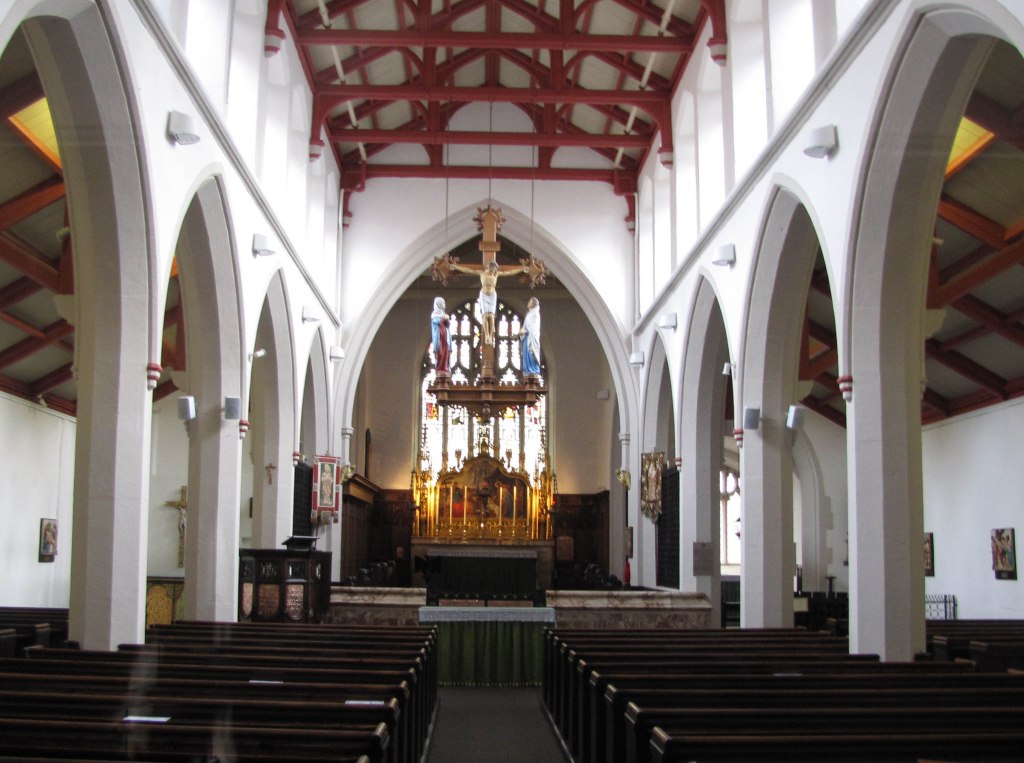
The West End showing the Goetz & Gwyn Organ installed in 1993. Image/The Church of England

St Matthew’s survived German bombs in World War Two, but many nearby houses were not so fortunate, and those that remained were later demolished. Without a residential congregation, its fortunes dwindled, surviving a fire in 1956 and the threat of demolition to make way for a new road in the 1970s.

Its circumstances have improved with houses and flats returning within parish boundaries, and there have been several restorations since it was built.

“I often think about those who built these old buildings,” said my colleague. “I wonder what they would think to see that their work is still here all these years later.”

I too, think about those people, long dead and forgotten, and it always provides pleasure to seek out those responsible, each with a story to tell.

Mason’s work, James Powell; carpenter’s work, John Dutton and William Heald; plumbers, John Johnstone; slating, Roger Brown; plastering Thomas S. Harrison.

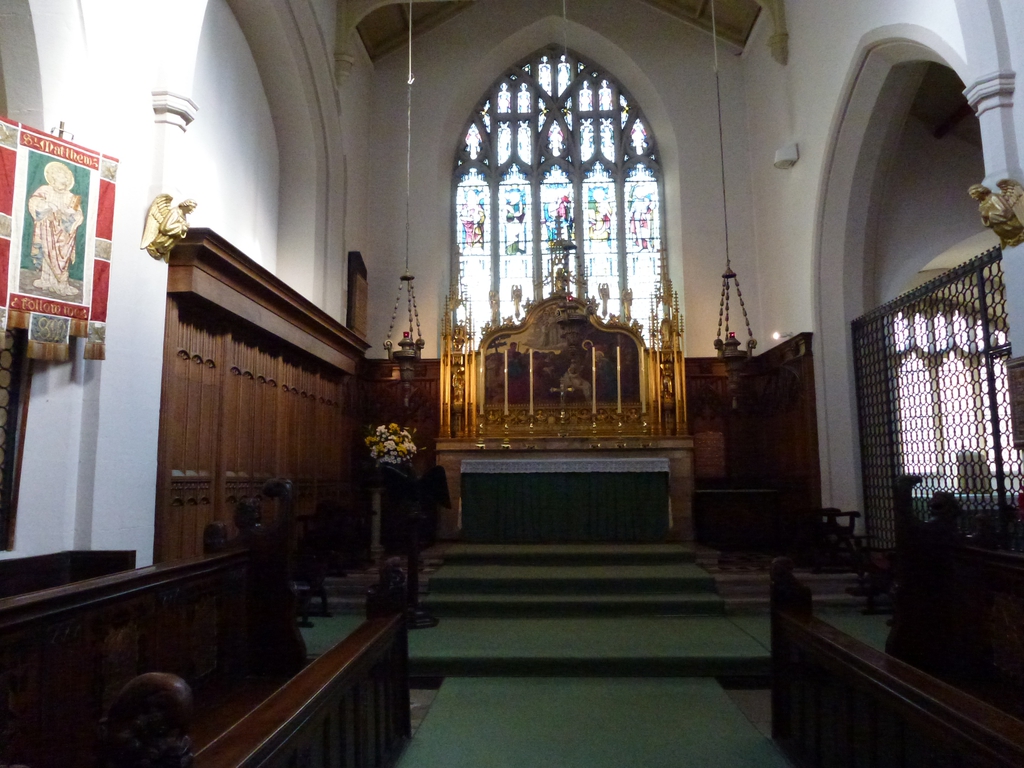
The High Altar. Image: The Church of England
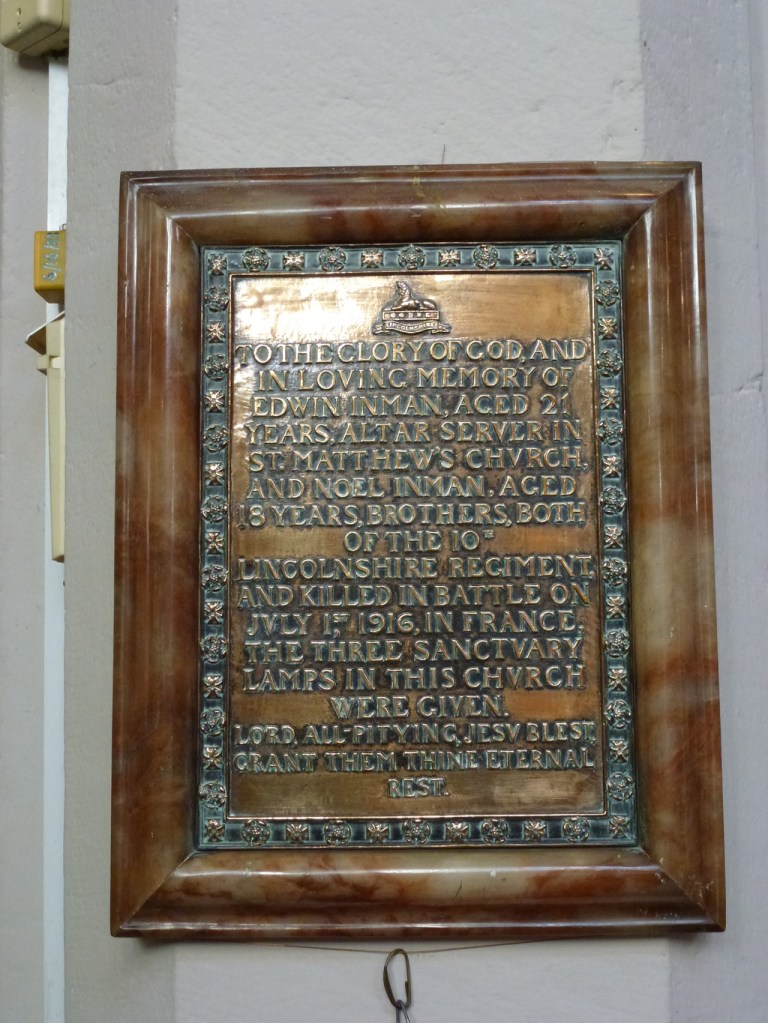
Two members of the congregation, brothers Edwin, 21, and Noel Inman, 18, died in the Battle of the Somme in 1916 and lived in the Parish of St Matthew’s Carver Street. Image/The Church of England
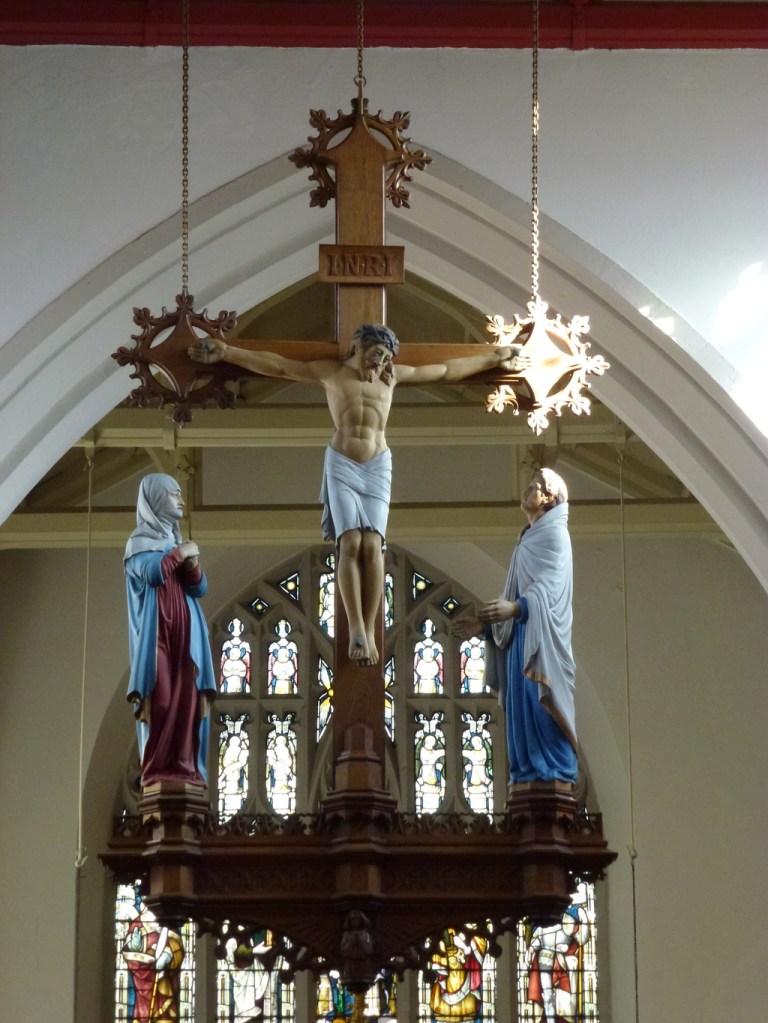
The Rood – In memory of Father G C Ommanney Parish Priest 1882-1936. Image: The Church of England
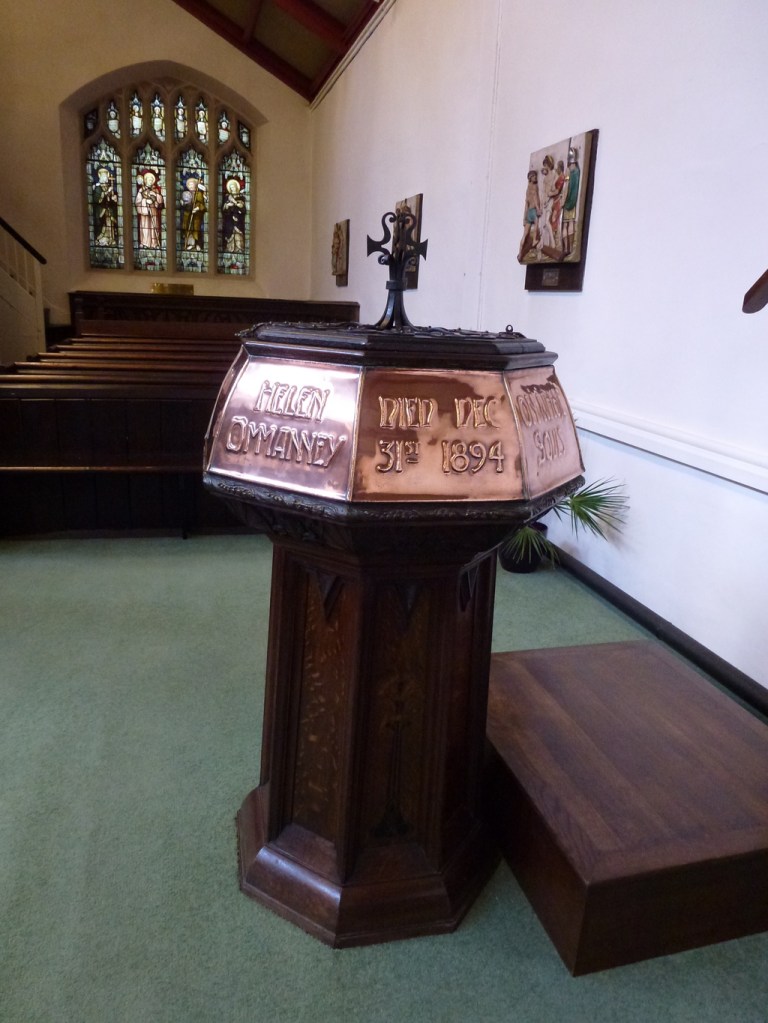
The Font. Image/The Church of England

©2023 David Poole. All Rights Reserved.
Categories
Buildings

Sheffield City Council targets developers for two new Heart of the City sites

Sheffield City Council has gone to market with two new development plots within its transformational £470m Heart of the City masterplan.

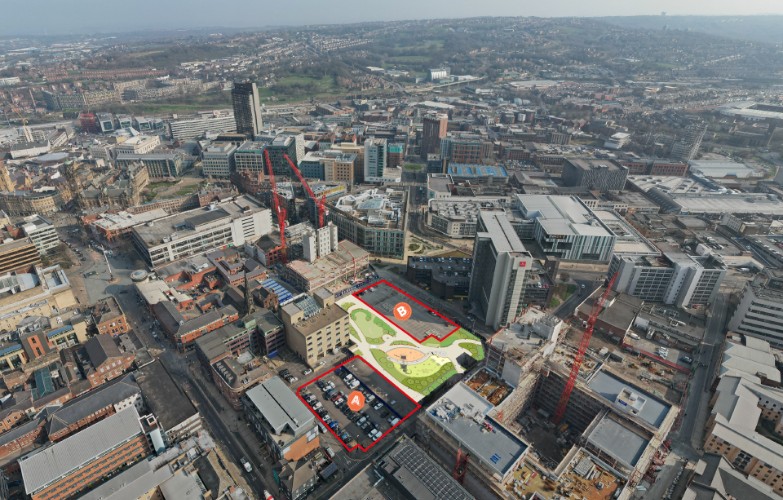
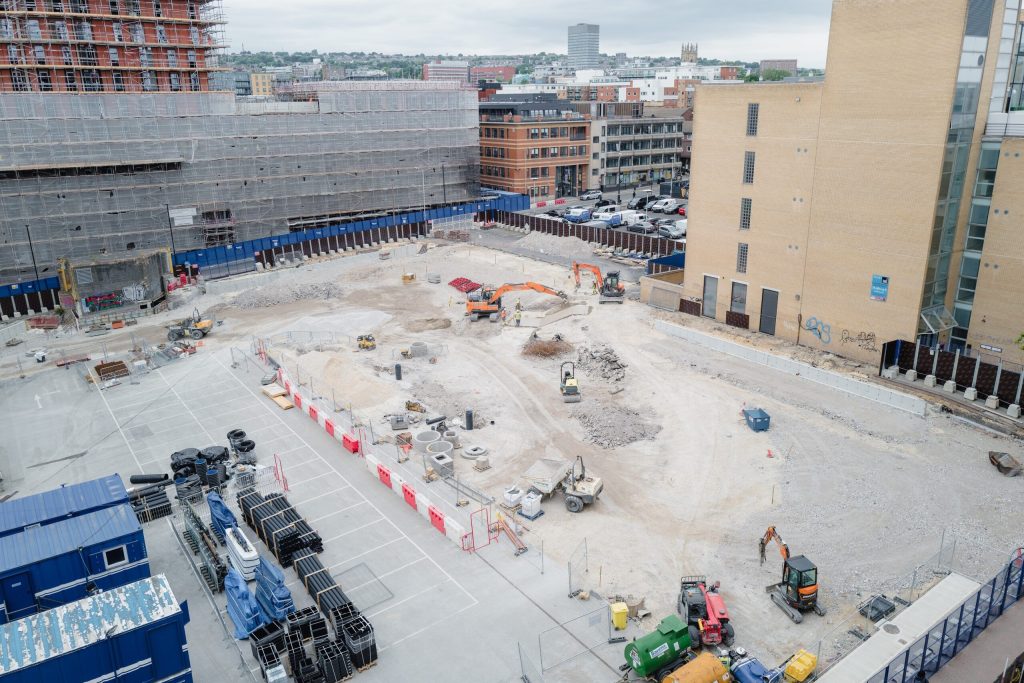
The Council and its appointed marketing agent, CBRE, are seeking buyers for two development sites located on the former car park between Rockingham Street, Wellington Street and Carver Street.

The new developments would further contribute to the rapidly growing mixed-use district that is being created through Heart of the City – this includes the already completed Grosvenor House, plus several under-construction office, leisure, and residential developments.

The two new plots are located at opposite corners of the evolving Pound’s Park, having been originally outlined during the Council’s public consultation for this landmark public space last year.

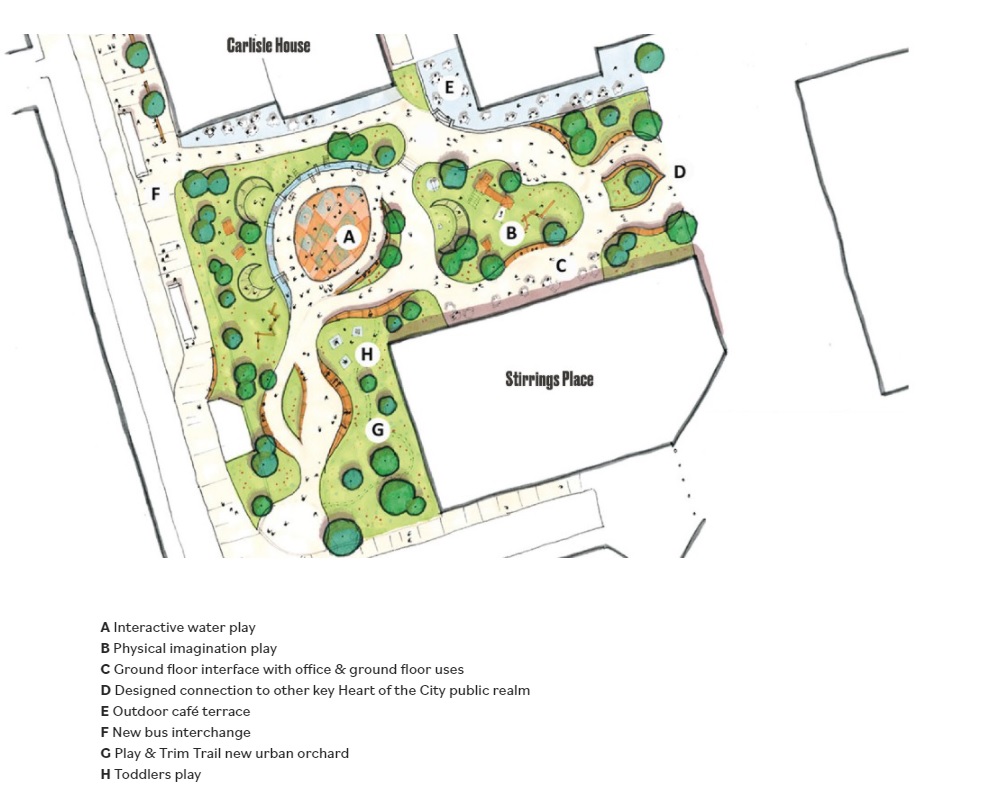
Construction of Pound’s Park is already well underway and is set to complete towards the end of this year. By prioritising the physical and mental wellbeing of its visitors – through a focus on pedestrians, cycling, active play, and relaxation – the new green space is seen as a big draw for potential developers.

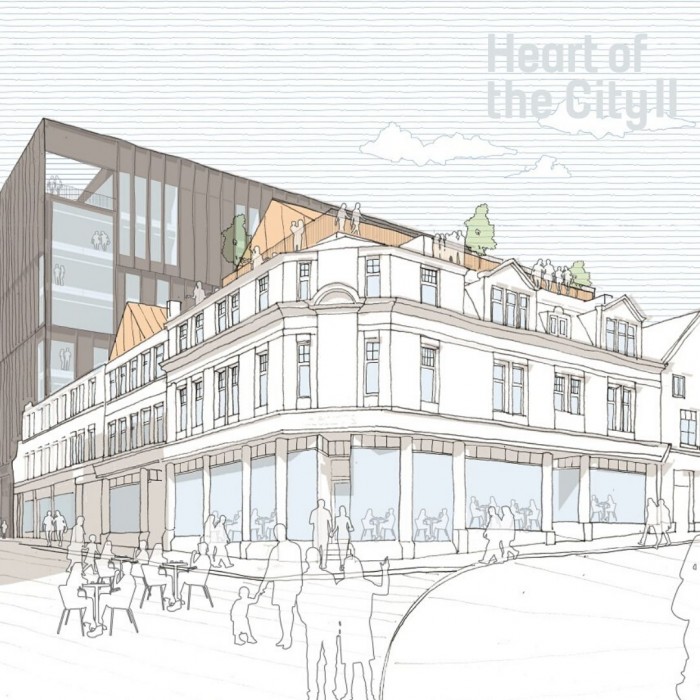
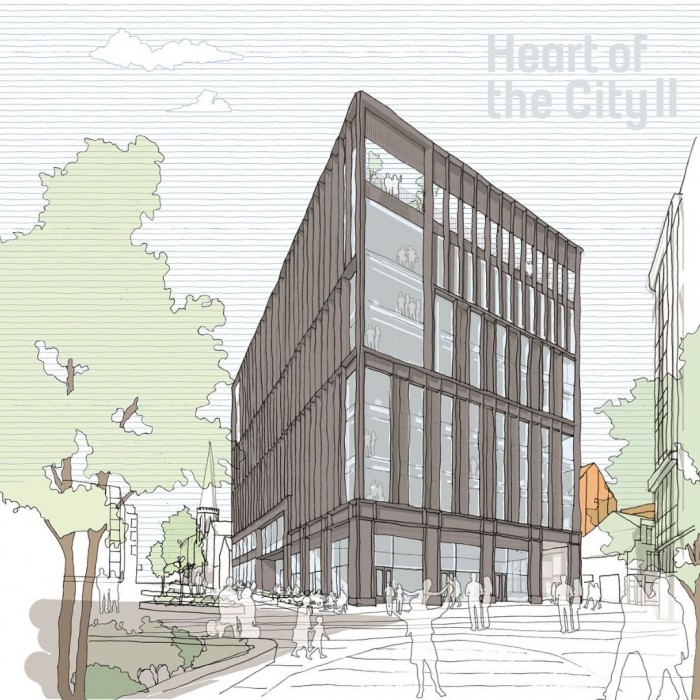
The sites are expected to provide active ground floor uses such as cafes and restaurants onto this high-quality public realm with office, hotel and residential uses on the upper floors considered appropriate. Whilst both sites could be developed by a single purchaser, the Council will consider separate or combined offers for the sites.

The largest of the two new sites (Site B) sits on the southeastern side of the park on the corner of Carver Street and Wellington Street.

One of the requirements for this site is that it must incorporate and display the locally cherished William Mitchell Frieze artwork, which was carefully removed from Barker’s Pool House to make way for a new Radisson Blu hotel last year.

The second site (Site A) sits to the northeast of the park on the corner of Rockingham Street and Division Lane.

Categories
Streets

Backfields – while you were sleeping last night

Backfields, looking from Division Street. Image: DJP/2022

While you were sleeping last night. Backfields, 3am. A forgotten thoroughfare amid 21st century redevelopment. A street with an undesirable history. Our ancestors imperilled this narrow street to crime – stabbings, muggings, and death, and I doubt that Sheffield has another street which suffered so many devastating fires.

In 1872, a Dr Hime expressed his opinion that it was not surprising that there should be so much sickness in the town while there were such places as Backfields and the neighbourhood.

Backfields led from Division Street to Wellington Street, off which were alleys and passageways with access to Coal Pit Lane, and Carver Street. It was an area of dirty, dense, back-to-back housing, and small workshops.

It was a cess-pit of filth, but it hadn’t always been like this.

Once upon a time, Backfields was exactly that. The fields beyond Coal Pit Lane (now Cambridge Street), once the distant boundary of town, was where cows grazed, sheep gambolled, and children played in the meadows.

Cometh the Industrial Revolution, no trace of its rural past existed.

In the same year that Dr Hime pontificated about Backfields, the Sheffield Independent provided a unique account: –

“On the eastern side of a yard there is a privy that must do duty for a considerable number of houses, and it is scarcely equal to the duty. The ashpit is more than full – it is overflowing. It has made an encroachment almost into the middle of the yard, in front of the doors of some of the houses and extends about twenty feet until its further extension laterally is stopped by the water branch.

“It is the same in every yard. Near St. Matthew’s Church there is an ashpit adjoining the street, piled up high beyond the retaining walls, and the rubbish falls onto the footpath leading to the houses. The passages are worthy of exploration. A visit to them will show that the ashpit question, though a grave one, is not the only point affecting the sanitary position in Sheffield. Air, light, ventilation, and crowding have much to do with it, and many of these places ought to be improved off the face of the earth.

“There is a passage, the old entrance to which has been removed by the erection of a privy, and the actual passage left would scarcely admit the entrance to a turtle-fed alderman. But there are other privies, not only as bad, but worse. One could not be seen because the doors were closed. The other could not be seen because the doors could not be closed. But here, as in the other case, a solution has been found. Human necessity is strong in resources; and the depositions that should be made in the privies are made in or thrown into the passage. These premises are stuck over with notifications from the Health Committee enjoining cleanliness on the inhabitants, in circumstances and under conditions where it is impossible to be clean!

“Yet again, in these jennels and passages, there are active business proceedings carried on. In one of them, there is a bakery, where spicy-looking buns were being made for the delectation of young Sheffield, which may be very excellent in their way, though fastidious people would prefer that the materials of their food should not be exposed and manipulated in such unsavoury localities. In another passage, a large tray of pork pies was met ready for the oven. These ‘Melton Mowbrays’ may be all that could be desired; and the givers of picnics will perhaps feel obliged for hints as to the possible sources of their pies and buns, or other delectable confections manufactured over conditions of sweetness that may impart a flavour and improve the appetite.”

It took years for things to improve. A hundred years later, the houses had finally gone while recession claimed industry and commerce. St. Matthews is perhaps the only reminder of our inglorious past.

Sheffield did little to redevelop Backfields and it is only now, with the Heart of the City project, that the area has been embraced. Tower blocks are not long from completion, and people, maybe descendants of those who ate spicy-buns and pork pies, are returning.

But, as somebody recently pointed out to me, are we simply building the slums of the future?    

©2022 David Poole. All Rights Reserved.
Categories
Places

Construction begins on Pound’s Park in Sheffield City Centre

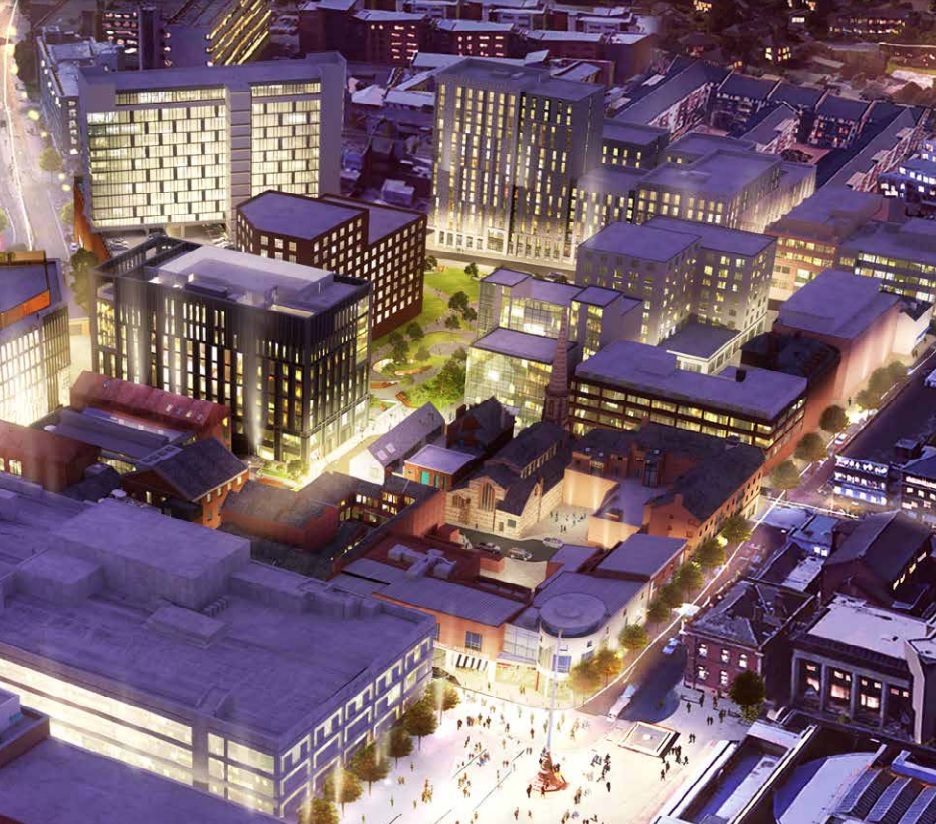
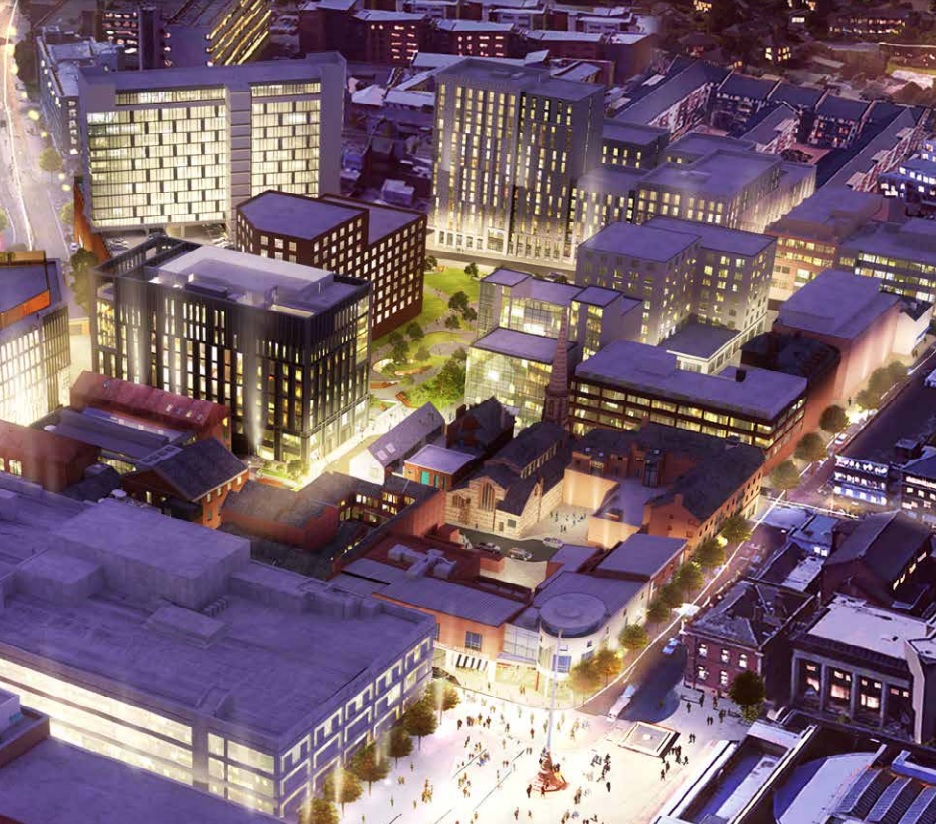
Pounds Park, named after the man responsible for creating Sheffield’s first fire brigade. The former John Lewis store is seen at bottom-left, and might even be demolished to become a green space itself. Image: Sheffield City Council

Once upon a time, the Sheffield construction company, George Longden and Son, might have been chosen to build a new park. From Victorian times, the company was the powerhouse behind many city landmarks. But it lost its way, and the name is all but forgotten.

Instead, the creation of a green space in the city centre will fall to another stalwart of Sheffield construction.

Henry Boot has been appointed to deliver Pounds Park, the landmark new public space, and work gets underway this month.

Sheffield City Council sees this as a key piece of the Heart of the City programme, and it is another project that Henry Boot has been involved with. The builder is underway with the residential development at Kangaroo Works, the Elshaw House office development and the Cambridge Street Collective – a food hall and restaurant destination.

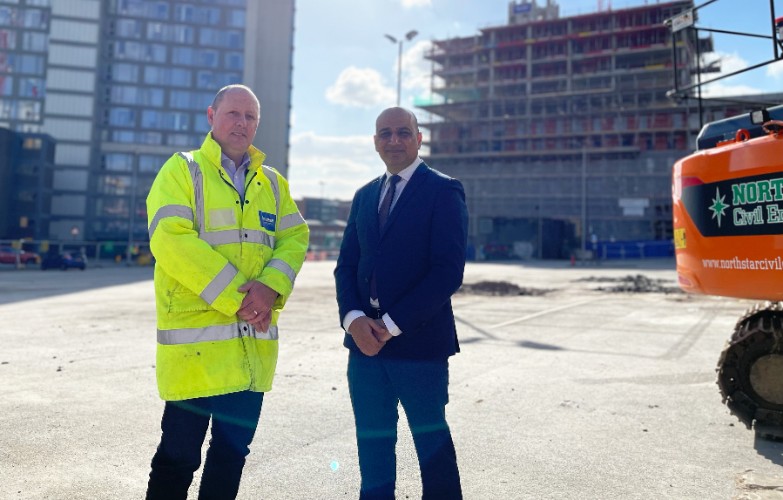
(Left) Tony Shaw, Managing Director for Henry Boot Construction, and (Right) Cllr Mazher Iqbal, Executive Member for City Futures, Sheffield City Council. Image: Heart of the City

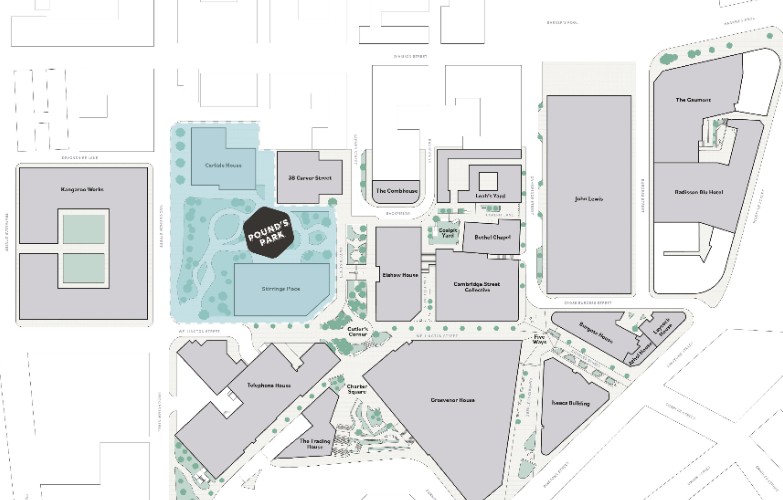
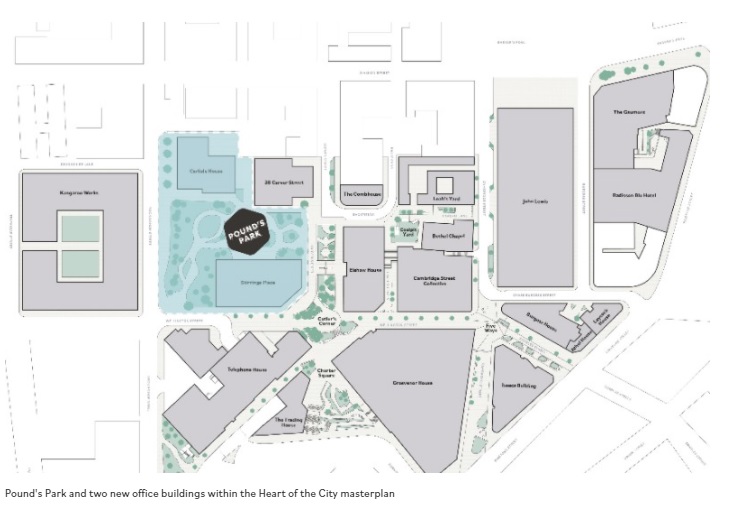
Pound’s Park is named after Sheffield’s first Chief Fire Officer, Superintendent John Charles Pound, and is being built on the former fire station site between Rockingham Street, Wellington Street and Carver Street.

Pound’s Park and two new office buildings within the Heart of the City masterplan. Image: Sheffield City Council

As we move forward, Pound’s Park probably won’t be the only new green space in the city centre.

Projects like this are seen as a critical tool in revitalising cities, regenerating poor areas, bringing nature into the city, rejuvenating neighbourhoods, creating a space for physical interaction in our increasingly digital world, and improving city sustainability.

“They are almost being viewed as like anchor stores, as a way of bringing people into a certain part of town,” says Dr Danielle Sinnett, director of the Centre for Sustainable Planning and Environments at the University of the West of England.

Previously, she reckons, there was some tendency for green space to be tagged onto the end of developments where land was left over. Not so much anymore. “Now it is being seen as key infrastructure in and of itself,” she says.

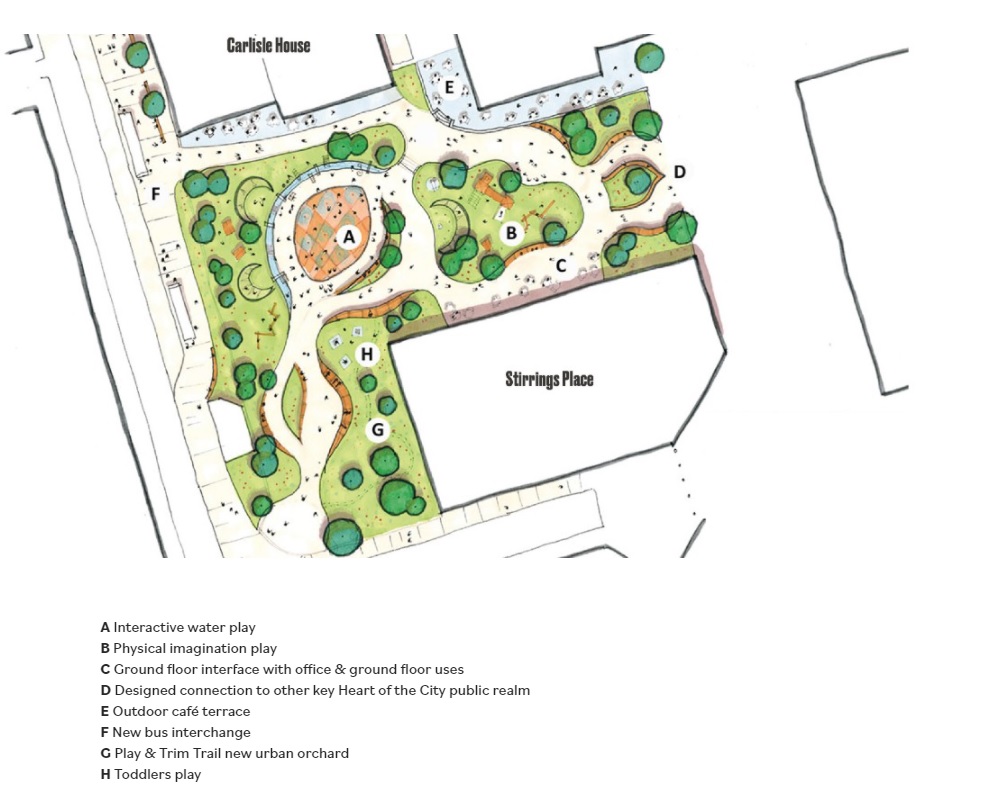
As well as being a green space, Pound’s Park will have a childrens’ play area, water features, and a new bus interchange. It will also provide an accessible new home for the William Mitchell frieze, which was removed from demolished Barker’s Pool House.

© 2022 David Poole. All Rights Reserved.
Categories
People Places Streets

Pound’s Park: a belated tribute to a fire chief

Pound’s Park, named after the man responsible for creating Sheffield’s first fire brigade. The former John Lewis store is seen at bottom-left. Cambridge Street is already being developed as a cultural centre. (Sheffield City Council)

The Heart of the City II programme moves forward, and this artist impression shows Pound’s Park, a new public space that will be created on the site of the demolished Wellington Street fire station.

It will be on the western side of the Heart of the City masterplan, located between Rockingham Street, Wellington Street and Carver Street, and will create another green space in the city centre, as well as creating children’s’ play areas, water features, and a new bus interchange.

The Park will also provide an accessible new home for the William Mitchell frieze, which was removed from Barker’s Pool House a few months ago in preparation for the construction of the new Radisson Blu hotel on Pinstone Street.

A lot has been written about Pound’s Park, but I’d like to focus on the man it is named after.

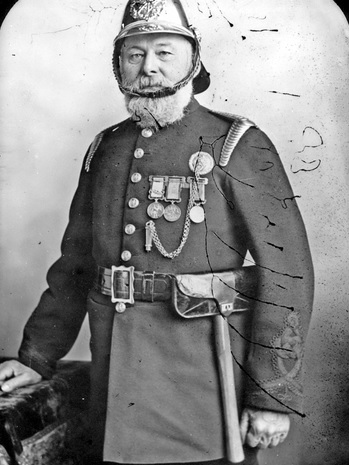
John Charles Pound (1834 -1918) was the city’s first Fire Superintendent, and responsible for laying the foundations of our modern fire service.

He was born at Sittingbourne in Kent and served for eight years  in the Navy and Mercantile Marine Service, and as a man-of-war took part in operations in the Crimea.

Leaving the sea, he joined the Metropolitan Fire Brigade in its earliest days. He was engaged at the memorable Tooley Street fire in 1861, where his chief, Captain Braidwood, was killed by a falling wall just minutes after Pound had been talking to him. (It was referred to as ‘the greatest fire since the Great Fire of London,’ and occurred at Cotton Wharf where many warehouses were situated. It attracted a crowd of more than 30,000 spectators).

“This was in the early days of fire brigade work, and long before the extinguishing of fires had been the object of practical and scientific studies. The Metropolitan firemen learnt engineering by travelling on locomotives and receiving instruction from engine drivers. The scheme had been adopted by Captain Braidwood, and John Pound was one of those who familiarised himself in engineering. When proficient he was appointed to a responsible position on one of the brigade’s river floats.”

He applied for a position at Nottingham and was appointed as engineer of the first steam fire engine, staying two years before coming to Sheffield in 1869 to form the Corporation’s first fire brigade. The decision of the Corporation to take over and run the Fire Brigade was brought to a head by a series of large fires between 1865 and 1869.

John Charles Pound (1834-1918). Sheffield Fire Superintendent between 1869 and 1895. (Picture Sheffield)

Pound established the fire brigade over 26 years, with trained firemen, and the introduction of the best firefighting appliances. His biggest fires included Portland Street Confectionery Works (George Bassett and Co) and at G. H. Hovey and Sons (drapers and house furnishers) in Angel Street in the winter of 1893 in which six large shops were destroyed.

Superintendent Pound was injured at the Park Club fire, on Bernard Street, in February 1895 when he fell against a kerbstone whilst handling a jet. His injuries were at first thought to be bruising of the ribs, but later he suffered difficulty in breathing. He retired from the Fire Brigade shortly afterwards.

“He may now begin to feel the need of rest and relief from being in a state of incessant preparedness, and the Micawbian attitude of ‘waiting for something to turn up,’ and the good wishes of the citizens will follow him in retirement.”

John Charles Pound died from influenza at his home on Tullibardine Road in 1918. His coffin was shrouded in the Union Jack and conveyed on a horse-drawn fire brigade tender, with Indian Mutiny veterans, firemen and police taking part in the cortege. He was buried at Sheffield General Cemetery.

A fitting tribute that Sheffield’s first fire officer should be honoured with a park, and on the site of a former fire station.

Pound’s Park will be the latest addition to Sheffield City Council’s plans to create green spaces in the city centre. (Sheffield City Council)

© 2021 David Poole. All Rights Reserved.
Categories
Buildings Streets

Heart of the City II

Photograph by Sheffield City Council

Sheffield City Council is inviting comments on proposals for the next phase of Heart of the City II, which includes (Block H: Cambridge Street and Carver Street).

The Council and Queensberry recognise that people will have questions about the next stage of the scheme. Prior to the submission of planning applications, it has published proposals and will allow people to contribute to the final plans.

A wide-ranging development is proposed for Block H of the Heart of the City II development, with three distinct elements (H1, H2 and H3).

H2 will be a new building comprising about 70,000 sq ft of grade A office space, split across seven upper floors. It will feature a south-facing roof terrace, with retail and food and beverage units on the ground floor.

Proposals for the H3 element, to be known as Cambridge Street Collective, aim to retain as much of the existing fabric and façades along Cambridge Street and Wellington Street as feasible.

Plans include a large, industrial-style space, suited to a food hall or similar sociable, communal offer. Complementary shops, a bar and restaurant, and an upper level leisure space would also be created. The existing Bethel Chapel building will also be renovated, with plans for this to become a live entertainment venue.

Photograph by Sheffield City Council

The Block H site also includes Leah’s Yard (H1), a Grade II*-listed building housing a collection of small former industrial workshops. This site is not included in the application, but plans are still at an early stage to convert the property into workshops for creative businesses. Listed building consent is being sought to undertake the structural works required to make the buildings secure.

The new plans for this block proposes retention of more original architecture than envisaged in a previous masterplan. They now include the preservation and sympathetic restoration of the fabric and façades along Cambridge Street and Wellington Street, including the listed Bethel Sunday School and Leah’s Yard, as well as the Bethel Chapel and the buildings that formerly housed Brewhouse and Henry’s Bar.

Photograph by Sheffield City Council
Categories
Buildings

Carver Street National School

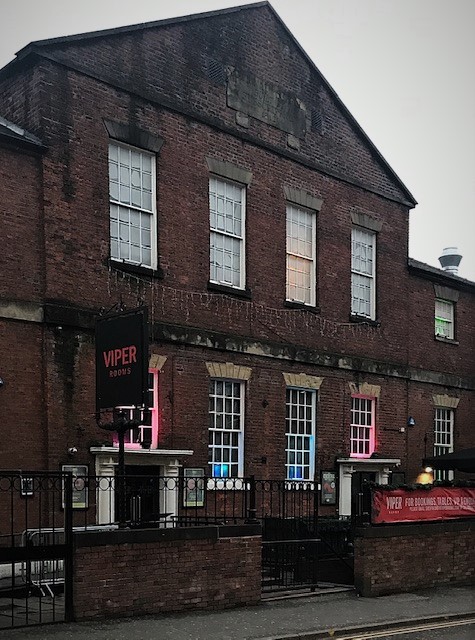
By the time you read this, it should have been another busy night at The Viper Rooms, on Carver Street. Situated at the heart of Sheffield’s hectic night scene, this club is the latest reincarnation of a building with completely different origins.

Behind the glitz and glamour, you can see traces of its humble beginnings. Not least, a large plaque above the four-bay gabled centre, which declares that this was once the “National School – Built by Subscription – 1812.”

The National School was set up in 1811 by the National Society for Promoting Religious Education, providing an elementary education with teaching of the Church of England to children of the poor. Supported by voluntary subscriptions and donations, it was probably the first near-universal system of education in England and Wales.

Sheffield had a good supply of National Schools, conveniently distributed, allowing the working man a choice of schools within easy distance to which he could send his children.

The oldest of these was the Carver Street school, opened in 1813, consisting of two large rooms, one downstairs for boys and the upper one for girls, to which committee rooms were attached, and a playground outside.

In 1823, a report said there were 340 boys and 513 girls in attendance, although three years earlier three thousand children had squeezed inside for a rally.

The National School on Carver Street survived until 1882, its demise probably caused by rising population and a building unable to cope with demand. There was, also, the Victorian idea that all children should go to school, and in 1880 schooling became mandatory, all children attending until they were 10-years-old, initiating a school-building programme across the town.

The building stood empty, although parts of it had already been let to John B. Corrie, plumber and glazier, and the vast arched-brick cellars rented by J.J.G. Tuckwood as warehousing for his general supply stores.

The Sheffield School Board expressed interest in buying the building when it went to auction in 1884, but the remainder of the leasehold (99 years from March 1794) was eventually bought by the Sheffield Technical School for £538.

However, the technical school never used it, writing its history elsewhere, and the subject of a future post.

In 1913, the building was bought by Charles Constantine, builders’ merchants and hardware factors, complementing premises down the hill on Fargate.

Eventually, the business consolidated here and was joined by Woollen and Company, sign specialists and colour printers, in 1929, moving here from Holly Green, as a result of street widening for the new City Hall.

Generations of people will remember it as Constantine’s Ironmongers, remaining here until the 1970s, by which time the property had fallen into disrepair and after the closure of the business became derelict.

For younger readers, understand that Carver Street, along with Division Street, was very different to the area seen today. It was populated with small shops, factories and workshops, all past their best, and came as a surprise when the building was converted into a public house in 1981.

Opening as Dickens at ground level, it offered a separate venue, Le Metro, making use of the old arched-cellars to echo the Paris underground.

It was inspired planning, quick to exploit eighties bar culture, and became a must-go-to place on a Saturday night.

It subsequently became Ruby Lounge and Cellar 35, later reinventing itself as The Viper Rooms, along with late licence, and a credible reputation with Sheffield’s student population.

Next time you pay a visit, take a moment to look at the stone plaque above your head, and remember that this was once something far removed from its present use.

Categories
Buildings

Wesleyan Institute Building

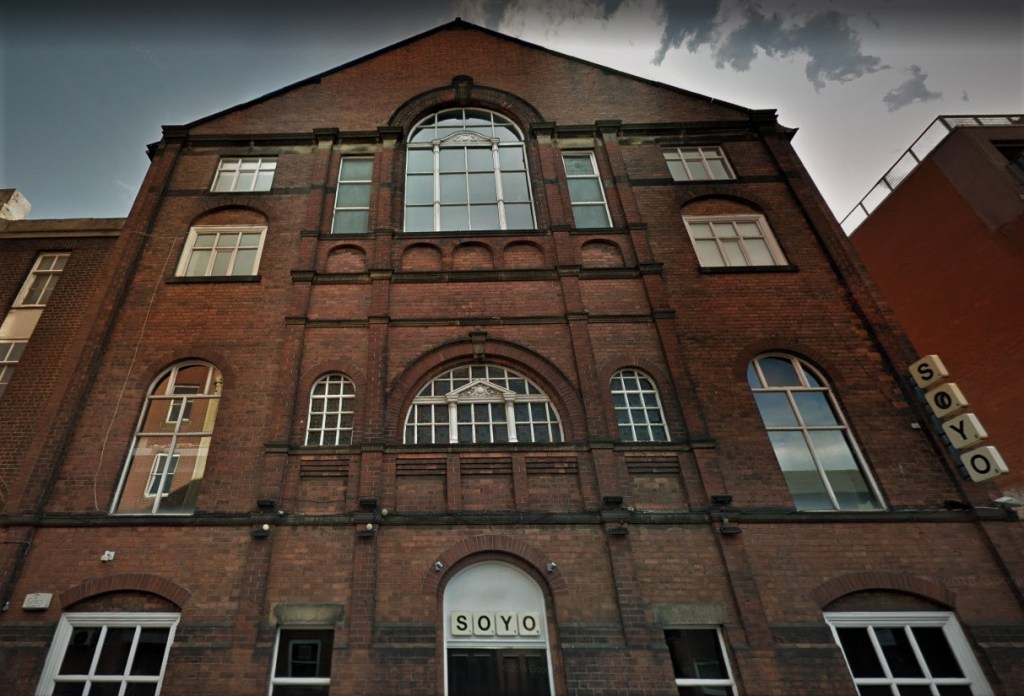
The Carver Street Chapel (now Walkabout) was built on green fields in 1805, with the Sunday School premises of Red Hill constructed in 1812, and 73 years later additional vestries built behind the chapel. In 1897, new schools and classrooms were erected on Rockingham Street (now Soyo), to meet the ever-growing needs of the chapel and district.

In 1912, the centenary of Red Hill Schools, plans were discussed to enlarge its premises at Carver Street, but the outbreak of World War One delayed progress.

By the 1920s, the original scheme had entirely been remodelled and new premises were built on West Street, officially opened in 1929.

Designed by architect W. J. Hale, of St. James’ Row, the large block constituted shops at ground level with rooms above.

It was constructed by the William G. Robson Building Company, of Bamforth Street, a firm that had built cinemas, dance halls, institutes, hospitals, warehouses, showrooms, hotels and houses throughout the country.

Another firm that played an important part in the construction was the Sheffield Brick Company, of Rutland Road, providing an extensive range of plastic stock, “Winco” and rustic facing bricks.

The whole of the precast fireproof concrete flooring was “Armoured” Tubular Patent Flooring, made by John Cooke and Son, Huddersfield, its main advantage being “fireproof, soundproof, warm and well-tempered.”

At this stage, architects were realising the importance of aggregate concrete in building construction. This structure was no exception, with graded sands and gravels provided by the Yorkshire Amalgamated Products company, the largest quarry owner in the county, with offices on Queen Street.

The contract for the whole of the plumbing had been executed by George W. Rusling and Son, at Brook Hill, with a reputation of 40-years standing in plumbing, glazing, gas-fitting, and sanitary work.

The whole of the building was electrically lit, but it was the heating that was a novel feature for the time. Instead of the usual hot water pipes, a new system of tubular electric heaters had been installed, two inches in diameter. All this work had been undertaken by Charles Ross Ltd, of Heeley Bridge.

The decorative scheme inside was executed by W.J. Wollerton, house and church decorators and furnishers, of Stratford House, at Broomhill. Church decoration was a speciality of this firm, using Sanderson Fast-to-Light wallpapers and treating woodwork with “Durolave” paint.

The main entrance to the Institute was in Rockingham Street. On the first floor, at the top of the stairs, a room was set apart for the Deaconess, where young women and girls were able to take their difficulties and hopes and discuss them with Sister Hilda Morris.

To the right was the Girls’ Institute Room, a spacious room with polished floor, carpeted here and there, with beautiful curtains at the windows, the work of “Painted Fabric.” This was a large drawing room, open nightly for girls over 14 years of age. They had their own kitchen and cooking arrangements, with supervision from helpers. A Rest Room, Library and Handicraft Classes were included in the scheme.

Adjoining the Girls’ Room was the Primary – for children from six to eight years of age, a bright square room, and the Beginners’ Room, for tiny tots, aged three to five years.

“There, while watching the fairies on the walls, they will take in the simple stories that form the basis of all true life.”

The top portion of the Institute was the men’s department. One large room running practically the whole length of the building, containing six billiard tables at one end, and the other arranged with tables for chess, draughts and books.

More importantly, voluntary workers used the new Institute for various organisations, including the Lads’ Guild, the Boys’ Brigade and the Reserves, Girl Guides, Brownies, two Bands of Hope, Children’s Play Hour, Gymnasium, Girls’ Club, Men’s Institute, Wesley Guild, Teacher’s Preparation and fellowship Classes.

In every spare room, always tucked in and arranged like a jigsaw puzzle, were committees and working parties.

Many ministers were realising that it was impossible to expect poorer youngsters to spend all their spare time in prayer meetings, therefore it looked to involve them in activities to keep them occupied. These included three football teams, a cricket club, tennis club, and a playing field up at Hagg Lane.

The cost of the building was over £17,000, with £8,500 already raised through fund-raising, and the remainder underwritten by renting out nine shops, fronting West Street.

All the shops were roomy and contained basements that were easily accessible. These were let by W.F. Corker and Son, estate agents, of 19 Figtree Lane. One of the first to take advantage of the shops was F. Wallis and Son, furniture sellers.

The confusingly named Carver Street Wesleyan Institute opened on February 7, 1929.

Times changed, the kids moved on, and as you might have seen from Gordon Mason’s comments on a previous post, the first and second floors eventually became Unemployment Benefit Offices in the 1980s.

The shops below changed hands numerous times, with the largest development about to take place at ground level, with a new German-themed bar, comprising several units, due to open this year.

Categories
Buildings

Rockingham Street Methodist Sunday School

The Wesleyan Methodist Chapel, on Carver Street, was built at Cadman’s Fields in 1804, then green fields and trees, and a meeting place of political demonstrations.

The development of Sheffield westwards proceeded slowly until the end of the century, by which time the Carver Street Chapel was surrounded by housing, factories and shops.

These days we recognise the chapel as Walkabout, a vibrant city centre bar.

This was the biggest chapel in the town, and it expanded to meet the increasing popularity of Methodism.

The Carver Street Chapel built the Red Hill Sunday School on nearby Rockingham Lane in 1812, also adding an extension to the original building in 1885.

The Sunday School was one of 34 Wesleyan schools operating in Sheffield, with 1,096 teachers and 5,694 children across the city.

By the end of the century, the Red Hill Sunday School was considered too small, and in 1896 plans were made to build new facilities adjacent to it, fronting onto Rockingham Street.

Although the chapel had been in debt for most of its existence, it had consolidated its finances through generous donations and fundraising.

In 1898, the Carver Street Chapel was temporarily closed and the outside thoroughly cleaned of industrial grime. It was also the same year that the Methodist Sunday School was opened on Rockingham Street at a cost of £4,000.

Designed by Herbert W. Lockwood, this was a massive end of three-storeys with a tall gable, containing a lecture hall and 24 classrooms.

It proved to be a valuable addition in consolidating and expanding the work of the church.

“The area was indebted in no small measure for its record of successful spiritual work in a crowded district to the ability and zeal of its distinguished ministers and laymen.”

We’ve already seen that the Carver Street Chapel is now a bar, and these old schoolrooms also survive in a similar capacity.

These days the old building is home to Soyo, another trendy bar, making use of the exposed brick, and seemingly a million miles away from its Methodist roots.