Categories
Buildings People

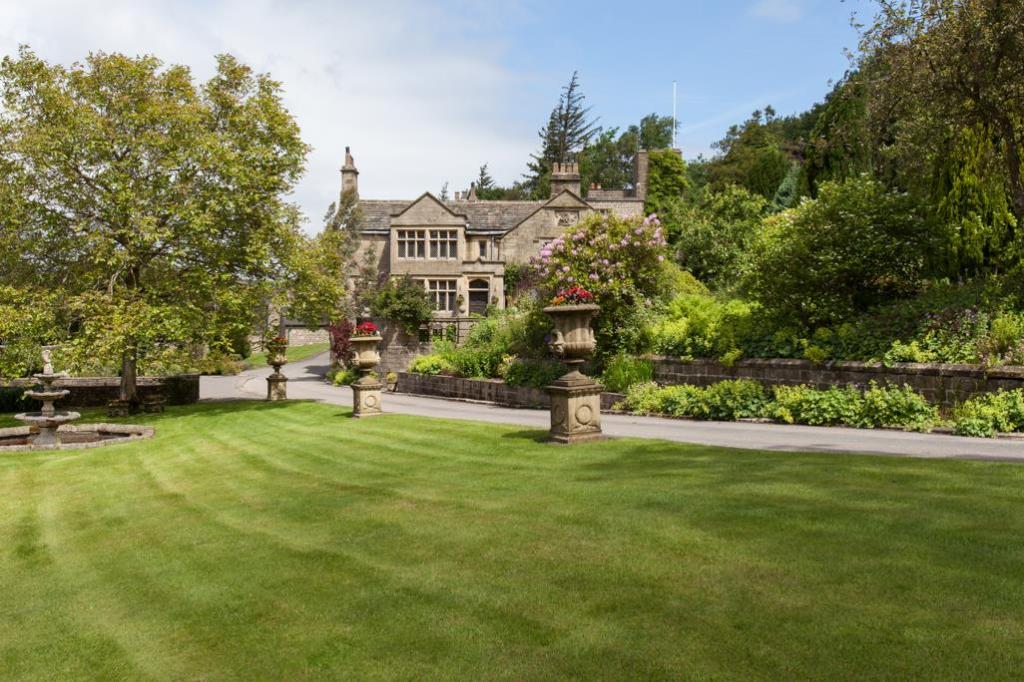
Sugworth Hall and Boot’s Folly

Photograph by Blenheim Park Estates

When Sugworth Hall, at Bradfield Dale, was on the market last year, it was offered in the region of £1.5million. Not a bad price considering the Grade II listed country house is in beautiful Sheffield countryside, and it has a long history.

According to experts, this was once a farmhouse dating to about 1535, later listed in the will and testament of Robert Hawksworth in the 1560s. Passing down the family it eventually belonged to the Gould family and was extended in the late 19th century.

By this time, Sugworth Hall was in the possession of Charles Henry Firth, also of Riverdale House at Ranmoor, son of Thomas Firth, a steel manufacturer, whose company would eventually become Firth Brown. After he died in 1892, the house passed to his widow and eventually put up to let as a substantial family residence or shooting box.
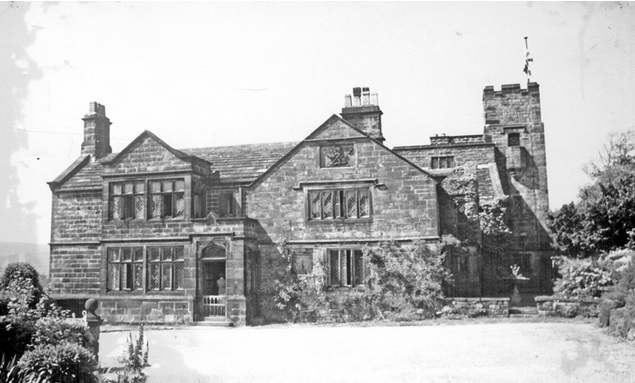
Photograph by Picture Sheffield

It was subsequently bought by Philip Henry Ashbury of Mushroom Lane, managing director of Philip Ashbury and Sons, Bowling Green Street, silver and electro-platers, who used it as a “delightful summer residence” until his death in 1909.

It was inherited by his son George W. Ashbury, a man who soon made headlines by accusing two of his servants of stealing beds, bedding and towels and was promptly sued for libel, his accusations costing him £15 in damages.
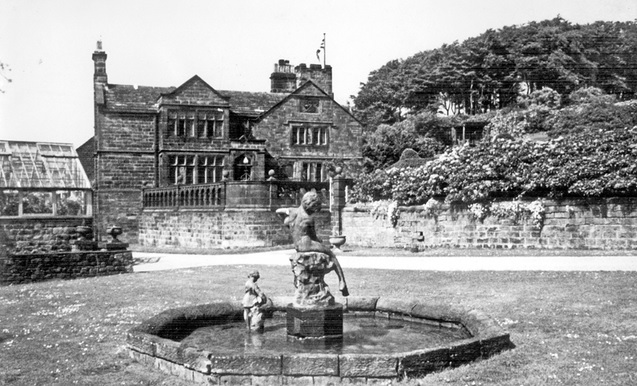
Photograph by Picture Sheffield

The house was briefly occupied by Alfred Percy Hill, of the firm of J and P Hill, engineers, and later Russian Consul for Sheffield, and by the early 1920s it was owned by Charles Boot (1874-1945), son of Henry Boot, founder of the famous Sheffield construction firm, and notable for creating Pinewood Studios.
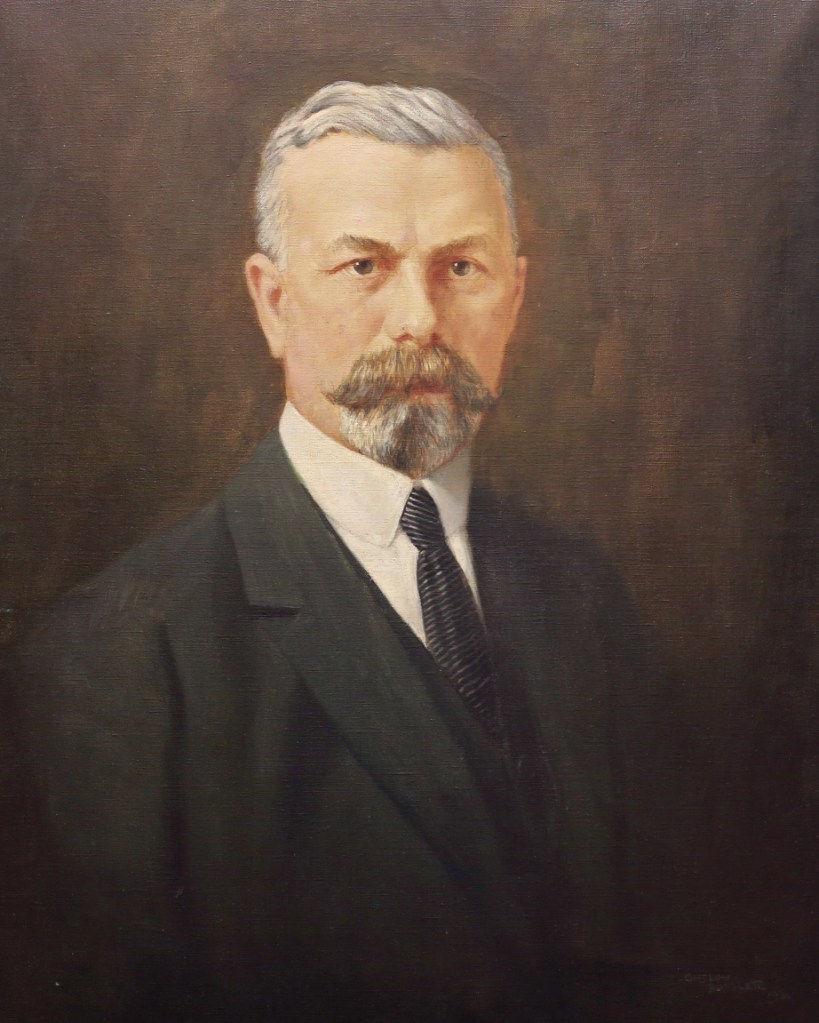
Charles Boot

It was Charles Boot who made significant alterations and extensions to the house, with a tower and battlements, probably the work of architect Emmanuel Vincent Harris, the man who designed Sheffield City Hall.

The work is said to have taken place around 1930, about the time Vincent Harris was working on Sheffield’s new civic building, but based on the architect’s workload, it seems more likely the alterations were made between 1926-1927.
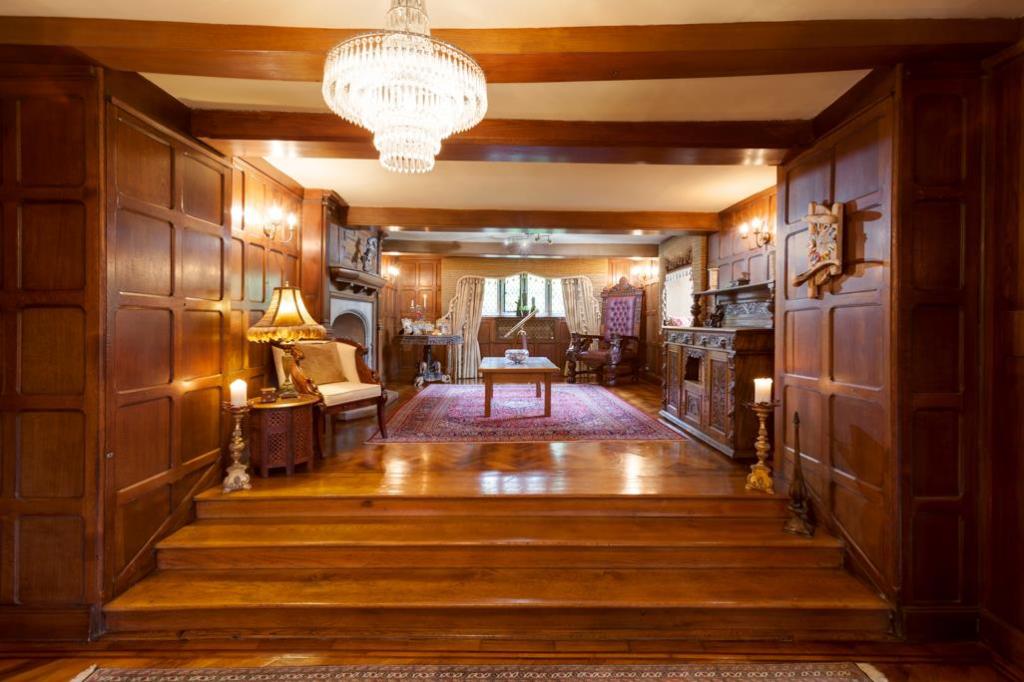
Photograph by Blenheim Park Estates

Boot’s wife, the splendidly named Bertha Boot, died at Sugworth Hall after a long illness in 1926, giving rise to speculation that an isolated tower, Boot’s Folly, built in 1927, about 330 yards to the north, was constructed so that he could see the graveyard at High Bradfield where she was buried.

Another story suggests that Boot’s Folly was built to provide work for Sugworth Hall’s workmen during the Depression, but more likely it was built as an observation tower for Boot and his guests to view surrounding countryside.

Whatever the reason, Charles Boot remarried five months later, to Kate Hebb, at St Peter’s Church in London.
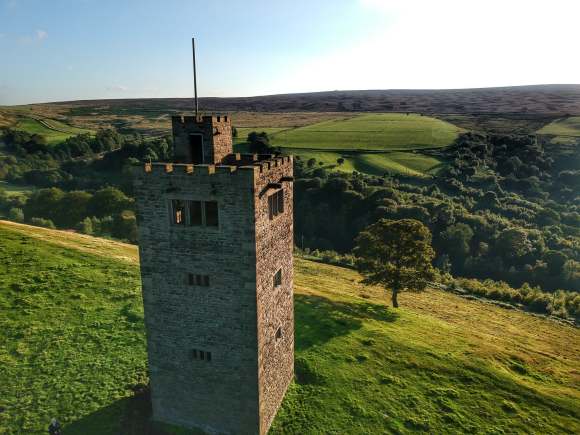
Photograph by Brian Mosley

Charles Boot bought Thornbridge Hall, near Bakewell, in 1930, declaring that this would be his main residence, and that Sugworth Hall would be maintained as a shooting box instead.

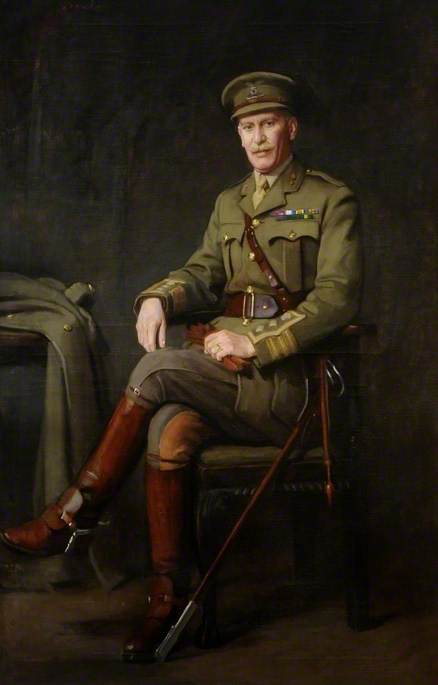
By 1934, Boot had sold Sugworth Hall to Brevet-Colonel William Tozer, of the Hallamshire Battalion of the York and Lancaster Regiment, the grandson of Edward Tozer, one of the founders of Steel, Peech and Tozer, steel manufacturers.
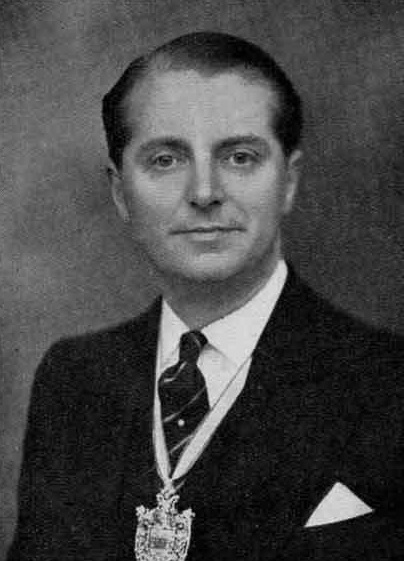
Photograph of William Tozer by Picture Sheffield

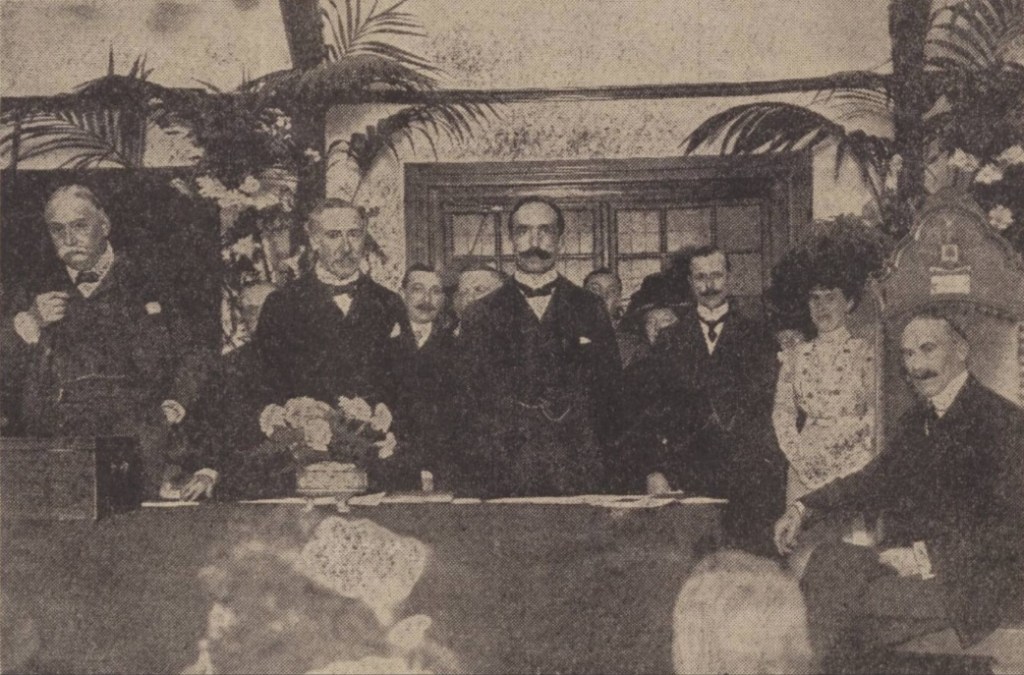
Having lived for fifteen years at Grange Cliff, Ecclesall, Tozer became Master Cutler in 1936, the ceremony highlighted by Anthony Eden, Secretary of State for Foreign Affairs, and later Prime Minister, coming to stay at Sugworth Hall.

The Tozer’s left Sheffield for Buckinghamshire in 1939 and since then Sugworth Hall has survived quietly in Bradfield Dale.

Boot’s Folly has fared less well. The 45 feet high tower, 20 feet square, once had a furnished wooden panelled room at the top, connected by a spiral staircase, but has sadly become ruinous over time. (The staircase allegedly removed after a cow ascended the steps and became stuck).
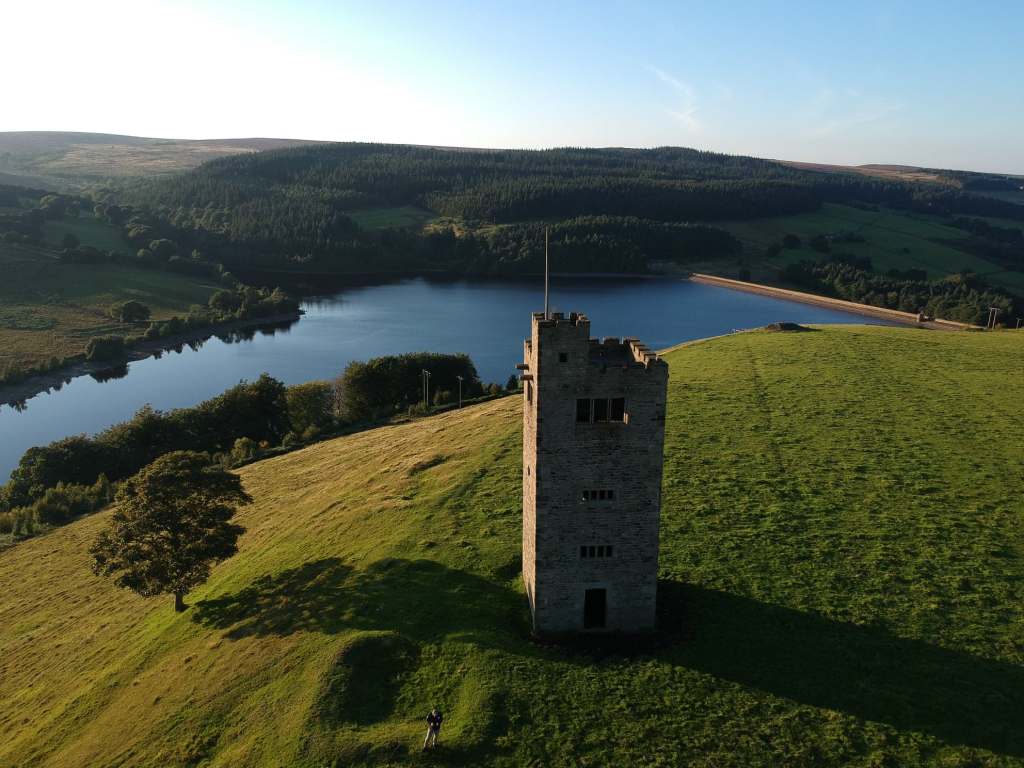
Photograph by Brian Mosley

Categories
People

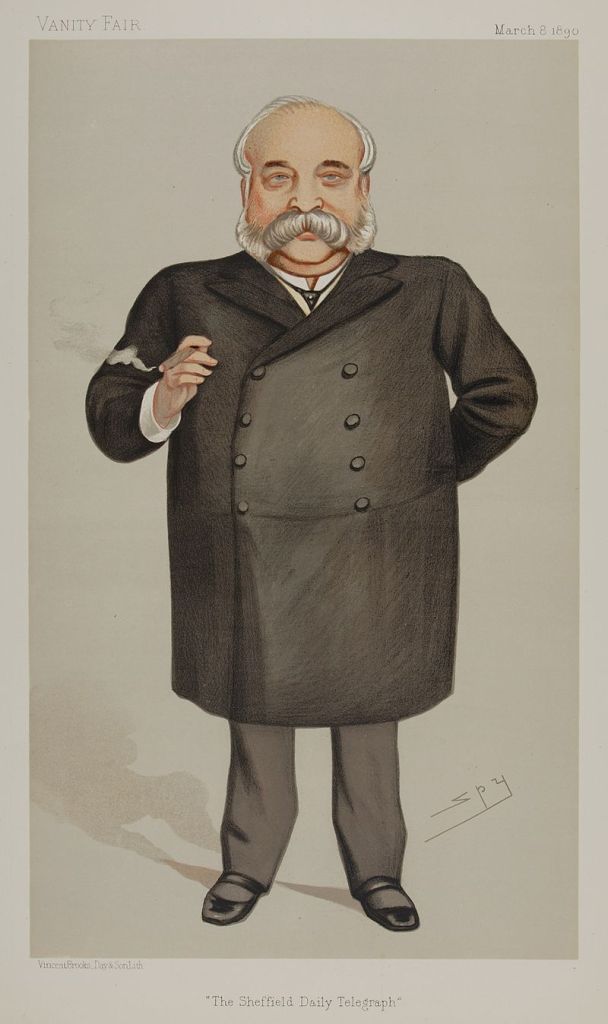
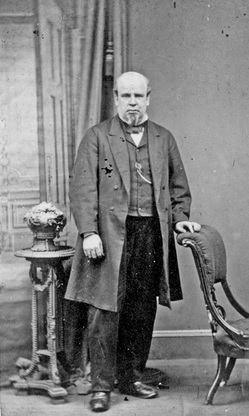
William Leng: the newspaper editor who carried a gun

Photograph by The British Newspaper Archive

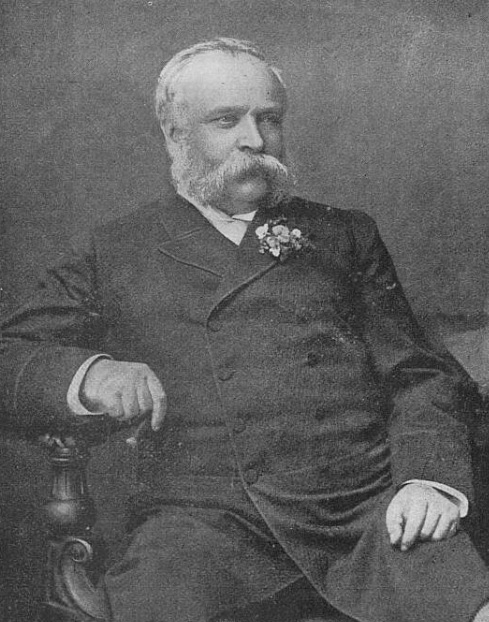
In 1894, The Sketch magazine said that when the romance of journalism was written a very large chapter would have to be devoted to Sir William Christopher Leng, editor and proprietor of the Sheffield Daily Telegraph. “Although there are probably thousands who have never heard his name.”

William Leng was born in Hull in 1825 and started out as a wholesale chemist. He contributed anonymously to local newspapers in Hull – overloading on steamers, the growth of ultramodernism among British Catholics, and parodies in prose and verse on leading writers of the day. He also wrote for the Hull Free Press, featuring sketches of local celebrities, portraying their virtues, foibles, failings, and distinguishing features.

His brother, John (later Sir John Leng, proprietor of the Dundee Advertiser) entered journalism and persuaded William to join his newspaper as leader writer and reviewer.

In 1864, aged 39, William entered partnership with Frederick Clifford and purchased the Sheffield Daily Telegraph, the first provincial daily newspaper, becoming its editor and changing its fortunes.

“He brought with him to Sheffield all the Imperialistic traditions of his father, all the anti-slavery feeling inherited from his mother, all his own independence of thought, all his old determinations to make his writings reflect his own beliefs, all that manly courage which led him to defy consequences if only he were faithful to the truth as it seemed to him.”

Photograph by Vanity Fair

During his time as editor, he waged war on radicalism, slum housing, American Confederate sympathisers, on the tyranny of trade unionism, and supported Turkey in their conflict with Russia. His association with Samuel Plimsoll was able to revolutionise safety for sailors and prevent overloading on ships.

When he came to Sheffield, Conservatism was at its lowest ebb, but by his writings, he managed to change working class views and by the end of his tenure they held four out of five seats on the council.

At the time, Sheffield was the centre of British trade union revolt, the stronghold of William Broadhead, secretary of the Sawgrinders’ Union, and instigator of murderous trade outrages which paralysed British commerce. If a manufacturer quarrelled with his workmen, Broadhead issued an instruction, and men went forth to destroy his machinery and burn down his factory.

William Leng took up against Broadhead, who sneered at him, having already killed one Sheffield newspaper and confident he could annihilate another. However, Broadhead was unprepared for the broadside that the Sheffield Telegraph hurled at him.

Every day William tossed his journalistic javelins into Broadhead’s camp, and every day was threatened for his boldness. He wrote his leaders with a pistol by his side and walked through the streets at night with his finger on the trigger of a revolver. For weeks he carried his life in his hands.

Wm Broadhead-Picture Sheffield

The ruthless arbiters of Labour had resolved to crush Broadhead, and when a Royal Commission was obtained William had to sit in open court between two policemen for fear that he should be assaulted.

The result of the Commission was a triumph for William, the manufacturers who had suffered at the hands of Broadhead subscribed 600 guineas and presented them to him, and a grateful Government rewarded him for his services by the honour of a knighthood, recommended by Lord Salisbury, in 1887.

William continued writing for the Telegraph until his death in 1902 and was buried at Ecclesall Church.

The Sheffield Daily Telegraph eventually became the Morning Telegraph, surviving as the weekly Sheffield Telegraph, and established what we now know as the Sheffield Star.

Categories
Buildings Companies People

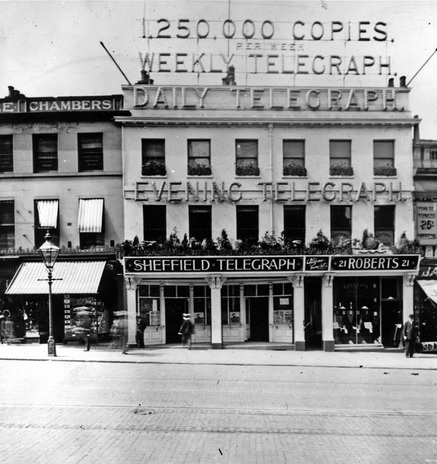
Sheffield Telegraph

Photograph by Picture Sheffield

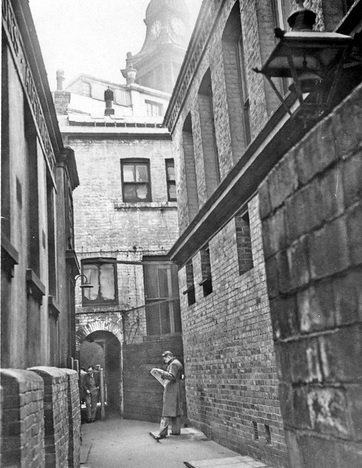
In 1855, soon after the abolition of newspaper stamp duty, that had set newspaper prices at 5d to 7d, a dour down-at-heel Scotsman called Mr Benson turned up in Sheffield. After looking the town over, he called at the offices of Joseph Pearce Jnr, a printer and bookseller on High Street, and told him that he had people in London and Manchester who proposed starting a newspaper in Sheffield.

Joseph Pearce was convinced, and Benson recruited shop canvassers from street corners to obtain subscribers at 1s 6d for a month’s issues. The campaign netted a small fortune, and the next day Mr Benson arrived at the office wearing a brand new hat a new pair of wellingtons.

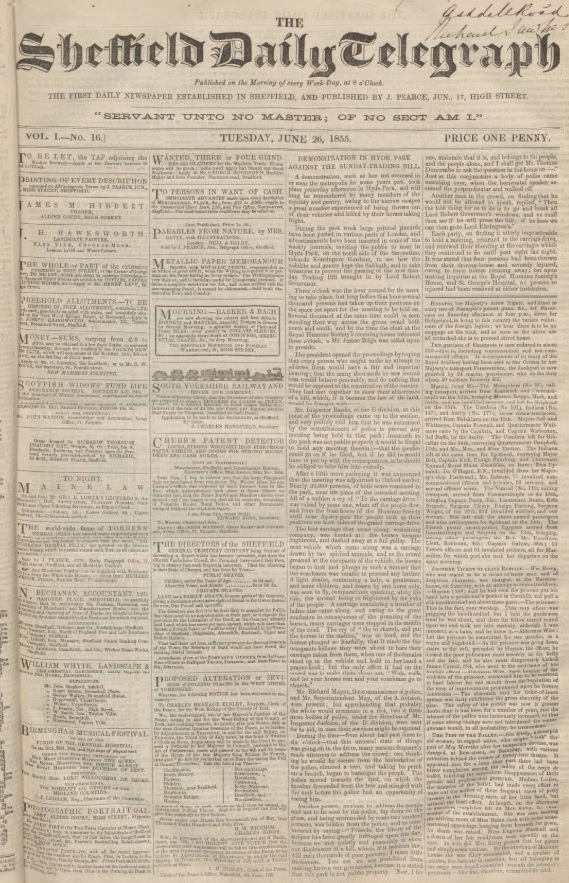
Photograph by The British Newspaper Archive

The first issue of the four-page Sheffield Daily Telegraph appeared on June 8, 1855, distributed by Benson’s messengers on the back of a wheelbarrow.

Ten days later, Mr Benson, the comic-faced Scot disappeared and was never heard of again. His promised capital was so far behind him that it never caught up.

A man sent to London to telegraph back news milked from the national papers found himself out of pocket, and unable to ask for help, because Benson had failed to mention his colleague back in Sheffield. On his last night in London, the representative of the ‘country’s first great provincial daily’ had to split his journey home.

Joseph Pearce, left with the fallout, met his obligations to initial subscribers and decided to carry on. He arranged to take Reuter dispatches from the Crimean War, a story that was filling everybody’s minds, and sales started to grow.

There were already several weekly newspapers in Sheffield, all of which ignored this ‘upstart’, but when Sheffield writers gathered around the Sheffield Daily Telegraph, it burst this bubble of complacency, and one of them, the Sheffield Independent, was forced to publish daily as well.

Despite the rising popularity of the paper, published at 8am every day, it was a financial struggle for Joseph Pearce, and after nine years he decided to make way for younger blood.

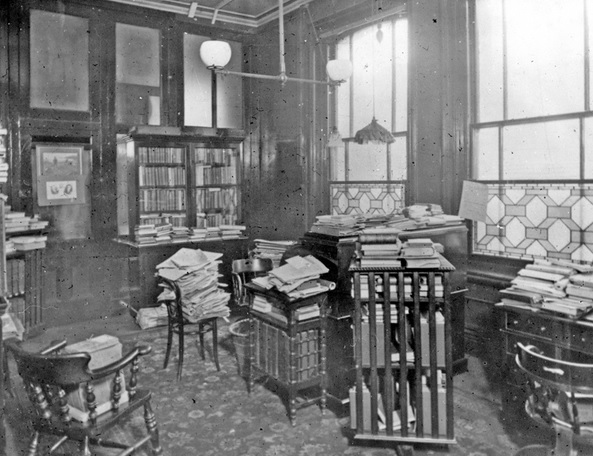
Photograph of Editor’s office by Picture Sheffield

In 1864, Frederick Clifford and William Christopher Leng arrived, the latter becoming editor, and relocating to Aldine Court, off High Street.

Under these two, the Sheffield Daily Telegraph aimed to popularise the Conservative Party cause amongst the working class, and Leng’s trenchancy and personal courage during the trade union outrages in the 1860s enhanced the newspaper’s prestige.

By 1898 it was selling 1.25 million copies a week, along with its sister publications, the Sheffield Weekly Telegraph, with articles and serialised fiction, and the Sheffield Evening Telegraph.

In 1900, Winston Churchill became South African war correspondent for the Sheffield Daily Telegraph, as well as the Morning Post, and the January issue carried his story in four columns of his capture by the Boers.

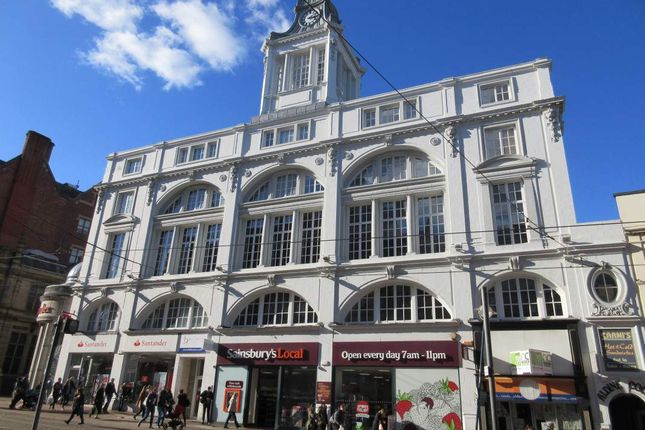
Photograph by Prime Location

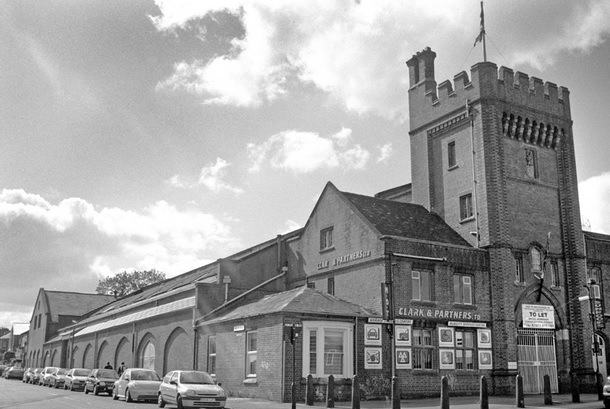
Between 1913 and 1916, a new front to the extensive old buildings of the editorial and printing departments at Aldine Court, was built. Constructed in English Renaissance-style, it was designed by Edward Mitchel Gibbs, and still dominates High Street today. (It was eventually replaced with modern buildings on York Street).
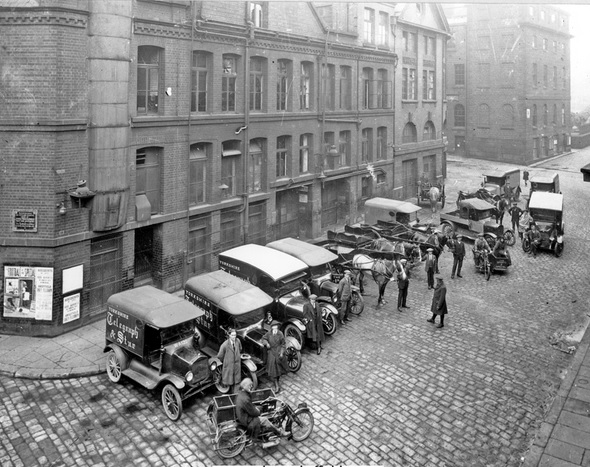
Photograph by Picture Sheffield

The Clifford-Leng ownership ended in 1925, bought by Allied Newspapers, controlled by William Ewart Berry, Gomer Berry and Sir Edward Mauger Iliffe, which had been systematically buying up provincial newspapers, though chairmanship was retained by Frederick Clifford’s son, Charles, who actively shared management of the paper until his death in 1936.
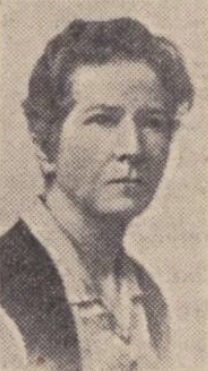
Sir Charles Clifford had arrived in 1878 and ten years later was instrumental in the purchase of the Sheffield Evening Telegraph’s rival, the Evening Star, a name familiar to us now as the Sheffield Star.

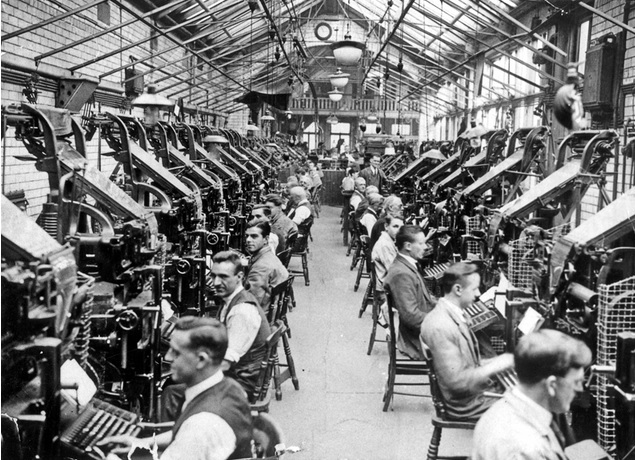
Photograph by Picture Sheffield

In 1931, Allied Newspapers bought the rival Sheffield Independent, printing both separately, but both papers started losing ground to the national press and at one time the loss of both seemed possible.

The Allied Newspapers partnership was dissolved in 1937, each partner needing a raft of holdings to pass onto their heirs, with James Gomer Berry, 1st Viscount Kemsley, taking control of the Sheffield operation, briefly dropping the word ‘Daily’ from Sheffield Telegraph, and amalgamating it with the Sheffield Independent in 1938 to become the Sheffield Telegraph and Daily Independent, with a broader policy embracing the fundamental principles of both newspapers.

During the first years of World War Two, Kemsley Newspapers, as it had been renamed by Lord Kemsley, became the Telegraph and Independent, commanding world correspondents of Kemsley newspapers, and across the British Isles.

The newspaper eventually became the Sheffield Telegraph and Independent, subsequently the Sheffield Telegraph, and was bought by Roy Herbert Thompson, 1st Baron Thomson of Fleet, in 1959.

Photograph by Picture Sheffield

In 1965, it was briefly renamed the Sheffield Morning Telegraph, then the Morning Telegraph, continuing a long tradition of producing excellent news correspondents .

Notable staff across its history have included Sir Harold Evans, who was later Public Relations Officer to Prime Minister Harold Macmillan, and head of ITV News; author Peter Tinniswood; novelists John Harris and J.L. Hodson; cartoonists Ralph Whitworth and J. F. Horrabin; critics George Linstead and E. F. Watling; sports writers John Motson, the BBC football commentator, Lawrence Hunter, Peter Keeling, Peter Cooper, Frank Taylor (who later survived the Munich Air crash of 1958), and Keith Farnsworth.

Other editorial staff members have included Keith Graves, who was later with the BBC and Sky TV as a much-travelled reporter; Peter Harvey, a long-serving feature writer who was awarded the MBE in 2002; Geoffrey L. Baylis, who in later years was honoured for services to journalism in New Zealand; Barry Lloyd-Jones, Brian Stevenson and Clive Jones, who were news editors; Leslie F. Daniells and Frazer Wright were long serving industrial reporters; Alf Dow, a news editor who was later the company’s first training officer, and ended his career in public relations at Newton Chambers; Richard Gregory, who became a leading figure at Yorkshire Television and was later chairman of the Yorkshire Bank; George Hopkinson; Jean Rook, who was later a women’s writer with the Daily Express; and Will Wyatt.

Photograph by Hold the Front Page

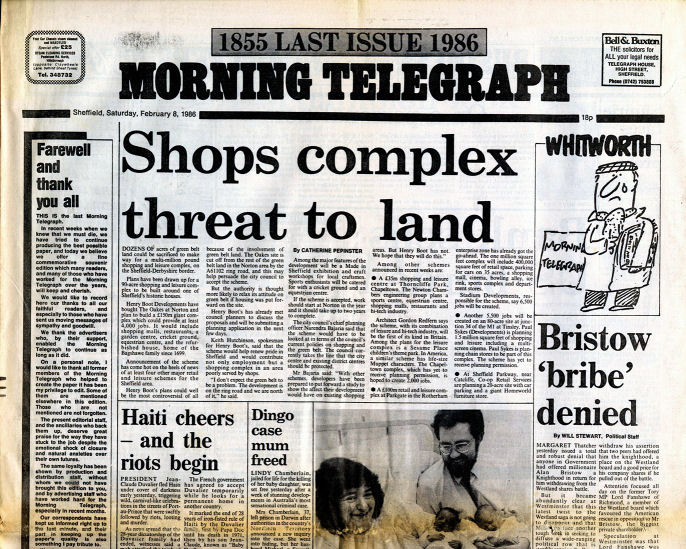
The Morning Telegraph was sold (along with The Star) to United Newspapers in the 1970s, ceasing production in 1986.

The collapse of the newspaper was attributed to moves by estate agents to move advertising away from the highly-popular Saturday edition, and set up what turned out to be an unsuccessful rival property guide.

In 1989, the Sheffield Telegraph was relaunched as a weekly and continues to this day, although now under ownership of JPI Media, formerly the ill-fated Johnston Press.

Categories
People

Henry Steel

Photograph by Vanity Fair

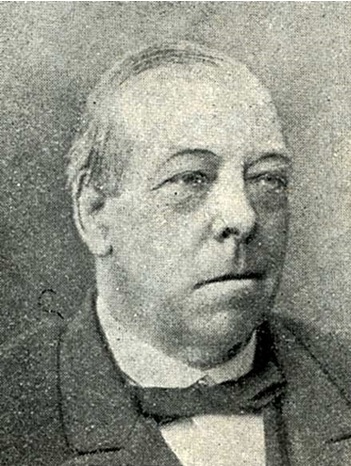
Allow me to introduce you to Henry Steel (1832-1915), somebody you’ve never heard of, but one of Sheffield’s larger-than-life characters. This ‘Great Master of the Odds’ made a fortune from bookmaking, earning so much money that his account at the Westminster Bank in Sheffield was its largest.

It all started with fishmongery, but as a young man he was quick to realise the gains to be made from horse racing. At first, he speculated with the ‘silver book’, but soon established a vein of gold having received the commission for St. Albans and later moving into London.

He became acquainted with John Jackson and Harry Hargreaves, both racehorse owners, and, along with his best friend, William Peech, ended up securing their extensive Turf business.

Henry’s clients included the rich and famous, counting amongst his close friends Lord Rosebery, and King Edward VII, when he was Prince of Wales, and who once gave him a valuable breast-pin. When Edward opened the University of Sheffield in 1905, he recognised Henry, left the procession, and shook him heartily by the hand.

After Blue Gown won the Epsom Derby in 1868, it is said that Henry strolled jauntily and unconcernedly down to Tattersall’s, the auctioneers, and deposited £90,000 (about £10.2million today) to buy a horse.

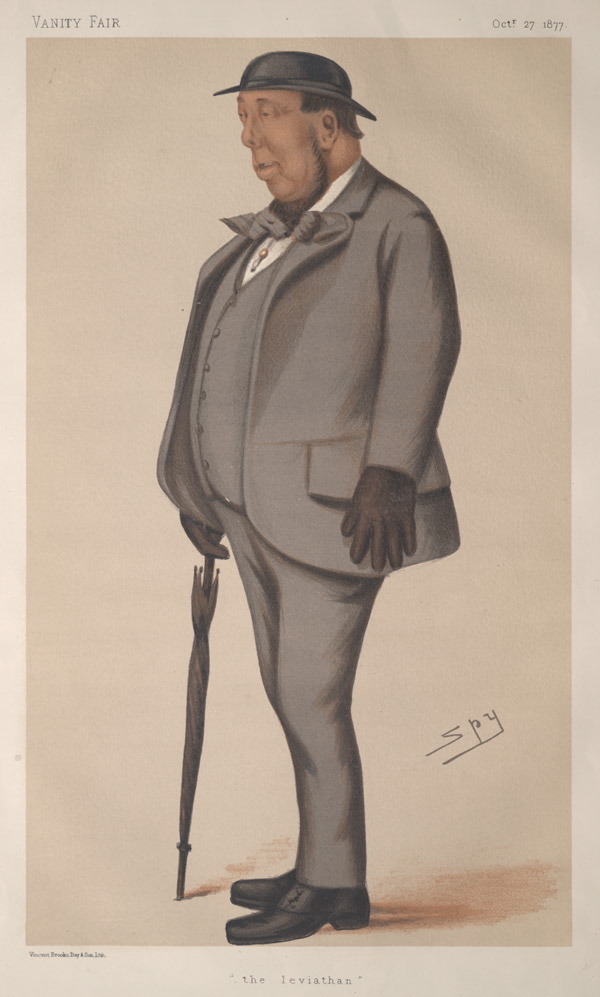
Henry was known at every racecourse and his transactions so enormous that he became known as ‘the Leviathan’, leader of the ring in the 1860s and 1870s, with society magazine, Vanity Fair, speculating that he was probably the richest man ever to have made his fortune in bookmaking.

His frankness and freedom sometimes tainted his reputation as a bookmaker, but he was always equal to jibes, and a ready repartee gave him the better of his critics.

Photograph by Picture Sheffield

Henry eventually moved to London, buying the Archbishop of York’s house, along with an extensive wine collection, but soon tired of it. He returned to Sheffield in 1870, bought Westbourne, and after some years moved to Tapton Court.

However, away from the track, Henry Steel was also famous for establishing Steel, Peech and Tozer, a famous Rotherham steel firm.

In 1875, the works of the Phoenix Bessemer Company had gone into liquidation with liabilities of £140,000. Henry, along with William Peech, Edward Tozer and Thomas Hampton, bought the works for £36,500, and turned it into a private company with a capital of £70,000. After enlargements and improvements, the business became a huge success.

Henry Steel died at Tapton Court in 1915, his will worth £652,418, that’s around £67.5million today.

Steel, Peech and Tozer joined Samuel Fox & Co, Stocksbridge, and Appleby-Frodingham Steel, Scunthorpe, to form United Steel Companies in 1918, subsequently becoming part of British Steel Corporation.

Categories
People

Julian Ovenden

Photograph by imdb

Back to those with connections to Sheffield, although this one remembers little about our city, and was brought up in very different circumstances to most of us.

Julian Mark Ovenden, actor and singer. Born Sheffield in 1975, the son of Rev. Canon John Ovenden, who was a vicar in these parts for two years. He moved away as a baby when his father took up a position at Ely, Cambridgeshire, and ended up living in North London after his father was appointed Chaplain to the Queen at Windsor Castle.

He knows the Queen, and when Julian wanted to research Noel Coward for a school project, he popped around to see the Queen Mother to discuss her love of Coward’s music. He ended up playing the piano, she sang.

As a youngster, Julian sang in St. Paul’s Choir and received a music scholarship to Eton College before reading music at New College, Oxford.

We know him for appearing in five series of Foyle’s War (as Andrew, the RAF fighter pilot son of Christopher  Foyle) and in two seasons of Downton Abbey. In America, he’s appeared in Person of Interest.

Away from TV, Julian regularly appears in leading roles in the West End and Broadway, including Merrily We Roll Along, Finding Neverland and All About Eve. He’s also appeared at the Albert Hall and Carnegie Hall.

“I don’t really have any memories, sadly, of Sheffield. I do feel, when I come back up north, at home here, and I do love the people. But it would be stretching it to say I feel a northerner or a true Sheffield native. It’s a great city and culturally it’s thriving.”

He’s married to opera singer Kate Royal and has two children, Johnny Beau and Audrey.

Categories
People

Sir Charles Clifford

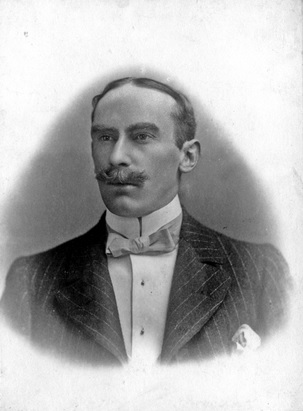
Colonel Charles Clifford by George Frederick Bird. Photograph by Sheffield Teaching Hospitals NHS Foundation Trust

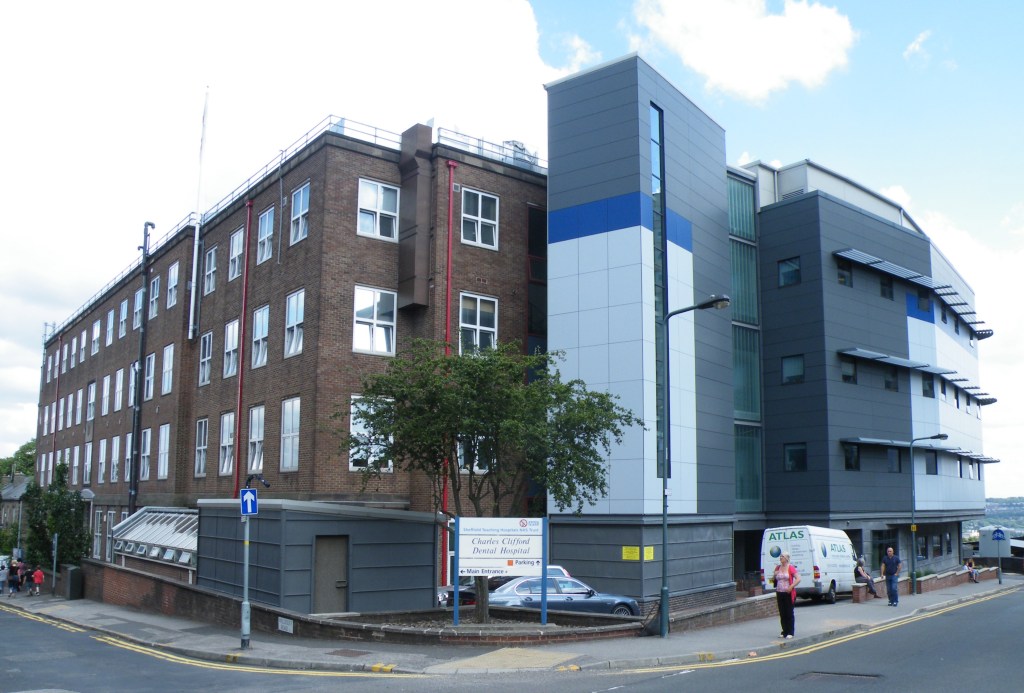
I need to write about Sir Charles Clifford, KBE, CMG, LLD, JP (1860-1936), because it appears very little has been written about him, and yet, apart from a dental hospital taking his name, he did a lot for Sheffield.

The name and life of Sir Charles Clifford were closely identified with the Sheffield Telegraph. He combined his powers of leadership and administration with an acute journalistic instinct. The journalists knew him as ‘The Colonel,’ one of the biggest figures in North country newspaper life, and one who did much to maintain the highest traditions of the press.

Charles was the fourth son of Frederick Clifford, Q.C., one of the original partners in the firm of Sir W.C. Leng and Company, publishers of the Sheffield Telegraph, and for many years a writer for The Times.

Born in London in 1860, Charles was educated privately and came to Sheffield in 1878, beginning an association with the Sheffield Daily Telegraph, originally destined for the commercial side, but in later years playing an important part in moulding its editorial policy.

In 1888, he established the Sheffield Evening Telegraph, and later negotiated the purchase of the rival Evening Star, later incorporated into the Evening Telegraph, and what we now know as the Sheffield Star.

Charles had taken a leading part in the management of the newspaper some years before the death of its original partners, becoming a partner himself in 1900, and in 1903, when the firm became a private limited company, becoming a director, and subsequently its chairman.

He became president of the Newspaper Society of Great Britain in 1905 and chairman of the Press Association in 1908, a position his father had held thirty years before.

But there were other strands to Charles’ busy life.

In the political sphere he was founder of the Conservative and Unionist organisation in Sheffield. The Brightside Divisional Conservative Association had given him early opportunities to demonstrate his fighting spirit and he became chairman in 1906, the association later presenting him with the chairman’s chair on which was inscribed his motto ‘Nec sine labore Fructus – ‘No fruit without labour.’

Presentation of the Chairman’s Chair in 1912. The British Newspaper Archive

In 1928, Charles played an important part, along with Captain A.E. Irwin, of the London Central Office of the Conservative Party, in reorganising the party in Sheffield. Afterwards he was elected chairman of the new Central Committee, and continued until his retirement in 1933, becoming vice-president of the federation.

Despite his political allegiance, Charles never held municipal or Parliamentary honours, though as a young man, he made two unsuccessful attempts to enter the City Council, and in 1913 was invited to become Lord Mayor, an honour which he refused.

Photograph by Picture Sheffield

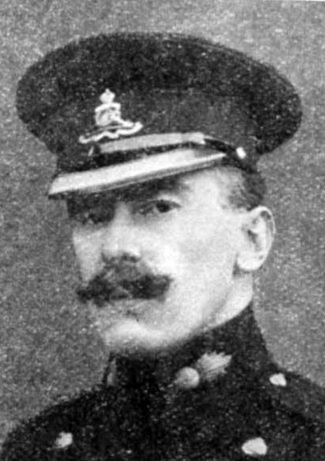
His third great public service was in connection with national defence. At the age of 21, Charles had obtained a commission in the 4th West Riding Artillery Volunteers. His promotion was rapid, becoming a lieutenant in 1882, Honorary Lieutenant-Colonel in 1902, and Lieutenant-Colonel in 1909, a year after the Territorial Scheme had been introduced and the volunteers had become the 3rd West Riding Brigade Royal Field Artillery.

He received the Volunteer Officers’ Decoration in 1902, and in 1911 the Coronation medal was awarded to him.

As officer in charge of the Brigade, he was not only responsible for the many improvements at the Edmund Road Drill Hall, but he, along with Lieut-Col H.K. Stephenson, acquired the old Redmires Racecourse as a training ground.

Photograph of Edmund Road Drill Hall by Picture Sheffield

In 1913, Charles’ time as Commanding Officer expired, but it was extended for another year, and when he was at the point of definite retirement, war broke out.

His request to be allowed to remain was granted, and almost as soon as the Territorials were mobilised, he crossed to France in command of the Brigade.

On four occasions he was mentioned in dispatches, but in 1916 the Brigade was broken up and he returned to England to train another company which he took out to France and commanded during the Passchendaele operations. During 1917 he frequently acted as Brigadier-General in the field.

For the service he rendered in France and Flanders, he became a Companion of the Order of St. Michael and St. George in the New Year’s Honours List of 1918, and in 1920 he received the Territorial Decoration.

 Four years later, the officers of the 71st West Riding Field Brigade Royal Artillery, as the Territorial artillery had become, decided to honour him.

In December 1924, Charles was entertained to dinner at the Norfolk Barracks and was presented with a portrait, dressed in the uniform he wore when he took the Brigade to France. The portrait was later hung in the barracks and a replica presented to Charles for his own collection. From 1920, until the time of his death, he was Honorary Colonel.

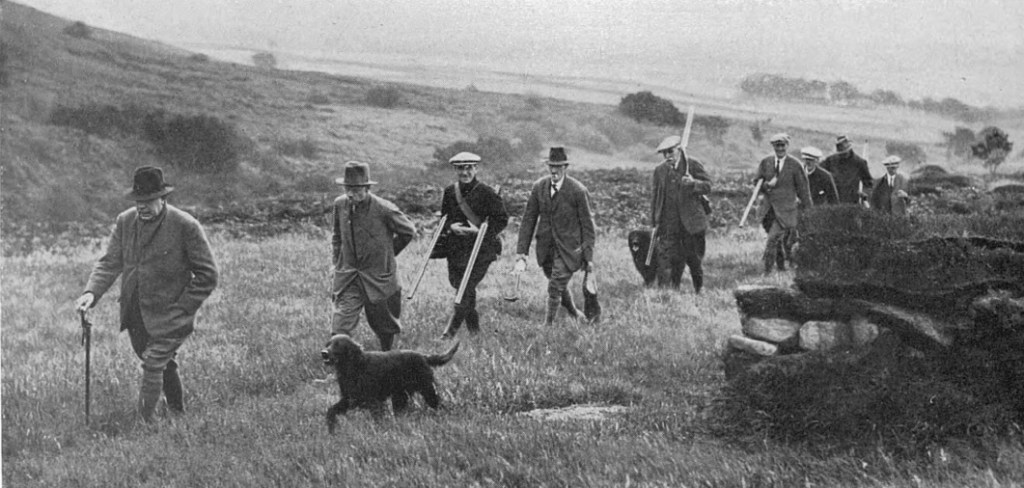
Away from day-to-day life all forms of sport appealed to him, and he was particularly fond of shooting and was to be regularly seen on the moors on ‘The Twelfth.’ Cricket also excited him, as did bowls, and he was elected president of the Sheffield and District Amateur Bowling Association in 1908.

Shooting on the moors in 1929. The British Newspaper Archive

For several years, he was president of the Sheffield Philharmonic Society and an enthusiastic stamp collector.

Charles was also a keen supporter of movements to foster friendships between Britain, America and Italy.

In 1922, he was elected a member of the Sheffield Town Trust, was involved with the Sheffield Club, the Junior Carlton and the Junior Constitutional, but his greatest honour was confirmed on him in 1925 when he received a knighthood.

Charles’ interest in Sheffield University extended over many years during which time he was a member of the University Council, and in 1934 an Honorary Degree of Doctor of Laws was conferred on him.

Charles Clifford Dental Hospital

Shortly afterwards, he presented the University with the house known as Broom Bank, on Glossop Road, as a dental hospital, and provided £77,000 for ‘general purposes of the University.’ However, he died in 1936, before plans had been finalised. The story of the Charles Clifford Dental Hospital wasn’t as straightforward as he might have hoped and is subject to a separate post.

Charles married Alice Emma Davy, and lived at Clifford House, on Ecclesall Road South. He was survived by his wife, two sons and a daughter.

Photograph by Picture Sheffield

Categories
People

Heart of the City II

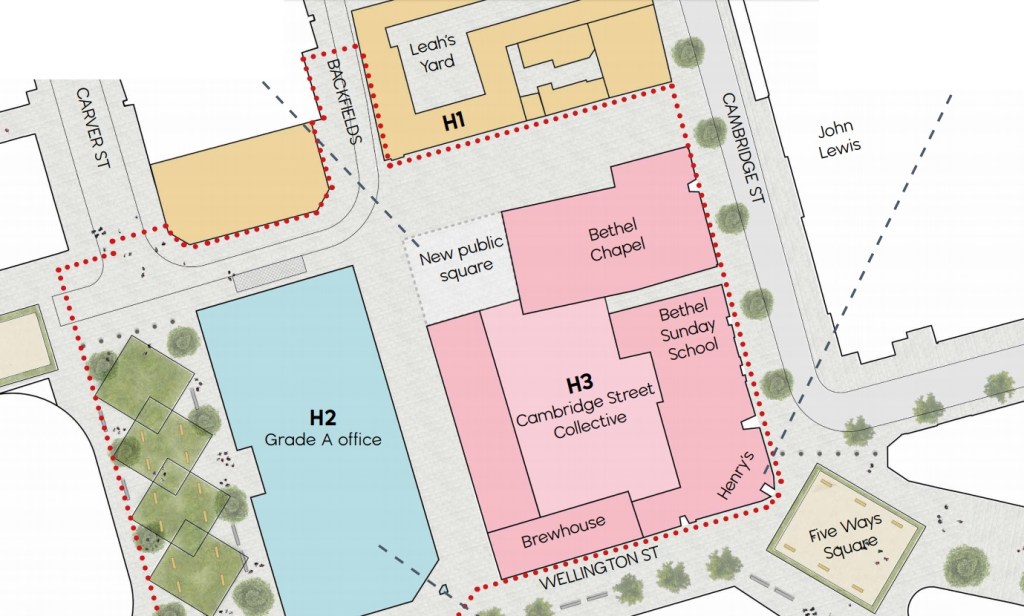
Block H site plan. Photograph by Sheffield City Council/Queensbury.

More on Heart of the City II, creating a new city centre using existing street patterns and a mix of old and new buildings. Because the scheme relies on funding, the coronavirus pandemic is likely to delay things, but there is still the commitment to complete the project.

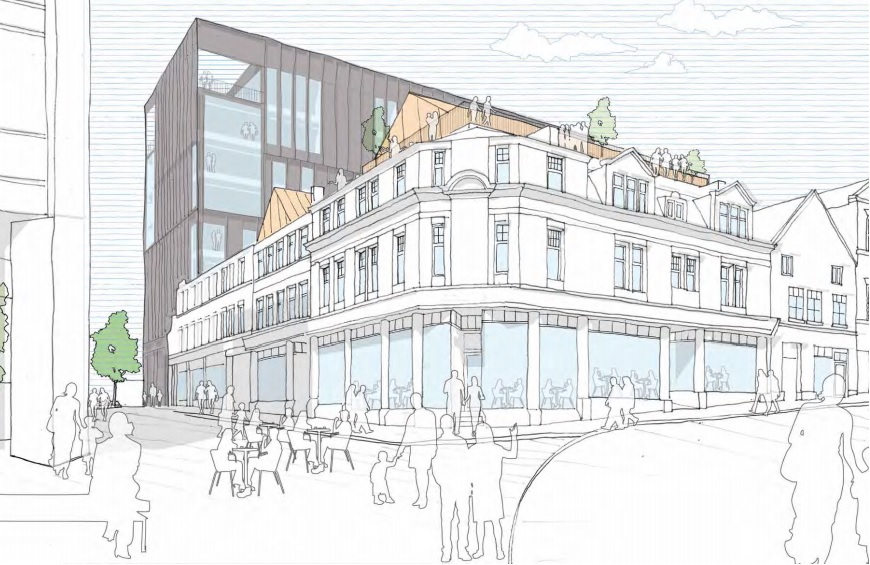
The latest plans unveiled covers Block H site – located between Wellington Street, Carver Street and Cambridge Street.

The site features some of the most interesting buildings within the masterplan area, including two listed buildings – Leah’s Yard (H1) and the Bethel Sunday School.

The intention is for Block H to truly become a cultural and social meeting place, and is split into three distinct elements (H1, H2 and H3).

H2 is a new 70,000 sq ft, Grade A office building, raising the bar with its low carbon specification. H3 is the Cambridge Street Collective – a cultural hub where the city’s best sights, sounds and flavours all come together. Proposals include a 20,000 sq ft communal hall offer, where people can meet, eat, drink, work and socialise.

Block H2 – View from Charter Square. Photograph by Sheffield City Council/Queensbury.
Block H2 – Top floor with terrace. Photograph by Sheffield City Council/Queensbury.

Proposals for H3, the Cambridge Street Collective include a large, stripped-back, industrial-style space, which would be ideally suited for a food hall or a similar sociable, communal offer. This space would incorporate the historic character of the Bethel Sunday School, the former Brewhouse and Henry’s venues and the building currently occupied by DINA. It would also include a more modern structure sitting behind this to enclose a gathering space, using sympathetic materials to the existing buildings.

Block H3 from Five Ways. Photograph by Sheffield City Council/Queensbury.
Block H3 – Section looking north. Photograph by Sheffield City Council/Queensbury.

Wrapping this large space would be complementary shops, a bar and restaurant, and an upper level leisure space. Next to the communal hall offer would be the renovated Bethel Chapel, with plans for this to become a live music venue.

The primary public entrance to this block would be via a pedestrianised spill out/arrival square to the north of the development, plus the modern ‘Arrival Building’ on Backfields. Access to the additional retail and leisure elements of H3 would be from Cambridge Street, Wellington Street and Backfields.

Block H3 – View from Backfields. Photograph by Sheffield City Council/Queensbury.


Categories
People

Frank Saltfleet

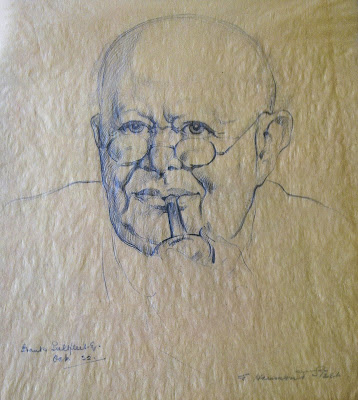
A self portrait in old age. Photograph by View from the Hill

Frank Saltfleet was one of Sheffield’s best-known artists, yet today his work is largely overshadowed by that of his wife, Jean Mitchell.

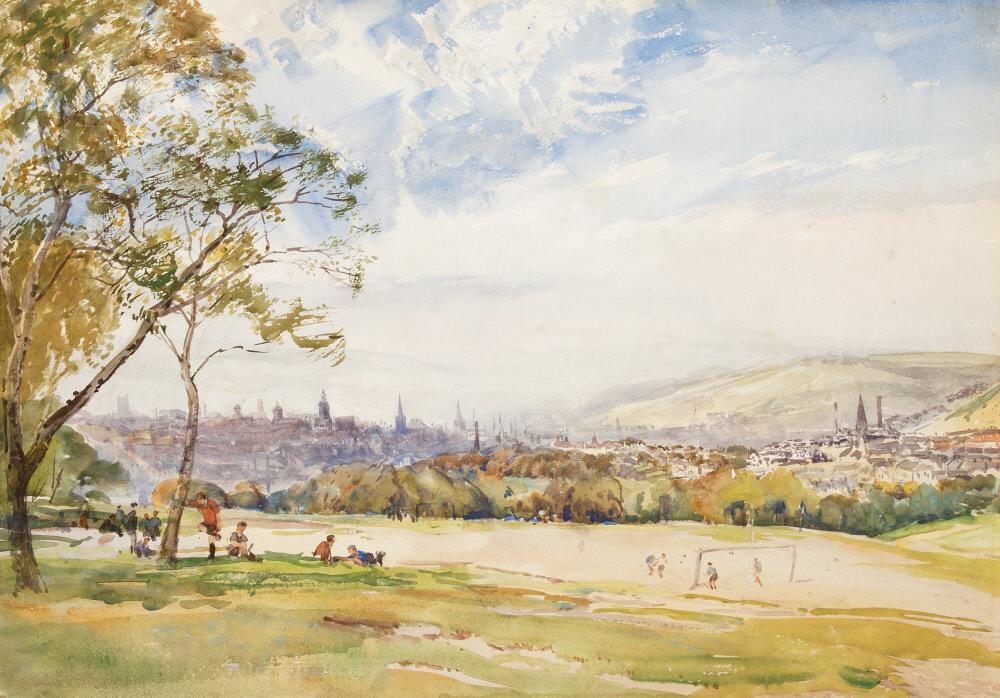
He was a specialist in watercolour painting, and about 18 months before his death an exhibition of his works was held at the Graves Art Gallery.

Alderman J.G. Graves also presented a group of Frank’s pictures to the city, and in the 1930s were on view at the Mappin Art Gallery.

He was, by profession, a landscape painter, but also keenly interested in music, literature, and drama.

Sheffield During the Coal Strike from Norfolk Park by Frank Saltfleet. Photograph by Museums Sheffield.

Born in Sheffield in 1860, he was sent to St George’s National School, and when he was about 12-years-old, entered the silver trade to learn the art of close plating, later being apprenticed to a cabinet maker.

Frank attended the Mechanics’ Institute in Surrey Street, where his teacher was Mr Read Turner, a well-known Sheffield artist. Some time later he accepted an offer to advance the necessary funds for six months’ study in art at Antwerp, and with several other young Sheffield artists he went to the Academy of Arts there.

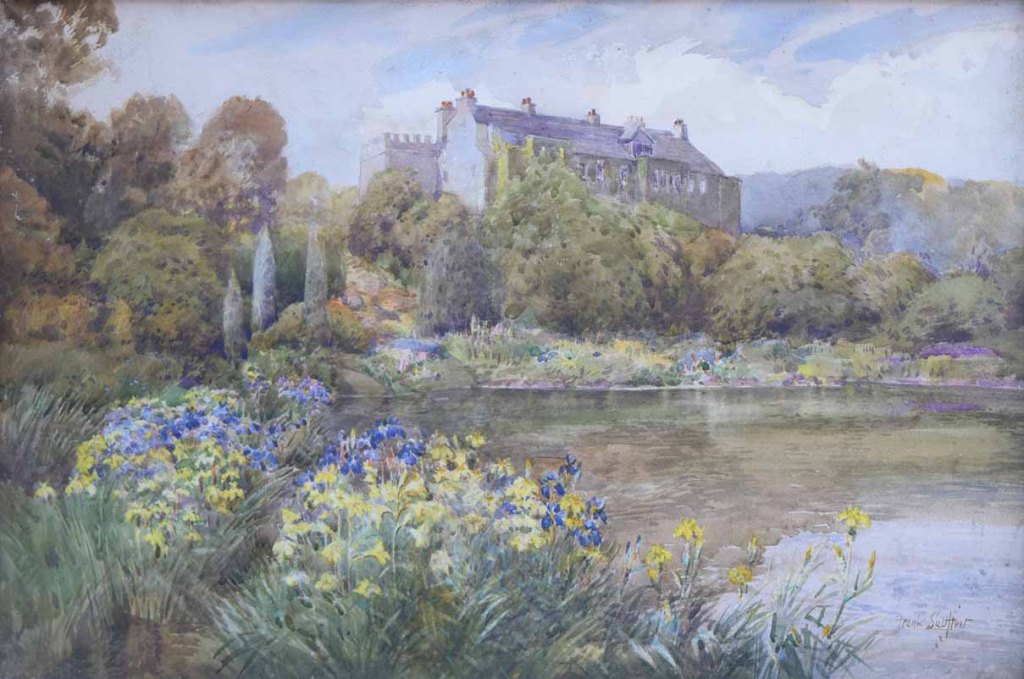
Whirlow Brook Hall by Frank Saltfleet. Photograph by Peter Wilson Fine Art Auctioneers.

His travels included tours of Italy, the Adriatic, and several visits to Venice.

Frank was quite out of sympathy with the works of ultra-modernists in any art, and his favourite composers were Mozart and Beethoven. The works of Shakespeare, Ben Johnson, Marlowe and Greene had an appeal to him.

He had several pictures accepted at the Royal Academy, but they were never hung and on many occasions his work was to be found in local exhibitions. Once or twice he exhibited watercolours at the Cutlers’ Hall.

His tastes lay chiefly in the direction of landscapes and seascapes, and woodland and moorland pictures.

“A land and riverscape artist with more than a local reputation. Some of his best pictures have the atmospheric charm of the not too hazy impressionist school. In social circles Mr Saltfleet sings drolly. He is that strange thing – an artist without the professional pose. He has less ambition than many of his inferiors,” said the Sheffield Independent in 1902.

Frank was well known in Sheffield as an enthusiastic amateur actor, taking part in several local productions.

For many years he was a Freemason, attaining a few honours, the chief of them being that of Past Master of St. Leonard’s Chapter at Tapton Hall.

Frank married twice, and after his death in 1937 was survived by his second wife, who was Miss Jean Mitchell, daughter of Young Mitchell, who was the first Principal at the Sheffield School of Art.

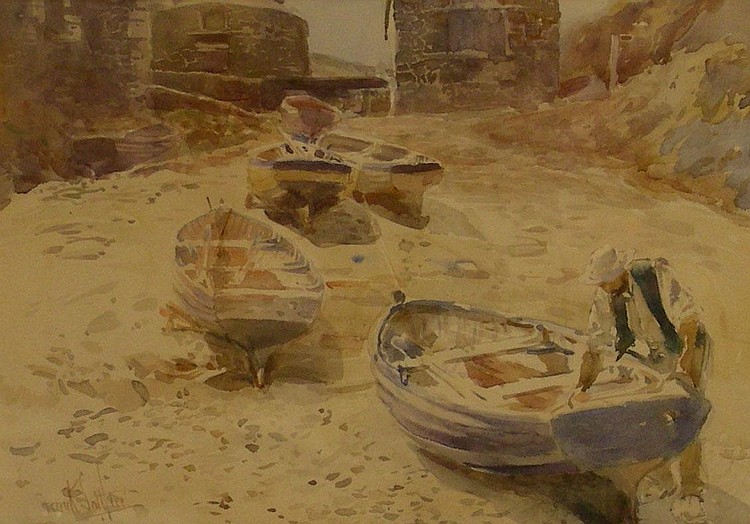
Rowing Boats on a Cobble Landing by Frank Saltfleet. Photograph by Invaluable.


Categories
People

Jean Mitchell

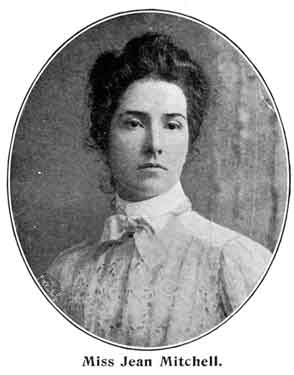
Photograph by Picture Sheffield

Celebrating the life this morning, of Jean Mitchell (1861-1941), a Sheffield artist whose work is largely forgotten, but which deserves mention.

She was born in Sheffield, daughter of artist Young Mitchell, a former pupil of Ingres in Paris, later Headmaster at the Sheffield School of Art, and Mary Elizabeth Smith.

Educated in Sheffield, she spent some time in London and Paris, but her artistic talents were encouraged at the School of Art, where she obtained two silver medals for life drawings.

Her work was sent to Paris for exhibition, and she was represented for three consecutive years at the Royal Academy, the first year her works finding a purchaser.

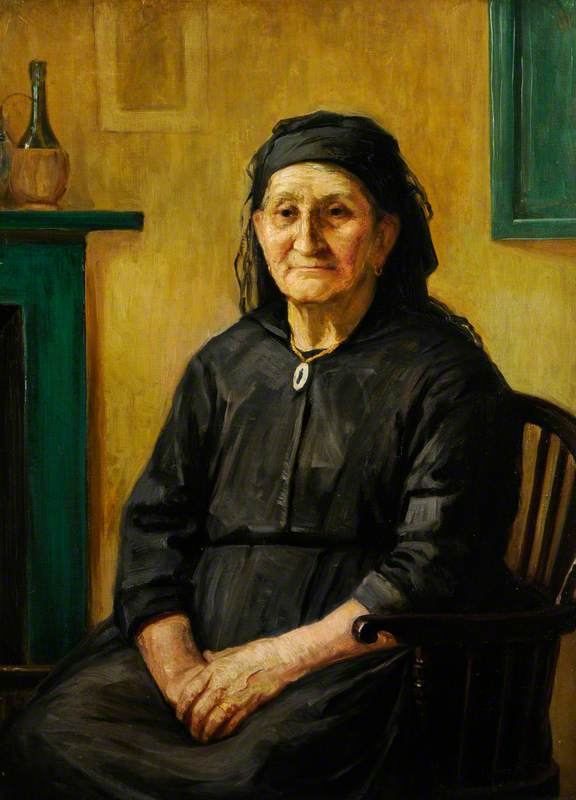
An Old Italian by Jean Mitchell. Photograph by Art UK.

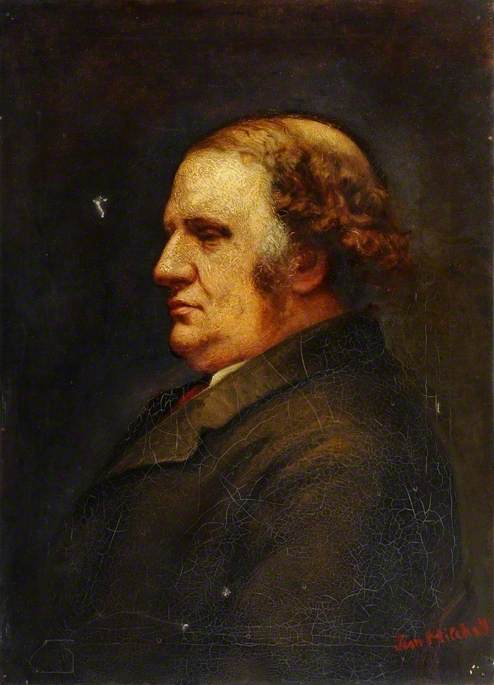
Mitchell painted many portraits of Sheffield’s prominent citizens, amongst them Dr Joseph Law, which hung in the Sheffield Medical School and a duplicate at the Sheffield Royal Infirmary. But she wasn’t confined to portraits, also creating watercolours and miniatures on ivory, her best work coming between 1897 and 1936.

Joseph Law (1897), MD, Honorary Secretary to Sheffield Medical Society (1842-1852). Photograph by Art UK.
Dr Arthur Jackson by Jean Mitchell c.1890. Photograph by Art UK.

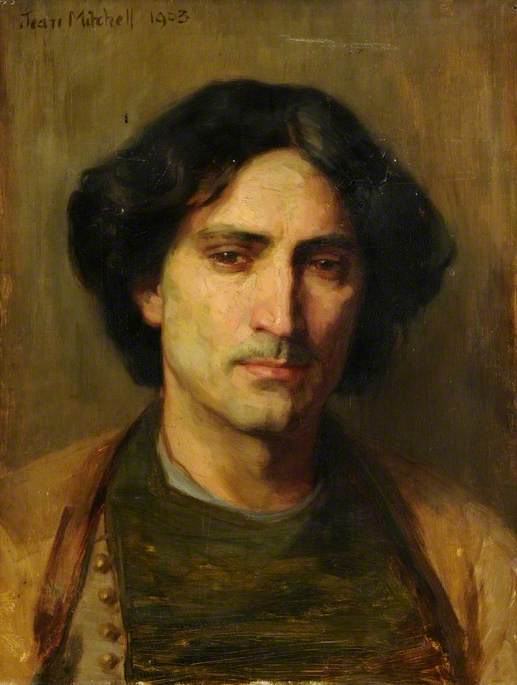
In 1905, she married Sheffield painter, Frank Saltfleet, whose reputation was enhanced with watercolours of landscapes, rivers and marine subjects. He was a protégé of Frank Ruskin and exhibited at the Fine Art Society and the Royal Institute of Painters in Watercolours. Mitchell was his second wife, and together they lived on Psalter Lane.

For about twenty years, Jean taught at the Sheffield School of Arts (by now called the Technical School of Arts) as a teacher for figure painting. She resigned in 1924 and opened her own studio on North Church Street, where she carried on teaching, and specialised in portraits, miniatures, and flower studies.

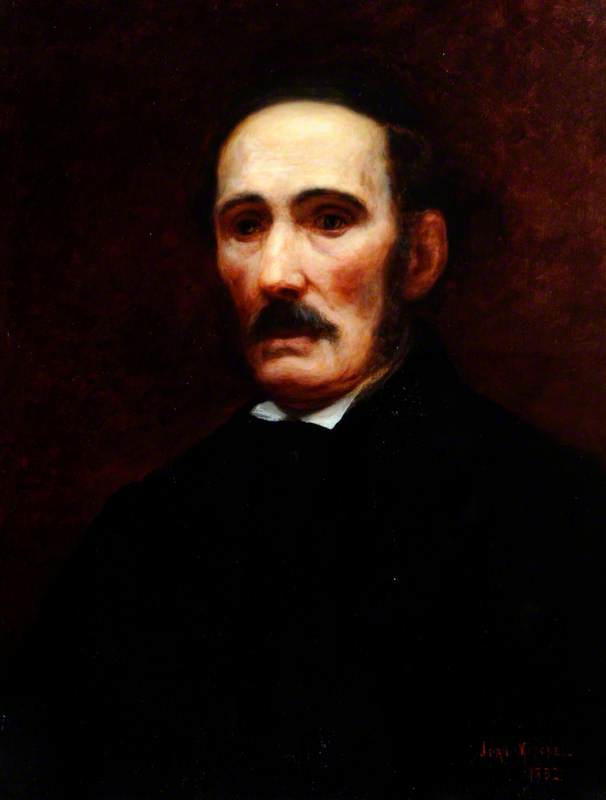
Portrait of a Man (1903) by Jean Mitchell. Photograph by Art UK.

In later life, her portraits of children were popular, and being fond of animals, she gave special attention to painting dogs and horses.

Frank Saltfleet became President of the Sheffield Society of Artists and died at home in 1937. Jean Mitchell died four years later, leaving £2,124 in her will.

Saltfleet was considered a minor artist and today his pictures sell for a few hundred pounds. Mitchell’s work has fared much better and several of her pictures survive in her home city at Museums Sheffield and Sheffield Archives, while Dr Law’s portrait hangs at the Royal Hallamshire Hospital.

British Newspaper Archive

NOTE: The Sheffield School of Art opened in 1843, lessons being given in a rented room above the Bath Hotel (still surviving) on Victoria Street, off Glossop Road. Young Mitchell was appointed Headmaster in 1846, and held the post until 1863, when ill-health forced him to resign. It transferred to Sheffield Corporation in 1901 and placed under the control of the Education Committee in 1903. In 1926, it was recognised as the College of Arts and Crafts, subsequently becoming Sheffield Polytechnic School of Art and Design and is now a department within Sheffield Hallam University.

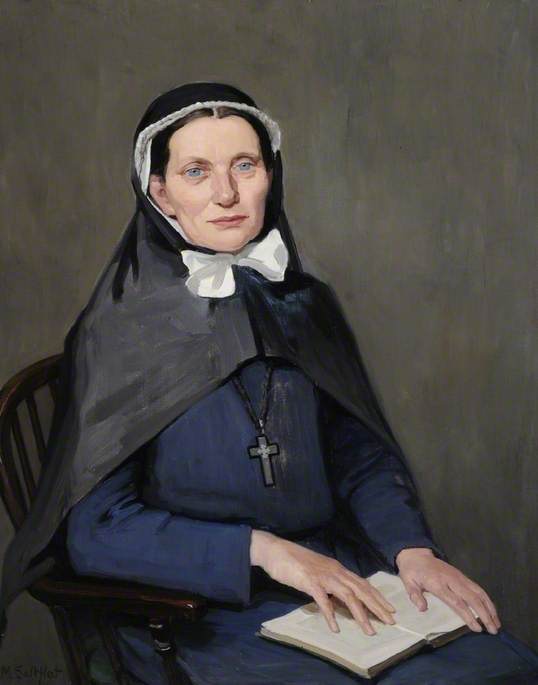
The Deaconess by Jean Mitchell. Photograph by Art UK.
Categories
People

Joe Ashton

Photograph by the Worksop Guardian

We can’t let the passing of former Labour MP, Joe Ashton, that ‘bloke in the street,’ go unmentioned despite trying to keep this page clear from politics.

Whatever your allegiance, and whatever you might have thought about Joe Ashton, he was a Sheffield lad.

Born in 1933, he grew up in the slums of Attercliffe. Despite his modest beginnings, he passed the 11-plus and went to High Storrs Grammar School. He did National Service with the RAF and then became an engineer at Davy United.

He became involved in trade unionism and progressed into politics as a Sheffield city councillor. In 1968, he won a tough three-cornered by-election fight for the ‘Alamo of Bassetlaw,’ and held his seat until 2001.

Photograph by Picture Sheffield

Joe once wrote a weekly column for the Sheffield Star, went on to the Daily Star as the ‘Voice of the People’ and briefly wrote for the Sunday People. He was also a published novelist – Grass Roots charting the rude awakening of a young MP just elected to be the Mother of Parliament – and a staged playwright.

A Majority of One whipped across the Nottingham Playhouse auditorium in 1986, and astounded audiences and other Honourable Members with its no-dirty-tricks-censored account of how a government with a thin majority won votes on controversial issues.

Issues he took up as an MP included the delicacies or otherwise of Ministers calling MPs by their first names, the toll bridge on the A57, the use of tobacco sponsorship in sport (in 1972), paraffin prices, East Midlands rail cuts, conditions in a Worksop primary school, advertisements for the BBC (again in 1972) and fish fatalities in Clumber Park Lake.

He once accused Prime Minister Ted Heath of doing nothing about rising prices because he was a bachelor, complained that beer was getting so weak you’d soon be able to sell it to children and slammed the police for making bingo fans pay for a whole session before the first game started.

He followed his novel up with a memoir, Red Rose Blues (2000), and was awarded an OBE seven years later.

And, of course, he was a lifelong Sheffield Wednesday fan and director for nine years, often publicly criticising his colleagues and history proving he was quite correct with his comments.

Joe was married to his late wife Maggie for 57 years and leaves behind one daughter.

Photograph by the Worksop Guardian