In August 1835, at about two o’clock in the morning, some dastardly villains broke the rappers and bell pulls of several houses in Union Street. The watchman in that neighbourhood sprung his rattle and followed the ruffians down Norfolk Street, but with no other night guardians answering the call, they managed to escape.
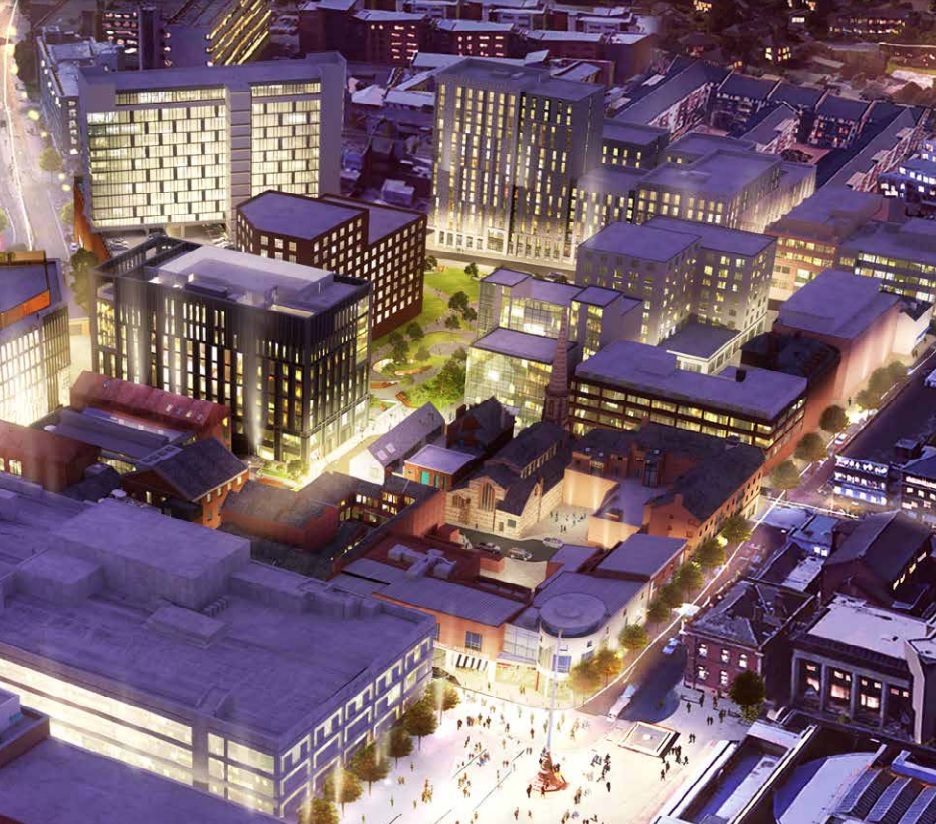
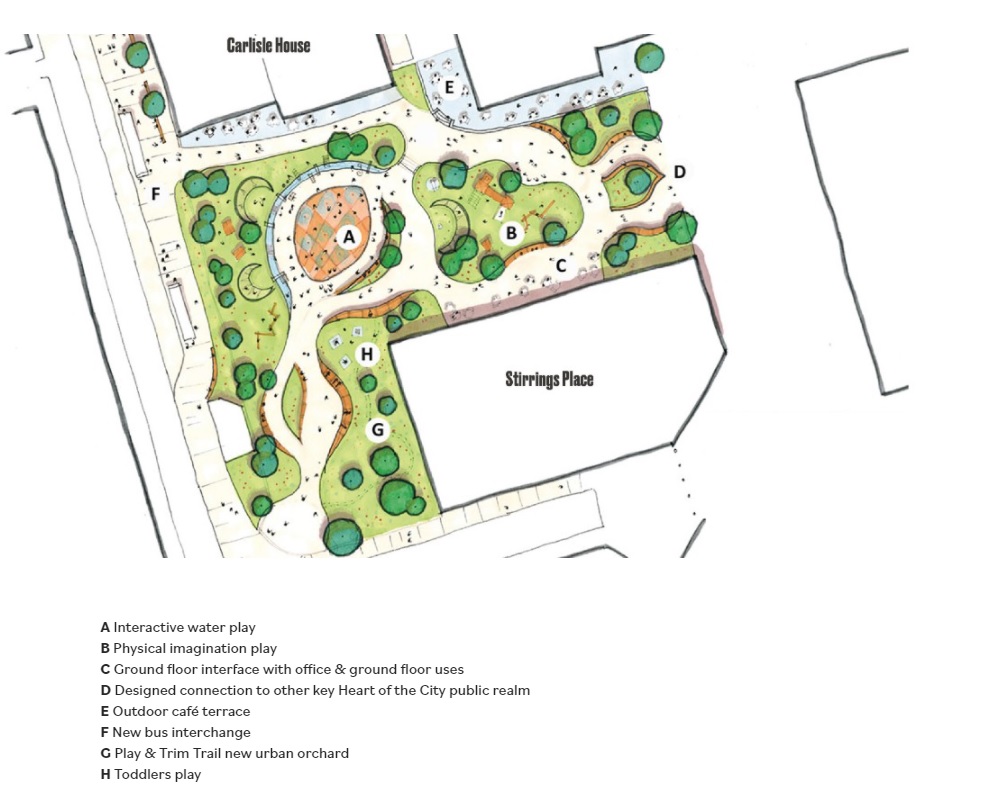
Pounds Park, named after the man responsible for creating Sheffield’s first fire brigade. The former John Lewis store is seen at bottom-left, and might even be demolished to become a green space itself. Image: Sheffield City Council
Once upon a time, the Sheffield construction company, George Longden and Son, might have been chosen to build a new park. From Victorian times, the company was the powerhouse behind many city landmarks. But it lost its way, and the name is all but forgotten.
Instead, the creation of a green space in the city centre will fall to another stalwart of Sheffield construction.
Henry Boot has been appointed to deliver Pound‘s Park, the landmark new public space, and work gets underway this month.
Sheffield City Council sees this as a key piece of the Heart of the City programme, and it is another project that Henry Boot has been involved with. The builder is underway with the residential development at Kangaroo Works, the Elshaw House office development and the Cambridge Street Collective – a food hall and restaurant destination.
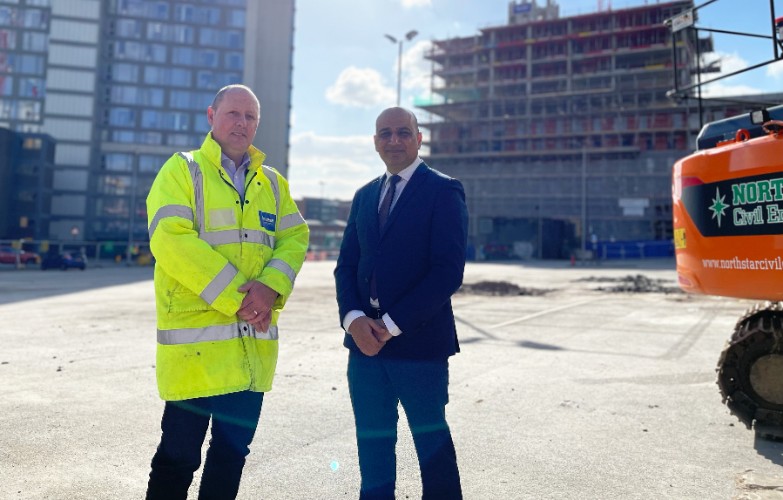
(Left) Tony Shaw, Managing Director for Henry Boot Construction, and (Right) Cllr Mazher Iqbal, Executive Member for City Futures, Sheffield City Council. Image: Heart of the City
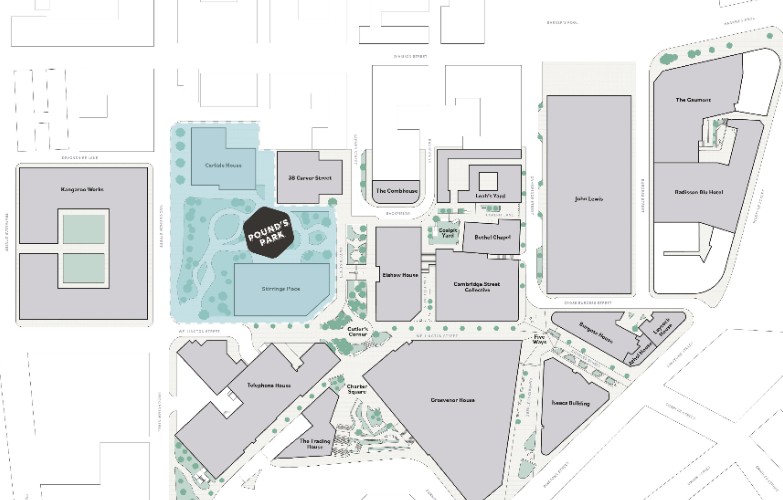
Pound’s Park is named after Sheffield’s first Chief Fire Officer, Superintendent John Charles Pound, and is being built on the former fire station site between Rockingham Street, Wellington Street and Carver Street.
Pound’s Park and two new office buildings within the Heart of the City masterplan. Image: Sheffield City Council
As we move forward, Pound’s Park probably won’t be the only new green space in the city centre.
Projects like this are seen as a critical tool in revitalising cities, regenerating poor areas, bringing nature into the city, rejuvenating neighbourhoods, creating a space for physical interaction in our increasingly digital world, and improving city sustainability.
“They are almost being viewed as like anchor stores, as a way of bringing people into a certain part of town,” says Dr Danielle Sinnett, director of the Centre for Sustainable Planning and Environments at the University of the West of England.
Previously, she reckons, there was some tendency for green space to be tagged onto the end of developments where land was left over. Not so much anymore. “Now it is being seen as key infrastructure in and of itself,” she says.
As well as being a green space, Pound’s Park will have a childrens’ play area, water features, and a new bus interchange. It will also provide an accessible new home for the William Mitchell frieze, which was removed from demolished Barker’s Pool House.
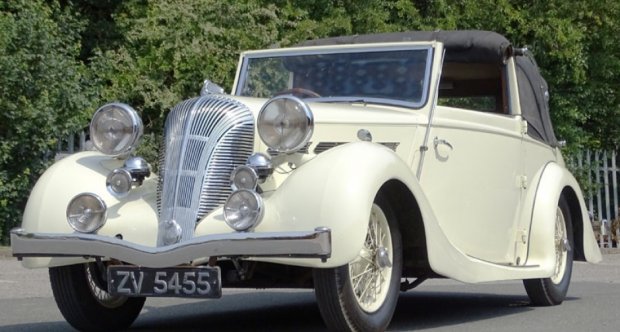
It wasn’t that long ago that Triumph cars populated our roads. Sadly, the Triumph marque disappeared, but not many people realise that the car company once had its head office in Sheffield.
Triumph’s origins were in 1885 when Siegfried Bettmann and Moritz Schulte from Germany founded Bettmann & Co and started selling Triumph bicycles from premises in London and from 1889 started making their own machines in Coventry.
In 1930 the company changed to the Triumph Motor Company and made upmarket models like the Southern Cross and Gloria ranges. The company had financial problems and in 1936 the car, bicycle and motorcycle businesses were sold.
Donald Healey, a Triumph manager, bought the motor business and developed a new car called the Triumph Dolomite.
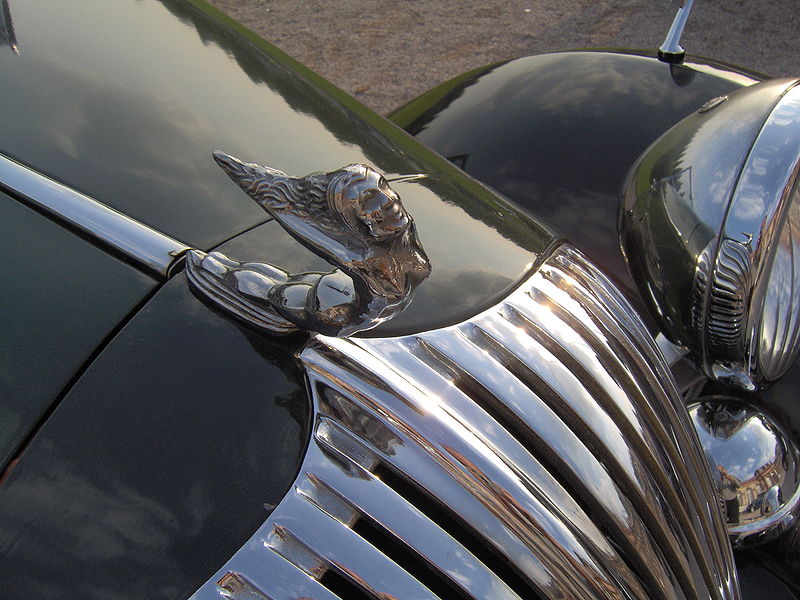
1938 Triumph Dolomite mascot
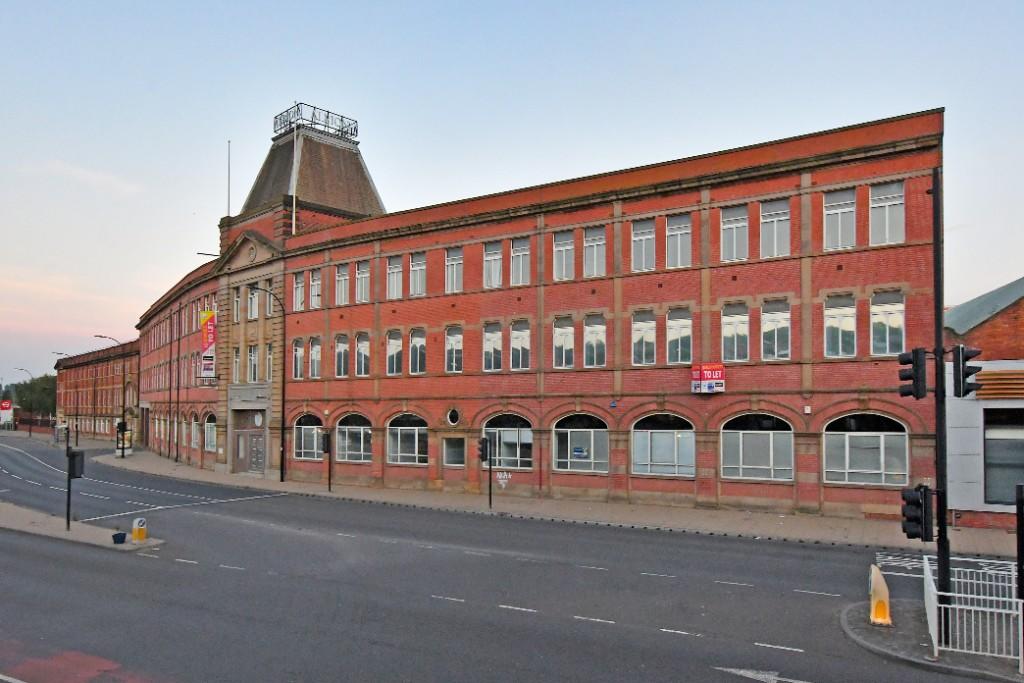
The Triumph Motor Company went into receivership in 1939 and was bought by T.W. Ward, the Sheffield-based ship-breaking, iron, and machinery business. The head office was at Albion Works on Saville Street, but it wasn’t a successful acquisition. World War Two stopped production of cars and the Triumph works at Priory Street, Coventry, was destroyed by bombing.
“The Triumph Company was to us merely a plain straightforward speculation,” said Mr S.J. Dyal, a director. “And because of the outbreak of war we really did not have the chance of continuing car production. We had no manufacturing space, and as a policy decision it was agreed that car production was not to be our line of business. So eventually the assets – little more than the name Triumph – were eventually taken over by The Standard Motor Company.”
Donald Healey stayed on at T.W. Ward before leaving to join Vickers-Armstrong in aircraft production.
Albion House, Savile Street, Sheffield. Former head office for T.W. Ward and briefly for the Triumph Motor Company. Image: Rightmove
Under ownership of the Standard Motor Company a new range of Triumph models appeared after the war. Sporting models were badged as Triumph while the Standard name appeared on saloons. The Standard name was dropped with the introduction of the Triumph 2000.
Afterwards, the company was bought by Leyland Motors and further mergers led to the formation of British Leyland (later Austin Rover) in 1968. The last Triumph produced was the Acclaim in 1981 and the marque disappeared completely in 1984.
The trademark is currently owned by BMW, acquired when it bought the Rover Group in 1994, and when it later sold Rover, retained the Triumph marque.
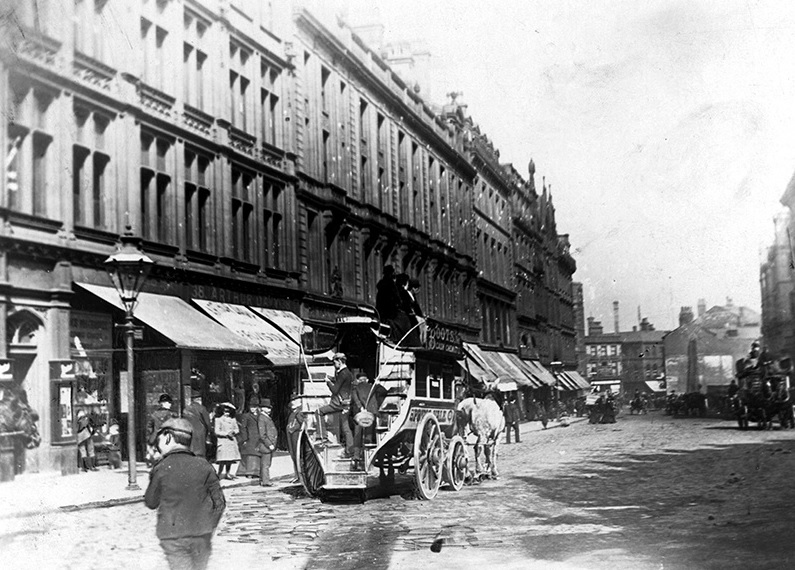
Arthur Davy’s premises at 38 Fargate were built in 1881-1882 and seen in 1888. It is now WH Smiths. The horse drawn bus outside Davy’s is the Spring Vale bus bound for Walkley. Image: Picture Sheffield
“Why should we not try to secure a series of ‘Old Sheffield’ before the town is completely modernised and place these views where they will be treasured by future generations. One of the greatest mistakes we are apt to make is to forget that what is commonplace and familiar to us, may be regarded with great interest by our children and grandchildren. The life of even the oldest of us is but a page, nay, even as a sentence in the book which records the history of out town, and we at may least cherish the hope that Sheffielders of the twentieth and twenty-first centuries will be as interested in noting what Sheffield was like in the early days of its corporate life.”
Words from Robert Eadon Leader in the Sheffield and Rotherham Independent. October 1, 1892.
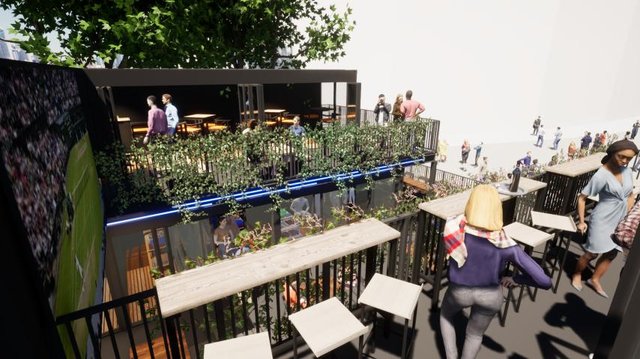
It’s a long time since the Goodwin Fountain was a permanent fixture at the top of Fargate. It disappeared in 1998 and since then the site has hosted everything from big wheels to pop-up bars. Now its’s going to be a hub of cafes, shops, and toilets.
Planning permission has been granted for the 462 square metre installation made up of repurposed shipping containers, to be painted in a dark colour. Construction is underway in Leeds before it arrives in Sheffield and should be open in the next few months.
As well as independent shops, cafes, and free-to-use public toilets, the site will have a big screen, living walls and outdoor seating, and will be open daily between 8am and 11pm.
Sheffield City Council has secured £300K funding for the temporary container installation from the ‘Get Britain Building Fund’ through the South Yorkshire Mayoral Combined Authority. It has been designed by SteelYard, a locally owned company which operates a container complex over 2 floors and open event space at Kelham Island.
The appearance of the container installation will be softened using a combination of planting and artwork. This will allow it to fit within the existing context of nearby buildings.
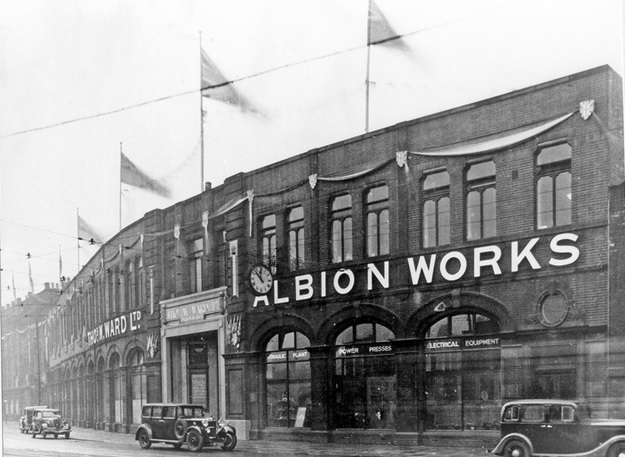
T.W. Ward, Albion Works offices, Savile Street, in 1937. The former offices still form an imposing appearance. Image: Picture Sheffield
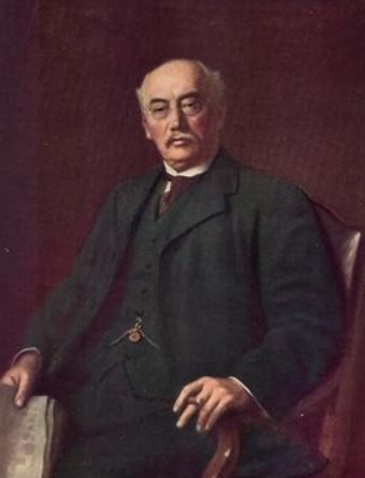
When Thomas William Ward died in 1926, he had owned during his lifetime enough warships to make up a respectable fleet. He had founded T.W. Ward in 1877 and left what was probably the largest ship-breaking, iron, and machinery business in the world.
Once upon a time, businessmen had looked with suspicion on the scrap iron merchant and second-hand machinery business, but by honesty and square trading, Thomas lifted his business to the pinnacle which commanded the respect of the industrial community.
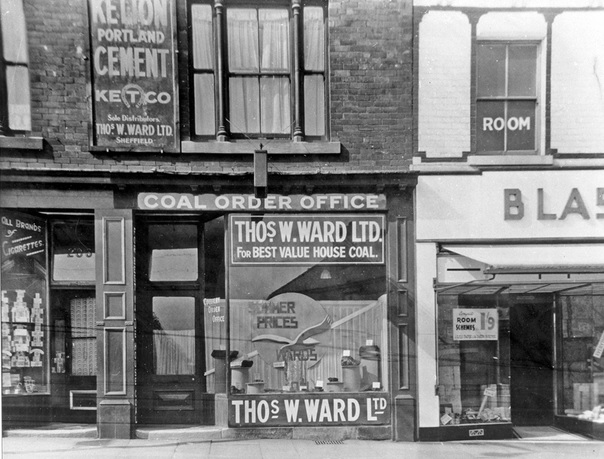
T. W. Ward, Coal Office, London Road, 1936. Image: Picture Sheffield
He was the son of Thomas William Ward of Wadsley Bridge and was born in Sheffield in 1853. He started his business career with Moss and Gamble, and in 1877, aged 24, launched out with his brothers as a coal, coke, and iron merchant. Within five years, he had cleared off obligations incurred in his father’s business and soon added the sale of machinery to his activities, extending the area of operations to deal with obsolete works and battleships.
Thomas William Ward (1853-1926)
Thomas had had the idea of dismantling old ships and recycling the material for other ‘useful’ purposes.
The business became a limited company in 1914 and such was the remarkable progress that it embraced 32 distinct undertakings in all parts of the United Kingdom.
The company dismantled many famous works, including Abbots Works, Gateshead; Bowling Ironworks; Kelham Rolling Mills, Sheffield; Derwent Rolling Mills, Workington; Dearne and Dove Works; Birchills Furnaces; West Cumberland and Whittington Works.
Many large battleships and merchant vessels were dismantled at Ward’s works, the list extending into several hundreds, including the steamers Luciana, Adriatic, H.M.S. Inflexible, H.M.S. Dreadnought, H.M.S. Magnificent, H.M.S. Prince of Wales, the German battleships Helgoland and Westfalen, and the steamer Canopie.
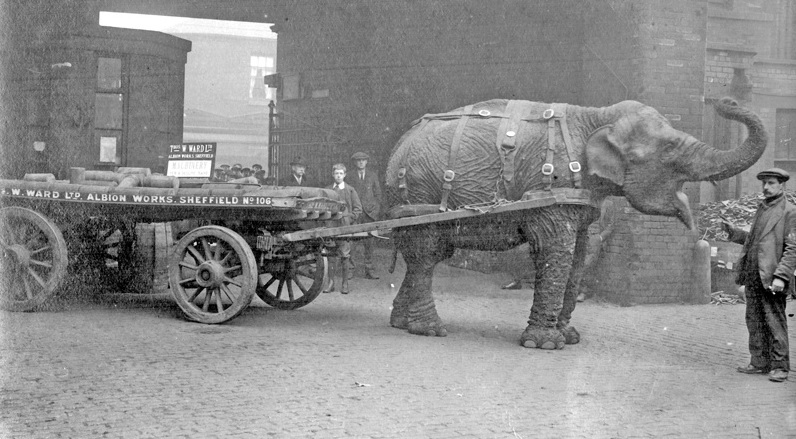
Lizzie Ward, the famous elephant, working for T. W. Ward in World War One. Image: Picture Sheffield
After World War One the company bought 1,000 tanks, the record purchase of 115 war vessels from the Admiralty, the acquisition of the Palestine pipeline, the Lartigue Railway, and the Marconi Wireless Station, Cliften, all for dismantling purposes.
Thomas Ward never sought public office but served as a J.P. and in 1913 had the unique honour of serving as president of Sheffield Chamber of Commerce and Master Cutler, both at the same time. He also gave advice to several commissions in connection with the Merchandise Marks Act and the National Insurance Act
While conducting business, he travelled a great deal visiting America, South Africa, Australia, Sweden Norway, Spain, Germany, and Italy.
“I have succeeded because I worked very hard at the beginning, and as a young man I studied mechanics and metallurgy.”
His younger brother, Joseph, was involved in the business from the start, becoming chairman and managing director, while another brother, Arthur, and nephew, Ashley, were joint assistant managing directors. Together they erected an imposing headquarters on Savile Street, known as Albion Works, with other extensive premises at Preston and Wednesbury.
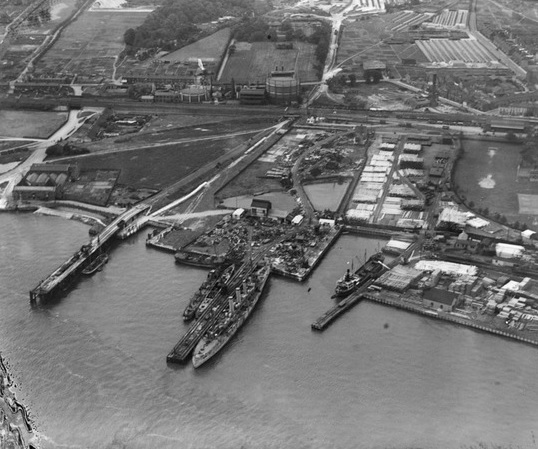
T.W. Ward Ltd Shipbreakers Yard, Grays, Essex, Seen from above in 1921. Image: Britain from Above
Thomas was a member of the Wesleyan Church, holding many lay offices, and gave generously to the church. He was an enthusiastic horticulturalist, and his gardens at The Grove, Millhouses, and then Endcliffe Vale, were a source of great pride and pleasure to him.
He died at Endcliffe Vale House, aged 72, in 1926, and was buried at Crookes Cemetery.
The company was run by the family until the latter part of the 1950s, by which time there were five divisions – raw materials, construction, engineering, motor distribution and industrial supplies. Through acquisitions the Ward Group consisted over 35 companies by the 1960s, but its fortunes dwindled in the following decades.
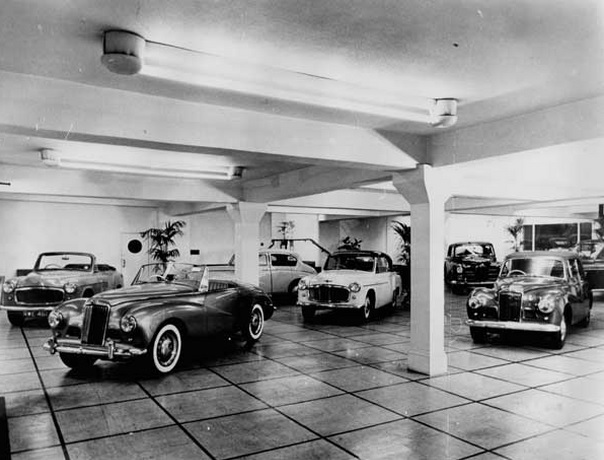
A display of Hillman, Humber and Sunbeam Ralbot cars at E.H. Pickford and Co, motor dealer and engineer, c1953. The company became part of the T.W. Ward Group. Image: Picture Sheffield
The Group was acquired by Rio Tinto Zinc in 1982 but after significant losses an administration order was granted to the parent company, Ward Group, in 1992 and although the subsidiaries traded normally, most were subsequently sold.
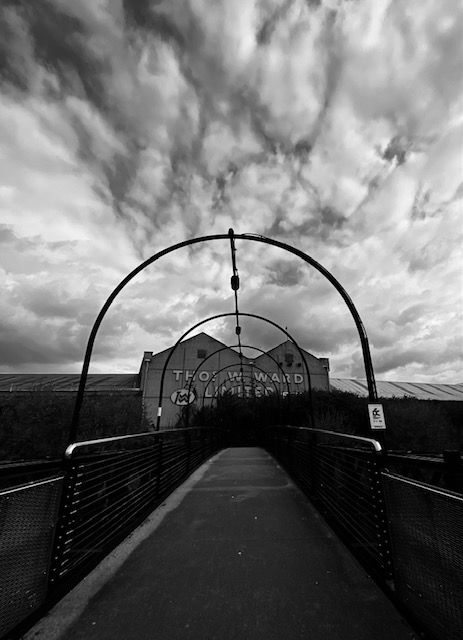
The machinery division was acquired by an MBO in 1983 and is now known as T.W. Ward CNC Machinery, still operating at Albion Works.
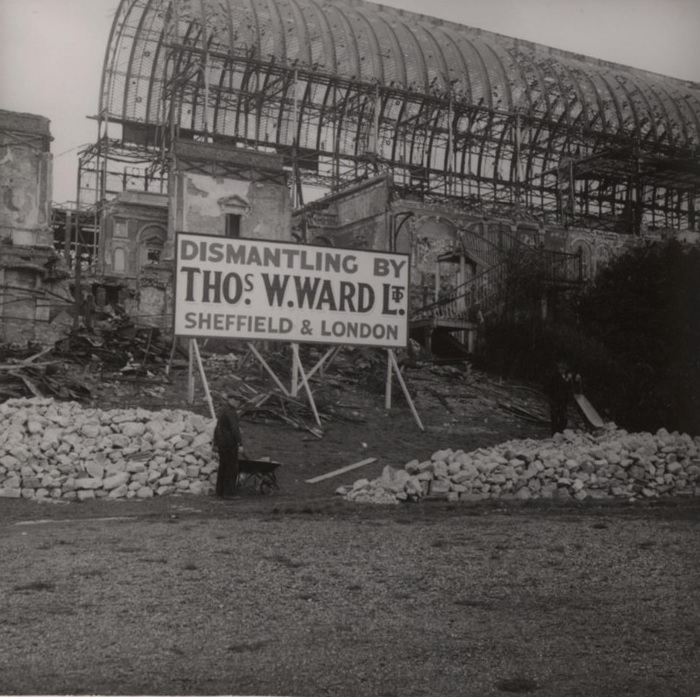
In 1937, T.W. Ward were appointed to demolish the remains of fire-damaged Crystal Palace in Sydenham Park, London. The company reclaimed scrap iron and debris.
Albion Works. Seen from Bailey Bridge. Image: DJP/2021
In November 1931, Sheffield City Hall was nearing completion and would cost £444K, more than £79K above budget. Several ancient wells had been discovered when excavating the site, and to stop water rising into the basement an asphalt tank was built, in which the foundation walls and floor rested.
Taylor’s Eyewitness was founded in the early 19th century and have been producing kitchen knives, pocket knives, scissors and sharpeners for over150 years. Image: Capital & Centric
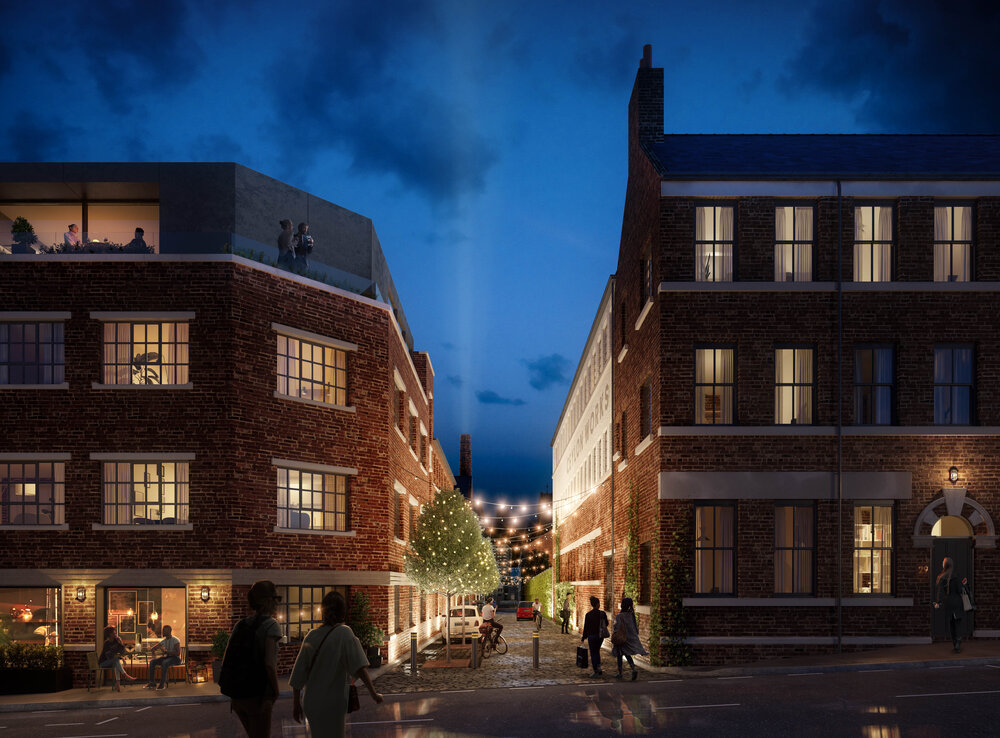
Taylor’s Eyewitness Works, a former cutlery factory, on Milton Street, is currently being transformed into 97 loft apartments and townhouses as part of a £21m restoration.
The developer Capital&Centric has partnered with Channel 4 and Remarkable TV for a new peak time interior design show to be filmed this summer.
The series, which has a working title of Design Your Dream, will see contestants each assigned an empty apartment within Eyewitness Works to showcase their design talent. They will be judged on their performance in a series of design challenges and skills within the apartment and elsewhere.
The winner of the competition will become the owner of a two-bedroom Capital&Centric loft apartment at the development.
The buildings had been used by Taylor’s Eyewitness until 2018, where skilled craftsmen produced pocket knives, scissors and kitchen knives. Image: Capital&Centric
The Grade II listed building was built in phases between about 1855 and 1890, alongside high density housing interspersed with manufacturing works.
The Taylor’s trademark was registered in 1838 and the company merged with James Veall in 1876 and Tyzack’s in 1879 to become Needham, Veall and Tyzack. During the 1960s the company became Taylor’s Eye Witness. It was later bought by Harrison Fisher & Co, which changed its name to Taylor’s Eye Witness Limited.
The “Eyewitness” trademark was first registered in 1838 – the inspiration for the choice of “Eyewitness” is believed to be Shakespeare’s line in Henry IV – “No eye hath seen better”.
The setting of the cutlery works became fragmented during the mid to late twentieth century when much of the adjoining high-density residential neighbourhood was cleared and several adjacent sites remain undeveloped.
Eyewitness will also be home to four lush, green courtyards and cafe bar. Image: Capital&Centric
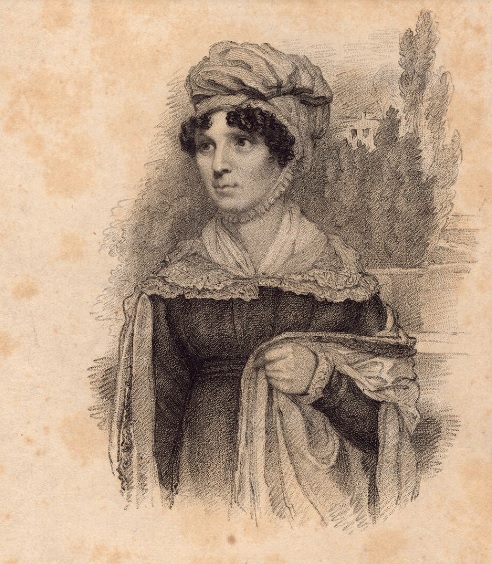
Barbara Wreaks was the daughter of Robert Wreaks, a Sheffield manufacturer, brother of the better-known Marmaduke Wreaks, hairdresser, wigmaker, and toy merchant, of High Street.
Barbara was born in 1770, and first achieved local fame in 1795 by a series of contributions to the Sheffield Courant (1793-1797), entitled, ‘Characteristics of Some Leading Inhabitants of Sheffield at the Close of the 18th Century.
In 1796, she married Thomas Hoole, a Sheffield manufacturer, but quickly became a widow, and went to live with her mother-in-law in Attercliffe, where in 1805 she wrote a volume of poems, of which over 2,000 were printed, “By James Montgomery at the Iris office.” The list of subscribers occupied nearly fifty pages of the book, and most of them were Sheffield folk, but whether their large number is testimony to culture in Sheffield in those days, or simply to Barbara’s own assiduous canvassing, it is hard to tell.
With the profits from the book, she opened Grove House boarding school in Harrogate, a forerunner to what is now Harrogate College. Later she married Thomas Christopher Hofland, the landscape painter, and removed to London, where she became well-known as a prolific writer. She published nearly a hundred books, chiefly for young readers. One of her many popular books (as Mrs. Hofland) was The Blind Farmer and His Children (1816). Her most popular children’s book was The Son of a Genius, about an impulsive artist, which may contain autobiographical elements. She died in 1844.
“The children spent a warm spring afternoon playing beside the river. And when their energy was spent, they trod wearily the path across Alsop Fields, passing the old farmhouse that had once belonged to Aulsope Farm.”
This might have happened 300 years ago, and nothing remains of it except Porter Brook.
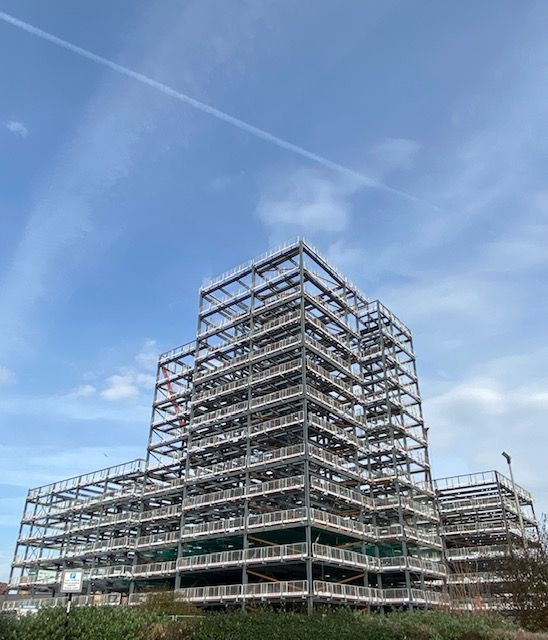
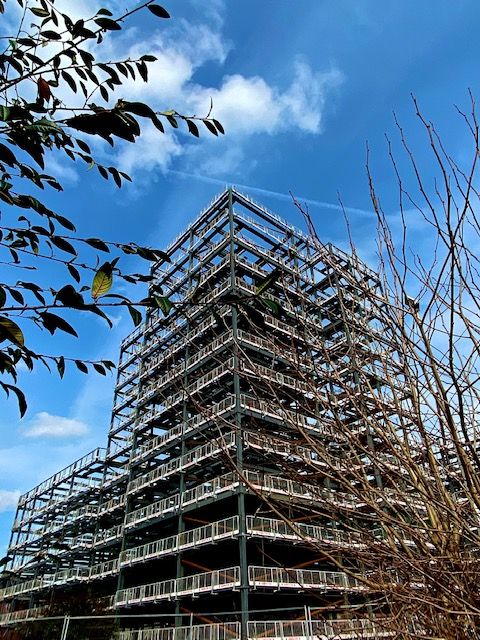
The large steel structure rising above Sylvester Street, on the outskirts of Sheffield city centre, is the latest chapter in the city’s development. A rural idyll, swallowed by the advancing town, used for industry, and when this declined, utilised for residential.
The Sylvester Street development is a £75m plan to construct 335 ‘build to rent’ upmarket apartments alongside Porter Brook.
More importantly, once completed, a stretch of the river will be spruced up and opened to the public.
The developer promises to plant vegetation along the edge and place rocks in the middle to slow down the water’s flow and reintroduce habitats for wildlife. A new pedestrian route will run parallel to the river, with a bridge allowing people to access the new buildings. The brook will remain culverted in places – here open spaces are to be created.
It will be respite for the river that suffered at the hands of Sheffield’s industrial development.
In 1789, a building called Sylvester’s Wheel stood nearby, land to the west was Joseph Broomhead’s garden, and land to the right was owned by Robert Walker. During the 1800s, Porter Brook was used to power industry and larger scale industrial buildings started appearing including Sylvester Works, Thomas Ellin, and the Oak, Stella, and Crown Steel Works.
By the end of the twentieth century, the downturn in Sheffield’s metalworking industry was reflected in the clearance of most of the site. In 1994, a large retail shed was built on the former Crown steel works, occupied by Carpet World and subsequently by Sofa World. This was demolished about 2009 as were most of the remaining industrial works.
And now, this massive residential development rises above this long-lost green space.





 sheffielder.net