Categories
People

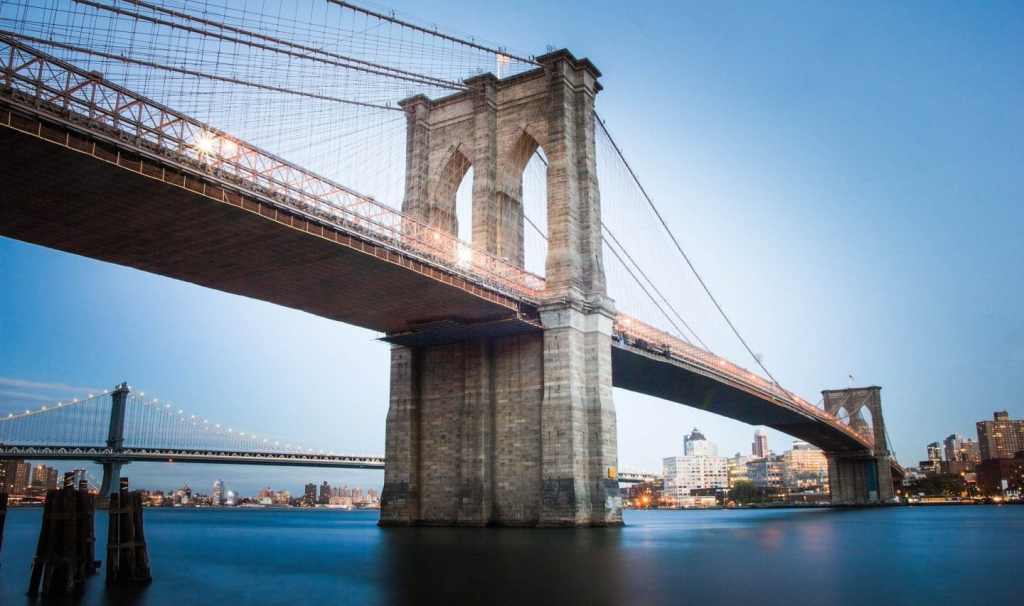
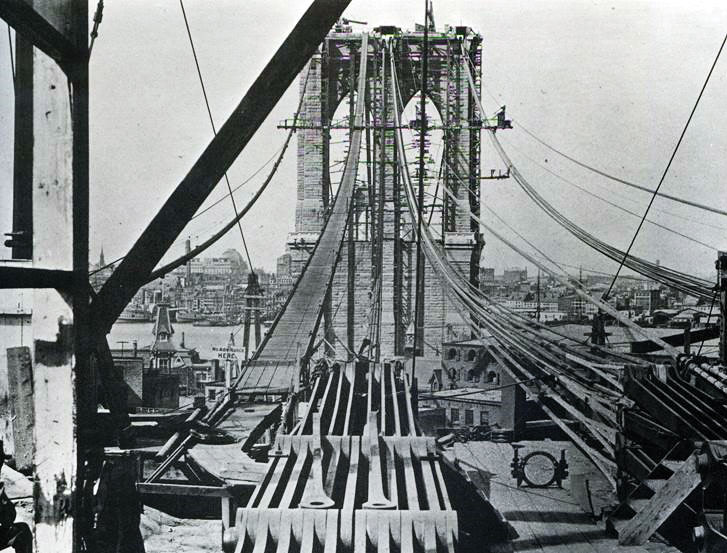
Over the Brooklyn Bridge

John Henry Andrew sat in the lounge of the steamship Montana feeling pleased with himself. He sipped his Old Forester bourbon and lit the cigar that he’d been given in New York. He was no stranger to travelling and calculated that this had been his thirtieth transatlantic trip.

He’d soon be back in Sheffield and would be able to tell his directors at the Toledo Works that he’d secured an important contract. It was a lucrative deal, supplying steel to Joseph Lloyd Haigh, a New York importer, and wire rope manufacturer, based at Brooklyn Wire Mills. More importantly, the steel would be used in the construction of the new bridge that would span the East River from Brooklyn.

Haigh had already taken a sample of steel from J. H. Henry and Company, drawing the rolled crucible steel rods into wire, and had presented a sample of it to the Brooklyn Bridge Company in 1876.

The ropes would be used to support the 486metre bridge, making it the longest in the world, and the sample had been enough to sway the directors that the Brooklyn Wire Mills was the ideal company to manufacture it. Haigh had beaten seven other companies for the contract, including one owned by the bridge’s architect, John Augustus Roebling.

Had John Henry Andrew known what lay ahead, then he might not have felt so pleased on that Atlantic crossing.
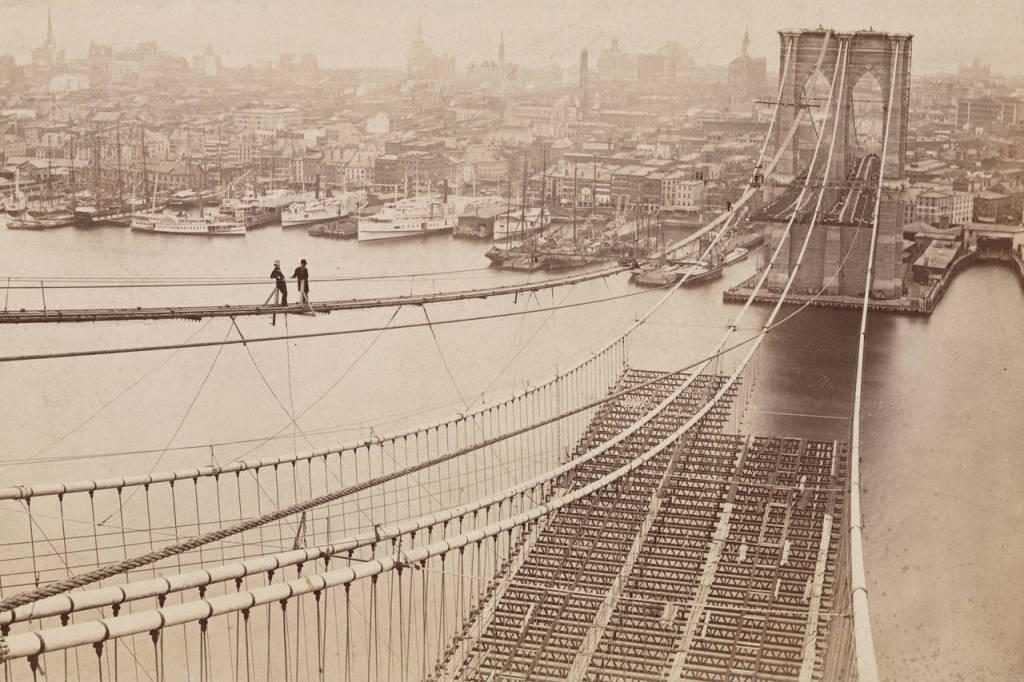
This had meant to be a positive post about the Brooklyn Bridge and the myth that it was constructed between 1869-1883 using Sheffield steel. Instead, this turned out to be an intriguing story of deceit, forgery, and monetary loss for the city’s steel manufacturers.

It was anticipated that English steel would be used in the Brooklyn Bridge’s construction, and the submitted bids came in cheaper than their American counterparts. However, the American steel companies put pressure on the US Treasury to increase import tariffs, effectively shutting down foreign competition.

A New York representative from the Sheffield Independent visited the Brooklyn Wire Mills in 1877 and found that only a small portion of steel for the four main cables had been supplied by Sheffield firms.

Haigh had reneged on his promise to J.H. Andrew, as well as the Hallamshire Steel and File Company, and had turned to Anderson and Parsevant of Pittsburgh to supply it instead.
Worse was to come.

Haigh struggled to meet deadlines for the wire rope, and this may have been the reason why he turned to deception to fulfil the contract.

In 1878, the Brooklyn Bridge Company discovered that Haigh had been supplying defective wire. Out of eighty rings evaluated, only five met standards, and it was estimated that Haigh had pocketed $300,000 from his dishonesty.

John Augustus Roebling thought that as much as 221 tons of rejected wire had been spun into cables and used, and so he demanded that another 150 wires were added to each cable as an additional safety factor. Had this not been detected, the consequences might have been catastrophic, and the sub-standard wires remain in place even today.

The Brooklyn Bridge Company decided to keep its discovery a secret and demanded that Haigh supply the extra high quality wire free-of-charge, but this led to his financial ruin.

Two years later, Haigh’s business failed, still owing approximately $20,000 to Sheffield companies, part of this for the Brooklyn Bridge, a figure that was never recovered.

Months later, Haigh was discovered to be a forger and had contributed to the collapse of America’s Grocer’s Bank, an action that led to his imprisonment in Sing Sing.

And so, we find out that the Brooklyn Bridge only has a small amount of Sheffield steel in its structure.

There is also another myth to dispel.

There are suggestions that Brooklyn Works at Kelham Island, once occupied by Alfred Beckett, saw maker, was named after the Brooklyn Bridge because steel from here was used.

We find that Beckett’s home was at Brook Hill, and he acquired his works in 1859 calling them Brooklyn Works, way before work on the bridge had ever started.

NOTE:-
J.H. Andrew and Company subsequently became Andrews Toledo, based at Toledo Works in Neepsend.

©2024 David Poole. All Rights Reserved.
Categories
People

J. Stuart Blackton: From Broomspring Lane to Hollywood

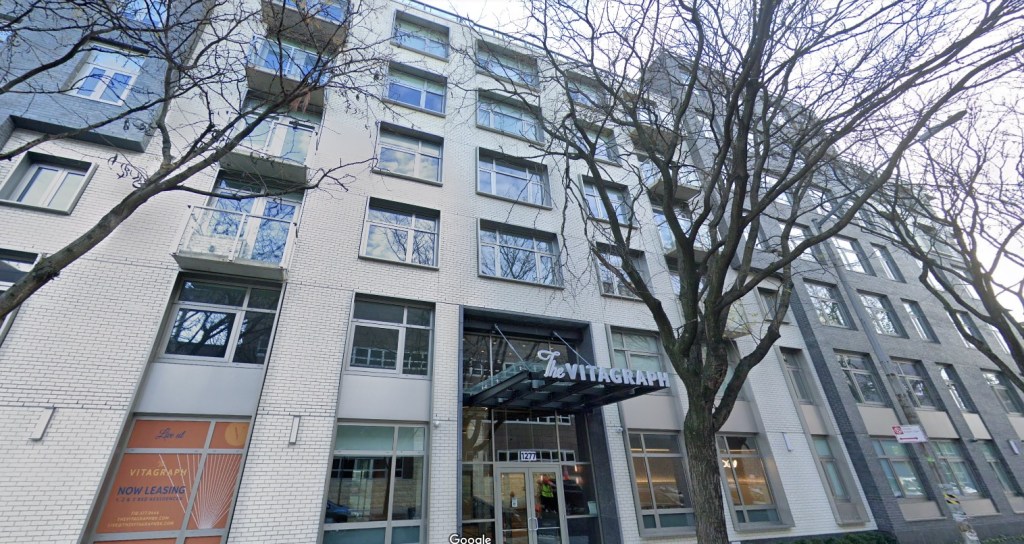
The land on which the Vitagraph Studios were situated can trace its motion picture history back to around 1906, when it served as a studio and backlot. In 2017 the site became an eight-story, 300-unit apartment building. Photograph: Google.

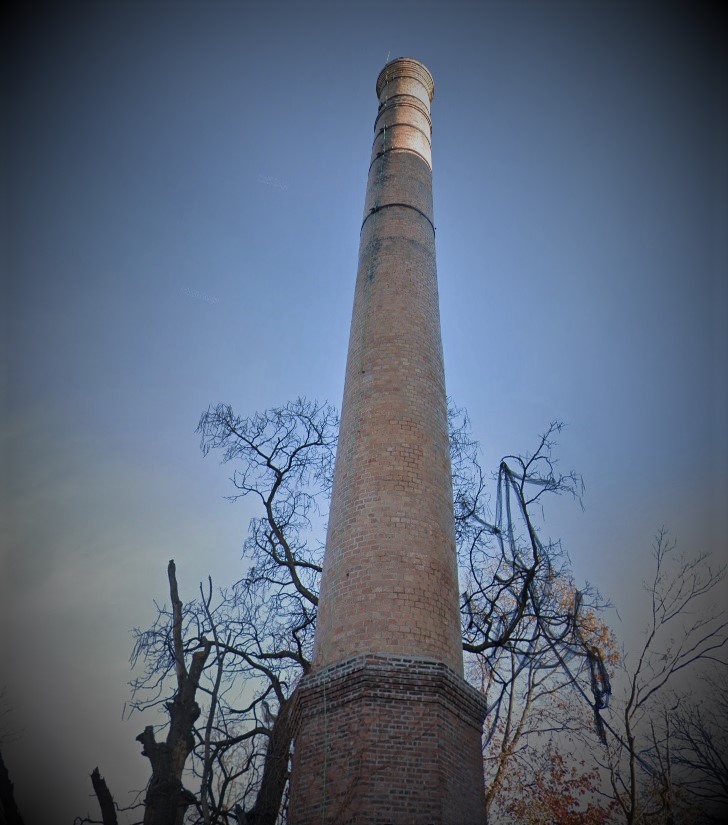
This story starts with an apartment complex in Brooklyn, bounded by East 14th Street, Locust Avenue, Chestnut Avenue, and the Brighton Line of the New York City Subway. The smart new development is called The Vitagraph, built on the site of Vitagraph Studios (1906), the first modern motion picture production company in the U.S.. Apart from the name, the only thing that survives is an adjacent smokestack on which you can still make out the VITAGRAPH name.

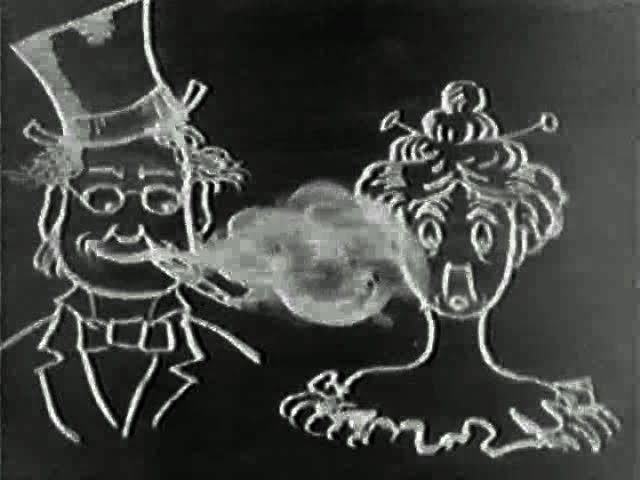
In 1896, James Stuart Blackton, a journalist and illustrator for the New York Evening World interviewed Thomas Edison about his new Vitascope, and the man was impressed enough with Blackton’s drawings to make a cartoon film with him: Blackton the Evening World Cartoonist. This was twenty-eight years before Walt Disney formally introduced us to Mickey Mouse in Steamboat Willie. Blackton bought a Kinetoscope from Edison and went into partnership with Albert E. Smith, and later William T. Rock, to form the Vitagraph Company.

The studio produced films in which they acted themselves. Tearing Down the Spanish Flag (1898), proved popular in recreating an incident from the Spanish-American war and Vitagraph went on to explore all types of filmmaking, including actualities of local events, comedy series (such as The Happy Hooligan) and adaptations of Shakespeare and Dickens.

At the Vitagraph Studios, Blackton pioneered stop frame animation and shot one of his most successful films, Humorous Phases of a Funny Face (1906). He was also innovative in editing techniques and camera work and streamlined processes of the studio to supervise several productions at once.

Humorous Phases of Funny Faces is a 1906 short silent animated cartoon directed by James Stuart Blackton and generally regarded by film historians as the first animated film recorded on standard picture film.

This was long before Hollywood established itself as the centre of the movie industry and at its peak, Vitagraph was producing up to eight films a week on the Brooklyn lot, and all because of one enterprising Sheffield lad.

James Stuart Blacktin was born in Sheffield in 1875, the son of Henry Blacktin, a saw-maker, and Jessie Stuart, but weeks after his birth his mother filed  for divorce.

“She had been beaten regularly by a drunken Henry Blacktin prior and during her pregnancy, he raped her when she refused sex, denied her food at home if she didn’t put in slave hours at the saw-making shop, was told she would have to become a prostitute if that was the only way he could get back money to pay a loan to her father, threatened her with death if she informed her family of the state of her marriage, and cut her off from all her friends.”

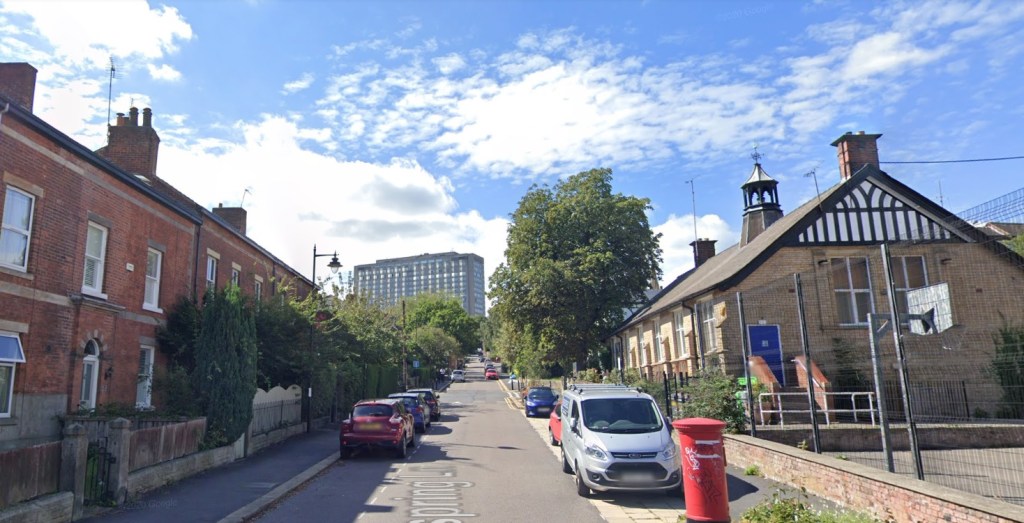
Mother and son moved into her family home at 121 Broomspring Lane, and James attended nearby Eton House Collegiate School. In 1886, when he was aged 11, they travelled from Liverpool to New York aboard the SS Celtic to start afresh. He changed his surname to Blackton and ten years after arriving met up with Thomas Edison.

Broomspring Lane, Sheffield. James Stuart Blacktin lived here with his mother’s family before emigrating to New York and setting up Vitagraph Studios. Photograph: Google.
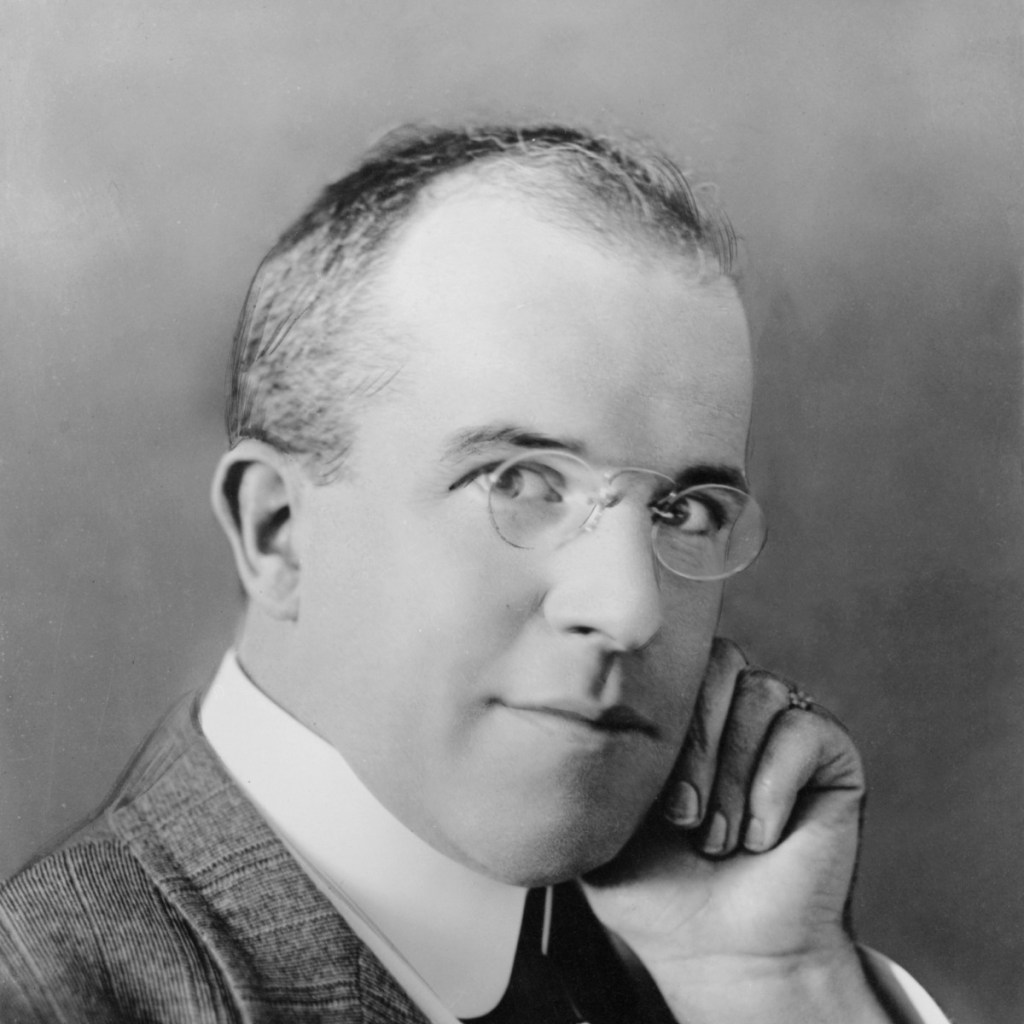
James Stuart Blackton (1875-1941), the British-born U.S. film director and producer who introduced animation and other important film techniques that helped shape and stimulate the development of cinematic art.

Blackton left Vitagraph in 1917 selling his stock for $1.5million and became an independent producer making four big productions a year that were released through Paramount.

In 1920, Blackton visited Sheffield for the first time in 34 years and presented a private showing of his latest picture Passers-By at the Electra Palace in Fitzalan Square (later to become the Classic).

Accompanied by his beautiful young wife he had been looking around the country with an eye to producing pictures here.

“I think there is a splendid opening, and I expect to be over again by the New Year ready to start work.” he said. “I shall never produce a photo-play that I would not like my wife and children to see. I want all screen plays to reflect the beauty of the home, of motherhood, and of life, and to appeal to clean-minded people.”

In 1921 he came to England, where he directed three lavish costume dramas in ‘Prizmacolor’. The Glorious Adventure (1922) and The Virgin Queen (1923) both starred the society beauty Lady Diana Cooper (billed as Diana Manners); Gypsy Cavalier (1922) starred the world light heavyweight boxing champion, George Carpentier. 

Blackton returned to the US in 1923 and directed several more films, including Beloved Brute (1924) starring Victor McLaglen, who he had used in The Glorious Adventure.

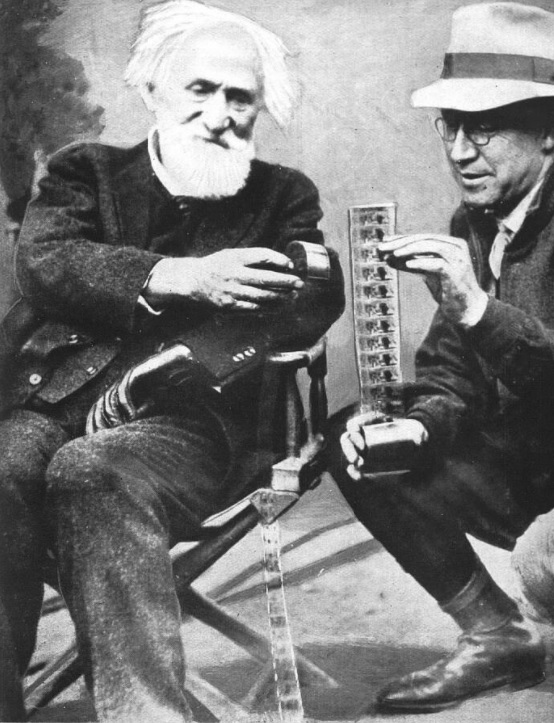
In 1927, Hudson Maxim, the U.S. inventor and chemist, visited his ‘young’ friend James Stuart Blackton, who had invented a stereoscopic film, to examine the latest development in motion-picture technique. He was seen comparing a film of the new ‘natural vision’ negative with an ordinary roll of film. Photograph: British Newspaper Archive.

His world came crashing down after losing his fortune in the Wall Street Crash of 1929. He then made a living from showings of his old films and giving lectures about silent movies.

He ended his days working for the Anglo American Film Company and died in 1941 when he suffered a fractured skull after being hit by a car while crossing the street with his son. He was buried at Glendale, Los Angeles County.

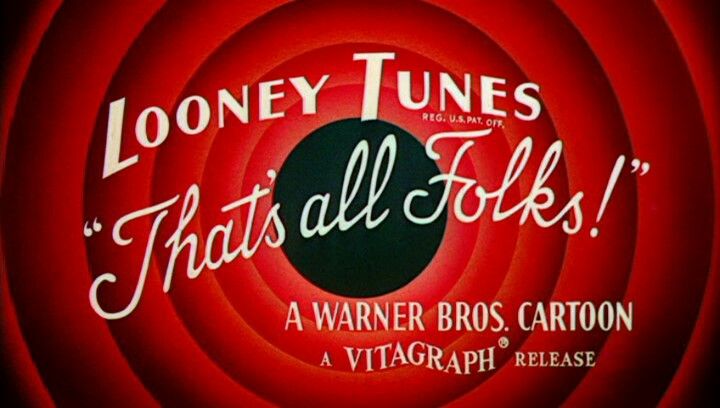
Vitagraph was bought by Warner Brothers in 1925 and the name was briefly resurrected from 1960 to 1969 at the end of Warner Bros’ Looney Tunes and Merrie Melodies cartoons, with the end titles reading “A Warner Bros. Cartoon/A Vitagraph Release”
The Vitagraph Studios were bought by NBC in 1951 and later used to film The Cosby Show, and soap operas Another World and As the World Turns. The famous old studios were demolished in 2015.
The surviving smokestack was part of Vitagraph Studios, which made silent films in Brooklyn, New York, more than a century ago. Actress Norma Talmadge got her start in the movies at Vitagraph’s Midwood facilities. America’s first film versions of William Shakespeare’s plays were shot there.

© 2021 David Poole. All Rights Reserved.