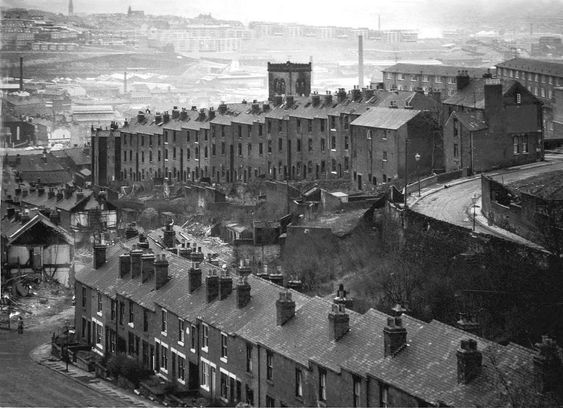
“I’ll miss it,” said the man with the flat cap and a Woodbine hanging from the corner of his mouth. “This is all we’ve known.” He patted the head of a snotty-nosed boy wearing hand-me-downs, who stood eating bread and dripping. The boy wiped his nose on the sleeve of a jacket that was too small because it belonged to Frank in the next yard who was taller and died of measles at Easter. The boy is pining for his dog called Major that ran away when the demolition men came. “When he comes back, he won’t know where we’ve gone,” he wailed.
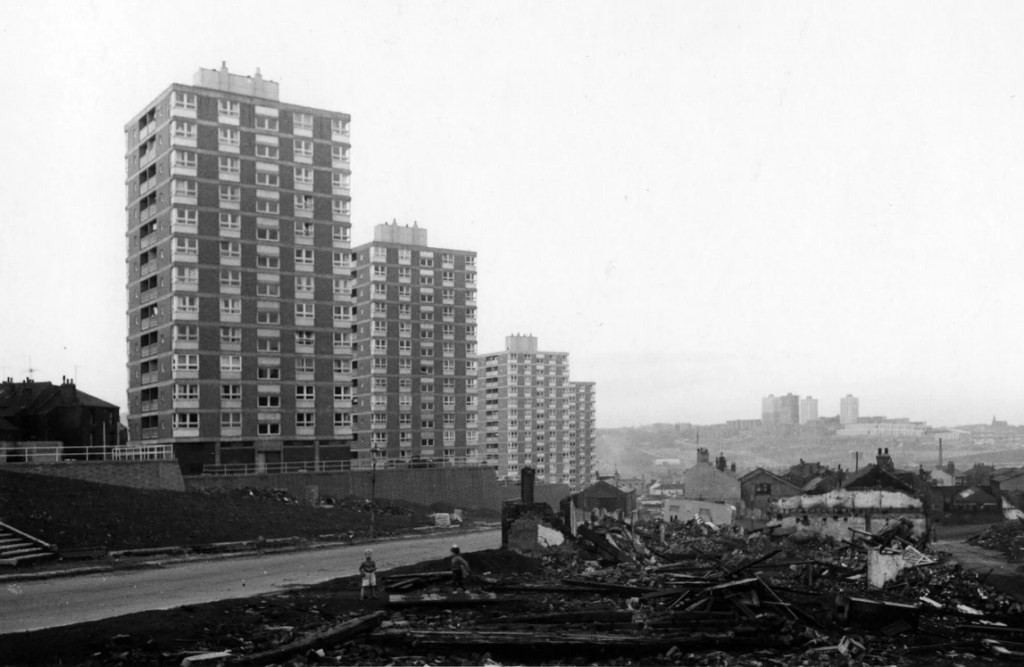
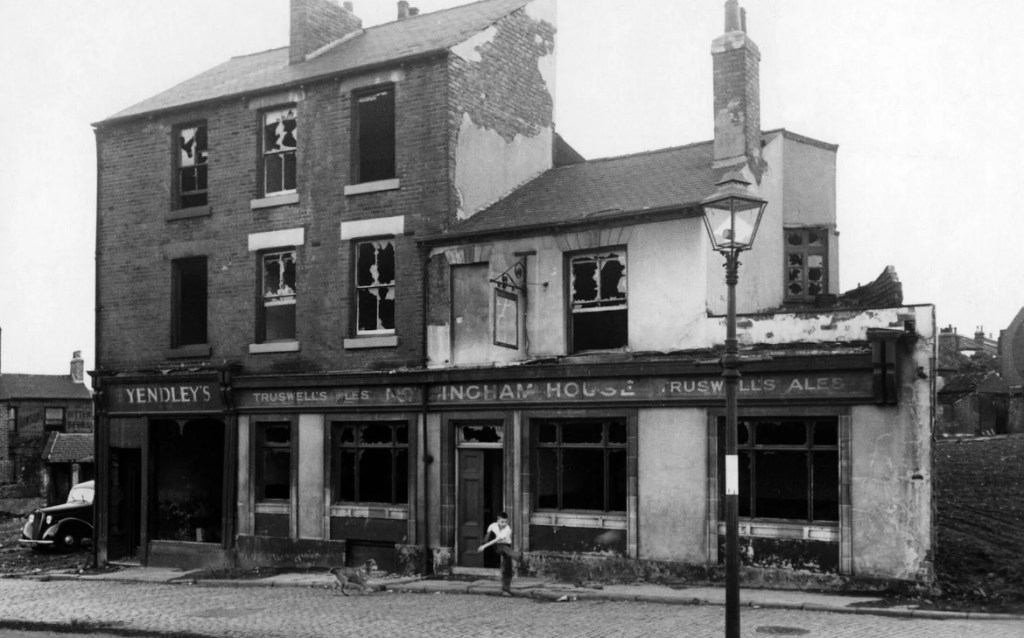
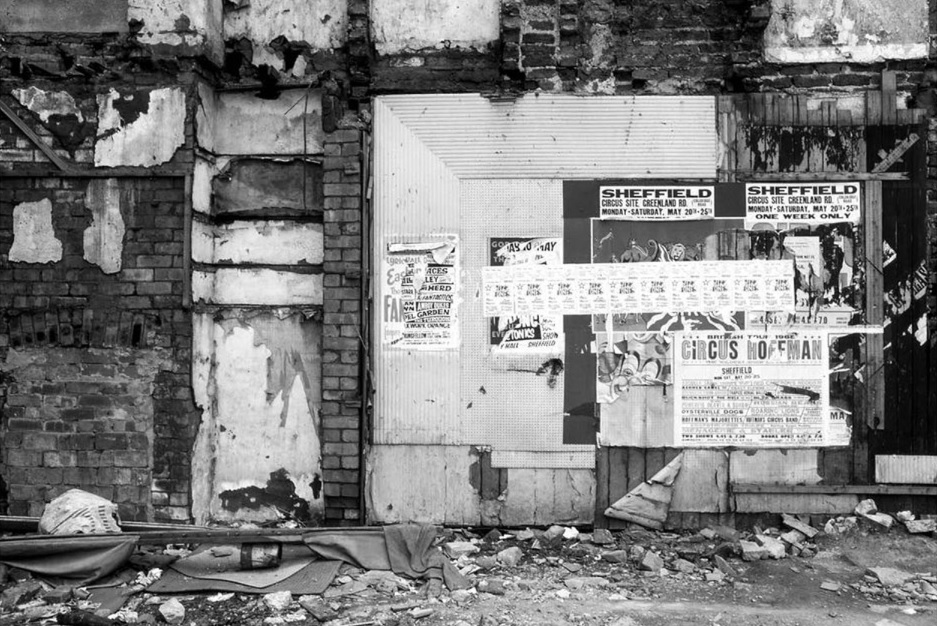
“Look at it,” the flat cap man said. ”Street after street is being swept away, and with them go all the houses, shops, and pubs. All we’re left with are empty churches because the people have gone. The area looks like a man’s teeth have decayed, and only the black stumps remain. It’s being left to rats and rubble.”
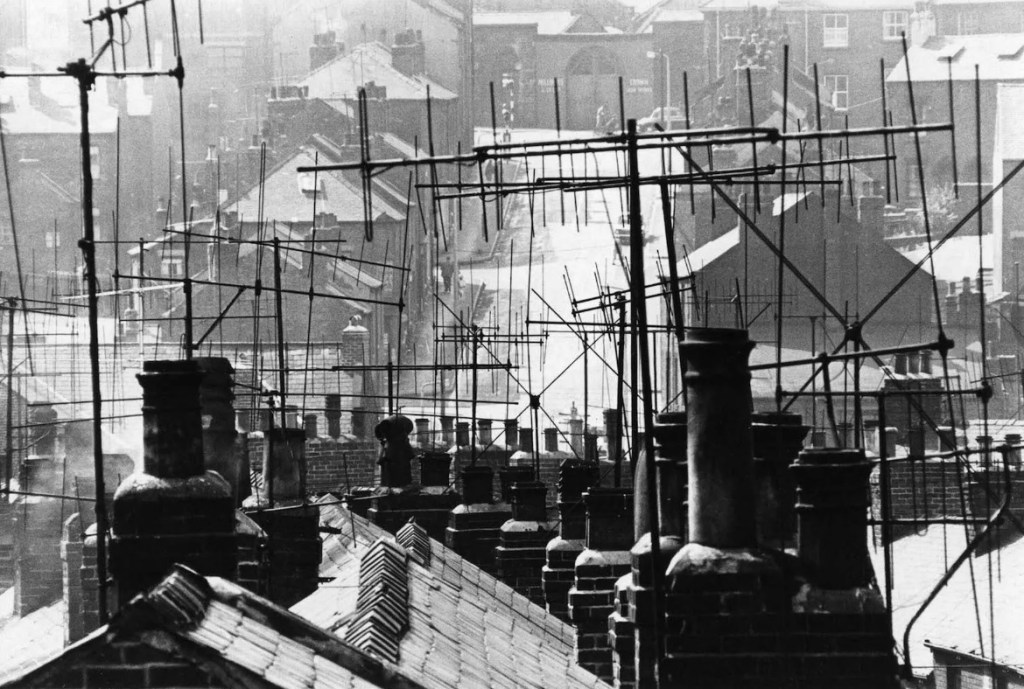
But the flat cap man and the snotty-nosed boy had forgotten that these were the poorest and darkest parts of Sheffield. These sinks of the city were overcrowded, filthy, foetid, and dangerous. This was where whole families shared one room and everybody in the yard pissed and shit in the same toilet bowl. This was where overcrowding and industrial pollution spread sickness and disease. These were the houses where people couldn’t live anymore. Where gangs still ruled, and the sloping cobbled streets had become lawless. This was the poverty stricken north, where other classes dare not wander.
******
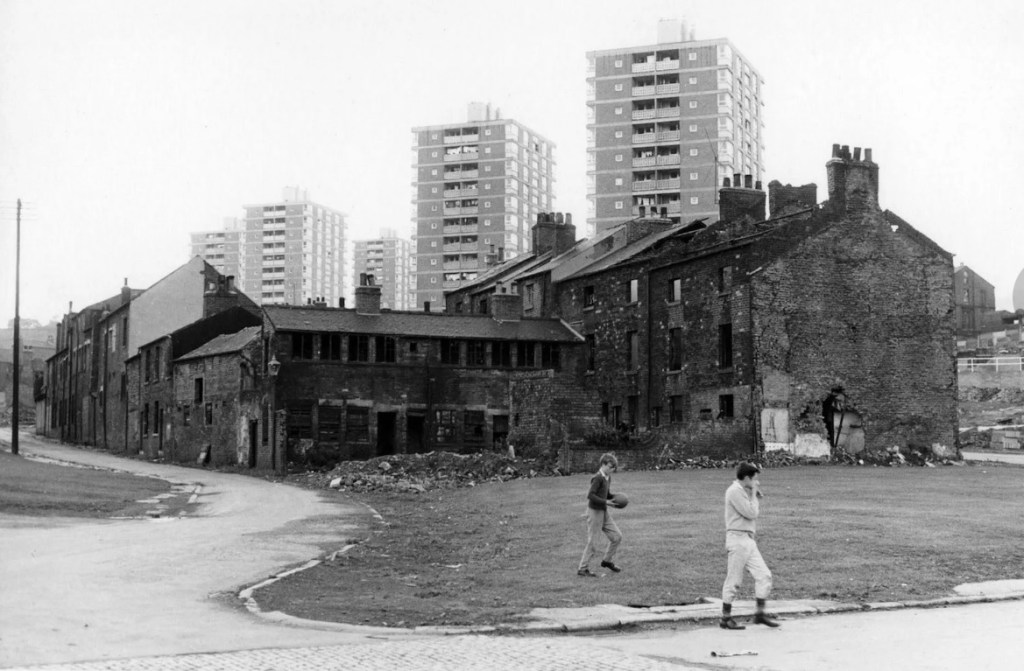
In the 1930s, Sheffield had a five year plan to pull down 7,000 houses and transport 30,000 people to new council estates. It was interrupted by war, and it wasn’t until 1955 that the council resumed its slum clearance programme with new council houses – ‘a boon to a rising generation’. Then came the flats, because housing wasn’t spreading out anymore, it was going up, and so did the rents.
******
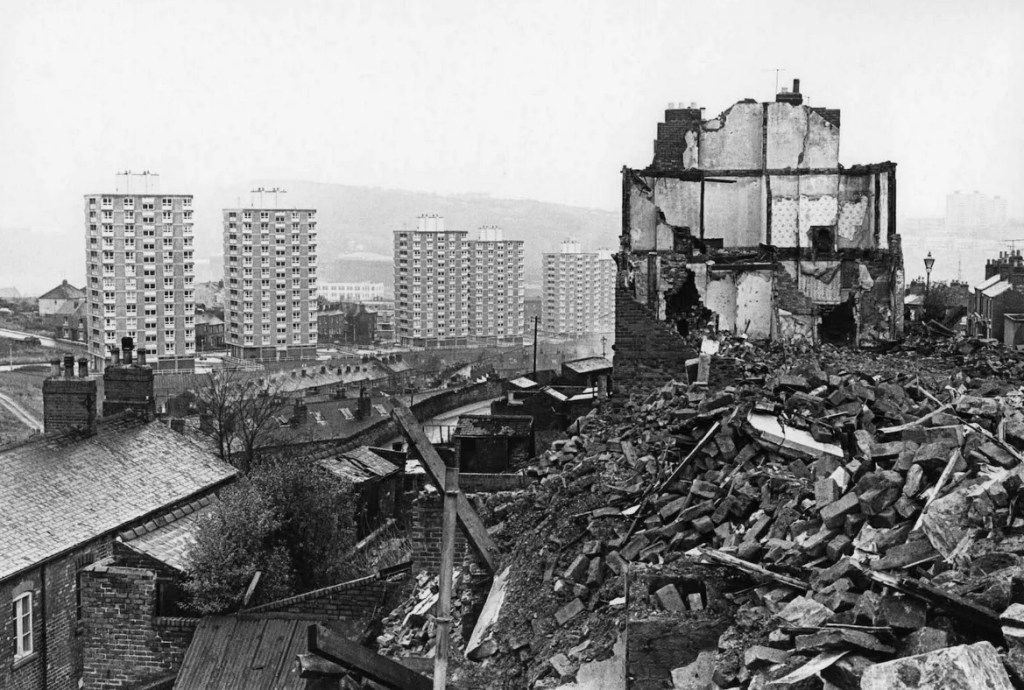
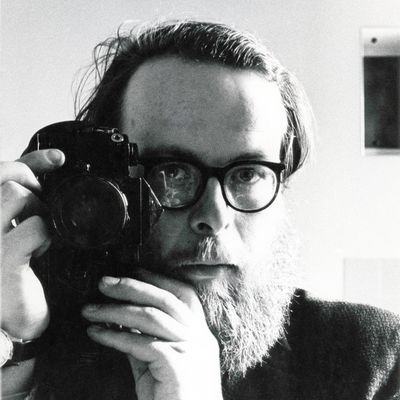
These remarkable photographs of Sheffield’s slum clearance in the 1960s were taken by Robert Blomfield (1938 – 2020), a family doctor who practised in Wrexham and then Hebden Bridge. At the age of thirteen, he started using his father’s Leica camera, showing a natural flair for photography.
Born in Leeds, Robert grew up in Sheffield where his grandfather, a keen amateur photographer, developed his photographs in a make-shift darkroom in the family home. Robert often helped him, and his passion for photography grew, but he never had the ambition to take it up professionally.
From early on he admired the two great French photographers, Henri Cartier-Bresson and Robert Doisneau, whose work challenged him to see more (and be seen less) with the cameras he carried with him everywhere – initially the small Leica borrowed from his father, later a pair of Nikons.
In those days Robert was using black and white film, taking images of Sheffield, Edinburgh, Glasgow, Newcastle, and London, and did all his own developing and printing. Most ended up in storage boxes and only became known in his later years.
“I didn’t need to set the stage. The stage set itself” – Robert Blomfield
© 2024 David Poole. All Rights Reserved
 sheffielder.net